Google Photos
- 1.34M
- 4.4
- Installs
- 10.00B
- Price
- Free

Screenshots


Analysis by Reviewed
When I choose a photo app, I care about three things: how quickly I can find a particular image, how easy it is to share a set of pictures, and whether the workflow still makes sense when I change phones. Google Photos is strongest when I want one place to browse a growing library rather than a collection of separate folders. It is a free photography app from Google LLC, rated for Everyone, and its 4.4 average across around 54 million ratings suggests it has become a familiar option for a huge range of users.
Start with the way you handle pictures
If you mostly take casual phone photos and want to revisit them without carefully filing each one, this app is an easy fit. Its scale—over 10 billion installs—also makes it a common choice when friends and relatives need a shared place to collect pictures. I would be more cautious if you prefer a strictly local archive, want hands-on control over every folder, or do not want your photo workflow tied to a cloud service. In those cases, your phone’s built-in gallery or a dedicated file-based library may feel more comfortable.
Organizing Chaos with a Flick
From the moment I fired up Google Photos, I was greeted with an interface that practically whispered, "Relax, I've got this." The app automatically backs up your photos and videos, organizing them in a way that feels almost magical. All my images were neatly sorted by date, location, and even faces, thanks to its smart recognition technology. No more endless scrolling through my camera roll to find that one elusive picture of my dog wearing sunglasses.
The Latest on Google Photos
Search Like a Pro
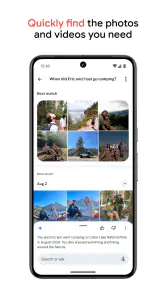
One of the standout features has to be the search capability. I typed "beach" into the search bar, and voila! Every beach photo I've taken over the past few years appeared like magic. It even recognized specific landmarks and events, making it a breeze to relive my favorite moments. I mean, how often does an app actually exceed your expectations?
Make search work for your habits
For a less obvious use, I find search handy for practical pictures, not only memories: a snapshot of a parking spot, a recipe page, or a label I need to check later can be easier to retrieve than a note I forgot to organize. A useful habit is to take these reference shots deliberately and search for a word or scene you remember. Search is not a substitute for a carefully named archive, though; if a picture is important for work or record-keeping, I would add a clear album or keep a separate copy rather than assume a broad search will always surface it.
Editing Made Easy
Now, let's talk about editing. We all want our photos to look Instagram-ready, right? The app offers a suite of editing tools that are both powerful and user-friendly. I played around with the filters, adjusted lighting, and even removed some unwanted photobombers with just a few taps. The best part? I didn't need a degree in graphic design to make my photos pop.
Quick edits versus a dedicated editor
I see these tools as a convenient finishing step: straighten a casual shot, lift its brightness, or make a quick crop before sending it to family. That keeps the process simple when I do not want to export an image and open another app. For detailed retouching, layered work, or a consistent professional look across a project, I would choose a specialist photo editor instead. The trade-off is straightforward: Photos favors speed and accessibility over the deeper control that comes with a more focused editing workspace.
More From Our News Desk

Weather by Xiaomi Review: Clear at a Glance, Less Clear Up Close

X Under Pressure: Can It Recover When Posting Goes Wrong?

Clash of Clans Is Won Between the Battles

Android Auto Makes the Case for Quieter Car Software

MobiOffice: Transforming Mobile Productivity with Seamless Integration

EA SPORTS FC™ Mobile Soccer: Redefining Mobile Sports Gaming
Sharing Memories
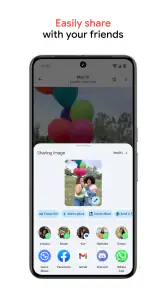
Sharing memories with friends and family has never been easier. With just a few taps, I was able to create shared albums and invite others to contribute their photos too. It's perfect for group trips or family gatherings where everyone wants to add their shots to the collection. Plus, it saves the awkward "Can you send me those photos?" conversation.
A practical group-trip workflow
For a weekend away, I would make one shared album before everyone starts sending pictures through separate chats. People can add their own angles, so the collection becomes a fuller record of the trip instead of a handful of images from one person. I would still keep sensitive pictures out of a shared space and check who has access before inviting a large group. Shared albums are convenient, but convenience does not replace deciding which moments I actually want others to see.
Space Saver
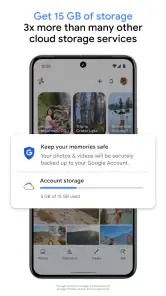
If your phone is perpetually running out of storage, you'll appreciate the space-saving feature. After backing up your photos to the cloud, the app offers to free up space on your device. It's like having a little Marie Kondo for your phone, sparking joy by keeping only the essentials.
What to check before clearing space
I would treat that cleanup as a deliberate step, not a button to tap while distracted. First, make sure the pictures you care about have finished backing up, then consider whether you need particular files available offline. Cloud access is useful, but it is different from keeping every original on the phone; anyone who travels with unreliable connectivity or wants a fully local collection may prefer to retain selected files or use a separate backup routine. This is also the point where your comfort with cloud storage matters most.
Switching without losing your bearings
Moving to a new phone is easier when your library is already backed up and associated with the account you use, but I would not treat a new-device setup as a reason to delete the old copy immediately. Check that the images you expect are visible on the new device first. If you are moving from a gallery app that relies on hand-built folders, expect a change in how you browse: Photos emphasizes a searchable, date-led library, while a traditional gallery can feel more direct when you know exactly which folder holds a file. Neither approach is universally better; it depends on whether you remember pictures by subject and occasion or by where you filed them.
Who will get the most from it?
I would recommend it to people who take lots of everyday pictures, share albums with relatives, or want a quick way to look up old moments. It is also useful for someone who takes reference photos throughout the day and would rather search than sort every image manually. I would suggest another setup to photographers who need a carefully managed local archive, people who prefer folder-by-folder control, and anyone who does not want cloud backup to be part of their routine. Those users may be happier with a device gallery, a file organizer, or a dedicated editing tool, depending on what matters most.
Everyday use, not just holiday albums
A realistic day-to-day example is taking a quick picture of a document you need to discuss later, then searching for a remembered word instead of trying to recall when you took it. The same habit works for a shopping item, a sign, or a meal you want to make again. I would avoid treating those snapshots as a formal filing system, though: search can save time for casual retrieval, but important records deserve a deliberate album or another dependable place. That small distinction keeps the convenience without asking the app to do a job it is not designed to replace.
Choosing between a cloud library and a gallery
The main alternative is often already on your phone: a built-in gallery that presents local pictures and may suit someone who prefers a straightforward device-based view. A folder-focused photo manager is a better fit when the exact location of each file matters more than searching by subject. Google’s app is appealing when I want a library that travels with my account and can be browsed by date, scene, or people; the cost of that convenience is relying more on cloud access and less on a hand-crafted folder structure. For editing-first work, I would keep a specialist editor in the mix rather than expect one library app to cover every creative need.
Small habits that prevent bigger headaches
I recommend checking backup status before cleaning up a phone, especially after a burst of photos or when switching networks. I also like to make albums for occasions that I know I will revisit, rather than creating one for every minor outing. That gives search room to do the everyday work while keeping important collections easy to browse directly. If a shared album is involved, I would review its membership before adding personal images; a convenient shared space can become messy when it collects unrelated pictures or includes people who do not need access.
What the scale does and does not tell me
With around 1.3 million written reviews alongside its large rating base, this is clearly a heavily used app, but popularity alone is not a reason to hand over your whole photo routine. I would decide based on whether its searchable library, backup workflow, and sharing suit the way I actually take pictures. It is free to install, which makes it easy to try, but I would still think through how much I want to rely on a cloud-centered setup before making it my only archive. The right choice is the one whose organization style you will keep using consistently.
When shared albums are most useful
I find shared albums particularly helpful when a group has pictures from the same occasion but no one wants to become the unofficial photographer responsible for collecting every file. After a family gathering, for instance, each person can contribute their own shots, and the album gives everyone a common place to revisit them. It works best when the group agrees on a simple boundary: keep the album focused on that event, and use a separate conversation for unrelated pictures. That small bit of organization makes a shared collection easier to browse later than a long chat thread.
What happens when a search misses?
I would not build a workflow that depends on every image being recognized perfectly. A search for a broad subject is convenient, but an obscure object, a dim indoor shot, or a picture whose meaning is personal to me may be harder to find by description alone. When I know I will need a picture again, I use an album or a recognizable date and occasion as a second route back to it. That is a useful compromise: let search handle the casual hunt, but give important collections a deliberate structure instead of trusting one retrieval method.
Keeping the library manageable
Automatic backup can make it tempting to keep every accidental frame forever. I try to remove obvious duplicates and throwaway shots while the occasion is still fresh, then reserve albums for collections I genuinely want to browse as a group. This does not require turning photo management into a weekly chore; a short cleanup after a trip can be easier than facing a large, mixed library months later. The app’s convenience is most valuable when I can still recognize the moments I care about among everyday snapshots.
Privacy and personal comfort
Photos are often more personal than other files, so I would make the cloud decision based on comfort as well as convenience. Before relying on any online library, I would think about which images I want backed up, which I would rather keep off a shared album, and whether I am comfortable using an account-based service as the main way to browse them. Someone who wants full control over a local collection may reasonably choose a device gallery or a file-based archive instead. That is not a failure of the app; it is a different priority.
How I would try it without committing
If you are curious but unsure, begin with a modest test: let a small, ordinary batch of pictures back up, then search for a few subjects and open the library on another device you already use. Check that the results and browsing style match how you think about your photos before making it central to your routine. I would also test one shared album with people I trust, rather than moving every old collection at once. A gradual trial makes it easier to judge the real benefit without immediately changing how your whole archive is managed.
In the end, the app has transformed the way I handle my digital memories. It's intuitive, efficient, and feels like it's one step ahead of me, anticipating my needs. If you're looking to bring order to your photo chaos and enjoy a seamless experience, this app might just become your new best friend. Trust me, your camera roll will thank you.
Google Photos Frequently Asked Questions
Does Google Photos work as a place to keep memories from everyday moments?
Yes. Google Photos is built as a home for your memories, with tools to relive, share, and organize photos. You can use it to browse your collection and decide whether you want to keep images on your device, back them up, or share selected items. That flexibility makes it useful for everyday snapshots as well as pictures you want to revisit later.
Is Google Photos only for photography enthusiasts?
No. Google Photos is a photography app that can suit anyone who wants a convenient way to revisit and organize pictures. Its purpose is not limited to advanced photography tasks; it can also help with ordinary library browsing, backup, and sharing. Whether it is right for you depends on how you prefer to manage your photos and which app features you plan to use.
Can I use Google Photos to find a photo when I only remember what is in it?
Google Photos is designed to make a photo library easier to search and explore, which can help when you remember the subject of a picture but not when you took it. Search and organization tools can reduce the need to scroll through everything manually. Results still depend on what is in your library, but this approach is helpful when you have many images to revisit.
Will Google Photos replace the photo gallery already on my phone?
Google Photos can be used to browse photos stored on your device, but you do not have to treat it as a replacement for every other photo app. You can choose whether to enable cloud backup and use the app for organizing, revisiting, or sharing selected media. If you prefer your existing gallery, consider how Google Photos fits alongside it before changing your routine.
Can I decide when Google Photos uses cloud backup?
You can review the backup setting and choose whether cloud backup is enabled. Browsing device-stored photos is separate, so you can use Google Photos without choosing to back up your library online. If you do enable backup, consider which media you want available through your Google account and how that choice fits your storage preferences.
Pros
- Unlimited free storage for photos under 16MP.
- Automatic organization and search features.
- Cross-device access and sync.
- Easy sharing and collaboration.
- Supports various media formats.
Cons
- Limited editing tools.
- No manual photo sorting.
- High-quality storage option isn't free.
- Privacy concerns over data usage.
- Requires internet for backup.
- Category
- Photography
- Version
- Varies with device