Photoshop Express Photo Editor
- 58.54K
- 4.6
- Installs
- 100.00M
- Price
- Free

Screenshots
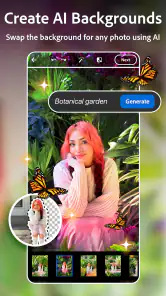
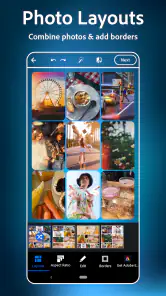
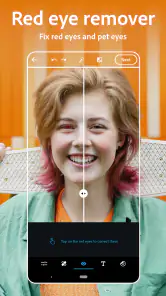
Analysis by Reviewed
I usually reach for a phone editor when a photo needs a quick, specific fix—not a full desktop-style session. Photoshop Express Photo Editor is aimed at that middle ground: enough control to improve a picture before sharing it, without asking me to learn a complicated editing setup. It is Adobe’s free photography app, though some in-app purchases range from $2.99 to $99.99 per item, so I’d treat the free experience as a good place to start rather than assume every option is included.
From camera roll to a usable edit
In a normal workflow, I’d pick an image that is slightly crooked, too tightly framed, or marked by a small distraction. I’d straighten and crop first, then try a filter and adjust its strength rather than accepting the first look unchanged. That order matters: a strong effect can disguise a composition problem, but it rarely fixes one. For a family snapshot or a quick profile photo, these basic corrections are often more useful than a dramatic treatment.
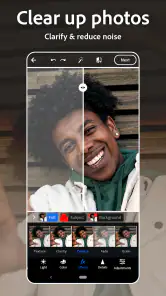
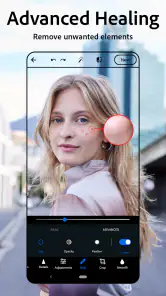
The retouching tools suit small cleanups, such as a temporary blemish or an object that draws the eye away from the subject. I’d use them selectively and zoom in to check the result; edits that look convincing at phone size can become obvious when inspected closely. If the object overlaps hair, a patterned wall, or another detailed edge, a quick removal may leave an imperfect patch. That’s a sensible point to stop rather than repeatedly editing until the surrounding area looks less natural.
The Latest on Photoshop Express Photo Editor
Choosing the right finish
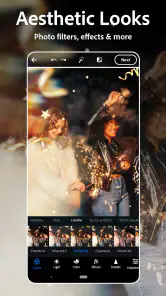
Filters make it easy to explore different moods, but I get better results by comparing a few restrained options and lowering the intensity when the effect overwhelms skin tones or scene details. A useful habit is to pause between adjustments and look at the whole image, not just the part currently under your finger. The aim is usually to make the photo feel clearer and more intentional, not to make every picture look as if it came from the same preset.
For a realistic everyday example, imagine taking a slightly tilted picture of a café lunch before sending it to friends. I’d correct the angle, trim out an empty edge, and make a modest tonal or filter adjustment. If a distracting mark remains, I’d try a small retouch and inspect the surrounding table texture. Then I’d save or share the finished image through the route I normally use. This is the kind of short, practical edit where a phone app can be more convenient than opening a computer editor.
A few decisions that improve the workflow
I find it useful to decide what the photo is for before editing. A small image headed to a messaging thread doesn’t need the same care as a portrait I plan to use across several profiles. For a casual share, I focus on framing and a natural-looking finish. For a portrait, I look more carefully at skin and edges after any retouching, because even a minor repair can look artificial when the image is enlarged or viewed on a different screen.
Another practical habit is to make one kind of change at a time. I crop and straighten, review the composition, and only then adjust the look. If the image starts to feel too processed, I can identify whether the filter, retouch, or framing is responsible instead of trying to undo a stack of changes blindly. This is especially helpful on a phone, where the small preview can make subtle problems hard to notice.
More From Our News Desk

Android Auto Makes the Case for Quieter Car Software

MobiOffice: Transforming Mobile Productivity with Seamless Integration

EA SPORTS FC™ Mobile Soccer: Redefining Mobile Sports Gaming

How Microsoft OneDrive Became a Mobile Productivity Giant

How Google Translate Breaks Language Barriers Effortlessly

Why Google Sheets Is the Ultimate Mobile Productivity Tool
I would also keep a clean original for any picture that matters. That gives me room to try a bolder treatment without treating the edited copy as the only version. Before sharing, I check the finished image in the place I intend to use it, rather than judging it only inside the editor. A crop that looks balanced in the editing view may feel cramped as a profile image, while a retouch that seems invisible on a phone can stand out on a larger display.
Getting Started: First Impressions
First things first, let's talk about ease of use. Once you fire up Photoshop Express Photo Editor, you're greeted with an intuitive interface. I was pleasantly surprised at how user-friendly it is. The layout is clean, and the tools are neatly organized. No need to scratch your head trying to find what you need. It's like the app knows exactly what you're looking for!
Features That Shine
Now, onto the good stuff—the features. This app is packed with a bunch of cool tools that make photo editing a breeze. You've got your basics like cropping, straightening, and rotating, which are super easy to use. But what really sets it apart are the advanced features.
One thing I love is the filters. There are tons of them, and they're all customizable, which is awesome if you want to add your personal touch. The blemish removal tool is another standout. It's perfect for getting rid of those pesky spots or unwanted objects in your photos. Trust me, it's a lifesaver!
Using it for everyday photos
For a quick portrait before a video call or a new profile picture, I’d keep the edit modest: straighten the frame if needed, crop to suit the destination, and make only the cleanup that improves the image without changing the person’s appearance. That restrained approach is where a phone editor earns its place. It’s faster than moving a casual photo to a computer, and the result can be ready to share without turning a small task into a long editing session.
It also works well for the little fixes that pile up in a camera roll: a tilted shot from a day out, a food photo with too much empty space, or a travel image with one distracting mark near the subject. I wouldn’t expect every retouch to disappear perfectly, though. When a repair crosses complicated textures or fine edges, I prefer to leave a minor flaw rather than make the surrounding area look smeared.
Performance and Reliability
Performance-wise, this app is pretty solid. It runs smoothly, and I haven't experienced any annoying crashes or glitches. It's reliable, which is crucial when you're in the middle of editing and don't want to lose your work.
The app also syncs seamlessly with other Adobe products. So, if you're already part of the Adobe ecosystem, this is a huge plus. It makes transferring your projects between devices a walk in the park.
When another editor makes more sense
For a quick social post, Photoshop Express sits between a camera app’s built-in adjustments and a more involved editor. The built-in option is often faster for a simple brightness tweak, while a desktop editor is better when I need precise selections, layered compositing, or detailed control over a difficult retouch. I’d skip this app if my main goal were extensive image manipulation or a carefully repeatable professional workflow. It is most appealing when I want useful corrections on a phone and don’t need every edit to become a project.
One practical trade-off is that a free download does not mean every editing choice is necessarily free; optional purchases are part of the app. I’d explore the tools I actually need before paying for anything, especially if I only edit occasionally. The app is rated for Everyone, has an average rating of 4.6 from around 2.5 million ratings, and has been installed over 100 million times. Those figures suggest broad use, but they don’t tell me whether a particular paid option is worthwhile for my own routine.
Sharing, continuity, and limits
Once an image is ready, the next question is how it fits into the rest of my workflow. The app’s connection with other Adobe products can help people who already move work through that ecosystem; if I only want to send a finished picture in a chat, I may not need that continuity at all. I’d keep an original copy when a photo matters, then check the exported result before posting, since a careful edit is only useful if the final image still looks right outside the editor.
For someone who asks whether this can replace a full photo editor, my answer is no—not for demanding selections, layered work, or exact color control. For quick crops, filters, and modest retouching, it can be enough. The current version is 17.7.12, and I’d consider it a sensible starting point for casual phone editing, while remembering that a more complex task may call for a different tool.
Who will get the most from it
I’d recommend it to someone who edits on the go and wants more than the basic sliders built into a phone’s camera roll, but doesn’t want to learn a desktop program for ordinary fixes. It is particularly handy when I need to straighten, crop, test a few looks, and tidy a small distraction before sharing. The free starting point also makes it easy to see whether its editing style suits my habits before considering optional purchases.
On the other hand, I’d steer a photographer toward a more specialized editor if they rely on meticulous selections, layered composites, or consistent fine adjustments across a large body of work. Someone who only changes brightness once in a while may be happier with the built-in photo editor and its shorter path from image to share. Photoshop Express makes most sense in the space between those needs: more capable than a quick automatic fix, but intentionally less involved than a full desktop workflow.
Final Thoughts
So, what's the verdict? If you're looking for a powerful yet easy-to-use photo editing app, Photoshop Express Photo Editor is a top contender. It's got a robust set of features that cater to both beginners and seasoned editors. Plus, it's free to download with optional in-app purchases, which is great if you want to try it out before committing.
All in all, this app is a must-have for anyone who loves photography. Whether you're touching up your vacation snaps or getting creative with your shots, it's a trusty sidekick that'll help you bring your photos to life. Give it a whirl and see for yourself!
Photoshop Express Photo Editor Frequently Asked Questions
Can I edit photos on both Android and iOS with Photoshop Express?
Photoshop Express is available for Android and iOS, so you can find it on either mobile platform. It is designed for editing photos on a smartphone or tablet, with tools for making adjustments and retouching images on the go. Check the app store on your device for its current compatibility details before downloading.
How much storage space does Photoshop Express need?
The amount of space an app needs can vary by device and version, so check the download page on your phone or tablet before installing Photoshop Express. It is a photography app for editing images, and you may also want room on your device for the photos you work with and the finished edits you choose to keep.
Does Photoshop Express work well for quick edits before sharing a photo?
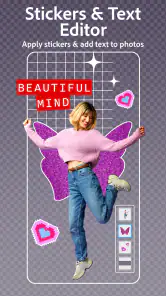
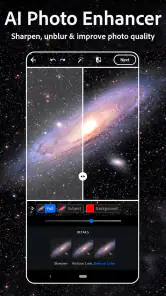
Photoshop Express is intended for mobile photo editing, making it a practical option when you want to adjust an image before sharing it. Its tools include cropping, rotating, and brightness adjustments, along with retouching and creative effects. You can make edits on your device and share the result using the options available to you.
Can Photoshop Express help me create shareable photos and visual stories?
Yes. Photoshop Express is designed to enhance, retouch, and help you create a story from your photos, making it useful when you want to prepare an image for sharing. Its editing options let you adjust and stylize pictures rather than simply store them. You can make changes on your mobile device, then share the result through the options available to you.
Who develops Photoshop Express, and is it suitable for beginners?
Photoshop Express is developed by Adobe and is a photography app for editing images on mobile devices. Its straightforward tools, such as cropping and adjusting brightness, make it approachable if you are new to photo editing. It also includes more advanced options, so experienced users can make more detailed refinements without needing to switch to a separate editor for every adjustment.
Pros
- User-friendly interface
- Wide range of editing tools
- Quick photo fixes
- High-quality filters
- Supports RAW files
Cons
- Limited features in free version
- Occasional performance issues
- In-app purchases required
- Large app size
- Requires internet for some features
- Category
- Photography
- Version
- 17.7.12