Microsoft Word: Edit Documents
- 117.88K
- 4.8
- Installs
- 1.00B
- Price
- Free

Screenshots

Analysis by Reviewed
I find the most revealing way to judge a mobile word processor is to notice what happens when I move between places, devices, and network conditions. Microsoft Word: Edit Documents is a productivity app from Microsoft Corporation, and it makes sense for people who need to work with familiar document files while away from a desk. The app is free to download, rated for Everyone, and has a 4.8 average from around 16 million ratings, with over a billion installs. In-app purchases range from $0.99 to $199.99 per item, so I would check what a particular feature or plan requires before assuming every capability is included at no cost.
When a connection changes the workflow
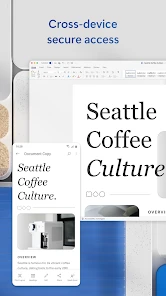
Word is most useful when a document needs to travel between people or devices. Cloud-based access can make it easier to pick up a file elsewhere, and sharing and collaboration are compelling when everyone can connect. But connectivity is not just a background detail: opening, syncing, or working with shared material may depend on the network and account setup. I would avoid treating a phone copy as proof that every latest edit has arrived. Before a meeting or a handoff, I check that the version I need is available and that recent changes have finished syncing.
That small habit matters in ordinary situations. I might review a shared agenda on the way to an appointment, add a question, then want the group to see it before the discussion starts. If the connection is unreliable, I would make the edit only when I can verify it has reached the shared document, or keep a clear note of what still needs to be added. For a one-off note that never needs to leave the device, a simpler notes app can be less effort; Word earns its place when the result needs to remain a formatted document or join a wider editing process.
Best suited to focused mobile tasks
On a phone, I find Word better for targeted work than for building a long, carefully laid-out document from scratch. Correcting a paragraph, adding a comment, checking wording, or making a last-minute change is a natural fit. A commuter who needs to fix a typo in a résumé before sending it, for example, can use the pause between stops productively. A tablet gives the page more room, but the small-screen trade-off remains: precise layout work and extended typing are usually more comfortable with a larger display and a physical keyboard.
There is also a practical distinction between editing and reviewing. If I am asked to comment on a draft, I try to keep the task narrow: read a section, leave a focused comment, and avoid making several structural changes on a cramped screen. That reduces the chance of overlooking context or altering the wrong passage. For quick collaboration, Word has an advantage over a plain-text editor because the document’s formatting and review tools stay part of the workflow. For brainstorming without a need to preserve document layout, a lightweight notes tool may feel quicker.
The Ultimate Writing Companion
Opening Microsoft Word: Edit Documents on your mobile device feels like having a tiny office in your pocket. The interface is sleek and intuitive, making it a breeze for both newbies and seasoned users. Remember those times when you just needed to jot down a quick note or polish up a report on the go? This app is your go-to!
Feature Galore
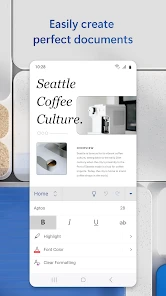
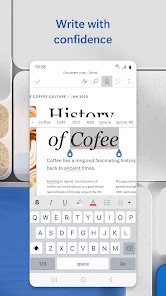
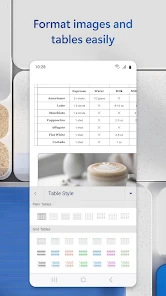
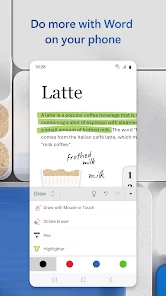
First off, let’s talk features. This app isn't just about typing text. Nope, it’s packed with tools that let you format documents with ease, insert images, tables, and even charts! Need to review someone’s work? The track changes and comments feature got you covered. And if you’re worried about those inevitable typos, the in-built spell checker is a lifesaver. Plus, the app seamlessly integrates with OneDrive, so your documents are always backed up and accessible from anywhere. Pretty neat, huh?
More From Our News Desk

Weather by Xiaomi Review: Clear at a Glance, Less Clear Up Close

X Under Pressure: Can It Recover When Posting Goes Wrong?

Clash of Clans Is Won Between the Battles

Android Auto Makes the Case for Quieter Car Software

MobiOffice: Transforming Mobile Productivity with Seamless Integration

EA SPORTS FC™ Mobile Soccer: Redefining Mobile Sports Gaming
On-the-Go Editing
One of the standout features is how easy it is to edit documents on the fly. Whether you’re commuting, at a café, or lounging in your living room, you can swiftly make changes without breaking a sweat. The app’s design ensures that even on a smaller screen, you have all the functionality of a desktop version. No more lugging around a laptop just to make those last-minute tweaks.
Collaboration Made Easy
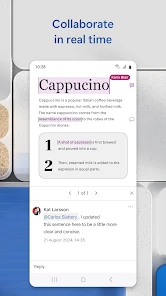
In today’s world, collaboration is key, and this app doesn’t disappoint in that department. Share your documents with colleagues or friends with a simple click. Real-time collaboration means you can brainstorm ideas, edit, and finalize documents together, no matter where you are. It's like having a virtual meeting room, minus the awkward silences!
Oh, and did I mention the templates? From resumes to business reports, the app offers a variety of templates that make document creation a breeze. Just pick one, fill in your details, and you're good to go.
Keeping edits dependable
When the connection drops or a sync appears to stall, I resist making a string of repeated edits while unsure which version is current. I pause, check the document once the network returns, and reconcile any changes before continuing. For important work, that simple recovery routine is safer than assuming an unfinished edit has been shared. If I only need to capture an idea in a place with unreliable service, I would use a tool whose offline behavior I already understand, then bring the text into Word when I can confirm the document is accessible.
Choosing the right amount of Word
Word suits students revising essays, employees commenting on shared drafts, and anyone who regularly exchanges formatted documents. Its spell-checking, templates, and review tools make it more capable than a basic notes app, while the familiar document workflow can be more practical than a general-purpose editor when other people expect a Word file. The trade-off is that a feature-rich interface can be more than a casual note-taker needs, and complex formatting is still fiddly on a phone. I would skip it if my main goal were distraction-free writing, freeform notes, or detailed page design on a small screen.
One useful mobile habit is to separate content changes from layout changes. I draft or correct the wording first, then inspect spacing and formatting on a larger screen if the document will be printed or shared formally. This is especially helpful with a résumé or report: a quick phone edit can fix the substance, but it is worth reviewing the final appearance before sending it. Likewise, comments are often a better way to flag a substantial change for a collaborator than trying to rewrite several sections on a small display.
Who benefits from the mobile version
I would recommend Word most readily to someone who already receives, edits, or sends formatted documents. A student can make a focused correction to an essay between classes; a team member can add a comment to a draft before a discussion; and a job seeker can correct a contact detail when a résumé needs attention away from a computer. In each case, the value is not simply being able to type on a phone. It is keeping the work in a document format that other people can continue using.
For a realistic routine, imagine receiving a meeting agenda in the morning, reading it on the way in, and noticing that a key question is missing. I would add a concise comment or edit the relevant line, then check that the shared version reflects the change before relying on colleagues to see it. If I could not confirm that, I would keep the question ready to raise in person rather than assume it had gone through. This modest verification step is more useful than trying to do every part of a team workflow from a moving phone.
Working with documents without overdoing it
A practical way to reduce mobile friction is to decide what kind of change the document needs before opening the editing controls. For a wording correction, I make the edit directly; for a suggestion that another person should approve, a comment can preserve their decision-making role. If the change affects several sections, I note the locations and handle the larger revision with more screen space. That keeps a quick review from turning into a difficult attempt to restructure a long file with narrow controls.
Templates can also save time, but I would treat them as a starting point rather than a finished design. They help establish a recognizable structure for a résumé or report, while personal details and the document’s purpose still determine what belongs on the page. On a phone, I would focus first on filling in accurate content, then inspect the final layout later if presentation matters. This is a useful distinction for anyone wondering whether the app can replace a laptop: it can handle many small, practical edits, but that does not make every layout task equally comfortable.
A practical choice for shared files
One question I would ask before settling into Word is whether the people I work with already expect a Word document. If they do, editing in the same format avoids the extra step of drafting elsewhere and then checking whether the layout survived a conversion. If my work is mostly personal journaling or rough idea capture, that compatibility matters much less, and a simpler writing space may keep me focused. The best choice depends less on how many tools an app has than on what I need to hand to someone else.
For a student, a useful workflow is to write the main argument on a keyboard, then use the phone for small corrections and comments while waiting for class. I would avoid trying to reorganize an entire essay in short bursts, because it is easy to lose track of how one paragraph supports another when only a slice of the document is visible. Instead, I mark the section that needs attention and return to it when I have enough screen space to judge the surrounding text. That division of labor makes mobile access genuinely useful without pretending a phone is ideal for every stage.
What to check before relying on a document
Readers often wonder whether a shared edit is immediately visible to everyone. I treat that as something to verify rather than assume: the network, account, and document state all affect the handoff. When timing matters, I reopen or check the shared file after a change and make sure the wording appears as intended. For an urgent message, I would also use a direct communication channel to tell collaborators that I made an edit, instead of relying on them to notice a change in a document at once.
Another sensible question is whether Word replaces a desktop editor. For short edits, review, and routine formatting, the mobile app can spare me from carrying another device. For a lengthy report with many layout decisions, dense tables, or repeated fine adjustments, I would rather work on a larger screen with a keyboard and more precise controls. The phone version is most convincing as a companion to that workflow, not as a promise that every document task will feel equally comfortable on every screen.
The Verdict
So, what’s the final word on Microsoft Word: Edit Documents? Honestly, it’s a must-have for anyone who writes, edits, or collaborates on documents regularly. The app is robust, user-friendly, and packed with features that cater to a wide range of needs. Whether you’re crafting an essay, drafting a business proposal, or simply organizing your thoughts, this app has got your back. Give it a whirl; you might just wonder how you ever managed without it!
My connectivity takeaway
For me, the deciding question is whether I need a document to stay connected to a shared, formatted workflow. When I do, Word’s editing and collaboration tools justify keeping it on my phone; when I only want to jot a private reminder, a simpler option is usually faster. I would treat the app as a useful mobile workbench rather than a complete replacement for every desktop task, and build in a quick check that important edits have synced before relying on them. With that expectation, it is a strong choice for document work on the move.
Microsoft Word: Edit Documents Frequently Asked Questions
What kinds of documents can I create with Microsoft Word: Edit Documents?
Microsoft Word: Edit Documents is a mobile productivity app for writing and working with documents. You can use it for everyday tasks such as preparing notes, school assignments, and work materials, then apply formatting and grammar tools to help shape your writing. It is designed to support both quick edits and longer pieces, with the familiar Word document workflow available on a phone or tablet.
Can I use Microsoft Word: Edit Documents without an internet connection?
You can work with documents stored on your device when you are offline, which is useful for drafting or making edits while away from a connection. Internet access is needed for online features such as cloud storage and collaboration, and changes to cloud-based files may need to sync after you reconnect. Keeping an important document available on your device can make offline work more convenient.
Can Microsoft Word: Edit Documents open and edit PDF files?
Word can work with PDF documents, but editing a PDF may differ from editing a regular Word file. When a PDF is opened for editing, its layout can be converted into an editable document, and complex formatting may not carry over perfectly. If preserving the original appearance is important, review the result carefully before sharing or saving changes.
Who develops Microsoft Word: Edit Documents, and what is the app designed for?
Microsoft Word: Edit Documents is a productivity app from Microsoft Corporation, built for creating, editing, and reading documents on mobile devices. Its formatting and grammar tools help you shape a document and check that it reads well, whether you are working on a quick note or a longer piece of writing. It is suitable for everyday personal, school, and work tasks.
Is Microsoft Word: Edit Documents suitable for new users who have never used Word?
Yes. The app is useful even if you are new to Word, since you can start with a blank document or work with an existing file and apply formatting as you go. Common writing tasks such as adjusting text, organizing paragraphs, and checking grammar are available on mobile. Familiarity with the desktop version can help, but it is not necessary to begin.
Pros
- Comprehensive editing tools.
- Seamless cloud integration.
- Cross-platform compatibility.
- User-friendly interface.
- Wide range of templates.
Cons
- Requires Microsoft account.
- Some features need subscription.
- Occasional sync issues.
- Resource-intensive on devices.
- Limited free storage.
- Category
- Productivity
- Version
- Varies with device