Switching to Lark Player: A Better Fit for Music Stored on Your Phone?
Lark Player makes sense if your music already lives on your phone. Here is what changes, what does not transfer by assumption, and how to test the switch without regret.

Lark Player makes sense if your music already lives on your phone. Here is what changes, what does not transfer by assumption, and how to test the switch without regret.

OS changes rarely transform a tile puzzle, but they reshape the small rituals around it. Tile Master’s appeal lies in how well its brief, tactile rounds fit the modern phone.

Google Docs still makes a strong case for the shared document, but its real significance is how it exposes the gap between cloud convenience and genuinely capable mobile work.

As publishing turns into a daily, data-led habit, YouTube Studio is becoming the control room creators reach for between uploads—not another tool for making videos.

Tiles Hop turns a simple bouncing-ball premise into a sharp test of timing. Its best design is immediate and readable; its weakest moments come when recovery feels less clear than the beat.

A tile-tapping piano game lives or dies by timing. This resilience-focused review separates what its format promises from what players still need to verify.

Its low-speed challenges are built for quick retries and easy sharing. The real question is whether that tidy driving loop can hold attention after the novelty fades.

The best upgrade is not another security app; it is making sign-ins, backups, and account recovery work together before you need them.

Kwai turns short video and mobile drama into a tightly linked attention system. Its strengths are immediate; its costs become clearer when you look at who controls discovery.

A meeting app is more than a room on a screen. Webex Meetings reveals how work has moved into pockets, spare moments, and the uneasy performance of attention.

H&M’s app wins through a tight link between trend discovery, familiar prices and the promise of new stock. Its return loop is persuasive, though not always effortless.

A closer look at its reading tools shows why adjustable typography, synced progress, and offline access can turn spare minutes into a dependable reading habit.

As public feeds lose some of their pull, Litmatch is betting on small, low-pressure exchanges. Its appeal is real, but so are the trust and retention questions behind the growth.

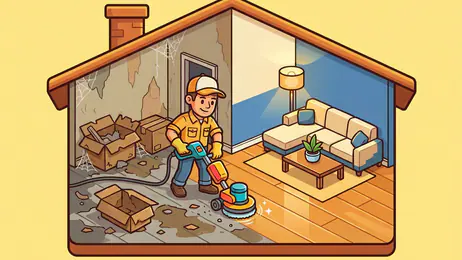
A renovation game built on small, visible wins: clear the clutter, make deliberate design choices, and watch a tired property become something worth keeping.

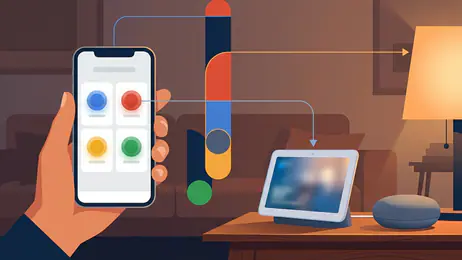
The smart-home app is moving beyond device setup. Google Home shows why control, context, and reliability now matter more than a crowded grid of gadgets.

As everyday phone use gets more fragmented, this open-ended building game offers a surprisingly direct kind of downtime: make a place, change it, and come back when you like.

A calmer, more deliberate front door to children’s video: useful controls, a familiar rhythm, and limits parents should understand before handing over the screen.

A cheerful make-and-serve loop gives young players room to pretend, but its community is mostly imagined: the fun happens at the table, not in a shared world.

Transparent clock and weather turns the forecast into a glanceable part of the wallpaper. That convenience is real; so are the limits of making a widget do everything.

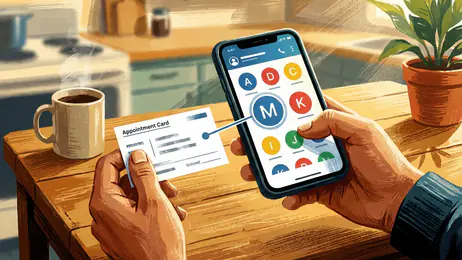
A good address book does more than store numbers. Contacts makes familiar people easier to find, call, and keep organized, with a few setup choices worth getting right.

A quick AI restoration tool earns its place by making faded portraits and soft, older photos feel vivid again—provided you know where its polish ends.

PayPal is most useful when its reach and familiar checkout solve a real payment problem. These reader-by-reader recommendations show where it earns a place—and where friction wins.

A familiar quiz-show format succeeds or falters on tiny design decisions: how clearly the game guides a first answer, handles hesitation, and invites one more round.

A room-by-room decorating game built for quick sessions gains from modern phone habits, but its gentle pace still depends on patience, repetition, and a steady stream of design jobs.