Samsung Notes
- 94.34K
- 4.8
- Installs
- 1.00B
- Price
- Free

Screenshots

Analysis by Reviewed
I choose a note-taking app by asking a practical question: will it help me capture an idea quickly, then find and use it later? Samsung Notes is a free productivity app from Samsung Electronics Co., Ltd., and its mix of typing and handwriting makes it especially appealing if you use a Samsung phone or tablet. It is rated for everyone, has a 4.8 average from around 13 million ratings, and has been installed over a billion times. Those figures suggest a broad audience, but the real decision comes down to how you like to work.
Choose by the kind of work you do
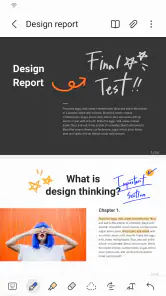
Before switching notebooks, I’d ask whether I mostly type, write by hand, or move between the two. Samsung Notes is most compelling when one page needs to hold different kinds of material: a typed outline, a handwritten explanation, and a quick sketch. If my notes are almost entirely plain text, I might prefer a lighter app with fewer options to manage. If I regularly use a stylus, the balance changes: keeping writing and text together can make a page feel closer to a paper notebook without losing the convenience of digital search.
I’d also consider where I need to open my notes. Samsung’s app is a natural choice if my everyday devices are Samsung phones or tablets. If I work across a varied mix of devices, I would test the actual setup first rather than assume the experience will be identical everywhere. A good notebook should fit the devices I reach for, not just offer an attractive feature list.
If most of your notes are short lists, reminders, or meeting points, a basic text notebook may be enough. I find Samsung Notes more useful when a note needs to move between formats: I can type a heading, write or sketch underneath, and keep the result together instead of splitting it across separate apps. That makes it a good fit for students, people who plan by hand, and anyone who mixes quick text with visual thinking.
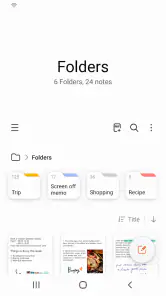
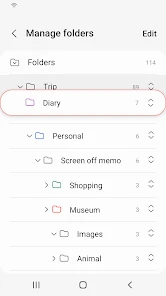
A useful habit is to decide on a simple folder structure before your notes pile up. I would begin with a few broad folders—such as work, personal, and study—rather than creating a folder for every small project. Then search can do the detailed retrieval. This keeps filing from becoming a chore and makes the app’s organization tools more effective over time.
Where Samsung Notes earns its place
First things first, setting up Samsung Notes was a breeze. As soon as I opened the app, I was greeted with a clean and intuitive interface. It’s perfect for those who prefer simplicity without sacrificing functionality. Whether you're using it on a phone or tablet, the app adjusts beautifully, making sure you have a seamless experience no matter your device.
Writing and sketching on the same page
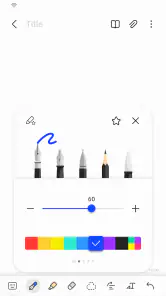
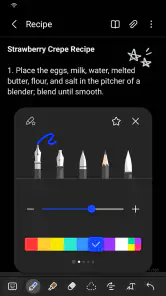
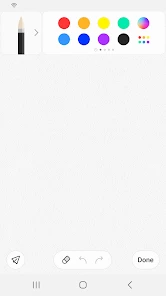
One of the standout features for me is the versatile note-taking options. You can type, draw, or even doodle your thoughts away. The handwriting recognition is surprisingly accurate, which is a huge plus if you love using a stylus. Plus, there’s a rich variety of pens and colors to choose from, allowing you to customize your notes to your heart’s content.
More From Our News Desk

Weather by Xiaomi Review: Clear at a Glance, Less Clear Up Close

X Under Pressure: Can It Recover When Posting Goes Wrong?

Clash of Clans Is Won Between the Battles

Android Auto Makes the Case for Quieter Car Software

MobiOffice: Transforming Mobile Productivity with Seamless Integration

EA SPORTS FC™ Mobile Soccer: Redefining Mobile Sports Gaming
For a practical workflow, I’d use handwriting for a rough plan or diagram, then add typed labels so the finished note is easier to scan. Recognition can help turn handwritten content into something searchable, but I still review important names and figures instead of trusting a quick conversion without checking. The stylus experience is a particular strength; if you rarely write by hand, though, the pen choices may matter much less than a fast, uncluttered text editor.
Finding notes without over-organizing
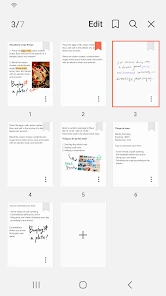
If you’re like me and often find yourself overwhelmed with too many notes, the organization tools are incredibly handy. You can categorize your notes into folders, and the search function is robust, ensuring you can find what you need in a snap. It’s like having a personal assistant right in your pocket.
One everyday example: I might keep a note for a home project with measurements, a rough room sketch, and a typed list of supplies. Later, searching for a distinctive word from that list is often quicker than remembering which folder I used. For recurring topics, I’d keep one note updated rather than making a fresh note each time; that reduces duplicates and gives the information a clear home.
A small but useful practice is to make titles distinctive enough to recognize at a glance. “Kitchen” may be vague after a few months, while “Kitchen shelf measurements” tells me what is inside before I open it. I also try to include a typed keyword when a page is mostly handwriting, particularly for a project name or topic I expect to search later. It is a low-effort way to make a visual note easier to retrieve.
Sharing a finished note versus co-editing
In today’s world, syncing across devices is crucial, and Samsung Notes does this effortlessly. Notes automatically sync with your Samsung account, meaning you can access them anytime, anywhere. And if you need to share your ideas, exporting notes as PDFs or sharing them directly through other apps is just a tap away.
That sharing workflow is convenient when someone only needs to read or mark up a finished document, but it is different from working together in the same live note. I’d use an exported PDF for a handout or a settled plan, and choose a collaborative document service when several people need to edit the same content at once. Before relying on a note on another device, I’d also check that the account and syncing setup are in place; that small step is better than discovering a device is not showing the latest version when I need it.
For a realistic day-to-day example, I could jot appointment questions on my phone while travelling, then open the same notes on a Samsung tablet at home to add a diagram or longer explanation. When I’m ready to send the result to someone who does not need to edit it with me, a PDF is a sensible handoff. That division—capture privately, refine on a comfortable screen, then share a settled version—plays to the app’s strengths without treating it as a team workspace.
Where another notes category may be a better fit
While Samsung Notes has a lot going for it, there are a few areas where I think it could improve. For instance, the app is primarily designed for Samsung devices. Although it's available on other Android devices, some features might not be as smooth or even available. Also, for those who love collaboration, the app doesn’t yet support real-time editing with others, which could be a fantastic addition.
If you mainly want a shared workspace for a group, a collaborative document or project tool is a better match. If your priority is a large, cross-platform knowledge library, a dedicated reference or database-style app may fit your habits more naturally. And if all you need is a few plain text reminders, a simpler notes app can feel quicker because it asks less of you. The best alternative depends on whether your notes are personal working material, polished documents, or shared team content.
The trade-off is not simply features versus simplicity; it is also how much maintenance I want to do. A research-focused system may reward careful links, tags, or structured records, but that structure takes time to keep up. Samsung Notes feels more natural when I want a flexible page first and organization second. Someone who needs to connect a large body of research across many subjects may reasonably prefer a tool built around those connections, even if it is less comfortable for handwritten sketches.
Moving from another notebook is easiest if you avoid trying to reorganize everything on day one. I’d bring over active notes first, keep their existing titles where possible, and sort them into a small number of folders as I actually use them. That lets me test whether the search and handwriting workflow suit me before investing time in a complete archive migration. For anyone with a large collection, a gradual switch is less frustrating than maintaining two systems indefinitely.
What switching really asks of you
Samsung Notes is free, which makes trying it low-risk, but the larger cost of switching is usually the time spent sorting old material. I’d start with notes I still use, then keep the old app available until I’m confident the important pages have transferred and can be found. A folder plan should stay broad at first: too many categories can make deciding where a new note belongs slower than simply searching for it later.
If you depend on notes across a mix of devices, check your actual routine before committing. The app’s strongest fit is within Samsung’s own device environment, while another notebook may be more convenient when your work regularly moves between different platforms. I would test a few representative notes—one typed, one handwritten, and one shared or exported—rather than judge the fit from a blank notebook.
That trial also answers a practical question: will my usual material remain easy to use after I move it? I’d test a note with handwriting, one with a longer typed passage, and one I need to send to another person. If those examples work smoothly in my routine, I can migrate more with confidence. If I keep reaching for the old app to collaborate or to move between devices, that is useful evidence that switching everything would create friction rather than solve it.
Small limitations worth weighing
That said, these are minor hiccups in an otherwise stellar app. It’s clear that Samsung is committed to enhancing user experience, and I’m excited to see what future updates will bring.
The app’s flexibility can itself be a mild distraction. A page with pens, colors, typing, and drawing invites tinkering, and I can waste time making a note look polished when I only needed to record an action. My workaround is to capture the information plainly first and format it only when the note will be reused or shared. People who prefer a strict, minimal writing space may find that a simpler text notebook helps them stay focused.
Who is likely to enjoy it
With a 2016 release behind it and a large audience, this is an established choice rather than an experimental notebook. I’d recommend it to Samsung phone and tablet owners who want to combine handwriting, sketches, and text without treating each as a separate task. It is also a sensible choice for personal planning and study notes when the main goal is to capture, organize, and revisit material.
I would steer away from making it the center of a team’s workflow if everyone needs to edit one live document together. I’d also think twice if my priority were a highly structured research archive or frictionless use across a varied device setup. In those cases, a collaboration-first service or a cross-platform knowledge tool is a better category of solution, even if it is less pleasant for handwritten pages.
My recommendation is strongest for Samsung users who want one place for typed notes, handwritten pages, sketches, and organized personal reference. People who depend on live co-editing or need the same smooth experience across a mixed set of devices should compare alternatives before moving their whole workflow. For an everyday notebook that can handle both a grocery list and a page of handwritten planning, I think this one earns a place on the home screen.
A routine that makes the app more useful
I would use it as a working notebook rather than a dumping ground. After a class, appointment, or planning session, I’d give the note a specific title and put the next action near the top. For example, a student could keep a page of handwritten lecture points, then type a short recap and questions to revisit. That combination makes the page useful later without requiring a separate summary document.
For quick capture on a phone, I’d avoid spending time choosing colors or perfecting the layout. A short title and a few clear lines are enough; when I have a larger screen or stylus available, I can refine the note. This division between capturing and organizing matters because a note app only helps if it is quick enough to open when an idea arrives.
My recommendation
Samsung Notes is free to try, and its age rating is suitable for everyone. I’d start with a few active notes rather than moving a complete archive at once, then judge whether handwriting, search, and sharing fit my real habits. That is a more useful test than simply exploring the available pens or building elaborate folders before I know how I’ll use them.
To sum it up, if you’re in search of a reliable and feature-packed note-taking app, Samsung Notes is definitely worth a try. It’s user-friendly, packed with customization options, and a great companion for organizing your digital life. Give it a shot and let me know what you think!
Samsung Notes Frequently Asked Questions
Can I customize the appearance of notes in Samsung Notes?
If you like your notes to feel personal and easy to scan, Samsung Notes may be worth exploring. The app is designed for creating and editing notes and documents, so you can use it to collect information in a format that suits your routine. Before downloading, consider whether you want a straightforward place for written material or expect a more specialized design and layout tool.
Can I use Samsung Notes for both quick reminders and longer documents?
Samsung Notes is intended for creating and editing notes and documents, so it can be considered for both brief reminders and more developed written material. You can keep different kinds of information in the same note-taking app, which may be convenient when you want to return to ideas later. Whether it replaces other writing tools depends on the way you prefer to plan and organize your work.
Can I share notes with someone who does not use Samsung Notes?
Samsung Notes supports collaboration with others, which can be useful when you want to work on shared information rather than keep every note private. Before relying on it for a particular group, consider what app or device the other person uses and how you want to exchange the material. The collaboration capability makes shared work part of the app’s purpose, alongside creating and editing documents.
Is Samsung Notes a good choice if I already use another note-taking app?
Samsung Notes may be worth considering if you want another place to create and edit notes or documents, but switching tools is easier when you first think about how you use your current app. Consider the material you need to keep, whether you want to collaborate, and how you prefer to organize information. Trying a small amount of your existing content before relying on a new app can help you decide whether it fits.
Can Samsung Notes be used for work as well as personal tasks?
Samsung Notes can be used to create and edit documents, making it relevant to both personal notes and work-related information. You might use it to collect an idea for a project or keep a personal reminder, then return to those notes when needed. Its collaboration capability can also be useful for shared work. The best fit depends on how you like to keep different parts of your day organized.
Pros
- Syncs seamlessly with Samsung Cloud
- Offers rich text formatting options
- Handwriting-to-text feature is excellent
- Supports audio notes for meetings
- Customizable templates enhance usability
Cons
- Limited cross-platform support
- Can be resource-heavy on older devices
- Lacks advanced collaboration tools
- Ads can be intrusive for free users
- Export options are somewhat limited
- Category
- Productivity
- Version
- Varies with device