Dropbox: Secure Cloud Storage
- 86.65K
- 4.4
- Installs
- 1.00B
- Price
- Free

Screenshots
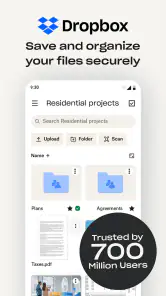
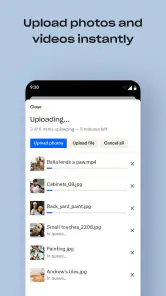
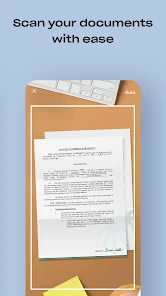
Analysis by Reviewed
I reach for Dropbox when I need the same file to be available on my phone and computer without relying on a chain of email attachments. It is a cloud-storage and file-sharing app from Dropbox, Inc., and its appeal is practical: put a file in one place, then get to it or share it from another. In my experience, it works best as a dependable handoff point for documents and media, rather than as a complete replacement for every other app I use.
Where it fits in a daily routine
A realistic example: I scan a receipt or save a project document while away from home, then open the same file later on my computer when I need to sort expenses or finish the work. That straightforward flow is where Dropbox earns its place. It is also useful for sharing a folder of event photos with family, or sending a large work file to someone without attaching it to an email. For a student juggling notes across devices or a freelancer passing drafts between clients, fewer manual copies can mean fewer mix-ups.
A useful habit is to give folders clear names before sharing them and to check the contents of a folder link before sending it. That small pause helps avoid sharing unrelated files along with the one someone needs. I also prefer using a shared link when the recipient only needs to view or download a file; it keeps the exchange simpler than asking everyone to set up a new account just for one transfer.
The Latest on Dropbox: Secure Cloud Storage
How it compares with familiar alternatives
Compared with keeping everything in a phone’s local storage, Dropbox makes files easier to reach from other devices and easier to pass along. Compared with email attachments, links avoid sending another copy every time a document changes. The trade-off is that cloud access depends on an internet connection, and a service built around storage is not automatically the best place to do every kind of editing or collaboration. If your main need is working together inside a particular office suite, that suite’s own cloud tools may feel more direct. If you only need to move a file once, a simple transfer method may be less setup.
Dropbox is a strong fit for people who move between devices, regularly share files, or want one familiar place for important documents and media. It is less compelling if you rarely leave one device, have little to store, or want a free service with a large amount of space. I would also think twice before treating any cloud folder as the only home for irreplaceable files: keeping another copy of especially important material is a sensible precaution.
A practical cloud hub, with a few trade-offs
First off, let’s talk about what Dropbox: Secure Cloud Storage is all about. This app is like your personal digital safe, offering a secure spot in the cloud to stash away your precious files, photos, and videos. I’ve been using it for a couple of weeks now, and honestly, it’s like having my own little piece of the internet. You can upload, share, and access your files from any device. How cool is that?
Keeping work moving between devices
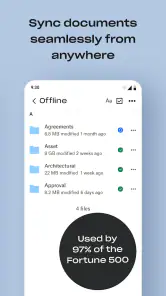
One of the features that really stood out to me is the seamless syncing. Whether you’re on your phone, tablet, or computer, Dropbox keeps everything updated. I was working on a project on my laptop, and when I opened the app on my phone later, boom! There it was, just the way I left it. It’s like magic, but real-life magic!
More From Our News Desk

Clash of Clans Is Won Between the Battles

Android Auto Makes the Case for Quieter Car Software

MobiOffice: Transforming Mobile Productivity with Seamless Integration

EA SPORTS FC™ Mobile Soccer: Redefining Mobile Sports Gaming

How Microsoft OneDrive Became a Mobile Productivity Giant

How Google Translate Breaks Language Barriers Effortlessly
For a less obvious but useful workflow, I treat the cloud copy as the handoff and keep the local copy for times when I need to work without a connection. Before travelling or starting a commute, I check that a file I expect to need is available on the device rather than assuming every cloud item will be ready offline. That distinction matters: syncing keeps devices aligned, but it is worth planning ahead when reliable internet will not be available.
This approach is especially helpful for people who switch between a phone and a computer during the day. I can use the phone to capture or retrieve a file, then return to a larger screen for detailed work. It does not remove the need to choose the right editing app, but it can prevent the familiar problem of wondering which device has the latest copy. For a team or household, a clear folder structure also makes handoffs easier to follow than a stream of attachments with similar names.
Security depends on good sharing habits
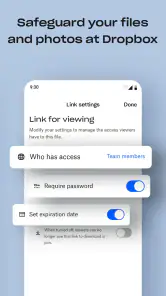
Now, let’s get into the nitty-gritty about security because, let’s face it, nobody wants their data falling into the wrong hands. Dropbox uses advanced encryption methods to keep your files safe, which definitely gives me peace of mind. Plus, you can set up two-factor authentication for an extra layer of protection. It’s like having a security guard for your digital life.
I still think of security as a set of habits, not a reason to upload without thinking. I use a strong, unique password and turn on two-factor authentication, then stay selective about what I put in a shared folder. For sensitive material, I check who can access the link and whether sharing is appropriate before sending it. Cloud storage is convenient, but that convenience makes careful account and sharing choices important.
One point I keep in mind is that a shared link can travel beyond the person I first send it to. Before sharing, I check whether the file itself contains anything private and whether a dedicated folder would expose more than intended. For a one-time handoff, sharing only the needed item is often cleaner; for recurring work, a purpose-made project folder can reduce confusion. These small checks make the convenience more useful without treating a link as a private conversation.
Sharing without creating another attachment
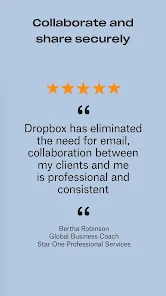
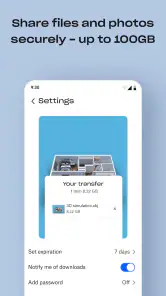
Another thing I love is how easy it is to share files with Dropbox. You can send a link to anyone, even if they don’t have a Dropbox account, and they can view or download the files. This feature has been a lifesaver for me when collaborating with friends and colleagues. No more email attachments clogging up my inbox, thank you very much!
One practical trade-off is that a link is easy to forward, so I treat it differently from a private message addressed to one person. When a file is only meant for a specific recipient, I take a moment to review the sharing options available in the app and avoid placing unrelated documents beside it in a broadly shared folder. For repeat collaborations, organizing a dedicated project folder makes it easier to keep handoffs tidy.
For example, after a family gathering, I might put selected pictures together and share that collection instead of sending several large attachments in separate messages. A client handoff can follow the same logic: make the folder easy to understand, keep drafts apart from final files, and tell the recipient what to open. Dropbox is most useful in these cases as a simple delivery route, not as a substitute for agreeing on edits or keeping a project’s decisions organized.
What to consider before relying on it
Of course, no app is perfect, and Dropbox does have a few quirks. Sometimes the upload speed can be a bit sluggish, especially if you’re dealing with large files. And while the free version offers a decent amount of storage, you might find yourself needing more space if you’re a power user like me. But hey, there are always upgrade options if you’re willing to shell out a few bucks.
Dropbox is free to start, with in-app purchases listed from $6.99 to $299.99 per item, so I would check the available plan details in the app before paying and compare them with what I actually store. Photos and videos can fill space faster than a handful of documents, and upgrading only makes sense if the extra capacity solves a real problem. If price or generous free storage is the deciding factor, comparing other cloud providers is worthwhile rather than assuming one service will suit everyone.
It is worth asking what is taking up space before deciding that a subscription is necessary. I would first sort out old duplicates, large media I no longer need on hand, and folders that are being shared for only a short period. That can make an existing allowance go further. If a household already uses another provider heavily, keeping files there may be simpler than splitting everything across accounts; Dropbox is most persuasive when its sharing and cross-device handoffs solve a recurring problem.
The app sits in the productivity category and is rated for Everyone. It has a 4.4 average from around 2.3 million ratings, with more than a billion installs, which gives a sense of how widely it is used without telling me whether it fits a particular workflow. It first appeared on May 4, 2010, and version 452.2.2 is the current version. The minimum operating-system requirement is version 9. Those details make it easier to judge basic compatibility, while the practical test is still whether it works smoothly on the devices I use.
Dropbox has been around long enough to become a familiar way to move files between devices, but a version number alone does not tell me exactly what changed or whether an update will alter my routine. For existing users, I would focus on the things that matter day to day: whether files finish syncing, whether shared links reach the right people, and whether the current app remains comfortable on your device. I keep the app updated, but I also avoid treating a new version as a reason to reorganize a working setup unless it addresses a need I actually have.
That is a sensible way to judge an update: check the app’s current behavior against your own routine rather than expecting every version number to mean a visible change. If you rely on Dropbox for a deadline, make sure important files are present before you need them and confirm a shared link works for its recipient. The history of a long-running app can offer familiarity, but the useful evidence for me is whether my own files remain accessible and the workflow stays straightforward.
Before making it your main file hub, consider a few practical questions. Can the people you share with open a link without extra steps? Do you need files while offline, and have you made them available on the device in advance? Is your current storage use low enough that the free option remains useful, or are photos and larger projects pushing you toward a paid plan? Answering those questions will tell you more than the app’s broad reputation. I would also keep a separate backup of files I could not afford to lose, since syncing is not the same thing as an independent archive.
If your main concern is whether someone else needs an account, link-based sharing can make a one-off exchange less demanding for the recipient. If your concern is working offline, plan for that before leaving a reliable connection rather than assuming a cloud file is stored locally. And if you are choosing between Dropbox and a document suite’s built-in storage, consider where you actually edit: Dropbox is appealing as a flexible file shelf, while tools centered on live co-editing may be a better match when several people need to work inside the same document at once.
I would skip it if I only needed to store a few files on one device, if I wanted a particularly generous free storage allowance, or if my work depended on deep collaboration inside another platform. Those are not flaws so much as mismatches. On the other hand, a student moving notes between campus and home, a freelancer delivering drafts, or a family sharing a batch of photos may find that a dependable folder-and-link routine saves small amounts of effort every week. The best test is to try that routine with ordinary files before moving an entire archive.
In conclusion, Dropbox: Secure Cloud Storage is a fantastic tool for anyone looking to keep their files organized and accessible from anywhere. It’s user-friendly, secure, and just plain convenient. Whether you’re a student, professional, or just someone who loves to keep things tidy, I’d definitely recommend giving it a shot. Trust me; once you start using it, there’s no looking back!
Dropbox: Secure Cloud Storage Frequently Asked Questions
Is Dropbox free to download, and are there optional purchases?
Dropbox is free to download, so you can install the app without paying upfront. The app also offers in-app purchases, giving users the option to pay for additional services or capabilities. If you are deciding whether it suits your needs, consider how you plan to use cloud storage and sharing before choosing a paid option.
What devices can I use Dropbox on, and what should I check before installing it?
Dropbox is designed for people who want to keep files accessible across devices, including when moving between a phone and a tablet. Before installing, check that your device meets the app’s minimum operating-system requirement. Dropbox is rated for Everyone, so its audience is broad, and it is available as a free download.
Can I use Dropbox on both Android and iOS?
Dropbox is a mobile app for keeping files accessible across devices, which can make it useful if you move between a phone and a tablet. Before downloading, check that your device meets the minimum operating-system requirement. The app is free to install, and its Everyone age rating makes it suitable for a broad audience.
Who makes Dropbox, and is it a well-established app?
Dropbox is developed by Dropbox, Inc. It has been available since May 4, 2010, and is a long-running productivity app for storing and sharing files. Its broad adoption is reflected in more than a billion installs, while its 4.4 average rating across around 2.3 million ratings offers a general sense of how users respond to it.
What is Dropbox and how does it work?
Dropbox is a cloud-based file storage service that allows users to save files online and sync them across multiple devices. Users can store documents, photos, videos, and other types of files. Once stored, these files can be accessed from any device with an internet connection, making it easy to collaborate with others or keep personal files secure and accessible on the go.
Pros
- Easy file sharing and collaboration
- Access files from any device
- Automatic photo backup
- Offline access to files
- Strong security features
Cons
- Limited free storage
- Requires internet for sync
- Occasional sync issues
- Premium features are expensive
- No built-in editing tools
- Category
- Productivity
- Version
- 452.2.2