Zoom Workplace
- 73.85K
- 4.1
- Installs
- 1.00B
- Price
- Free

Screenshots






Analysis by Reviewed
I find Zoom Workplace most useful when a workday involves a mix of meetings, quick questions, and project conversations. Keeping those activities together can cut down on app switching, but the convenience depends on whether your colleagues use the same setup. It is a business app from zoom.com, and I’d think of it as a shared workspace rather than a magic replacement for every work tool.
Where a smooth start can stumble
The first friction often comes from the fact that a communication hub is only as organized as the people using it. If a team has several chats for the same project or unclear channel names, finding the right conversation can take longer than sending a message. I’d agree on simple naming and a clear purpose for each channel before moving a busy team’s conversations into one place.
Meetings can also feel less straightforward when you are joining while walking between tasks, switching devices, or trying to share a specific item from a small screen. Before an important call, I recommend opening the meeting early enough to check that you have the right conversation and can reach the controls you need. That small pause is more useful than discovering a setup snag in front of everyone.
The Latest on Zoom Workplace
Checks that make setup easier
Before inviting coworkers, I would decide which communication belongs in a direct chat, which belongs in a group, and which deserves a project channel. That prevents the common problem of useful decisions disappearing into a stream of informal messages. If your team already relies on a separate calendar or email routine, keep that routine clear while you learn how the tools fit together rather than assuming every connection will organize itself.
For a video call, check your connection and the selected audio and video devices before the discussion gets underway. If something looks or sounds wrong, leave and rejoin only after checking the basic device settings; repeatedly tapping controls without knowing what changed can create more confusion. I also like to keep screen sharing purposeful: close unrelated material first, then share only what the group needs to see.
All-in-One Communication Hub
When I first downloaded Zoom Workplace, I was a bit skeptical. I mean, how can one app effectively replace all the different tools I use? But, boy, was I in for a pleasant surprise! As soon as I navigated through the interface, it became apparent how intuitive and user-friendly it was. The app’s design is sleek, with everything you need just a click away. Whether you're setting up a meeting, initiating a chat, or sharing a document, everything is integrated so smoothly.
Video Conferencing Made Easy
The video conferencing feature is top-notch, mirroring the high standards we’ve come to expect from Zoom’s regular app. The video quality is crisp, and even with a shaky internet connection, it somehow manages to deliver a decent experience. There are options for virtual backgrounds, screen sharing, and even recording meetings for later. It’s like having a virtual meeting room right in your pocket!
More From Our News Desk

Weather by Xiaomi Review: Clear at a Glance, Less Clear Up Close

X Under Pressure: Can It Recover When Posting Goes Wrong?

Clash of Clans Is Won Between the Battles

Android Auto Makes the Case for Quieter Car Software

MobiOffice: Transforming Mobile Productivity with Seamless Integration

EA SPORTS FC™ Mobile Soccer: Redefining Mobile Sports Gaming
Chatting Like a Pro
Gone are the days of switching between apps to send a quick message to your colleague. The chat function in Zoom Workplace is robust, allowing for private and group chats with ease. You can even create channels for different projects, making it simple to keep track of conversations. Plus, the integration with email and calendar apps is a lifesaver, ensuring you never miss a beat.
Collaboration at Its Best
One of the standout features of this app is its collaboration tools. Whether you’re brainstorming ideas or working on a shared document, Zoom Workplace provides a platform that supports real-time collaboration. The ability to annotate documents during meetings and the seamless integration with other productivity tools enhances the collaborative experience significantly.
In conclusion, if you’re looking for a way to simplify your work communications and collaboration, Zoom Workplace is definitely worth considering. It not only combines multiple functionalities into one app but also does so with an ease that’s hard to beat. So, if you're ready to elevate your work efficiency, give it a try. You might just find it becomes the most essential tool in your digital arsenal.
Getting a workflow back on track
If a chat or meeting does not behave as expected, I start with the least disruptive checks: confirm the connection, make sure I am in the intended conversation, and reopen the relevant screen. For a meeting issue, I check the device’s audio or camera selection before trying again. If the problem follows one particular network or device, testing the same task under a different ordinary setup can help narrow down where the interruption is happening.
For a team that uses channels, I treat them as a record of project context, not as a substitute for a final decision. A short message that states the outcome and the next owner makes later catch-up easier than relying on a long chat history. Likewise, if a shared document is central to a discussion, I keep the group focused on the version being reviewed so people are not talking past one another.
Making it work for a real team
A useful way to judge the app is to try one complete work cycle rather than testing isolated buttons: arrange a meeting, discuss a concrete task, then put the outcome where the team can find it. For example, a colleague working from home could join a planning call, share a screen to resolve a detail, and follow up in the relevant project channel with the decision and next step. That tests whether moving between meeting and chat actually saves effort for your group.
For people joining from phones, I would keep the meeting agenda and key material easy to reach before the call begins. Mobile access is handy when you are away from a desk, but a small display makes it harder to compare documents, follow a busy conversation, and manage controls at the same time. I would use the phone for joining and quick updates, then switch to a larger screen when the work depends on close document review.
Teams can also make catch-up less painful by treating channels as a practical filing system. Use a channel for a continuing project, not every brief exchange, and put decisions in a concise message rather than assuming everyone will search through the discussion. This small habit matters more than adding more conversations: it gives someone who missed a call a sensible place to look without turning chat into a substitute for every formal record.
When a different tool may fit better
Compared with separate meeting, messaging, and collaboration apps, Zoom Workplace’s appeal is having those activities close together. That is helpful for distributed teams that move frequently between calls and project conversations. The trade-off is that an all-in-one workspace can feel like more than a solo user needs, and it does not automatically remove the need for a team to agree on habits. If your work is mostly asynchronous writing, a dedicated document workflow may be more comfortable; if your group already has a well-established communication system, switching everything at once may add disruption rather than save time.
It is free to install, rated for Everyone, and has an average rating of about 4.1 from around 4.5 million ratings, with over a billion installs. Optional in-app purchases range from about $17 to $160 per item. Those figures give a sense of its broad reach, but they do not tell me whether it suits a particular team: the best test is whether the people you need to reach will actually use its chats and meeting workflow.
What to weigh before switching
I would not move a team’s entire routine into a new workspace just because meetings and chat sit together. A gradual trial is easier to assess: choose one project, keep its channel purpose clear, and see whether people can locate decisions and rejoin discussions without extra coaching. If the team spends more time deciding where to post than doing the work, the setup is not helping yet.
There is also a practical difference between a workspace that supports collaboration and one that replaces every specialist tool. Zoom Workplace can bring communication close to the work, but a team whose main need is careful document drafting may prefer a dedicated writing environment, while a person who only wants occasional video calls may find a broader business app unnecessary. I would choose based on the task people repeat every week, not on how many activities an app can bring under one roof.
Who I would recommend it to
I would recommend it to coworkers, small teams, and people who regularly need to move from a call into a project conversation without changing apps. Picture a remote team member who joins a planning meeting on a phone, shares a screen to clarify one point, then posts the decision in the project chat for anyone who could not attend. That is where a connected workspace can earn its place. Someone who mainly wants a simple personal video-call app, or who prefers keeping work messages and meetings in separate tools, may be happier with a narrower option.
Zoom Workplace has been available since January 24, 2013, and its current identity is broader than video meetings alone. I would give it a try if your team is willing to keep channels tidy and make decisions easy to find. If you are evaluating it for work, ask colleagues to test one real meeting and its follow-up conversation before changing established routines. That gives you a practical sense of whether the convenience outweighs the setup and coordination involved.
Zoom Workplace Frequently Asked Questions
Do I need a Zoom account to use Zoom Workplace?
Whether you need an account can depend on how you plan to use Zoom Workplace and how a meeting or workplace has been set up. If you are joining a work meeting, follow the host’s instructions; if you want to use the app for your own work, check the sign-in options presented when you open it. It is also worth confirming that your organization’s account supports the tools you expect to use.
Can I join a Zoom meeting from my phone without using a computer?
Yes, Zoom Workplace is intended for mobile use, so a compatible phone or tablet can be a practical way to take part in work communications away from your desk. A stable internet connection helps, particularly when you are joining a live meeting. Before relying on your phone for an important call, open the app and make sure you can sign in and access the meeting information you need.
Can I use Zoom Workplace on both Android and iOS?
Yes. Zoom Workplace is available for mobile use on Android and iOS, so you can install it on a compatible phone or tablet. This can be useful if you want to keep work communications accessible while away from a computer. Before downloading, check that your device and operating system are compatible and that you have a stable internet connection for the activities you plan to use.
What does Zoom Workplace offer for people who want to use AI at work?
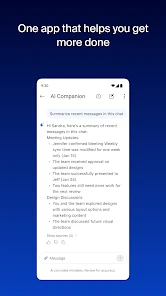
Zoom Workplace’s store summary highlights working with AI Companion, which signals that AI is part of its workplace offering. This may be relevant if you are exploring ways to support work activities with AI. The usefulness of those tools will depend on your needs and the features available to your account, so consider how AI fits into your workflow before deciding whether the app is right for you.
Is Zoom Workplace free to download, and are there optional purchases?
Zoom Workplace is free to download, so you can install the app without paying upfront. In-app purchases are also available, with listed items ranging from $16.99 to $159.99. If you are considering it for work, check which features your organization needs and whether your account or workplace plan covers them before relying on particular tools.
Pros
- High-quality video conferencing.
- Seamless integration with calendars.
- User-friendly interface.
- Wide range of collaboration tools.
- Efficient screen sharing feature.
Cons
- Security concerns over data privacy.
- Occasional connectivity issues.
- Limited features in free version.
- Requires stable internet connection.
- Complex setup for beginners.
- Category
- Business
- Version
- Varies with device