Ovulation Calendar & Fertility
- 1.14K
- 4.8
- Installs
- 5.00M
- Price
- Free

Screenshots
Analysis by Reviewed
Using a fertility tracker on a shared phone can make an already personal routine feel more complicated. I’d treat Ovulation Calendar & Fertility as a private record rather than a household calendar: it can help one person notice cycle patterns, but it shouldn’t be assumed to coordinate several people’s information or replace a conversation with a partner.
A personal routine on a shared device
If you share a phone or tablet, decide who will enter cycle dates and symptoms before you begin. A record is only useful if it belongs to the person whose body it describes, and another household member’s accidental entries could make later predictions less meaningful. I’d avoid passing the device around to log information and would check the device’s own access settings if privacy matters.
A realistic use might be checking the calendar privately in the morning, then choosing what, if anything, to share with a partner when discussing plans. That keeps the app useful for personal awareness without turning predicted fertile days into a household schedule or treating them as a guarantee.
Set expectations before relying on predictions
Cycle estimates depend on the dates and details entered, so regular logging is more valuable than trying to fill in everything at once. If you miss a day, I’d record what I remember rather than guessing at symptoms. The practical trade-off is simple: more consistent notes can make the calendar more informative, but they also require a little ongoing attention.
I’d also use predictions as planning prompts, not as a diagnosis or a promise about conception. If cycles are irregular, or if a health concern needs an answer, a tracking app is not a substitute for professional medical advice. Someone who wants a clinically guided plan may be better served by speaking with a healthcare professional and using an app only as a supporting record.
Getting Started with Ease
First off, downloading and setting up the Ovulation Calendar & Fertility app was a breeze. Available on both Android and iOS, it’s just a quick visit to your app store, and you're ready to go. Upon opening the app, it greets you with a clean and intuitive interface. You don't need to be tech-savvy to navigate through it, which is a huge plus in my book.
Features That Stand Out
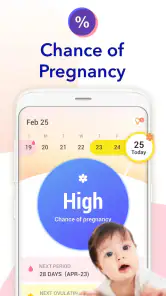
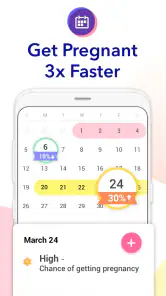
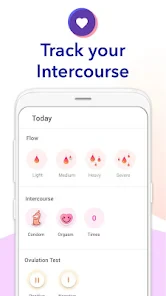
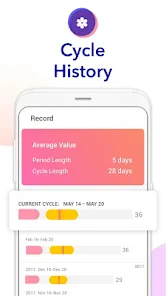
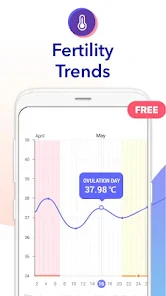
One of the app's standout features is its detailed tracking system. You can log everything from your menstrual cycle dates to physical symptoms and moods. The app then uses this data to predict future cycles and fertile windows. It's like having your personal fertility predictor, and it's pretty accurate too!
More From Our News Desk

Clash of Clans Is Won Between the Battles

Android Auto Makes the Case for Quieter Car Software

MobiOffice: Transforming Mobile Productivity with Seamless Integration

EA SPORTS FC™ Mobile Soccer: Redefining Mobile Sports Gaming

How Microsoft OneDrive Became a Mobile Productivity Giant

How Google Translate Breaks Language Barriers Effortlessly
Another feature that I found particularly handy is the health tips section. The app offers personalized advice based on your logs, helping you understand your body better and suggesting lifestyle changes to improve your fertility health.
One useful habit is to keep entries focused on what you can actually recall: dates first, then symptoms or moods that feel relevant. That makes the record easier to maintain than treating every day like a detailed diary. When reviewing a predicted window, I’d compare it with my own notes over time rather than judging the app on a single cycle.
User Experience
The app’s design is simple yet effective. It’s easy on the eyes with soft colors and a layout that makes sense. I particularly appreciate the notifications feature, which reminds you to log data or informs you about upcoming fertile days. It's like having a little nudge to keep you on track without being overbearing.
Moreover, the community support feature is a hidden gem. Connecting with others who are on the same journey can be incredibly reassuring, and the app provides a safe space for this interaction.
Coordination, privacy, and age context
For couples, the most sensible workflow is for the person tracking their cycle to keep the record and share relevant dates or observations directly when they want to. That avoids assuming the app offers partner access or shared profiles. If both people want to stay involved, a conversation or a separately agreed calendar reminder may be more straightforward than sharing one account or device.
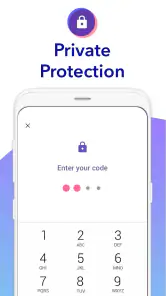
This is reproductive-health information, so I’d be thoughtful about who can open the device and see the app. The content rating is Everyone, but that describes the app’s rating, not whether every child is ready to interpret fertility information. I would keep use age-appropriate and explain the purpose plainly if a young person happens to see it.
Compared with marking dates in a paper calendar, this app brings cycle entries, symptoms, and predictions together in one place, which can be easier to review. A basic calendar may suit someone who wants only a discreet date reminder and no fertility guidance. Conversely, someone who needs detailed clinical monitoring should not rely on a general tracker alone.
Why You Should Try It
If you're looking to understand your cycle better or planning to conceive, this app is a fantastic tool to have. It's comprehensive, user-friendly, and packed with features that can genuinely help you along your journey. Plus, it’s free to use, which is always a bonus!
Developed by Leap Fitness Group, this free parenting app has an average rating of 4.8 from around 51,000 ratings and has been installed over 5 million times. It is rated Everyone, runs on Android 6.0 or later, and its current version is 1.038.GP. Those details make it easy to assess basic compatibility, though the deciding question is whether you want a hands-on log and reminders or a simpler way to mark dates.
For a household, I’d recommend it when one person wants a convenient private tracker and is comfortable entering information regularly. I’d skip it if the main goal is shared account coordination, if reminders would feel intrusive, or if you need medical certainty from predictions. The best results come from treating the calendar as a helpful record, checking patterns with patience, and sharing only what feels useful.
In conclusion, the Ovulation Calendar & Fertility app is not just about tracking dates. It’s about empowering you with information and support to make informed decisions about your reproductive health. Whether you're a tech newbie or a seasoned app user, this app is worth exploring. So why not give it a try and see how it can make a difference in your daily routine?
Ovulation Calendar & Fertility Frequently Asked Questions
Is Ovulation Calendar & Fertility free to download?
Yes. Ovulation Calendar & Fertility is a free app in the Parenting category, developed by Leap Fitness Group. It has a 4.8 average rating from over 51,000 ratings, and more than 5 million installs. Its Everyone age rating means it is intended for a broad audience, though its fertility and cycle-tracking tools are designed for people who want to follow reproductive health information.
Is Ovulation Calendar & Fertility suitable for beginners?
The app is intended to help users follow menstrual cycles, ovulation periods, and fertility windows, so it may be approachable for someone starting to track these details. You will need to enter cycle information for its estimates to be useful. Keep in mind that predictions are estimates, not medical conclusions, and speak with a healthcare professional if you need personal guidance.
What is the primary purpose of the Ovulation Calendar & Fertility app?
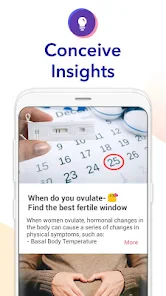
The Ovulation Calendar & Fertility app is designed to help women track their menstrual cycles, ovulation periods, and fertility windows. It provides personalized insights into fertile days, helping users increase their chances of conception or better manage birth control. The app also offers health tips, reminders, and educational content about reproductive health.
How accurate is the ovulation prediction provided by the app?
The app uses advanced algorithms and user-inputted data to predict ovulation periods. While it can provide accurate estimates based on the information provided, it is important to note that factors like stress, illness, or irregular cycles can affect predictions. Users are advised to use the app as a guideline and consult with healthcare professionals for personal medical advice.
Can I use the app to track irregular menstrual cycles?
Yes, the Ovulation Calendar & Fertility app is equipped to handle irregular menstrual cycles. Users can input their cycle data, and the app will adjust its predictions accordingly. However, for those with highly irregular cycles, the app's predictions may vary, and it's recommended to seek medical advice for precise tracking and reproductive health management.
Pros
- User-friendly interface
- Comprehensive health tracking
- Custom reminders
- Integrates with wearable devices
- Accurate predictions
Cons
- Ads can be intrusive
- Limited features in free version
- Data privacy concerns
- Occasional sync issues
- Requires internet connection

- Category
- Parenting
- Version
- 1.038.GP