Pregnancy Tracker: amma
- 1.98K
- 4.6
- Installs
- 10.00M
- Price
- Free

Screenshots





Analysis by Reviewed
I see Pregnancy Tracker: amma as a reassuring companion for the long stretch between finding out you’re pregnant and getting ready to meet your baby. Its strength is the steady week-by-week structure: instead of asking you to search for every small question, it gives you a place to follow pregnancy and return to useful context. I’d recommend it as a guide and organizer, not as a substitute for care from a medical professional.
A calendar that helps make each week feel concrete
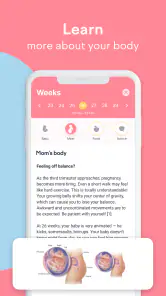
The app is free to download, is rated for everyone, and comes from PERIOD TRACKER & PREGNANCY AND BABY CALENDAR. It has a 4.6 average from around 426,000 ratings and over 10 million installs, which suggests it has reached a large audience of people looking for pregnancy guidance. The key idea is simple: follow the pregnancy week by week, with information about fetal development and changes in the parent’s body.
That format is more useful than it might sound. When a week feels uneventful, a short overview can give you a reason to pause and notice what may be changing. When something feels unfamiliar, having relevant explanations gathered in one place can be easier than opening several general search results. I especially like this kind of calendar for keeping conversations with a partner grounded: you can look at the same week’s material together and talk about what you want to ask at an appointment.
How I’d use it in an ordinary week
Imagine checking the app over breakfast before a routine appointment. You can read the current week’s notes, jot down questions you want to raise, and use its advice as a prompt for a conversation rather than treating it as a personal diagnosis. Later, if a friend asks how things are going, the weekly overview may help you explain what you’ve been reading about without having to remember every detail.
A small but useful habit is to save questions as they occur to you, even if you do not have time to investigate them immediately. Pregnancy information can quickly become a rabbit hole, so I’d use the app’s week-by-week structure as a boundary: start with what is relevant now, then bring health concerns to a qualified clinician. General guidance about nutrition, exercise, symptoms, or birth preparation can be a helpful starting point, but individual circumstances matter.
What is Pregnancy Tracker: amma?
Pregnancy Tracker: amma is a comprehensive app aimed at guiding expecting parents through the thrilling journey of pregnancy. From the first trimester to the moment you're ready to meet your little one, this app has it all structured in a simple, user-friendly way. With weekly updates, it helps you understand what's happening inside your belly, providing insights into both fetal development and changes in your own body.
Features that Stand Out
One of the best parts about this app is the detailed week-by-week pregnancy calendar. Each week, you get to see how your baby is growing with visual representations and detailed descriptions. It's like having a mini ultrasound right on your phone! Plus, the app doesn’t just stop at baby development. It also gives tailored advice on nutrition, exercise, and birthing tips, making it a holistic guide for any soon-to-be parent.
More From Our News Desk

Clash of Clans Is Won Between the Battles

Android Auto Makes the Case for Quieter Car Software

MobiOffice: Transforming Mobile Productivity with Seamless Integration

EA SPORTS FC™ Mobile Soccer: Redefining Mobile Sports Gaming

How Microsoft OneDrive Became a Mobile Productivity Giant

How Google Translate Breaks Language Barriers Effortlessly
Another feature worth mentioning is the community support. The app houses a vibrant community where expecting parents can share their journeys, ask questions, and offer support. It's a comforting space where you realize you're not alone in this journey and can connect with others going through the same experiences.
Why I Loved It
What I personally appreciate about this app is its simplicity and the way it makes complex information digestible. The app manages to strike a balance between being informative and not overwhelming. I found myself frequently checking in, not just for updates on my baby’s growth, but also for the little tidbits of advice on managing pregnancy symptoms and preparing for what's to come. There's something delightful about being able to track your baby's journey and feeling more connected to the process.
Making the information work for you
The most useful way I’d approach the weekly material is to turn it into a short, repeatable routine instead of treating it like a course to complete. Read the current update when you have a calm moment, note anything that genuinely applies to you, and leave the rest. A description of a common change is context, not a prediction that you must experience that change on schedule.
This distinction matters because pregnancy is not a tidy sequence of identical weeks. If your body feels different from the description, the mismatch alone does not tell you whether anything is wrong. The app can help you put a question into words, but symptoms that concern you deserve a conversation with a clinician rather than a comparison with an illustration or another person’s post.
Choosing it over other pregnancy resources
Compared with relying on general web searches, a dedicated pregnancy calendar can make it easier to find material that matches the stage you’re currently in. That said, someone who prefers a single, clinician-led source or wants to avoid community discussions may be better served by a trusted medical resource or a simpler tracker. Community can provide company and practical perspective, but personal stories should not be mistaken for medical advice.
There is also a balance between useful detail and too much input. Weekly reading can be comforting, but checking every update or comparing your experience with other people’s can create unnecessary worry. I’d treat the calendar as an optional guide, not a checklist of milestones that every pregnancy must match. If you find yourself feeling pressured by notifications or discussions, taking a break from those parts is a sensible way to keep the app helpful.
Using peer support without letting it take over
Community is most useful when you go in with a particular need: reassurance that a worry is common, a chance to hear how another person handled an everyday adjustment, or simply the feeling that someone else understands the strange mix of anticipation and uncertainty. I would browse with a clear boundary, though. A personal account can be comforting, but it cannot determine what is happening in your own pregnancy, and a dramatic story is not a useful measure of what is likely to happen to you.
If you prefer privacy, or you know that reading other people’s experiences tends to heighten your anxiety, you can still get value from the calendar and its practical guidance without making community participation the center of your routine. That flexibility is important: a social feature is an option, not a reason to force yourself into conversations that leave you feeling worse.
Who will get the most from it
I think the app is best for someone who likes a gentle routine, wants pregnancy information organized by week, and values the feeling of sharing the experience with other expectant parents. It can also help a partner or support person follow along and find topics to discuss together. The developer’s name reflects a broader reproductive and baby-tracking focus, while this app’s appeal is its pregnancy-centered guidance.
It may be less suitable for someone who already has a preferred, clinician-led source and wants no extra reading, or for anyone who finds milestone comparisons stressful. It is also not the strongest choice if your main need is a medical record, appointment management, or individualized answers; I would look for a tool designed specifically around those needs and continue relying on professional care for health decisions.
Small practical trade-offs before you settle in
One helpful approach is to use the week number as a filing system for questions rather than as a scorecard. Before a visit, skim the current material and pick just one or two points to discuss. That keeps the app from turning preparation into a long list of imagined problems, and it makes the information easier to bring into a real conversation with your care team.
Another trade-off is that a steady stream of pregnancy content can feel supportive at first and repetitive later, particularly if you prefer to learn only when a question comes up. You do not need to open the app every day to make its calendar useful. A weekly check-in may be enough, and skipping material that does not help is a sensible way to keep the experience personal rather than letting the app set the pace.
The app is free to start, with in-app purchases from $0.49 to $139.99 per item, so I’d check the details of any purchase before confirming it and decide whether the features you already use meet your needs. Its everyone rating makes it broadly accessible, but that should not be confused with medical review or individualized advice. It was released on May 25, 2015, and version 3.74.0.3 requires Android 8.0 or later.
Final Thoughts
In the end, Pregnancy Tracker: amma does a fantastic job of being both an educational tool and a support system. Whether you're a first-time parent or someone who's been down this road before, the app offers valuable insights and a sense of community. It's like having a pocket-sized pregnancy bible that grows with you week by week. Highly recommend it for anyone looking to enhance their pregnancy journey with a bit of tech-savvy guidance.
My recommendation comes with one qualification: use it to feel informed and connected, not to judge whether your pregnancy is progressing “normally” based on a calendar or someone else’s story. For a free starting point with week-by-week material and peer support, it is an appealing option; for medical decisions or a highly controlled, clinical experience, I’d choose a different resource alongside it.
Pregnancy Tracker: amma Frequently Asked Questions
Can I use Pregnancy Tracker: amma to estimate my due date?
Yes. Pregnancy Tracker: amma includes a due date calculator, alongside week-by-week pregnancy tracking and baby information. These tools can help you follow your pregnancy timeline and understand what to expect as it progresses. Treat an estimated date as a planning aid rather than a medical determination, and ask your healthcare professional about dating your pregnancy or any concerns about its progress.
Who makes Pregnancy Tracker: amma, and how established is it?
The app is developed by PERIOD TRACKER & PREGNANCY AND BABY CALENDAR and has been available since 2015. It has more than ten million installs and an average rating of 4.6 from around 426,000 ratings, suggesting that many people have tried it. Ratings can offer a useful sense of users’ experiences, but your own needs and preferences are the best guide.
Is Pregnancy Tracker: amma suitable for someone who is new to pregnancy-tracking apps?
Pregnancy Tracker: amma is a parenting app designed around following a pregnancy week by week, with a due date calculator and baby-tracking information. Its straightforward focus can make it a useful starting point for someone who wants pregnancy-related updates and practical tools in one place. It is rated for Everyone, though personal health decisions should still be discussed with a qualified healthcare professional.
What features does Pregnancy Tracker: amma offer?
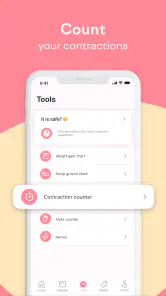
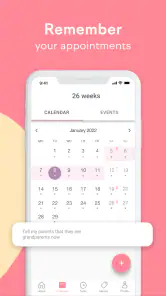
Pregnancy Tracker: amma provides a comprehensive suite of tools for expecting mothers, including a daily and weekly pregnancy tracker, baby development information, kick counter, contraction timer, and personalized health insights. The app also offers expert articles on pregnancy-related topics, a community forum for connecting with other parents, and reminders for important appointments and milestones.
Is Pregnancy Tracker: amma free to use?
Yes, Pregnancy Tracker: amma is free to download and offers many features at no cost. However, it may also offer in-app purchases or premium features that provide additional content or functionality. Users can choose to access these optional enhancements for a fee, which helps support the continued development and maintenance of the app. Optional purchases range from around fifty cents to nearly one hundred and forty dollars per item, so check the purchase details before confirming.
Pros
- User-friendly interface
- Comprehensive pregnancy insights
- Syncs with health devices
- Daily tips and advice
- Personalized content
Cons
- Ads in free version
- Limited features offline
- Occasional sync issues
- Requires account sign-up
- In-app purchase for premium

- Category
- Parenting
- Version
- 3.74.0.3