شرطة الأطفال - مكالمة وهمية
- 862.00
- 4.2
- Installs
- 50.00M
- Price
- Free

Screenshots


Analysis by Reviewed
Oh, the magic of smartphones! Today, I'm diving into a rather intriguing app called شرطة الأطفال - مكالمة وهمية, which translates to "Children's Police - Fake Call". This app is all about creating a delightful yet effective way for parents to manage their little ones' behavior. Let me walk you through my experience with this app.
What the free access means for a parent
One practical point is easy to settle before deciding whether to try it: the app is free. That makes it possible to consider it without weighing a purchase against other parenting tools. I would still judge its value by whether the pretend-call approach fits your family, rather than treating free access as a reason to use it automatically.
Its place in the parenting category is quite specific. This is not a broad family organizer or a guide to child development; the idea is to use a simulated call as one small prompt in a difficult moment. Oub Apps is the developer, and the app has a 4.2 average from around 160,000 ratings, with more than 50 million installs. Those figures suggest that many people have tried it, but they cannot tell me whether a particular child will respond well to the premise.
The app is rated Everyone, and its current version is 2.1.8, with Android 5.0 as the minimum operating system. Those details help establish basic compatibility, while the more important question is how you use the call. I would treat it as a short-lived aid, not as proof that a child has learned a rule or understands why it matters.
What the pretend call can and cannot do
A simulated authority figure may interrupt a familiar standoff, especially when a child is caught up in refusing a simple request. But an interruption is not the same as cooperation. If the call gets a child to pause, I would use that brief opening to state the real expectation calmly and then follow through myself. Otherwise, the app risks becoming the only thing the child listens to, which is not a useful long-term pattern.
That distinction matters most when the behavior has an underlying cause. A child who is tired, hungry, overwhelmed, or confused may need help or a clear choice more than a surprise call. I would not use the app to pressure a child through distress, and I would avoid presenting police as a threat. The point should be a playful nudge, with the parent still responsible for explaining and setting limits.
What Exactly is شرطة الأطفال - مكالمة وهمية?
This app is a clever tool designed for parents who wish to steer their kids towards good behavior using a playful approach. The idea here is to simulate a call from the "Children's Police" to gently coax kids into behaving well. I know, it sounds a bit cheeky, but stick with me!
More From Our News Desk

Clash of Clans Is Won Between the Battles

Android Auto Makes the Case for Quieter Car Software

MobiOffice: Transforming Mobile Productivity with Seamless Integration

EA SPORTS FC™ Mobile Soccer: Redefining Mobile Sports Gaming

How Microsoft OneDrive Became a Mobile Productivity Giant

How Google Translate Breaks Language Barriers Effortlessly
Interface & User Experience
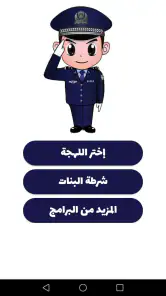
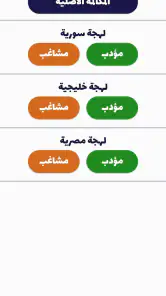
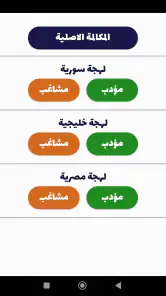
First things first, the app interface is as straightforward as it gets. The creators have kept it simple, which is exactly what you need in an app like this. It's designed to be user-friendly so that anyone can navigate it without a hitch. I found the process of setting up a fake call pretty intuitive. You can customize the call settings, choosing the name and photo of the "officer" calling, which adds a nice personal touch.
Features that Stand Out
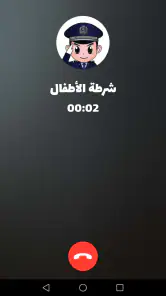
The app’s standout feature is undoubtedly the fake call function. You can schedule calls or trigger them instantly, which is particularly handy when you need a quick behavioral intervention. What really caught my attention was the variety of voice messages you can choose from, each tailored to different scenarios—whether it's about cleaning up toys or eating veggies!
Additionally, there's an educational angle to the app. It subtly introduces children to the concept of police in a positive light, portraying them as friends who help maintain order and kindness, rather than figures to be feared.
A more thoughtful way to use a scheduled prompt
The scheduling option is most useful when it supports a plan that the parent has already explained, rather than when it appears to arrive as an unpredictable threat. For instance, if a child is putting off tidying up, I would first give a straightforward reminder and a reasonable chance to respond. If a playful call is part of the family’s approach, it should follow as a light cue, not replace that first conversation or turn a routine task into a test of obedience.
There is also a difference between an instant call and a planned one. An instant prompt may suit a brief, low-stakes moment when everyone is calm enough to laugh about it. A scheduled prompt can be easier to fit around a predictable transition, but it can also feel manipulative if the child is led to believe that a real officer is monitoring them. I would keep the pretend nature clear and avoid making promises about what the police will do.
One useful habit is to decide the goal before opening the app. “Put the toys in the basket” is concrete; “be good” is not. After the prompt, I would acknowledge the specific action the child took and move on, rather than replaying the call or using it to shame them. This keeps the tool attached to a manageable request instead of making it a general symbol of punishment.
Effectiveness & Practicality
Now, let's talk about how well this app actually works. From my observations, the app can be quite effective. The element of surprise and the authority that comes with the idea of a "police call" can make kids think twice before misbehaving. It's like having a secret parenting weapon in your pocket! However, it's crucial to use this tool wisely—no one wants to create unnecessary fear around police. It's all about balance and ensuring that children understand the playful nature of this interaction.
Everyday situations where the approach may fit
Imagine a parent trying to leave the house while a young child is still resisting the simple routine of putting on shoes. If the child is relaxed and already understands that the call is pretend, a short, playful interruption might redirect attention long enough for the parent to offer two choices: put on the shoes now or carry them to the door and put them on there. The useful part is not the fictional authority; it is the pause that lets the adult return to a clear, ordinary instruction.
For a different example, a parent may be struggling to get a child to stop a game and come to the table. A call could break the loop, but it cannot make the transition fair by itself. I would give a warning and explain what happens next before using any playful prompt. If the child is already upset, I would skip the app and focus on helping them shift gears. This is a poor fit for a moment when calm reassurance is what the child needs.
In either case, I would keep the request small and observable. Asking for one action makes it easier to notice progress and respond warmly. A pretend call is less likely to help with a complicated problem such as repeated conflict between siblings, ongoing anxiety, or a rule the child does not understand. Those situations call for conversation, consistent boundaries, and sometimes advice from a trusted professional rather than a quick interruption on a phone.
How it compares with familiar parenting alternatives
Compared with a verbal reminder, a simulated call may feel novel and therefore attract attention, but it adds a layer of make-believe that some families will not want. A direct reminder is more transparent and gives a child a clearer model of how a parent handles limits. I would start there for ordinary requests, especially once the novelty of the app has worn off.
Compared with a reward chart or a routine checklist, this app is more immediate and less suited to tracking repeated behavior over time. A chart can make expectations visible and recognize effort across the week; the pretend-call approach is better understood as a brief prompt in the moment. Neither method is automatically better. For a child who likes predictable visual routines, a checklist may be more respectful and effective than a surprise call.
It also differs from simply pretending to receive a call without an app. The app gives the parent a prepared format, but that format is only valuable if it helps the family communicate more calmly. If you can make the same point with a playful voice and a clear choice, there may be no need to reach for a phone. I would choose the least theatrical option that works for the child in front of me.
Limits, trust, and when I would skip it
The central trade-off is that a call framed around police can get attention while also making authority and discipline feel connected to fear. A child who is sensitive to uniforms, emergency services, or the idea of being in trouble may not find it funny. If you notice worry, repeated questions about whether the police are coming, or reluctance to trust what you say, I would stop using the pretend scenario and explain plainly that the call was not real.
Another limitation is that novelty is not a dependable parenting strategy. A child may react strongly at first and later ignore the same cue, or may ask for the call as part of the routine. I would not keep escalating the performance to regain compliance. When a prompt stops helping, that is a good reason to return to direct communication, choices, and consistent consequences that make sense for the behavior.
Families who want a calm, evidence-focused parenting resource, a behavior tracker, or practical advice for persistent difficulties should look elsewhere for those needs. This app is not a substitute for those tools. It is also not the right choice if a parent is hoping to make a child afraid enough to obey. That may produce a quick reaction, but it can undermine trust and teach the wrong lesson about police and safety.
Final Thoughts
شرطة الأطفال - مكالمة وهمية is an innovative app that turns discipline into a game. It’s perfect for those moments when reasoning with a toddler feels like negotiating world peace. The app's simplicity and thoughtful design make it a useful tool in the parenting arsenal. Just remember, it’s a supplement—not a substitute—for actual parenting and communication. So, if you're looking to add a bit of fun to your parenting techniques, this app might just be worth a download.
My verdict is to try it only if you are comfortable with the pretend-police premise and can keep it light, transparent, and occasional. The free access removes a purchase decision, but it does not remove the need to think about your child’s temperament or your family’s approach to discipline. I would use it for a small, low-stakes reset, then follow up with my own words and attention.
If you want a structured routine, lasting behavior support, or a way to build trust through clear explanations, a checklist, reward system, or direct conversation is likely a better fit. If a playful interruption suits your child and you can make the make-believe obvious, this may be worth trying. The best result is not simply getting a child to comply once; it is using the moment to return to a calm, understandable expectation.
شرطة الأطفال - مكالمة وهمية Frequently Asked Questions
Is شرطة الأطفال - مكالمة وهمية free to download, and what should parents check before installing?
شرطة الأطفال - مكالمة وهمية is free to download. Before installing, parents can check that the device meets the app’s Android compatibility requirement and decide whether a pretend call from the children’s police fits the way they prefer to handle behavior. The app is intended as a playful parenting aid, so it works best when an adult chooses how and when to introduce it.
Who develops شرطة الأطفال - مكالمة وهمية, and what kind of app is it?
شرطة الأطفال - مكالمة وهمية is a Parenting app developed by Oub Apps. It is built around a simulated call from the children’s police, giving adults a playful way to engage with children about behavior. Its purpose is not to replace a parent’s guidance; an adult can introduce the call, explain the pretend-play idea, and decide whether it suits the child.
Who is شرطة الأطفال - مكالمة وهمية intended for: parents, children, or both?
شرطة الأطفال - مكالمة وهمية is a Parenting app intended mainly for adults to use with children. Its central idea is a pretend call from the children's police, which a parent can use as part of a conversation about behavior. Children may listen and respond, but parents should guide the interaction and decide whether this playful approach suits their family.
What is شرطة الأطفال - مكالمة وهمية and how does it work?
شرطة الأطفال - مكالمة وهمية is a playful application designed for parents to use as a behavioral tool for children. The app simulates a fake call from the 'Kids Police,' which parents can use to encourage good behavior or manage difficult situations. It's a fun and interactive way to engage with children and teach them about good behavior in a gentle, humorous manner.
Is شرطة الأطفال - مكالمة وهمية safe for children to use?
Yes, شرطة الأطفال - مكالمة وهمية is safe for children as it is designed specifically for parental use as a behavioral aid. It does not collect any personal data and does not contain inappropriate content. Parents can confidently use it knowing it is a secure tool for engaging with their children in a playful, educational context. As with any pretend-play approach, it is sensible for an adult to stay involved and consider how the child responds.
Pros
- Engaging interface for children.
- Easy-to-use parental controls.
- Promotes good behavior.
- Realistic call simulation.
- No internet required for usage.
Cons
- Limited language options.
- Ads can be intrusive.
- May scare some children.
- Limited free features.
- Repetitive call scenarios.
- Category
- Parenting
- Version
- 2.1.8