 About Blockudoku®: Block Puzzle Game
Blockudoku vs. the Puzzle Pack: A Quick Puzzle With a Repetitive Edge
Blockudoku is the rare mobile puzzle that can make a spare minute feel like a small strategic commitment. Its board is simple, its pieces are familiar, and yet one careless placement can leave you spending the next several turns trying to recover. Compared with Tic Tac Toe - 2 Player XO, Royal Kingdom, Royal Match, and Art Puzzle - Puzzle Games, it is the most direct choice for players who want a quick brainteaser without a story, a rival, or a long level to clear. That focus is its strength. It is also why the game can feel repetitive sooner than its flashier competitors.
One grid, several different kinds of competition
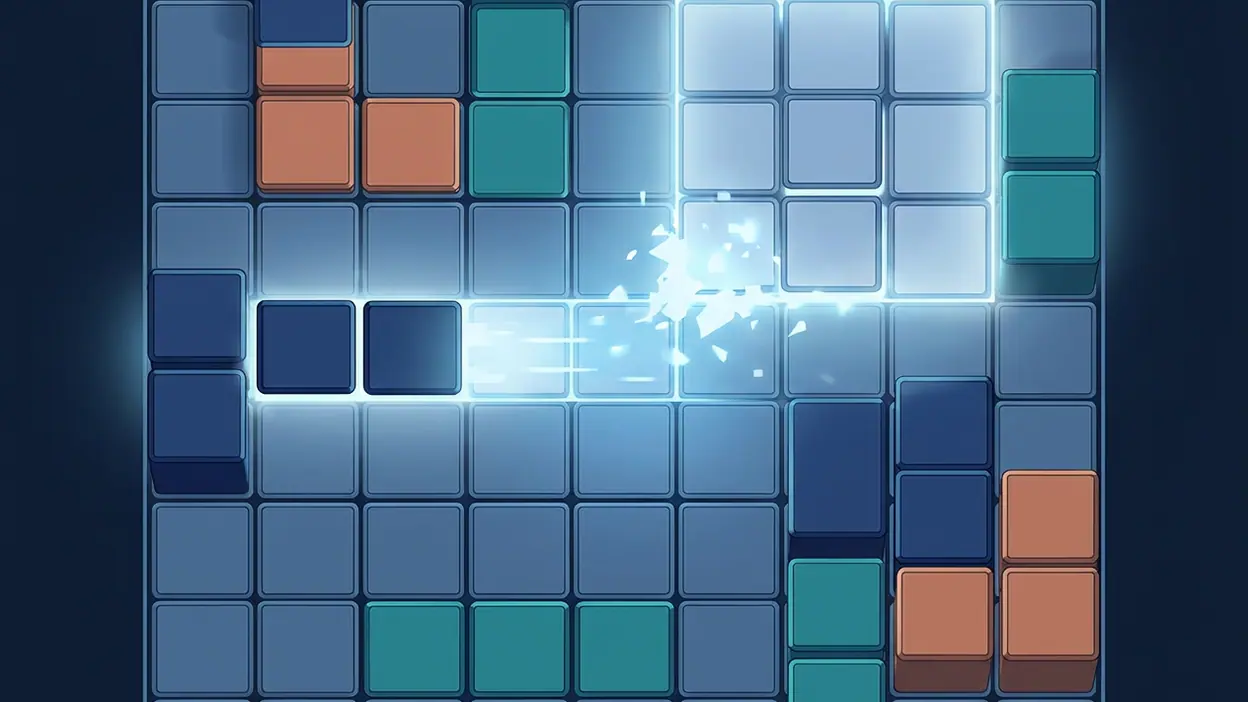
Blockudoku®: Block Puzzle Game takes the block-placement idea and gives it a square board with rows, columns, and smaller square regions to clear. You receive a set of shapes, fit them into open spaces, and remove completed lines or regions. The central puzzle is not just finding a place for the piece in front of you; it is preserving enough useful space for the pieces still to come. There is no opponent to blame and no elaborate objective to obscure the result. The board itself tells you whether your decisions are working.
That makes this a different contest from the related games, even though they all occupy the broad mobile-puzzle shelf. Tic Tac Toe - 2 Player XO is about reading another person and forcing a draw or a win in a tiny shared arena. Royal Match and Royal Kingdom package their puzzles in a much larger progression structure, with levels, goals, and a bright, reward-heavy presentation. Art Puzzle - Puzzle Games makes the act of completing an image part of the appeal. Blockudoku instead asks one enduring question: how long can you keep this board alive?
The distinction matters. If you want a puzzle with a visible finish line, Blockudoku may feel oddly unceremonious. If you like the pressure of managing limited space and improving a personal run, its open-ended format is exactly the point.


Where Blockudoku wins immediately
The first advantage is how quickly the game becomes legible. You do not need to learn a cast of characters, follow a tutorial-heavy campaign, or decipher a chain of objectives before making a meaningful move. A block arrives; you inspect the board; you decide where it belongs. The rules are plain enough for a newcomer, but the choices are not. A tempting fit can close off the long, narrow space that a later shape needs, while clearing a region can create breathing room and keep several options open.
That tension gives the game a satisfying rhythm. Early moves often feel easy, almost casual. As the board fills, every placement starts carrying a cost. You may have room for the piece you want to place but not for the awkward shape that could follow. Then a line or region clears and the board opens again. Those small reversals are the hook: progress is made in bursts, and a good run feels earned rather than handed out by a scripted level.
Blockudoku also wins on attention. Royal Match and Royal Kingdom have more room for spectacle and progression, but their surrounding structure asks you to care about more than the immediate puzzle. Here, the grid stays the subject. Art Puzzle gives completion a softer, more decorative payoff; Blockudoku gives it the clean pleasure of an obstruction disappearing. For a player who wants a compact exercise in planning, that restraint is useful, not austere.
Latest News



The best reason to choose Blockudoku is that every move has a visible spatial consequence. It rewards looking ahead without demanding a long session or a complicated rulebook. That makes it easy to return to during a break, on a commute, or whenever you want a game that occupies your hands and gives your attention something concrete to do.
Where the rivals remain stronger
Blockudoku's narrow focus is not a substitute for every kind of puzzle entertainment. Tic Tac Toe - 2 Player XO is the better pick if the point is playing with someone else. Its appeal comes from the conversation between two players: reading a choice, setting a trap, and reacting to a changing opponent. Blockudoku is solitary even when the board is tense. A high score can be satisfying, but it does not create the social friction of a close match.
Royal Match and Royal Kingdom are stronger choices for people who want a steady stream of goals and a sense of forward movement. Their level-based format makes it clear what success looks like and gives each win a place in a larger sequence. Blockudoku's runs can end without a narrative payoff beyond the score and the knowledge that the board finally ran out of room. Players who rely on fresh objectives to keep a game interesting may find that distinction decisive.
Art Puzzle - Puzzle Games has a different advantage: its visual completion gives each solved puzzle a finished, collected quality. Blockudoku's board resets as a run develops and then ends. The satisfaction is procedural rather than picturesque. If you want a puzzle session to leave you with a pleasing image or a sense of finishing a small work, Art Puzzle is better aligned with that mood.
Presentation is another trade-off. The spare grid makes Blockudoku easy to read, but it cannot compete with the broader variety and reward framing of games built around a level campaign. That is not a flaw in the rules. It is a ceiling on how much the game can refresh its own central experience.
The daily-use difference: quick to enter, easy to exhaust
Blockudoku fits fragmented time unusually well. You can understand the state of a run at a glance, make one deliberate placement, and stop when you need to. There is no plot to remember or multi-step level objective to resume. That low-friction entry is a genuine daily-use advantage over games whose pleasures depend on advancing through a sequence of stages.
But its compactness cuts both ways. Since the same board logic returns each session, the game's variety comes mainly from the shapes you receive and the patterns you create. At first, that makes each run feel fresh: a different piece can turn a safe-looking board into a puzzle. After a while, the familiar cycle becomes easier to predict. If you have already learned to protect open space and clear lines efficiently, a new run can feel like a test of execution rather than a new discovery.
The distinction is between replayability and variety. Blockudoku has strong replayability because its changing board keeps asking for another attempt. It has less variety than a game that introduces new level goals, visual themes, or puzzle twists. The game is likely to stick with players who enjoy refining a method; it is less persuasive for those who want each visit to bring a different kind of challenge.
Speed, clarity, and the cost of a mistake
In practical use, Blockudoku's rules make it fast to start and easy to read. Its interface keeps the central decision in view: where to place the shapes and which clear will preserve the board. That is a cleaner mental load than juggling a campaign's map, objectives, and rewards. It also makes the game a good fit for brief sessions when you want to begin playing immediately rather than work through a setup routine.
The pace, however, is not the same as urgency. There is no opponent forcing a quick response, so the game gives you room to consider a move. That suits thoughtful play, but it means the excitement has to come from your own sense of risk. A poor placement is not just a missed opportunity; it can leave a stubborn gap or block off the space needed for a future piece. The punishment arrives gradually, as the board tightens, rather than through a dramatic fail state.
That gentler pressure makes Blockudoku approachable, though it can also soften the drama. Tic Tac Toe - 2 Player XO can make a single move feel immediate because another person is waiting. Campaign games can frame a failed attempt as one obstacle in a larger journey. Blockudoku's pressure is private and cumulative. It works best when you enjoy monitoring your own decisions and noticing, move by move, how a board becomes difficult to rescue.
Who should choose what
Choose Blockudoku if you want an uncluttered, solo puzzle built around spatial judgment, short sessions, and the satisfaction of extending a run. It suits players who like to plan several moves ahead but still want rules that fit in a sentence. It is especially easy to recommend to someone who enjoys block puzzles and does not need a narrative wrapper to make a score worth chasing.
Choose Tic Tac Toe - 2 Player XO when social play is the point and you want a contest that starts instantly. Choose Royal Match or Royal Kingdom if you prefer a progression-driven puzzle game with clear stage goals and a fuller sense of advancement. Choose Art Puzzle - Puzzle Games if completing a visual composition is more appealing than keeping an abstract board alive. None of these choices is a universal upgrade; they satisfy different reasons for opening a puzzle game.
One surprising advantage of Blockudoku is that its lack of a larger campaign can make it easier to put down. A run has a natural arc, and the board eventually settles the question. There is no chain of stages demanding just one more win before you stop. The corresponding weakness is that a player who does stop often returns to essentially the same central challenge. Convenience and repetition are built into the same design.
The verdict
Blockudoku®: Block Puzzle Game is the best-value choice in this group for players who measure value by how quickly a game gives them a thoughtful, repeatable challenge. Its grid is clear, its decisions carry weight, and its short-session rhythm is more dependable than the broader, more involved formats around it. It does not have Tic Tac Toe's head-to-head tension, the campaign pull of Royal Match and Royal Kingdom, or Art Puzzle's visual sense of completion. It does not need to. Its appeal is more disciplined: keep the board open, make the next shape fit, and see how far careful play can take you.
My recommendation is direct: download Blockudoku if you want a focused solo puzzle that is easy to enter and rewarding to master. Skip it if you need a changing set of goals, a social opponent, or a strong visual payoff. Among these options, it is the cleanest choice for a spare-minute strategy habit, but not the richest choice for someone seeking a broader puzzle journey.