Stop Motion Studio
- 9.94K
- 4.1
- Installs
- 10.00M
- Price
- Free

Screenshots
Analysis by Reviewed
I like stop-motion apps most when they make the camera part of the creative process, rather than asking me to capture a pile of pictures and sort them out later. That frame-by-frame approach is what makes Stop Motion Studio useful: I can build a short scene in small, deliberate movements and check how those choices play together as I go. It is a photography app from Cateater, but the appeal is really the way it turns still images into a hands-on animation project.
That makes it a different choice from a regular camera app, where the goal is usually one sharp picture, and from a general video editor, where the footage is already moving. Here, I decide what changes between frames. The process takes patience, but it also makes tiny ideas workable: a paper shape can cross a desk, a toy can appear to walk, or a stack of blocks can build itself one piece at a time.
Why the previous-frame overlay matters
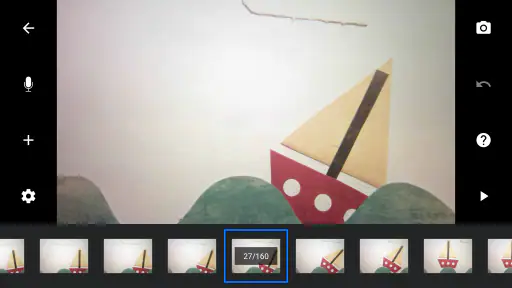
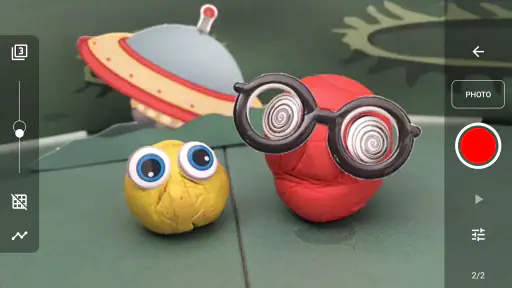
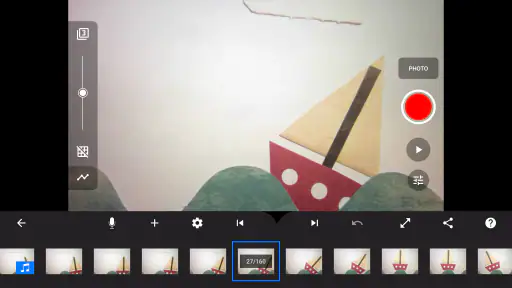
The most useful detail is the overlay of the previous frame. When I move a character or object, I can compare its new position with the last capture instead of relying on memory. That small visual reference helps avoid accidental jumps and makes it easier to keep a character’s path consistent. I would use it even for a simple animation; it is especially valuable when a scene has several objects or a movement that needs to look gradual.
A practical tip is to settle the camera and lighting before making the first frame. Since the animation is assembled from individual shots, a bumped phone or a noticeable change in light can make the scene feel uneven. I also find it sensible to test a few frames before committing to a long sequence. A short test can reveal whether the object moves too far each time, or whether the chosen framing leaves enough room for the action.
Plan motion before you start shooting
The overlay is most helpful when I give it a clear job. Before capturing, I decide where the object should begin and end, then think through a few intermediate positions. I do not need a complicated storyboard; a quick sketch or a note about the direction of travel is enough to keep me from improvising every movement. That preparation matters because the previous image shows where the object was, but it cannot decide where the story should go.
I also try to keep a small gap between the moving subject and the edge of the frame. An object that begins close to the border can run out of room before the action feels complete, and reframing halfway through makes the shift obvious. Leaving space around the route gives me options if the movement takes more frames than expected. This is a simple way to use the app’s frame-by-frame workflow more deliberately, rather than discovering a composition problem near the end.
Let Your Creativity Flow
Stop Motion Studio is all about unleashing your inner filmmaker. Whether you're a total newbie or have some experience under your belt, this app makes it super easy to dive into the world of stop motion animation. I mean, who hasn't wanted to bring their toys to life at some point, right?
More From Our News Desk

Weather by Xiaomi Review: Clear at a Glance, Less Clear Up Close

X Under Pressure: Can It Recover When Posting Goes Wrong?

Clash of Clans Is Won Between the Battles

Android Auto Makes the Case for Quieter Car Software

MobiOffice: Transforming Mobile Productivity with Seamless Integration

EA SPORTS FC™ Mobile Soccer: Redefining Mobile Sports Gaming
User-Friendly Interface
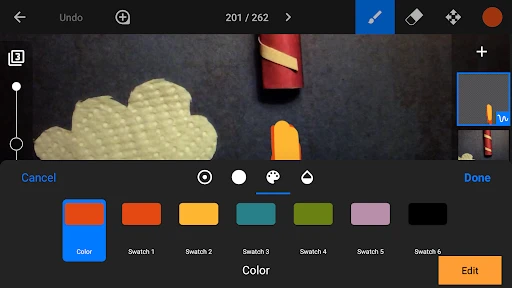
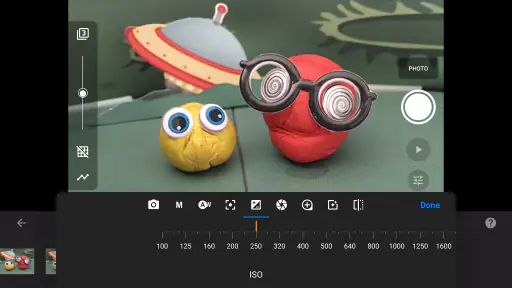
The first thing that caught my eye was how intuitive the interface is. Seriously, even if you're not tech-savvy, you'll find your way around in no time. The app provides a range of tools that are not only easy to use but also quite powerful. You can control everything from frame rate to the movie's resolution, giving you the flexibility to create professional-looking animations right from your phone.
Cool Features Galore
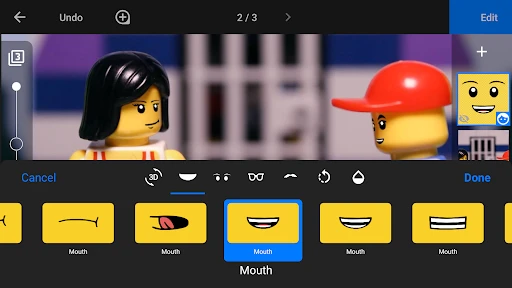
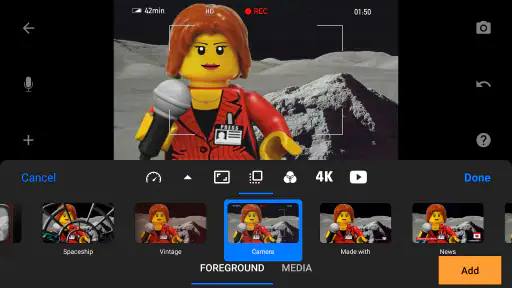
One of the standout features for me was the frame-by-frame editor. It allows you to tweak each frame individually, which is a lifesaver if you're a perfectionist like me. Plus, the app includes an overlay mode that shows you the previous frame, making it easier to keep your animations smooth and consistent. Oh, and did I mention the green screen feature? It's a game-changer for adding dynamic backgrounds to your scenes.
There is a useful distinction between correcting a frame and changing the whole plan. If one capture is slightly out of place, the frame-by-frame editor gives me a chance to refine that moment instead of accepting the mistake as part of the finished sequence. But if the camera has shifted or the light has changed across many shots, individual adjustments can become tedious. I would rather pause, fix the setup, and make a fresh test than spend time trying to disguise a problem repeated throughout a scene.
Green screen work also asks for more planning than the feature name might suggest. I would first make sure the subject is easy to distinguish from the background and keep the action simple enough to read. A busy prop or a complicated movement can pull attention away from the effect. For a first attempt, I would use the background to establish a clear place—such as a paper character moving through a drawn landscape—rather than layering effects just because they are available.
Soundtrack Your Masterpiece
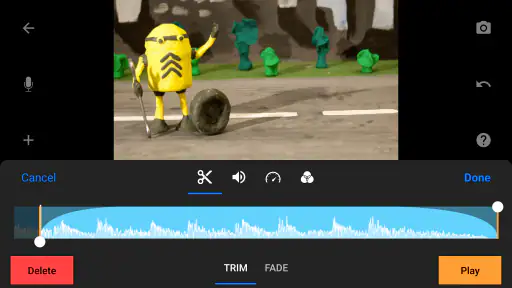
No movie is complete without an epic soundtrack, and Stop Motion Studio doesn't disappoint. You can add your own music or choose from a selection of sound effects to give your animation that extra oomph. The audio tools are as straightforward as the rest of the app, so you won't spend hours trying to figure out how to sync everything up.
For me, sound works best when it has a specific purpose. A soft tap can make a small object’s movement feel intentional, while a brief pause in the action can give a musical cue room to land. I would settle the visual timing first, then add audio to support it. That order keeps me from forcing the animation to fit a soundtrack before I know whether the movement itself is clear. It also makes a short project feel considered without requiring a complicated plot.
One practical question is whether this is a good way to make a quick clip for a friend. It can be, as long as the idea is designed for still images: a note appearing word by word, a snack assembling itself, or a toy turning to face the camera. It is not the fastest route for capturing a spontaneous joke or a moment happening in real time. The reward is the handmade look; the cost is that each small change has to be staged and captured.
For a small everyday project, I would try a desk-top story: place a figure beside a notebook, take a frame, move it a little, and repeat until it reaches a drawn destination. A child can help plan the route or move the prop while an adult watches the framing. The useful habit is to keep each movement modest and review the sequence before adding more; fixing a wobble early is easier than discovering it after a lengthy shoot.
Sharing Your Creation
Once you've put the finishing touches on your masterpiece, sharing it with the world is a breeze. The app supports various export formats and lets you upload directly to platforms like YouTube and Facebook. Trust me, there's nothing more satisfying than seeing your hard work garner likes and comments from friends and fellow animation enthusiasts.
Before sharing, I would watch the whole animation rather than judging it only by the individual frames. A movement can look tidy while I am capturing it, yet feel too fast or too slow when played back. That review is also a good moment to notice whether the beginning gives the viewer enough context and whether the ending feels intentional. Even a very short animation benefits from a clear first image and a final pose that does not seem accidental.
How it compares with camera and editing apps
Compared with a standard camera app, this is for constructing an image sequence, not getting a single photo with minimal effort. Compared with ordinary video editing, it starts with still frames that I arrange through physical movement, instead of asking me to trim or reorganize recorded footage. Those are different creative jobs, so I would not treat one as a replacement for the other. If I want a quick clip of a family moment, a camera is easier; if I want a miniature figure to cross a table in careful steps, this approach makes more sense.
It also differs from a workflow built around a desktop computer. Working on a phone makes it convenient to frame a small set right where the props are, and the live comparison with the previous frame keeps the capture process close to the action. The trade-off is that a phone-sized screen can make tiny alignment errors harder to spot, especially in a detailed scene. I would choose a simple composition when working on the device itself and save intricate staging for a setup where I can comfortably inspect every detail.
There is a trade-off behind that control: stop motion is slower than recording a video, and the setup matters. If I wanted to capture a spontaneous moment, I would reach for the ordinary camera instead. If I already had a long live-action clip and wanted to cut it down, a conventional video editor would be a better fit. This app suits projects where the frame-by-frame construction is the point, not a shortcut to filming.
Who will enjoy making animations
I would recommend it to curious beginners, families looking for a creative activity, and hobbyists who want to practice timing and visual storytelling without starting with a complex desktop workflow. Its Everyone content rating makes it approachable for a broad audience, though a younger child will likely enjoy it more with help keeping the phone steady and the set organized. It is less suitable for someone who wants instant results or has no interest in arranging objects between shots.
The best beginner projects are small enough to finish in one sitting. A single object moving along a clear path teaches more about spacing and rhythm than a crowded scene with several characters and a complicated plot. Once that basic motion feels comfortable, I would add one new challenge at a time: a second moving object, a change of position, or a sound cue. That way, if the result looks uneven, it is easier to identify what caused it.
When a different tool is the better choice
I would skip this app if my main goal were to record people talking, document an event, or polish existing video footage. A regular camera is faster for live moments, and a video editor is a more natural fit when the source material is already recorded. I would also avoid choosing it for a project that depends on rapid experimentation without a fixed setup; constantly moving the phone and props between shots works against the precision that makes stop motion appealing.
For a classroom, family afternoon, or personal craft project, the slower pace can be a benefit rather than a drawback. It gives everyone a visible way to contribute: one person can move the figure, another can watch the frame overlay, and someone else can suggest what should happen next. I would keep the set on a surface that can stay undisturbed, because having to rebuild the scene after a break is an easy way to lose continuity.
Before starting, think about the scene’s practical demands. A simple background and a stable surface reduce distractions; for a green-screen idea, plan the subject and background together so the effect supports the action rather than becoming the whole project. Sound is best considered while shaping the story: a short movement can feel more deliberate when its timing matches an effect or music cue, but adding audio cannot rescue unclear motion.
The app is free to install, with in-app purchases listed at $5.99 per item. It has a 4.1 average from around 125 thousand ratings, and has passed 10 million installs. It was released on March 9, 2015; version 25.08.8578 supports Android 7.0 and later. Those figures suggest a well-established option, but I would still judge it by whether you enjoy the slower, hands-on method rather than by popularity alone.
For someone deciding whether to try it, the practical question is not whether they have animation experience, but whether they enjoy making deliberate little adjustments. The app is free to install, so it is approachable as a starting point; the in-app purchases mean that some items may cost extra. I would begin with a small scene and see whether the capture rhythm feels satisfying before building a bigger project around it. That gives a fair sense of the process without turning the first attempt into a major commitment.
In conclusion, Stop Motion Studio is a fantastic app for anyone interested in animation. Whether you're looking to kill some time with a fun project or serious about honing your filmmaking skills, this app has got you covered. So, why not give it a try and see where your creativity takes you?
Stop Motion Studio Frequently Asked Questions
Can I use Stop Motion Studio without an internet connection?
Stop Motion Studio is built around capturing and arranging frames with your device, so making an animation is a hands-on creative activity you can do on the device. If you plan to download the app, access purchase features, or share a finished project online, those actions may involve an internet connection. For a smoother session, make sure the app is installed and your device is ready before you begin filming.
How much space and preparation should I allow for a stop-motion project?
A stop-motion video is made from many separate images, so it is worth preparing your subject, camera position, and lighting before capturing frames. A stable setup helps keep the scene consistent as you move objects between shots. Projects with many frames can also take more room on a device than a short test, so consider leaving storage available and starting with a small scene while you learn the workflow.
Is Stop Motion Studio free to download, and what might require payment?
Stop Motion Studio is free to download, so you can try the app without paying upfront. It also offers in-app purchases, listed at $5.99 per item, for users who want to unlock additional options. The free starting point makes it easier to explore stop-motion animation before deciding whether a paid feature is worthwhile for your projects.
What devices can run Stop Motion Studio?
Stop Motion Studio is available for Android and iOS devices, making it an option for people who want to create animations on a phone or tablet. On Android, it requires version 7.0 or later. Before downloading, check that your device meets the relevant system requirements and has a camera you can use to capture the individual frames that make up an animation.
Is Stop Motion Studio appropriate for children and families?
The app is rated Everyone, so it is presented as suitable for a general audience. Its straightforward approach can make it an approachable creative activity for families, including children who want to experiment with animation. As with any app that includes optional purchases, parents may want to review purchase settings on the device before letting a child use it independently.
Pros
- User-friendly interface for easy navigation.
- Offers a wide range of editing tools.
- Supports full HD video output.
- Allows frame-by-frame previewing.
- Integrates with external cameras.
Cons
- Limited free version features.
- Occasional lag on older devices.
- Watermark on free version exports.
- In-app purchases can add up.
- No cloud storage integration.
- Category
- Photography
- Version
- 25.08.8578