Dancing Road Color Balls Match
- 17.12K
- 4.6
- Installs
- 100.00M
- Price
- Free

Screenshots
Analysis by Reviewed
When I open Dancing Road: Color Ball Run! for the first time, I treat the opening run as a chance to learn how its moving route and color changes feel, not as a test I should pass immediately. The basic idea is easy to grasp, but the screen can become busy once the pace picks up. A short, focused attempt is a reassuring way to begin: pay attention to the ball and the road, notice what catches you out, then try again with one small adjustment in mind.
What the first run feels like
This is a music game built around quick visual decisions. You guide a ball along a winding track and try to match its color with the balls ahead. The soundtrack gives the action a pulse, but I would not assume that following the beat alone will steer you through a level. Watching the route and reacting to its changes are central to the experience.
That makes the first meaningful success less mysterious than it may look: stay focused on the next color decision instead of trying to take in every effect at once. If a run ends quickly, I find it more useful to identify what distracted me than to restart on autopilot. The game is free to start, so you can get a feel for this style of play before deciding whether it suits you.
Reads About Dancing Road Color Balls Match
Who will enjoy this kind of challenge
I would recommend it to someone who likes short, active sessions and enjoys combining music with reflex-based play. It works well when I have a few minutes to fill and want something that asks for my attention rather than leaving a song running in the background. A realistic moment for it is waiting for a bus: I can play one focused run, stop when I need to pay attention to my surroundings, and pick it up another time.
It is less convincing as a hands-free music companion or a game to play while walking. The changing colors and winding path need your eyes, and trying to multitask makes it harder to respond. If you want a traditional rhythm game centered on hitting a sequence of notes in time, that is a different kind of challenge and may be a better match.
Gameplay That Keeps You Hooked
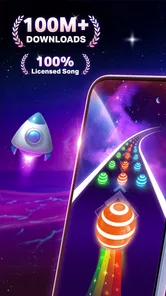
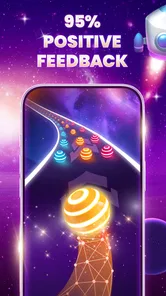
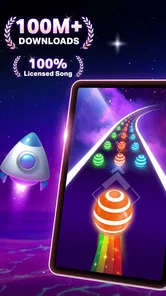
Right from the get-go, Dancing Road: Color Ball Run! had me hooked. The premise is simple yet engaging: you guide a ball along a winding road, matching it with balls of the same color while grooving to the beat of popular tracks. Sounds easy? Think again! As the speed increases and the road twists and turns, it becomes a thrilling challenge to keep up.
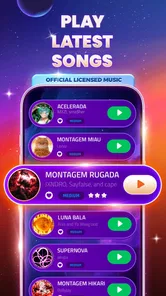
Each level is accompanied by a popular music track, which not only sets the tempo but also enhances the overall gaming experience. The synchronization between the music and the gameplay is seamless, making every tap feel like a part of the song itself. It's like being in a music video where you're the star conductor.
More From Our News Desk

Clash of Clans Is Won Between the Battles

Android Auto Makes the Case for Quieter Car Software

MobiOffice: Transforming Mobile Productivity with Seamless Integration

EA SPORTS FC™ Mobile Soccer: Redefining Mobile Sports Gaming

How Microsoft OneDrive Became a Mobile Productivity Giant

How Google Translate Breaks Language Barriers Effortlessly
Visuals and Soundtrack That Pop
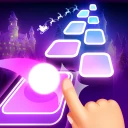
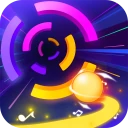
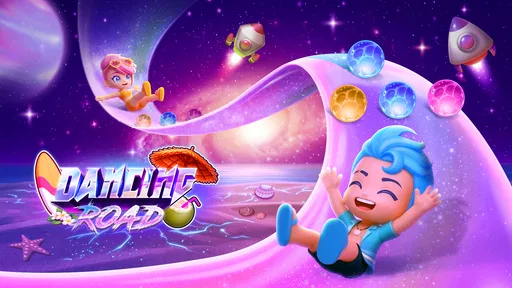
The visuals in this game are nothing short of stunning. The neon colors and dazzling effects make for a visually immersive experience. I found myself constantly amazed by the vibrant environments that seemed to dance along with the music. It's a feast for the eyes, to say the least.
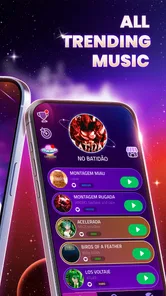
And let's not forget about the soundtrack! The game features a diverse selection of music tracks, ranging from pop hits to electronic beats, ensuring there's something for everyone. The music not only enhances the gameplay but also keeps you motivated to tackle even the toughest levels.
A Gentle First Run, Then a Better One
For a first-time player, I would treat the opening attempt as practice rather than a test of skill. Keep your attention on matching the ball’s color, and let the beat help you anticipate the pace without assuming that listening alone will be enough. When the road becomes harder to read, focus on the next decision instead of trying to track every bright effect at once. That small change in approach makes a run feel less frantic.
A useful habit is to notice what caused a mistake before immediately restarting. Was your attention pulled toward the music, or did a visual change catch you off guard? Naming the distraction gives the next attempt a purpose. This is a good fit for brief breaks when you want a clear, hands-on challenge; it is less suitable when you need a calm background game that can be played without looking at the screen.
Where It Fits Among Music Games
I see this as a color-matching reflex game with a musical pulse, rather than a traditional rhythm game built around following a sequence of notes. That distinction matters: if you want to concentrate on precise beat patterns, another kind of music game may suit you better. Here, the appeal is the combination of a moving route, changing colors, and a soundtrack that makes each run feel lively.
The same combination can also be a drawback. Bright effects and quick decisions ask for visual attention, so I would not choose it while walking, multitasking, or playing somewhere I cannot comfortably watch the screen. If you are sensitive to busy visuals, try a short session first and see whether the colors feel energizing or distracting.
Getting comfortable without overthinking it
On a new attempt, I focus on one task at a time: first the ball’s color, then the approaching part of the road. It is tempting to watch the whole screen because the effects are eye-catching, but that can scatter attention when a decision is close. Treating the music as a cue for energy, rather than a complete instruction, is a useful adjustment for anyone whose first run feels more hectic than expected.
There is also a small but important difference between a mistake caused by timing and one caused by visual overload. If I understood the color but reacted late, I try to settle into the pace; if I failed to notice a change, I deliberately look closer to the ball and the next section of track. That gives a retry a clear purpose instead of turning every run into the same guess.
What to Know Before You Settle In
Developed by AMANOTES PTE. LTD., this free music game is rated Everyone and has an average rating of 4.5 from around 760,000 ratings, with over 100 million installs. It was released on October 29, 2018, and version 2.8.2 supports Android 6.0 and up. Optional in-app purchases range from $0.99 to $49.99 per item, so the free entry point is useful, but I would check purchase prompts carefully if you are handing your phone to a child.
The age rating makes it broadly approachable, but it does not change the practical point that the game needs attention on the screen. For a younger player, I would explain that purchases are optional and keep an eye on any prompts before handing over the device. For my own first session, I would avoid treating a purchase as a shortcut to enjoyment: the main question is whether I like the color-matching challenge and its pace.
For a realistic everyday use, I would open it while waiting for a bus or taking a short break, play a focused run, then put the phone away rather than expecting a long, relaxed session. The game’s quick-response style makes that kind of gap in the day feel purposeful. If I mainly want music to listen to while doing something else, a music player is the better choice; this game works when I want the music to accompany active play.
How it compares with other ways to play with music
Compared with a note-lane rhythm game, this one puts more emphasis on steering attention across a moving path and matching colors than on reading a fixed sequence of beats. That makes it easier to understand at a glance, but not necessarily easier to master: speed and visual changes can still make a run demanding. I would choose a note-focused game when I want a stronger test of musical timing, and this one when I want a more visual, reactive challenge.
It also sits apart from casual games that can be played with only occasional glances. Here, the soundtrack adds atmosphere, but the action is not passive. If I am in a noisy place or cannot comfortably listen, I can still pay attention to the road, though the musical character is part of what makes the session appealing. If I want to enjoy music without interacting, a player or playlist fits better.
Small choices that make a session work better
I would use headphones only when it is safe and practical, and I would keep the volume at a level that lets me remain aware of what is happening around me. The game’s visual demands already make it a poor fit for walking or splitting attention, so sound should not make that situation less safe. A seated break is a better setting than trying to squeeze in a run while crossing a street or moving through a crowded place.
For a quick session, it helps to decide in advance what counts as a useful attempt. I might focus on reading the color changes more reliably, rather than measuring the session by how long I last. This reframes a failed run as information: I can tell whether the main obstacle was pace, route visibility, or my own distraction, then decide whether another try is worth the time.
One practical question first-time players often have is whether the music itself will carry them through. I would say it helps set the mood and can make the action feel connected, but I still watch the track and make the color decisions visually. Another is whether this is a good game for short waits: yes, that is one of its most natural uses, as long as you can give the screen your attention and stop when your surroundings need it.
Why You Should Download It
So, why should you give Dancing Road: Color Ball Run! a shot? For starters, it's a great way to unwind and have fun after a long day. The combination of music and gameplay creates a unique experience that's both relaxing and exhilarating. Plus, the challenge of beating your high score and unlocking new songs keeps you coming back for more.
If you're someone who loves music and enjoys a good challenge, this game is definitely worth a download. It's free to play, with optional in-app purchases, which means you can enjoy the core experience without spending a dime.
My recommendation is strongest for players who enjoy colorful reflex games and want music to make a short challenge feel more lively. I would skip it if I wanted a quiet, low-attention game, a pure rhythm test, or something suitable for playing while doing another task. Those are not flaws so much as clear boundaries: the appeal depends on watching the road and responding to what changes.
In conclusion, Dancing Road: Color Ball Run! brings together the best of both worlds—music and gaming. Its vibrant visuals, catchy soundtrack, and addictive gameplay make it a must-try for anyone looking to add a little rhythm to their gaming routine. So go ahead, hit that download button, and let the dance party begin!
Dancing Road Color Balls Match Frequently Asked Questions
Can I play Dancing Road: Sprint & Match in short sessions?
The game’s central idea is quick to grasp: sprint along a road and match balls to the colors you encounter as the music sets the pace. That makes it a natural choice when you want a brief, focused game rather than a complicated setup. The challenge comes from keeping your attention on the changing colors and responding at the right moment.
Is Dancing Road: Sprint & Match free, and does it include optional purchases?
Dancing Road: Sprint & Match is free to download, and it also offers optional in-app purchases. Those purchases range from $0.99 to $49.99 per item, so it is sensible to review purchase settings before letting a child or another person play on your device. You can try the color-matching rhythm challenges without paying upfront.
Who developed Dancing Road: Sprint & Match, and how popular is it?
Dancing Road: Sprint & Match is a music game from AMANOTES PTE. LTD. Its colorful, quick-reaction concept has attracted over 100 million installs and an average rating of 4.5 from around 760,000 ratings, alongside about 17,000 written reviews. These figures give prospective players a sense of the game’s reach, though whether its rhythm-based challenges suit you depends on your preferences.
What is Dancing Road: Color Ball Run! and how does it work?
Dancing Road: Color Ball Run! is an engaging music-themed game where players guide a ball along a vibrant, winding road. The objective is to match the ball's color with the roadblocks it encounters. As you progress, the speed and complexity increase, challenging your reflexes and concentration. It's a blend of music and action that keeps players entertained.
Is Dancing Road: Color Ball Run! suitable for children?
Yes, Dancing Road: Color Ball Run! is suitable for children. It features colorful graphics and simple gameplay mechanics that are easy for kids to grasp. The game is rated Everyone, and its music and visual stimulation make it an attractive choice for younger audiences. Parents should still be aware that optional in-app purchases are available and manage purchasing settings as needed.
Pros
- Addictive gameplay with vibrant graphics
- Simple controls suitable for all ages
- Regular updates with new songs
- Offline mode available for on-the-go play
- Engaging soundtracks enhance experience
Cons
- Too many ads disrupt game flow
- Limited free song options
- Occasional lag during gameplay
- In-app purchases can be expensive
- Repetitive level designs over time