Pou
- 393.58K
- 4.3
- Installs
- 1.00B
- Price
- Free

Screenshots
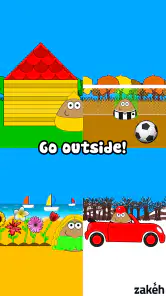
Analysis by Reviewed
I would judge Pou less by how charming it feels in the first few minutes and more by whether its little care routine still fits once the novelty wears off. It is a casual virtual-pet game built around short visits: feed and clean your creature, play a mini-game, and decide whether you want to work toward a new look or room. That clear loop is its strength, but it also means the lasting appeal depends on enjoying repetition rather than expecting a steady stream of new challenges.
A friendly first week, without a learning curve
My first impression is that the appeal comes from how quickly the routine makes sense. You meet a small, blob-like creature, give it a name, and get straightforward ways to feed, clean, and entertain it. There is little to learn before you can start, which makes this a gentle choice for a child trying a casual game or an adult looking for a short, undemanding break. The game is free, and its Everyone age rating reflects that broad, approachable feel.
In an ordinary day, I can imagine checking in during a quiet moment, giving Pou some attention, then trying a mini-game before putting the phone away. That small loop is more appealing than a long session if you want a light companion rather than a demanding game. The mini-games add a practical reason to play: they earn coins that can go toward food, potions, and accessories. I would treat the shop as a gradual project, not a checklist to clear quickly.
Reads About Pou
Meet Pou: Your New Virtual Pet
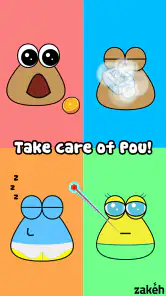
Alright, let's get into the nitty-gritty. Pou is essentially a digital pet that you get to care for, and it's as cute as it sounds. When you first launch the app, you're greeted by a small, blob-like creature that you'll soon call your own. From feeding to cleaning, and even playing mini-games, there's a lot to do to keep your Pou happy and healthy.
Gameplay and Features
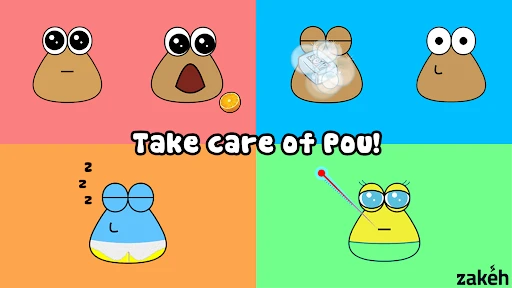
The gameplay in Pou is simple yet incredibly engaging. You start by naming your Pou, which instantly makes the connection feel personal. The main tasks include feeding your Pou by dragging food items to its mouth, bathing it to keep it clean, and putting it to sleep to regain energy. These actions are intuitive and easy to grasp, making it perfect for users of all ages.
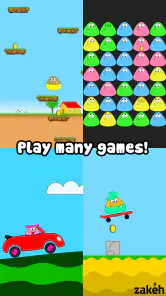
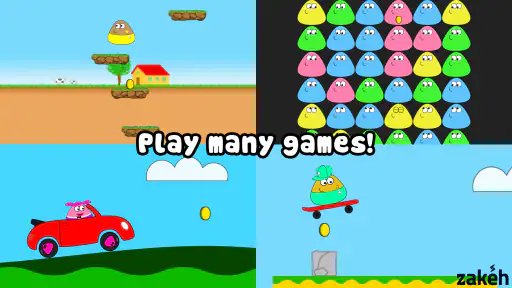
One of the highlights is the variety of mini-games available. These games not only serve as entertainment but also help you earn coins. You can then use these coins to buy food, potions, and accessories for your Pou. It's a clever way to keep players coming back, as there's always something new to purchase or unlock.
Making the routine work
The care loop is also the main trade-off. Pou works best when its needs feel like a playful reminder to return, not another obligation on a busy day. I would keep visits brief and choose one enjoyable activity, such as a mini-game or changing an accessory, rather than trying to optimize every meter or collect everything. That makes the game easier to fit around school breaks, a commute, or a few minutes before bed.
More From Our News Desk

X Under Pressure: Can It Recover When Posting Goes Wrong?

Clash of Clans Is Won Between the Battles

Android Auto Makes the Case for Quieter Car Software

MobiOffice: Transforming Mobile Productivity with Seamless Integration

EA SPORTS FC™ Mobile Soccer: Redefining Mobile Sports Gaming

How Microsoft OneDrive Became a Mobile Productivity Giant
For parents choosing a first virtual pet game, the simple actions are easy to understand, but the routine still asks for repeated attention. It is worth agreeing on a comfortable play habit instead of letting the game dictate when a child must check in. The game is free to start, with optional in-app purchases ranging from $0.99 to $24.99 per item, so I would also review purchase settings together if a child is playing.
Customization Galore
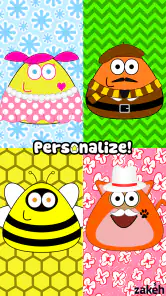
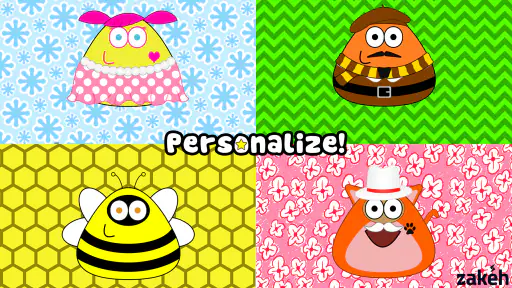
If you're someone who loves customization, Pou has got you covered. From changing the color of your Pou to dressing it up in funky outfits, the customization options are plentiful. You can decorate Pou's room, change wallpapers, and even style its appearance with hats and glasses. This level of personalization makes the app feel fresh and exciting every time you log in.
That personalization gives returning players small goals without requiring a complicated strategy. I find it more satisfying to save coins for a room change or outfit I genuinely like than to spend them as soon as they arrive. It also gives the mini-games a second purpose: they are not just distractions, but a way to work toward a visible change. The limitation is that decorating can lose its appeal if collecting cosmetics is not your kind of reward.
Social Features
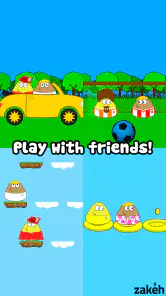
What's a virtual pet without a little social interaction? Pou allows you to connect with friends and see how their Pous are doing. You can visit their rooms, engage in multiplayer mini-games, and even exchange gifts. It's a fun way to build a community and share your Pou experiences with others.
Social play is a bonus rather than the reason I would recommend it. If friends are already playing, visiting their rooms and trying multiplayer games can make the routine feel less solitary; if they are not, the pet-care and solo mini-games remain the center of the experience. That distinction matters if you are deciding between this and a game built mainly around competition or online matches.
Beyond the first burst of novelty
After the first few days, I would pay attention to what actually brings me back. Is it the pet’s expression, a particular mini-game, or the prospect of saving for a room or outfit? Naming a specific reason helps distinguish a pleasant ritual from simply opening the app out of habit. If the answer is “I want to do everything,” I would narrow the goal: choose one purchase to save for, then let the rest of the shop wait.
That approach also makes the coin loop easier to judge. A mini-game is most satisfying when I want to play it anyway and the coins are a bonus; it feels less satisfying when I repeat rounds only to reach a cosmetic target. I would sample different mini-games instead of treating one as a grinding route. The useful trade-off is that progress is easy to understand, while the player has to provide variety by changing activities and goals.
How it holds up over time
Developed by Zakeh, this casual game has been around since August 5, 2012, and its continued audience is striking: it has an average rating of 4.3 from around 12 million ratings, with over 1 billion installs. Those figures suggest that the basic pet-and-mini-game loop has broad appeal, but popularity does not guarantee that its repetition will suit everyone. The current version is 1.4.124, and it requires Android 5.0 or later on Android devices.
Compared with many casual games that center on quick rounds or score chasing, Pou gives those small sessions a continuing purpose through care, coins, and customization. I would choose it over a purely score-focused game when I want a familiar character to return to. I would choose a more varied puzzle or action game if I wanted new mechanics and challenges to keep changing over a long session. The routine can become repetitive once feeding, cleaning, and the same types of mini-games stop feeling rewarding.
There is also a useful difference between “easy to pick up” and “always rewarding.” Pou is easy to understand, but it does not remove the need to supply your own reason to return. I would rotate between a care task, a mini-game, and a customization goal rather than repeating the same action each visit. If that still feels like a chore after the novelty fades, moving on is reasonable; the game is strongest when the pet’s small progress is satisfying in its own right.
Keeping it enjoyable rather than obligatory
For a realistic routine, I would connect a visit to a moment that already has a little spare time, such as winding down after homework or waiting for a ride. A quick check-in can then stay a choice rather than becoming a task that interrupts something else. If I miss a day, I would simply return when convenient instead of trying to compensate with a long session. That mindset suits a low-pressure pet game better than treating it like a streak-based challenge.
Parents may also want to decide in advance whether the game is for brief solo play or something to share. Taking turns choosing a mini-game or outfit gives a child a simple way to make decisions without needing to buy anything. Because the game includes optional purchases, I would make clear that coins earned through play and paid items are different choices, and set device purchase controls before handing over a phone. The free starting point makes trying the game straightforward, but it does not make spending decisions irrelevant.
Who will stick with it—and who may not
I think Pou is best for someone who likes small, repeatable tasks, visible personalization, and the feeling of returning to a familiar character. It can suit younger players learning to care for a virtual pet, or adults who want a few minutes of gentle activity between more demanding parts of the day. It is also a reasonable option for someone who enjoys casual mini-games but wants a reason to come back beyond beating a score.
I would steer away from it if you dislike checking on a digital companion, feel pressured by maintenance loops, or prefer each session to introduce a fresh puzzle or objective. Someone looking for a deep pet simulation may also want more complex systems than Pou’s straightforward feeding, cleaning, sleep, and play routine. For a quick score chase, a dedicated arcade game is a cleaner fit; for a calm, customizable pet, Pou’s combination is more appealing.
Moreover, Pou is available on both Android and iOS, making it accessible to a wide audience. Whether you're on a long commute or just relaxing at home, Pou is a delightful companion that's always ready to hang out.
Small choices that make visits feel better
I find it helps to decide what kind of visit I want before opening the game. If I have only a minute, I can focus on one care action and leave the mini-games for another time; if I have a little longer, I can play a round and put the coins toward a particular item. This simple separation prevents the shop from turning every short check-in into a search for the fastest way to earn. It also makes it easier to stop when the moment is over.
For a child, the same idea can turn play into a manageable choice: take care of the pet first, then choose either a mini-game or a room detail. The game is more enjoyable when the child has room to make small decisions, rather than being asked to unlock everything. I would also make clear that cosmetic choices are optional. A pet can still be the focus even when its room and wardrobe stay simple.
Choosing it over other casual games
Pou sits between a conventional arcade game and a more involved pet simulator. Arcade games tend to make the score or the next round the main reason to return; here, that activity sits alongside caring for a continuing character. More elaborate simulations can offer richer systems to manage, but that extra complexity is not automatically better if all you want is a friendly, short activity. I would pick Pou when the character and small routine matter more than mastering a deep system.
That middle ground is also where its limitations are clearest. The mini-games can make a spare moment more entertaining, but they do not transform the overall structure into a constantly changing adventure. If a player needs new levels, unfolding stories, or a steadily rising skill challenge to stay interested, a puzzle or action title is likely to hold attention longer. Pou’s appeal is narrower, but the blend of care and playful customization gives it a distinct reason to be on the phone.
What to expect from starting and returning
Because it is free to start, trying the routine does not require a purchase. The practical question is whether the basic cycle feels pleasant enough before any optional spending enters the picture. I would play for a while using earned coins, notice which activities I naturally choose, and only then decide whether customization is a lasting draw. Paid items are priced from $0.99 to $24.99 each, so anyone who prefers not to spend should treat the shop as something to browse selectively, not as a requirement for enjoying the core routine.
If you return after a break, I would approach it as a casual game rather than a commitment to maintain a perfect schedule. A missed visit need not become a reason to abandon it or to make up for lost time with a marathon session. The most sustainable use is probably an occasional check-in attached to a quiet moment that already exists in your day. That keeps the pet’s care from competing with school, work, or time with other people.
Final Thoughts
In conclusion, Pou is more than just a game; it's a charming experience that brings a smile to your face. Its simplicity combined with the depth of customization and social features make it a must-try. Whether you're a fan of virtual pets or just looking for a fun way to pass the time, Pou is sure to delight. So why not give it a try and see how your Pou grows?
My recommendation is more measured: I would try it if a low-pressure pet routine, playful customization, and bite-sized mini-games sound appealing, especially for a younger player or someone who likes checking in briefly. I would skip it if reminders and repeated maintenance feel stressful, or if I need a game with substantial new challenges over time. For me, it earns a place on the phone when its small daily ritual feels comforting; it does not need to become a permanent habit to be enjoyable.
Pou Frequently Asked Questions
Can Pou be played in short sessions, or does it require frequent attention?
Pou is a casual virtual-pet game built around everyday care and play, so it can suit people who want a light activity rather than a long, demanding game session. You can check in to care for Pou and spend time with its mini-games when you feel like playing. Its routine may appeal to players who enjoy returning to a familiar pet, while those seeking a tightly structured campaign may prefer a different style.
What activities can I do with Pou besides taking care of it?
Alongside feeding and cleaning Pou, the game includes mini-games and customization options. These give you different ways to spend time with your pet beyond its basic care routine, and can add variety to play. The experience remains centered on looking after Pou, so it is best suited to players who enjoy a virtual-pet game with casual activities rather than a complex story or competitive focus.
Is Pou a good choice for someone who has never played a virtual-pet game?
Pou can be approachable for newcomers because its central idea is easy to understand: adopt a pet and look after it through everyday care and play. Its casual style and mini-games offer a straightforward starting point, without requiring players to take on a complicated strategy experience. If you enjoy simple activities and the idea of returning to care for a character, it may be an accessible first virtual-pet game.
Can Pou be played in different languages?
If language is important to your experience, check the language options on your device and in the game after installation. Pou's core activities—caring for a virtual pet and playing mini-games—are straightforward, which may make the basic concept easy to follow. Before downloading, consider whether you are comfortable exploring the available menus and instructions in the language options shown for your version.
How much storage space does Pou need on my device?
Pou is a casual virtual-pet game, so it is designed around straightforward activities such as caring for your pet and playing mini-games. Before downloading, make sure your device has enough free storage for the installation and any files the game may need as you use it. Clearing space first can help avoid installation interruptions, especially on a device that is already nearly full.
Pros
- Highly interactive and engaging for all ages.
- Simple controls suitable for children.
- Regular updates with new features.
- Offline play available anytime.
- Encourages creativity and responsibility.
Cons
- In-app purchases may be costly.
- Repetitive gameplay can become boring.
- Ads can be intrusive at times.
- Requires regular attention and maintenance.
- Limited customization options without purchase.
- Category
- Casual
- Version
- 1.4.124