Plants vs. Zombies™
- 116.32K
- 4.0
- Installs
- 500.00M
- Price
- Free

Screenshots
Analysis by Reviewed
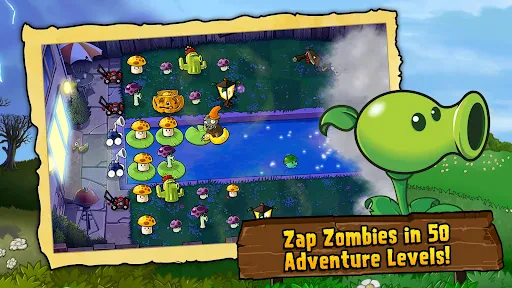
I judge a strategy game by whether its choices matter, whether I can understand a setback, and whether a short session feels worthwhile. By those standards, Plants vs. Zombies™ still has an appealing hook: it turns defending a yard into a clear puzzle about timing, resources, and choosing the right plants. It is a free game from ELECTRONIC ARTS, rated Everyone 10+, and its long-running popularity is reflected in over 500 million installs and an average rating of 4.0 from around 5.8 million ratings.
Who will enjoy planning each defense
This is a strong fit if you like strategy but don’t want to begin with a dense tutorial or a complicated interface. The basic idea is easy to grasp: generate sunlight, spend it on defenses, and respond to the zombies approaching your lawn. The decisions become more interesting as new threats appear. Instead of relying on one favorite plant, I have to think about what is coming and whether my setup can handle it.
That makes the game especially suitable for short breaks. A level gives me a focused task: decide how to spend my resources, watch the lanes, and adjust when a plan proves weak. If I have a few spare minutes, I can play a round without needing to remember a long chain of objectives. It also works well for players who enjoy learning through experimentation rather than studying a strategy guide before they begin.
Articles Related to Plants vs. Zombies™
The Unlikely Battle: Plants vs. Zombies
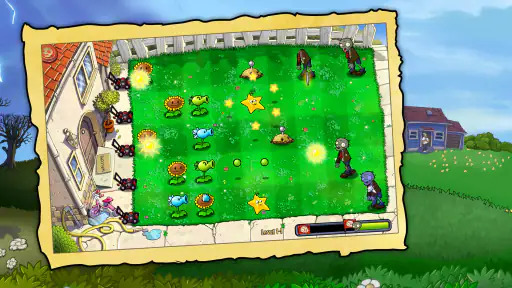
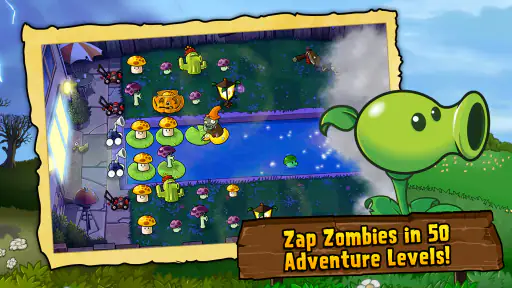
Imagine your backyard being invaded by a horde of zombies. What do you do? Plant some sunflowers, pea shooters, and wall-nuts, of course! That's the quirky premise of Plants vs. Zombies™. This game is all about strategy, quick thinking, and a bit of luck. You start by planting sunflowers to generate sunlight, which is the currency in this world. With enough sunlight, you can plant other defensive plants to keep those pesky zombies at bay.
Game Mechanics and Features
The game mechanics are straightforward, but don't let that fool you; the challenge ramps up quickly. Initially, you're dealing with slow-moving zombies, but soon, you'll face zombies with poles, ladders, and even pogo sticks. The diversity in zombie types keeps you on your toes and makes each level feel fresh and exciting.
What I love about this game is the variety of plants you can use. From pea shooters that spit out peas to potato mines that explode when zombies step on them, there's a plant for every kind of strategy you can think of. The game encourages you to try different combinations and see what works best against the different waves of zombies.
Small choices that improve a run
One useful habit is to treat the opening of a level as its own planning phase. I avoid filling every available spot with an attacker straight away; establishing an economy first can give me more options when the pressure rises. That choice has a cost, though: waiting too long to defend can leave a lane exposed. The satisfying part is judging when to stop investing in future strength and deal with the danger already on screen.
You May Like

Android Auto Makes the Case for Quieter Car Software

MobiOffice: Transforming Mobile Productivity with Seamless Integration

EA SPORTS FC™ Mobile Soccer: Redefining Mobile Sports Gaming

How Microsoft OneDrive Became a Mobile Productivity Giant

How Google Translate Breaks Language Barriers Effortlessly

Why Google Sheets Is the Ultimate Mobile Productivity Tool
I also try to notice which kind of obstacle actually caused a loss before changing my whole setup. If a fast-moving zombie breaks through, adding more of the same slow damage may not solve the problem. A targeted change is often more useful than swapping every plant at once, because it lets me see whether the adjustment helped. This makes replaying a tough level feel like testing a plan, not simply repeating the same attempt and hoping for luck.
Aesthetic and Sound
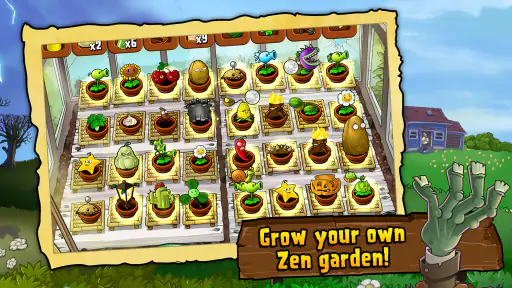
Visually, the game is a treat. The graphics are colorful and cartoonish, which adds to the overall charm of the game. Each plant and zombie is meticulously designed with quirky details that make them stand out. The animations are smooth, and even after hours of playing, I find myself amused by the little things, like the dancing zombie or the way a plant chomps on a zombie's head.
The sound design is equally delightful. The background music is catchy, but not intrusive, and the sound effects are spot on. Whether it's the "boing" of a zombie on a pogo stick or the "pop" of a pea hitting its target, every sound adds to the immersive experience.
How it compares with other strategy games
Compared with strategy games built around sprawling maps, long matches, or managing several systems at once, this one keeps its focus on a small field and readable decisions. I can see why that suits a casual session: I’m thinking about lanes and plant choices, not navigating a large menu of competing tasks. The trade-off is that anyone seeking broad strategic freedom or a highly social, competitive format may prefer a different kind of strategy game. This is at its best when the appeal is solving a compact defense puzzle.
It is also a different mood from action games that reward quick reactions above all else. I do need to respond as a wave develops, but preparation matters more than frantic tapping. If I lose, I can usually reflect on how I spent sunlight or which threat I underestimated. For players who want a fast reflex test, that measured pace may feel restrained; for me, it makes the wins feel earned.
What to expect before installing
The game is free to download, with in-app purchases listed at $0.99 to $2.99 per item. I’d approach those purchases as optional spending rather than a reason to start: the core appeal is in choosing defenses and learning how to handle each challenge. The current version is 3.8.1, and it requires Android 5.0 or later on Android devices. Its age rating is Everyone 10+, which is worth keeping in mind when deciding whether it suits a younger player.
One practical question is whether it suits a brief daily routine. In my experience, its level-based structure makes it easy to pick up for a quick play, though a difficult round can tempt me into retrying instead of putting the phone down. Another is whether it stays interesting after the basic tactics click. The changing zombie threats and plant combinations provide reasons to adjust a strategy, but players who dislike repeating a level to improve a defense may find that learning curve frustrating.
Making a short session count
When I have only a little time, I try to set a clear stopping point before opening a level: finish one attempt, then decide whether I genuinely want another. That simple boundary helps because a near miss can make a retry feel irresistible. It also makes the game easier to fit around an ordinary break rather than letting a single difficult defense take over the whole pause.
For a more deliberate run, I pay attention to which plant choices are doing useful work and which are taking up space without solving the current threat. The lawn is a limited planning area, so a plant that was useful earlier may not deserve a place in every later setup. This is a small but important shift: I get more from adapting my lineup than from treating a familiar combination as a universal answer.
When another choice makes more sense
I would skip this if I wanted a story-led adventure, an open-ended building game, or a strategy experience centered on multiplayer competition. Its charm comes from the immediate lawn-defense problem, not from offering every type of play. It may also be a poor fit if cartoon humor and repeated tactical attempts are not your thing. Knowing that upfront is useful: this is a focused game, and its strengths depend on enjoying that focus.
There is a small switching cost if you are used to a different style of strategy. Instead of planning across a large map or reacting to an opponent, you learn to read lanes and balance immediate defense against future sunlight. I find that adjustment quick, but the game still asks for patience when a new zombie exposes a weakness. Rather than assume a favorite combination will work everywhere, I recommend treating each setback as a clue about what the next attempt needs.
Who should keep looking
If you want a campaign that revolves around character dialogue, exploration, or a persistent world to build, this is not the strongest match. Nor would I choose it as my main game if I were looking for head-to-head play or a deep sandbox where every session creates a different long-term project. Other strategy games may fit those preferences better, while this one earns its place through compact, self-contained lawn puzzles.
I would also think twice if repeated attempts feel like wasted time rather than a useful way to learn. A loss can point toward a weak lane or a poor balance between generating sunlight and defending, but the game still asks you to try again to put that lesson into practice. That loop is satisfying when I’m curious about improving a plan; it is less satisfying when I want steady progress without revisiting a challenge.
Why You Should Try It
If you're looking for a game that's easy to pick up but hard to put down, this is it. It's perfect for a quick play session or a longer gaming marathon. The game is available on both Android and iOS, so you can enjoy it on the go or from the comfort of your couch. Plus, it's one of those games that you can keep playing over and over without getting bored.
Honestly, this game has a special charm that keeps me coming back. Maybe it's the satisfaction of perfectly timing a cherry bomb or the thrill of barely making it through a tough level. Whatever it is, it has earned a permanent spot on my phone. Give it a try, and I bet you'll be hooked too!
My recommendation
With 116K reviews and a 500M+ install milestone behind it, this strategy game from ELECTRONIC ARTS has clearly reached a wide audience, but popularity alone is not why I recommend trying it. I like that its central decisions are easy to read and still leave room for better judgment. The game is currently at version 3.8.1, and the listed in-app purchases range from $0.99 to $2.99 per item; I would start with the free experience and decide for yourself whether any extra spending feels worthwhile.
For someone who wants a friendly, lane-based strategy challenge that can fit into everyday downtime, it is an easy choice to try. If your priority is multiplayer rivalry, open-ended building, or a story-first adventure, I’d look elsewhere instead. My recommendation is strongest for players who enjoy spotting why a defense failed and making one thoughtful change on the next attempt.
Plants vs. Zombies™ Frequently Asked Questions
What is Plants vs. Zombies™ about?
Plants vs. Zombies™ is a strategy game about protecting your yard from a zombie attack with the help of powerful plants. You choose defenses and place them to stop approaching zombies, with different plants and enemies encouraging you to adapt your approach. Its playful presentation makes the premise easy to understand, while the tactical choices give each challenge a planning element.
Who makes Plants vs. Zombies™, and what category does it belong to?
Plants vs. Zombies™ is developed by ELECTRONIC ARTS and belongs to the strategy game category. The central challenge is to arrange plants so they can defend your yard from zombies moving toward your home. It is a straightforward idea to pick up, but choosing suitable defenses and responding to different threats gives players room to think through each encounter.
Can I play Plants vs. Zombies™ on Android and iOS?
Plants vs. Zombies™ is available on Android and iOS, so players can choose it on either platform. It is designed for mobile play, and its lane-based defense format can suit both short sessions and longer stretches. Before downloading, check that your phone or tablet meets its operating-system requirements and has sufficient storage available for installation.
What is the minimum Android version required for Plants vs. Zombies™?
The Android minimum operating-system requirement for Plants vs. Zombies™ is version 5.0. Check your device’s software version before starting the download to make sure it meets that requirement. The game is also available on iOS, and it is sensible to review your device’s available storage at the same time so installation can proceed without space issues.
How much storage does Plants vs. Zombies™ need?
Before downloading, it is sensible to check the available storage on your phone or tablet, since games need room to install and operate. Plants vs. Zombies™ is available on Android and iOS, and the Android minimum operating-system requirement is version 5.0. Make sure your device is compatible and has enough free space before starting the download.
Pros
- Engaging gameplay with strategic depth.
- Colorful and fun graphics.
- Wide variety of plants and zombies.
- Regular updates and new content.
- User-friendly interface.
Cons
- In-app purchases can be expensive.
- Some levels can be very challenging.
- Requires a stable internet connection.
- Occasional ads disrupt gameplay.
- Limited free content.

- Category
- Strategy
- Version
- 3.8.1