8 Ball Pool
- 982.87K
- 4.8
- Installs
- 1.00B
- Price
- Free

Screenshots
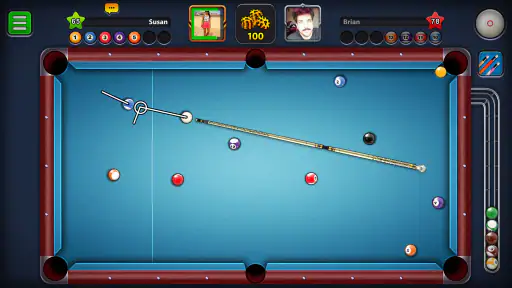
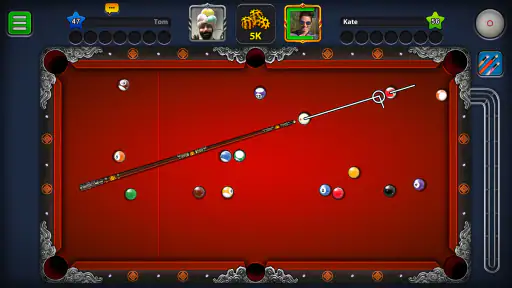
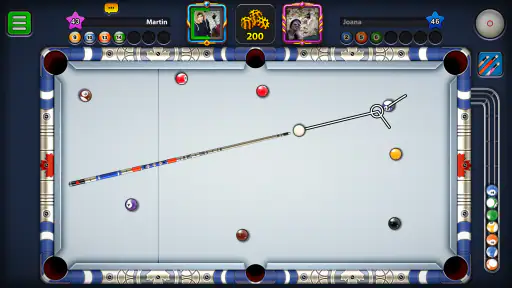


Analysis by Reviewed
I like 8 Ball Pool most when I treat it as a quick test of judgment, not as a substitute for meeting friends around a real table. It gives me the pleasure of planning a shot and the uncertainty of facing another player, all in a format that fits into a short break. That combination is the game’s strength, though its competitive setup can make a casual loss feel more costly than expected.
A pocket-sized table built around quick decisions
Made by Miniclip.com, this sports game turns pool into short online contests. I can get into a match without arranging a group or spending time learning an elaborate control scheme. Its reach is striking: it has passed a billion installs and holds an average rating of 4.8 from around 31 million ratings. Those numbers make sense when I play; the basic idea is immediately recognizable, but aiming, judging power and choosing a sensible shot give each turn a little strategic weight.
Getting Started with the Basics
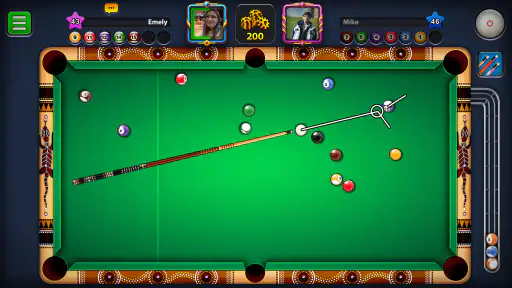
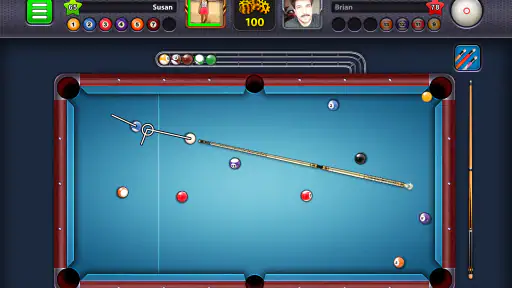
When you first fire up the game, you'll be greeted with a straightforward interface that makes it easy to jump right into the action. The game offers a quick tutorial to get you acquainted with the controls, which are intuitive enough that you’ll be lining up shots like a pro in no time. Just swipe to aim and pull back to strike — it's as simple as that! I would not mistake that simple input for automatic success, though. Aiming carefully and controlling the strength of a shot matter, especially when the cue ball could end up in an awkward position after contact.
Reads About 8 Ball Pool
Diving into Gameplay
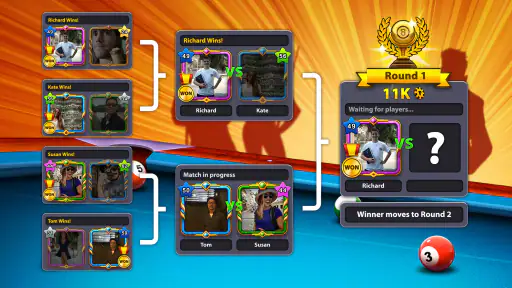
What truly makes the game shine is its competitive nature. You can play one-on-one matches with players from around the globe or challenge your friends for some friendly rivalry. There's a thrill in climbing the ranks and unlocking new cues and tables as you win more matches. And trust me, the satisfaction of pocketing that last ball to win is absolutely priceless!
Each match costs coins to enter, and you earn coins by winning games. There’s also an option to purchase coins, but I found that playing regularly and honing my skills was rewarding enough to keep my coin stash healthy. That entry cost changes the mood of a match: a loss can sting more than it would in a completely casual table game. I recommend treating coins as a limit for play, not as a reason to chase a lost match. If you are learning, take time to get comfortable before committing to higher-stakes play, and step away when a run of losses starts making you impatient.
Reading the table, not just the controls
A useful habit is to look beyond the ball you can pocket immediately. Before taking a shot, I consider where the cue ball will finish and whether the next shot remains clear; a safe, manageable position can be better than trying a difficult pot for a quick win. This is especially helpful when balls are clustered, because a powerful hit may open the table but also leave the opponent an easy chance. The game’s swipe control makes it quick to adjust aim, but that speed can tempt you to shoot before thinking through the next turn.
For a casual daily routine, I like the idea of playing one or two matches while waiting for a coffee or winding down after work. The short format suits those spare moments better than a long sports simulation, while friend challenges give a planned game a more personal feel. If you want a quiet, offline pastime or dislike competing against other people, this is a less natural fit: the main attraction is the contest, not a solo pool puzzle.
More From Our News Desk

Clash of Clans Is Won Between the Battles

Android Auto Makes the Case for Quieter Car Software

MobiOffice: Transforming Mobile Productivity with Seamless Integration

EA SPORTS FC™ Mobile Soccer: Redefining Mobile Sports Gaming

How Microsoft OneDrive Became a Mobile Productivity Giant

How Google Translate Breaks Language Barriers Effortlessly
Customization and Upgrades
If you’re into customization, you’ll love the variety of cues and tables you can unlock and purchase. Each cue comes with its own set of stats, allowing you to tailor your gameplay style. Maybe you prefer a cue with extra spin or one with a bit more power — the choice is yours!
It is worth separating appearance from practical choice when picking a cue. A cue’s stats can affect how a shot feels, so I would test options gradually rather than spending just because a new design looks appealing. In a competitive match, familiar timing and control can be more useful than switching equipment constantly. The game is free to download, but it offers in-app purchases ranging from ten cents to $299.99 per item, so anyone who prefers a strictly no-spend experience should be comfortable ignoring purchase prompts and treating progression as gradual.
The game also features seasonal events and challenges that offer exclusive rewards, keeping things fresh and exciting. It’s a nice touch that motivates you to keep playing and improving your skills. Still, events are best treated as optional goals rather than obligations; if a challenge starts turning a relaxing break into a checklist, ordinary matches are an easy way to focus on the core game instead.
Social Features and Connectivity
One of the coolest aspects of the game is its social connectivity. You can log in with your Facebook account to play against friends or connect with other players worldwide. The chat feature during matches adds a fun layer of interaction, though sometimes it can get a bit cheeky! I would choose friend matches when I want a familiar, low-pressure contest; playing strangers is better when I am in the mood for unpredictable competition. If chat distracts you or the tone is not enjoyable, it is sensible to focus on the shots rather than engage with it.
There’s a sense of community as you join clubs and participate in club tournaments. It’s a great way to make new friends who share your passion for pool. That said, a club adds another social commitment, so players who only want occasional matches may be happier staying independent. Compared with simple pool games built around solo practice, this one puts more emphasis on opponents, progression and social play. If your priority is just practicing angles without stakes or conversation, a single-player pool game may suit you better; if you want human competition in quick sessions, this is the stronger fit.
Small habits that make matches feel fairer
I get better results when I pause for a moment before every shot instead of treating the game like a speed challenge. First I check which balls are actually reachable, then I choose a pocket and consider the cue ball’s likely path. This does not guarantee a good outcome, but it helps me avoid the common mistake of potting one ball only to leave the next turn blocked. When the table is open, a softer shot can be more useful than maximum power because it gives me a better chance of keeping control.
It also helps to separate practice from risk. Early on, I would use lower-pressure matches to learn how the aiming gesture responds and how much force different shots need. Once that feels familiar, moving into a more demanding contest is a choice rather than a guess. If I have just lost a close match, I take a short pause instead of entering another immediately to win back coins. That simple boundary makes the game more enjoyable and keeps a few unlucky turns from dictating how long I play.
How it fits into an ordinary day
Imagine waiting for a friend who is running late: I can play a single match, put the phone away when they arrive, and still feel that I did something more engaging than scrolling. A friend challenge works better when both people are free at the same time, while a match against another player is convenient when I just want to start without coordinating. The distinction matters: this is easy to pick up, but a match still asks for attention, so it is not ideal when I may need to stop at any second.
That short-session appeal is also why I would not recommend it as a calm background game. A close frame demands concentration, and losing can provoke the urge to replay immediately. If I only have a minute or am already feeling impatient, I would choose something with no opponent and no entry cost instead. The best use is a deliberate break: enough time to focus on a match, with a natural stopping point afterward.
Who will get the most from it
I would recommend this to pool fans who enjoy learning through competition, friends looking for an easy game to share, and mobile players who want a sport that can be picked up in brief sessions. The game is rated Everyone, and it runs on Android version 6.0 or later. Its current version is 56.25.1. Those details make it broadly accessible, although a stable connection is important to the online-centered experience and mobile data use may matter if you play away from Wi-Fi.
I would skip it if you want a detailed real-world billiards simulator, a guaranteed calm experience, or a game with no competitive pressure and no optional spending. The controls are approachable, but opponents can make a simple-looking match demanding, and losing entry coins adds friction. That balance is the central trade-off: quick access to real competition, in exchange for accepting that not every round will feel relaxed or go your way.
Compared with a solo pool game, the appeal here is less about practicing without interruption and more about reading a live opponent while managing progression. Compared with a full sports simulation, it asks far less time and has a simpler entry point, but it cannot offer the same kind of detailed, slow-paced recreation. I would pick this when I want a compact contest and choose a solo alternative when I care more about experimenting freely than winning.
Final Thoughts
Overall, the game is a fantastic app for anyone who loves pool or just wants to pass the time with a fun, competitive game. It’s easy to pick up, offers plenty of challenges, and keeps you coming back for more. Whether you're aiming to become the next pool champion or just want to have some fun, this game is definitely worth a download. With more than 983,000 written reviews and a free starting price, it has clearly found a huge audience, but I’d recommend it most to players who enjoy improving under pressure and can resist spending when a match goes badly. And who knows, maybe I’ll see you on the virtual felt!
8 Ball Pool Frequently Asked Questions
Can I play 8 Ball Pool with friends on different mobile platforms?
8 Ball Pool is available on Android and iOS, and its store description highlights online multiplayer and playing with friends. If you and a friend use different kinds of phones, check the game’s current friend and match options after installing, since those are the features that determine how you connect. The central experience is online pool competition, rather than taking turns on one device.
Is 8 Ball Pool a good choice for short gaming sessions?
Pool matches are the core of 8 Ball Pool, making it a natural option when you want a focused sports game rather than a long story to follow. You can aim, take your turn, and compete online, so the experience is built around individual matches. Keep in mind that multiplayer play needs an internet connection, which can affect whether it suits a quick session while you are away from reliable service.
Does 8 Ball Pool use a lot of mobile data?
Because 8 Ball Pool is centered on online multiplayer, playing its main mode requires an internet connection and may use mobile data if you are not connected to Wi-Fi. If you have a limited data plan, consider playing over Wi-Fi or checking your device’s data usage after a session. The game is a pool sports title, so online matches are the key activity to account for.
Is 8 Ball Pool a good game for learning pool?
8 Ball Pool can help newcomers get familiar with the basic rhythm of pool: lining up a shot, taking turns, and trying to pocket the right balls. Its touch controls also give you room to practice aiming and cue control as you play. It is still a mobile game, rather than a substitute for learning every rule or technique of real-life billiards, but its approachable format makes it easy to try.
Can I play 8 Ball Pool on a tablet?
Yes, 8 Ball Pool is designed for mobile play on phones and tablets, with touch-based controls for aiming and taking shots. The game is available on Android and iOS, so tablet owners can look for the version made for their device. Check that your tablet meets its platform requirements and has room for the installation before downloading.
Pros
- Highly addictive and competitive gameplay.
- Multiplayer mode with friends is engaging.
- Realistic physics enhances gaming experience.
- Variety of cues and tables to choose from.
- Frequent updates with new features.
Cons
- In-app purchases can be expensive.
- Occasional connectivity issues.
- Ads can interrupt gameplay.
- Requires constant internet connection.
- Limited free features without purchase.

- Category
- Sports
- Version
- 56.25.1