Roblox
- 3.64M
- 4.2
- Installs
- 1.00B
- Price
- Free

Screenshots
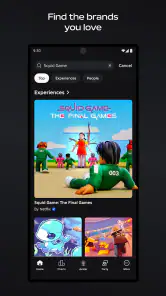
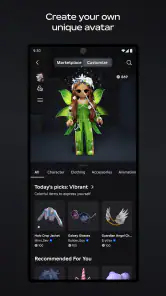
Analysis by Reviewed
My main reason to recommend Roblox is its unusual range: it is an adventure game built around a changing collection of experiences, rather than one campaign with a fixed beginning and end. That makes it easy to sample different kinds of play, but it also means the quality and feel can vary a lot from one experience to another. I see it as a better fit for curious players who enjoy browsing than for someone who wants a single carefully paced story.
A platform where variety is the point
Created by Roblox Corporation, this free game has an average rating of 4.2 from around 49 million ratings and has been installed over a billion times. Those figures hint at its broad appeal, but they do not guarantee that every game inside will suit you. The useful question is less “Is Roblox good?” and more “Can I find experiences here that match how I like to play?”
That distinction matters when choosing it over a conventional adventure game. A single-player title usually offers a consistent art style, control scheme, and storyline; Roblox gives you a much wider menu, with less consistency between entries. I would choose it for quick experiments, social play, or an evening spent hopping between ideas. If you mainly want a polished, uninterrupted narrative, a dedicated adventure game is likely the more satisfying choice.
Reads About Roblox
Endless Worlds to Explore
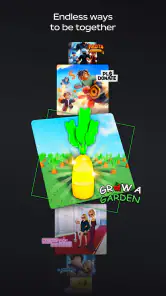
When you first step into Roblox, you're greeted with a plethora of games and experiences created by users just like you. That's right, this isn't just a game; it's a platform where anyone can develop their own games. From action-packed adventures to role-playing mysteries, there's a world for every kind of gamer. I found myself lost in a pirate-themed quest, and trust me, the level of detail was mesmerizing.
Finding a good fit without wasting your session
With such a large library, browsing is part of the experience, but it can also be a time sink. I recommend deciding what you feel like doing before you open the app—solving a puzzle, exploring with friends, or trying something competitive—then sampling a few options rather than assuming the first result will be right. Pay attention to the experience’s own description and rules, since two games that look similar can play very differently.
A practical routine is to keep a short mental list of experiences you enjoyed and return to them when you only have a few minutes. That helps avoid spending a whole break scrolling. On a longer evening, browsing more widely makes sense: the platform’s strength is discovery, and an unexpected choice can be more fun than repeatedly picking the most familiar option.
Finding a rhythm for solo and group play
Roblox suits different schedules because you can approach it in short visits or settle into one experience for longer. For example, after school or during a quiet lunch break, I would pick a familiar game rather than browse the whole library. On a weekend, a group can spend time comparing options and agreeing on one to try. That small bit of planning matters: friends may have different tastes, and a game that is fun alone may not work as a shared activity.
More From Our News Desk

Clash of Clans Is Won Between the Battles

Android Auto Makes the Case for Quieter Car Software

MobiOffice: Transforming Mobile Productivity with Seamless Integration

EA SPORTS FC™ Mobile Soccer: Redefining Mobile Sports Gaming

How Microsoft OneDrive Became a Mobile Productivity Giant

How Google Translate Breaks Language Barriers Effortlessly
If your group cannot agree, take turns choosing rather than repeatedly searching for a perfect compromise. This makes the variety feel like a feature instead of an obstacle. It also helps to decide whether the session is for chatting together or concentrating on a challenge; those goals do not always fit the same experience. Players who want quick, predictable rounds may be happier with a focused multiplayer game, while Roblox is better when discovery is part of the entertainment.
User-Friendly Interface
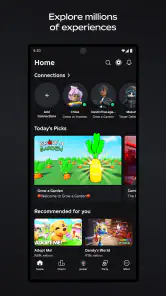
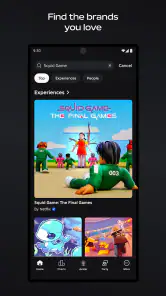
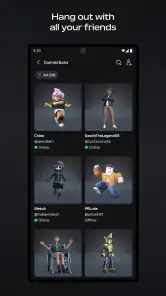
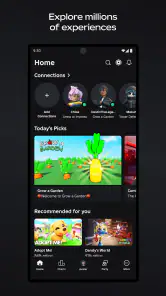
One of the first things you'll notice about Roblox is its intuitive interface. Navigating through the app is a breeze, even if you're new to the platform. With a few taps, you can be diving into a new game or even starting your own creation journey. The community aspect is also pretty robust, allowing you to connect with fellow gamers and creators from around the globe. It's like having a social network wrapped inside a gaming platform.
That social layer is useful when you already know who you want to play with, but it is not essential to enjoying every experience. If you prefer to play alone, focus on options designed around solo exploration rather than treating chat or group interaction as the main attraction. For parents and younger players, I would make time to review the available account and communication controls together; an age rating of Teen is a reminder that this is not automatically a child-only space.
Making discovery more deliberate
One useful habit is to judge a new experience by how quickly it explains its goal, not just by its name or artwork. If the opening feels confusing, give yourself permission to leave and try something else; the platform is built around choice, so there is little reason to force a poor fit. I also find it sensible to start with a short trial before inviting friends. That way, you can check whether the controls and pace suit your group without making everyone wait through a long search.
There is a trade-off here compared with curated mobile adventures. A dedicated game usually asks less of you before play because its content and structure are more consistent. Roblox asks the player to do some of that selection work. That is rewarding for people who like exploring user-made ideas, but frustrating for someone who wants the app to make one obvious recommendation and deliver the same kind of experience each time.
Customization and the cost of extras
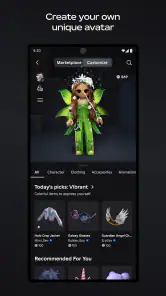
Customization is where Roblox truly shines. You can create your avatar and personalize it with a staggering array of outfits and accessories. But it doesn't stop there. The real magic happens when you start creating your own games. The in-app tools are surprisingly powerful and yet easy to use. Even if you're not a coding wizard, you can whip up something fun and engaging. Who knows? Your creation might become the next big thing on the platform!
One trade-off is that the free entry point does not mean every optional item or experience is free. In-app purchases range from fifty cents to just under two hundred dollars per item, so I would treat spending as a deliberate choice rather than part of getting started. If you are setting up the game for a younger player, agree on purchase boundaries before they begin browsing. For a casual player, enjoying the variety without buying extras is a perfectly reasonable way to approach it.
Creation is also best treated as a gradual hobby, not a shortcut to making a popular game. I would start by changing one small idea, testing it, and asking a friend to try it before adding more. That loop—make a change, play it, notice what is confusing—is more useful than trying to build a huge project at once. Players who simply want to jump into finished games can ignore creation and still use the platform for browsing and play.
Creation as a learning process
For a first project, I would keep the goal small enough to explain in one sentence: a place to explore, a simple challenge, or a short sequence of actions. Testing it on someone who has not seen it before can reveal unclear instructions that are easy to miss when you already know how it works. This is a more realistic way to learn than measuring success by whether strangers find the project. If making things sounds like a chore, there is no need to use that side of the platform at all.
Customization can also become a spending temptation, especially when a player sees items they want while moving between experiences. I would separate the decision to play from the decision to buy: enjoy the game first, then consider whether an extra is worth it. For families, a clear rule about purchases is more useful than trying to settle every request in the moment. That keeps the free starting point genuinely low-pressure.
Safety First
Now, I know what you might be thinking. "An online platform like this must be crawling with safety concerns!" But worry not. The developers have put in a lot of effort to make sure the environment is safe, especially for younger users. There are parental controls and a dedicated team monitoring the community to keep things in check. It's reassuring to know that while you're having fun, there's someone looking out for you.
I would still approach online interaction with ordinary care. Families should explore the controls together, set clear expectations about who to communicate with, and check in about experiences that feel uncomfortable. Moderation can help, but it does not replace an adult’s judgment or a young player’s willingness to ask for help. Someone who wants a fully offline game with no user-created content should choose a different kind of adventure instead.
Who will enjoy it most
Roblox is a strong choice for players who like variety, enjoy playing alongside friends, or want to experiment with making simple interactive ideas. It also works for families who are prepared to talk about online play and spending rather than handing over a device without context. The minimum operating system requirement is Android 8.0, and the game is free to start, which makes trying it straightforward for compatible devices.
It is less compelling for someone who dislikes browsing, wants every experience to feel equally polished, or prefers a tightly authored story. A familiar console or mobile adventure may serve that player better. The app’s scale is a strength when you are in the mood to explore, but it can feel like homework if you want one obvious game to launch and finish.
For a parent deciding whether to install it, I would treat the Teen rating as a prompt to explore together, not as a substitute for supervision. Start by looking at what the player wants to try, discuss communication and spending expectations, and revisit those choices as their interests change. That approach is more practical than assuming all experiences share the same tone just because they sit inside one app.
A small routine that makes it easier to use
For an ordinary weekday, I would make the choice before opening the app: pick a familiar experience for a short break, or save browsing for a time when there is room to compare options. If friends are joining, one person can test a candidate first and explain the basic goal before everyone piles in. This simple handoff cuts down on waiting and makes it easier to spot a poor match early.
On a shared device, it is also worth agreeing who is choosing and whether purchases are allowed before a session starts. Those decisions are easy to settle calmly and much harder when someone is already excited about an item. The same routine helps adults stay involved without needing to turn every play session into a formal check.
Where its scale asks more of you
The size of the library is not the same as consistent quality. User-created experiences can differ in clarity, pacing, and how well they suit a particular player, so I would not assume that liking one means the next will feel similar. Leaving a game that is confusing or simply not enjoyable is part of using the platform sensibly, not a failure to give it a chance.
Compared with a focused multiplayer game, Roblox can take longer to settle on a shared activity, and compared with a story-led adventure, it offers less assurance that the whole experience will follow one coherent design. In exchange, it lets players move between distinct ideas and gives creators room to make their own. Which side matters more depends on whether you want a dependable, finished journey or the freedom to keep trying something different.
Players who mainly want a single-player adventure with a fixed story should skip Roblox in favor of a dedicated game. Its strengths are choice, user-made variety, and the possibility of sharing play—not a uniform level of polish or a carefully controlled narrative. The right fit is someone who sees browsing as part of the fun and can move on when an experience does not land.
In conclusion, Roblox is more than just a game—it's a community-driven platform that inspires creativity and brings people together through shared experiences. Whether you're looking to play, create, or socialize, this app has it all. So, why not give it a shot? You might just find your new favorite pastime.
Roblox Frequently Asked Questions
Can I play Roblox on a phone or tablet while traveling?
Roblox is made for online play, so you can use it on a compatible mobile device when you have an internet connection. That makes it convenient for playing away from home, but it is not a good choice for places where you will be offline. Check your connection before joining an experience, especially if you are relying on a mobile network.
Can I switch between different games in Roblox easily?
Roblox brings a broad library of games together in one place, so you can browse and try different kinds of experiences rather than sticking to a single game style. Each experience may feel different because users create much of the content. If you are new, exploring a few options can help you find activities that suit your interests.
Is Roblox free to download?
Roblox is free to download and play, which makes it possible to explore the platform without paying upfront. Some experiences and customization options may include purchases, however, so free access does not mean every optional item is free. If a child will be playing, it is sensible to discuss purchase expectations and review available spending controls before getting started.
Can I use Roblox on both Android and iOS?
Roblox is available for mobile play, making it possible to explore its games on a compatible phone or tablet. Before downloading, check that your device meets the relevant system requirements and that you have an internet connection, since Roblox is an online platform. The experience centers on a broad library of games, so the types of activities you find may vary.
Is Roblox suitable for a first-time player?
Roblox can be a starting point for players who want to explore different kinds of games in one place. Its library includes experiences made by users, and the variety means that the style and feel can change from one game to the next. New players may find it helpful to browse a few options, learn how the platform works, and choose experiences that match their interests.
Pros
- Vast user-generated content
- Cross-platform play
- Regular updates
- Creative freedom
- Large community support
Cons
- In-app purchases pressure
- Graphics quality varies
- Online safety concerns
- Not suitable for young kids
- Occasional server issues

- Category
- Adventure
- Version
- Varies with device