 About Pokémon GO
Pokémon GO Fits Modern Phones Better, but the Walk Still Comes First
A phone operating system can change the feel of a game without changing a single Pokémon. Better location controls, tighter battery management, and more deliberate privacy prompts all shape how comfortably Pokémon GO follows you through a real day. The result is a game that has grown more considerate of modern device habits, but not quite frictionless: its magic still depends on reliable location access, a healthy battery, and a reason to keep walking.
That tension is the story of Pokémon GO on current Android and iOS devices. The game remains strongest when it turns a familiar route into a small expedition, with a wild encounter or a nearby PokéStop giving an ordinary walk a purpose. Recent mobile platforms make that routine easier to manage and safer to control, yet they also expose how much the game asks from a phone that is already juggling maps, notifications, and power-saving rules.
What the platform changes actually give the game
Pokémon GO relies on a stack of ordinary phone capabilities: location services, mobile data, camera access for augmented reality, motion sensors, and notifications. Modern Android and iOS releases give users more granular control over these resources. Location permissions can be reviewed or limited; background activity and notification access are more visible; and privacy indicators make it clearer when an app is using sensitive features. Those are operating-system improvements, not special powers added by Niantic, but they make the game’s demands easier to understand.
The practical gain is control. A player can choose when location access is available, decide whether camera-based AR is worth granting, and quiet alerts that do not deserve attention. On compatible devices, the game can still use AR encounters and buddy interactions, while players who prefer speed can skip the camera layer and get straight to catching. That flexibility matters because AR is a lovely flourish, not the core loop. The core is finding, catching, collecting, and returning to a place for another reason.


Platform changes also make background behavior more consequential. Android’s battery and background-use controls can restrict apps that appear to be running too often, while iOS manages background activity according to its own rules. Pokémon GO’s Adventure Sync can record walking progress when the game is closed, but it needs the right permissions and health or fitness integrations. A user who has tightened every background setting for battery life may discover that distance tracking is less dependable than expected. The feature has not necessarily failed; the phone may simply be doing exactly what its owner asked.
The first things players notice
The most immediate improvement is not a new visual effect. It is a clearer sense of what the game is asking for. Permission prompts and system privacy panels help explain why location matters, and current phones make it easier to change that decision later. For a game built around movement, that is a meaningful shift: a player can be more deliberate about access without treating the choice as permanent or mysterious.
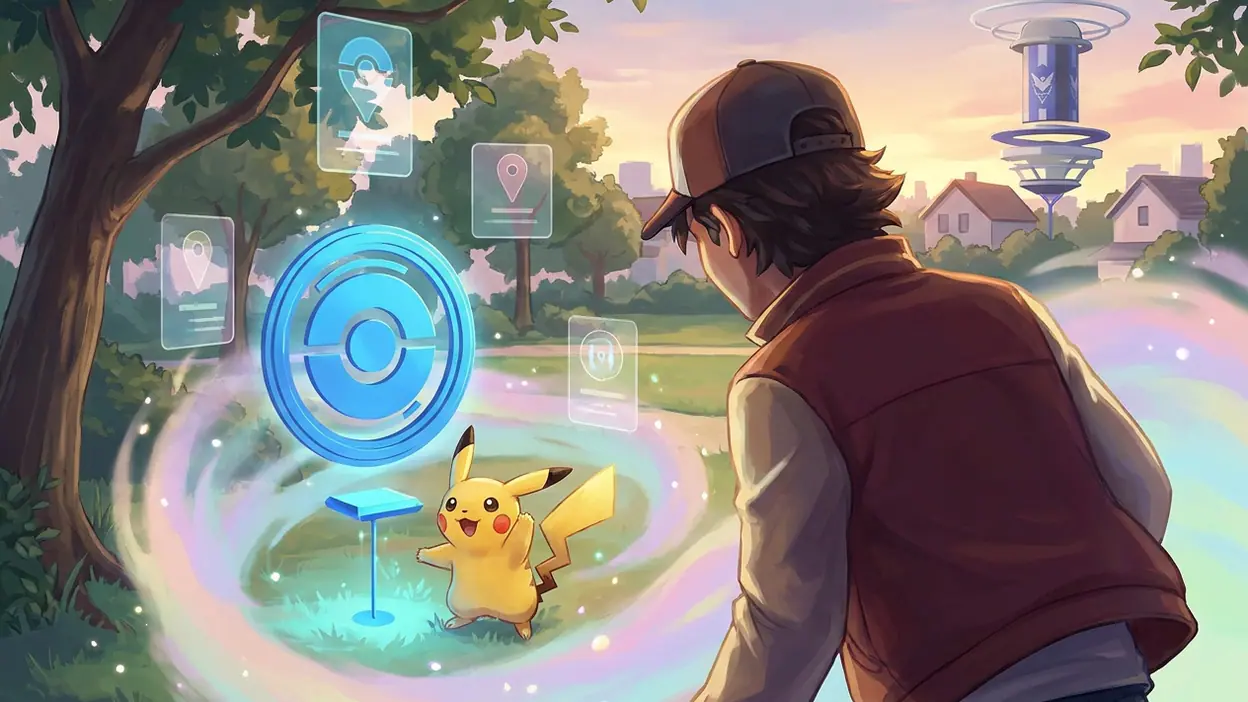
Then comes the familiar map. Pokémon appear around the player’s real position, PokéStops and Gyms mark useful destinations, and the interface turns a patch of neighborhood into a compact field guide. A stop may be just around the corner; a raid may pull a group toward a park at a particular hour. The map remains legible and inviting, but its usefulness depends on location accuracy and a data connection. In dense streets, tall buildings can make positioning jump. In weak-signal areas, the world may load slowly or hesitate just as an encounter begins.
Latest News



Battery life is the other first impression, especially for anyone returning after a long break. Pokémon GO keeps the screen active, checks location, loads map data, and can use the camera. A long session can drain a phone far faster than casual messaging or a few rounds of a lightweight game. Newer devices handle the workload better, but no operating-system update makes continuous GPS and a bright display free. Battery Saver settings, lower screen brightness, and short play bursts are practical tools, not signs that a player is using the game incorrectly.
A different rhythm for ordinary days
The daily loop still has a pleasing cadence: check the nearby Pokémon, catch what is on the route, spin a stop, perhaps complete a research task, then close the app and get on with the day. The OS-aware version of that loop is less all-or-nothing. Adventure Sync can help distance accumulate while the game is closed, notifications can flag selected events, and system controls let players curb the interruptions. Instead of treating every walk as a full session, the game can sit lightly in the background of a routine.
That makes the strongest parts feel stronger. A commute can contribute to egg hatching or buddy progress; a lunch break can become a quick stop-and-catch detour; a planned raid can give friends a reason to meet at a local landmark. The rewards are small, but the game is good at making them feel tied to place. A walk is not just a bar filling up. It becomes a route with decisions: take the longer street for a stop, save a daily pass for a raid, or pause because a rare spawn has appeared.
There is a cost to this rhythm. Notifications can make the game feel like another service competing for attention, while background tracking can be inconsistent if permissions, battery restrictions, or health-data settings change. And there is no elegant substitute for going out. Weather, mobility, neighborhood safety, and access to parks or PokéStops all affect how much the game can offer. Pokémon GO can soften the boundary between play and daily life, but it cannot make every place equally playable.
The ecosystem is better, but not seamless
Current phones bring useful pieces together: location controls, health and fitness data, notifications, Bluetooth accessories, and a camera capable of convincing AR effects. When these parts cooperate, Pokémon GO feels less like a demanding app session and more like a companion to movement. Adventure Sync is the clearest example. It can reward steps without requiring the map to remain open, giving the game a reason to be installed even on days when the player has no time for a dedicated outing.
Connectivity among those pieces can still be brittle. Health integrations may need renewed access after a device change or software update. A user who has denied background refresh or restricted location to a narrow setting may find that tracking pauses outside the active app. An accessory such as Pokémon GO Plus + can reduce the need to keep checking the screen, but it adds cost and another device to charge and pair. These are manageable complications for committed players; they are less appealing to someone who wants a game to work without setup.
Compatibility is also a moving target. App updates eventually drop support for older operating-system versions and devices that cannot keep up with current performance or security requirements. A phone can still make calls and browse the web while no longer being suitable for the latest game build. Even on supported hardware, older batteries, limited storage, and weak GPS reception can turn a promising walk into troubleshooting. The smart move is to check the current store listing and official support information before relying on a particular device or accessory; requirements change, and a review cannot promise support indefinitely.
AR has its own device divide. Some phones deliver smoother tracking and more convincing placement than others, while players without the right camera and sensor capabilities can still enjoy the main game by choosing simpler encounter views. That is a sensible fallback, but it makes clear that the most theatrical version of the experience is not universal. The game’s future-facing features should remain optional, because a catch that depends on premium hardware would undermine the broad, outdoor appeal that made the game work.
What rival apps reveal about the shift
Different mobile products respond to operating-system changes in different ways. Gboard - the Google Keyboard asks for a brief, focused interaction, so permission and battery choices rarely shape an entire session. My Talking Tom can keep a user engaged at home, but it does not need a live map to make its central loop work. 8 Ball Pool is similarly content with a screen-bound match. Pokémon GO is the outlier because its central feature is the connection between software and physical movement.
Google Home offers a useful contrast in another direction: it depends on a network of devices and permissions, but its value comes from controlling things in the home rather than drawing the player outside. Pokémon GO has to make a location signal feel playful, not merely functional. That is why platform privacy changes cut both ways. They give users better control, while forcing location-dependent apps to explain their value more clearly and recover gracefully when access is limited.
Compared with those rivals, Pokémon GO asks for more attention and more trust. It can reward a walk in a way a keyboard or pool match cannot, but its app behavior is more exposed to battery policy, GPS quality, and the physical world. The comparison does not make it worse; it explains why a smooth experience here requires more than a polished interface.
Mobile play is moving toward negotiated access
The wider direction is clear: phones are making app permissions more visible, background work more constrained, and health data more carefully gated. Games that once treated location and notifications as quiet assumptions now have to earn access through useful features and sensible defaults. Pokémon GO has a strong case for asking, because movement is not an optional extra bolted onto the design. Still, the game benefits when it lets users say no to camera features, reduce alerts, or close the app without losing the sense of progress.
This negotiation also changes what “always on” means. The best version of Pokémon GO is not necessarily the version running on screen all afternoon. It is the version that can support a short, satisfying active session, then preserve a little momentum through permitted background tracking. That approach fits modern device habits better than an endless demand for attention, even if the tracking occasionally needs a settings check.
Who benefits most, and what to watch
This platform shift suits players who already walk for commuting, exercise, errands, or dog-walking and want a light reason to take a slightly different route. It also suits friends who enjoy scheduled raids and community events, especially in neighborhoods with plenty of stops and Gyms. Casual returners can get a lot from catching and research without mastering every system. By contrast, players who rarely leave home, dislike location sharing, or rely on an aging battery should expect a narrower experience.
My strongest recommendation is to treat the game as a walking companion, not a game that happens to have a map. Keep location access and Adventure Sync settings aligned with what you actually want, allow only the notifications that help, and use AR when it adds delight rather than out of obligation. A short test walk is a better compatibility check than an afternoon of setup. If the map behaves, distance registers, and the phone stays comfortable in your hand, the rest of the loop is easy to understand.
What deserves watching next is not simply another batch of Pokémon. It is whether Niantic can keep background progress dependable as Android and iOS tighten power and privacy controls, whether AR remains accessible across a wider range of devices, and whether social play continues to welcome people with different schedules and mobility. The game’s replay value still comes from a changing roster, seasonal events, collection goals, and the chance that an ordinary walk will produce a small surprise. That loop has lasted because it gives the real world a game-shaped outline.
Pokémon GO remains one of mobile gaming’s most convincing uses of location, and newer operating systems make its bargain with the player more visible rather than less demanding. When permissions, GPS, and battery conditions line up, it can turn a familiar block into a place worth exploring again. When they do not, the friction is hard to ignore. Its enduring appeal lies in that real-world connection; its next test is making the connection dependable without asking for more access or attention than the experience earns.