Free Fire: Winterlands
- 629.33K
- 4.2
- Installs
- 1.00B
- Price
- Free

Screenshots




Analysis by Reviewed
I approach Free Fire: Winterlands as a quick-action survival game rather than a long, slow tactical shooter. Its appeal is the tight loop: enter a match, make fast decisions under pressure, see how those choices play out, then decide whether to try again. That makes it an easy game to pick up when I have a little spare time, though its pace and competitive focus will not suit everyone.
Vibrant Winter Wonderland
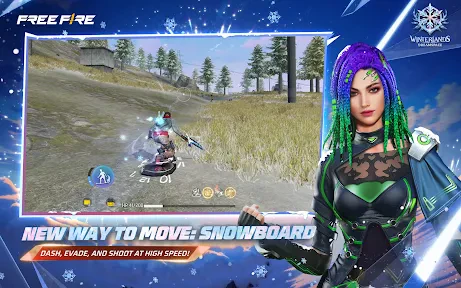
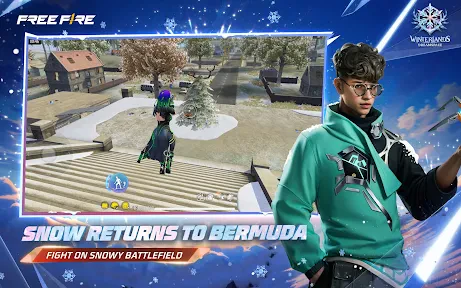
Let's talk about the setting first. The Free Fire: Winterlands map is a visual treat. Imagine a sprawling, snow-covered landscape where every nook and cranny holds the potential for epic battles. The winter theme isn't just for show; it genuinely affects gameplay. Slippery surfaces, snowstorms, and icy obstacles add layers of strategy that you won't find in your typical battleground.
Gameplay Mechanics
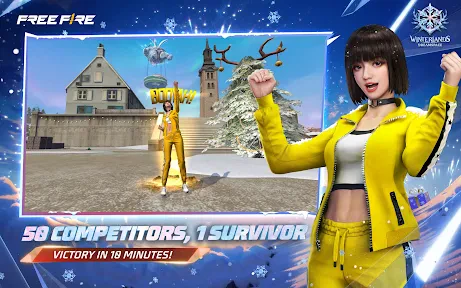
Now, onto the meat of the game—the gameplay itself. The controls are intuitive, especially for mobile, making it easy to navigate through the snowy terrains. What I love about this game is the fast-paced nature of each match. You're dropped onto the map with 49 other players, and the clock is ticking. It's a do-or-die situation where quick thinking and faster reflexes will get you far.
Reads About Free Fire: Winterlands
The first useful decision is how quickly to commit to a route. Moving directly toward the busiest action can produce early fights, but it also leaves less room to learn the map and judge what is happening around you. I prefer to treat the opening moments as a scouting phase: choose a direction, keep track of nearby threats, and avoid turning every encounter into a fight. That small change makes a short round feel more deliberate, even when the pace is hectic.
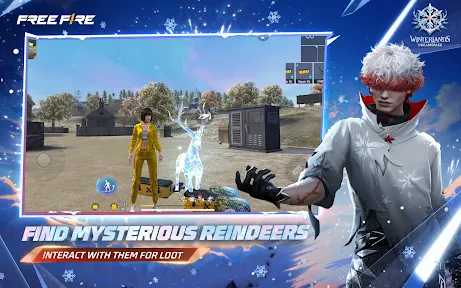
One standout feature is the character system. You can choose from a variety of characters, each with unique abilities that can turn the tide of any match. Whether you prefer stealthy approaches or going in guns blazing, there's a character to suit your style. This adds a layer of personalization that keeps the game fresh and engaging.
That choice is most useful when it supports a plan rather than simply looking appealing. If I am still learning, I would pick an ability that helps me play consistently instead of switching characters after every loss. A stable setup makes it easier to notice whether a mistake came from positioning, timing, or an ability choice. For friends playing together, agreeing on complementary approaches can also make coordination feel less improvised.
Visuals and Soundtrack
The visuals in Free Fire: Winterlands are nothing short of stunning. The graphics are crisp, and the winter effects are beautifully rendered. Every gunshot and explosion is accompanied by a soundtrack that heightens the tension and excitement. It's immersive, to say the least.
More From Our News Desk

Clash of Clans Is Won Between the Battles

Android Auto Makes the Case for Quieter Car Software

MobiOffice: Transforming Mobile Productivity with Seamless Integration

EA SPORTS FC™ Mobile Soccer: Redefining Mobile Sports Gaming

How Microsoft OneDrive Became a Mobile Productivity Giant

How Google Translate Breaks Language Barriers Effortlessly
But let's not forget about the sound design. You'll hear the crunch of snow underfoot, the distant echo of gunfire, and the chilling howl of the wind. These auditory details pull you deeper into the game world, making every moment feel real and urgent.
That atmosphere can also be practical: sound cues encourage me to pause before crossing exposed ground and to think about where a fight might be coming from. Playing with audio gives the environment more information; playing quietly or in a noisy place makes that advantage harder to use. I would not treat the soundtrack as decoration alone, but I also would not rely on sound if my surroundings make it difficult to hear clearly.
Community and Updates
One of the things that keeps players coming back is the active community and regular updates. The developers are constantly adding new content, tweaking existing features, and listening to player feedback. This ensures that the game remains balanced and continues to offer fresh challenges.
There's a real sense of camaraderie among players, and it's not uncommon to make a few friends along the way. Whether you're teaming up with buddies or flying solo, the community aspect adds another layer of enjoyment to the experience.
For a practical routine, I would set a simple goal before opening the game: practise one route, focus on staying alive longer, or coordinate one match with a friend. That gives a round a purpose even if I do not win. The reset after a defeat is quick emotionally, but it can also encourage a string of impulsive re-queues; taking a short pause to identify one decision to change is a better way to turn a loss into useful feedback.
How the Match Loop Feels
The reward is not only a win. A close escape, a better landing choice, or a more careful rotation can make a match feel worthwhile because I can see what I handled better. That is where the game’s short-round structure works well: each attempt gives me a clear chance to test a choice, and the next one arrives without requiring a long commitment.
Compared with slower battle royale games, this style favors quick reactions and compact decisions over extended planning. That is a strength when I want an energetic mobile session, but a drawback if I prefer lengthy exploration, measured team tactics, or a quieter pace. It is also not my first choice when I want a purely casual game without the pressure of other players trying to outlast me.
On an ordinary break, I might start a match while waiting for an appointment, then stop after one round rather than letting a loss dictate the rest of the afternoon. The game is best for players who enjoy repeated attempts and can treat setbacks as part of the loop. If competitive pressure frustrates you, or you mainly want a relaxed solo experience, a less confrontational action game may be a better fit.
Who It Suits and What to Expect
Free Fire is a free action game from Garena International I, with a 4.2 average from around 122 million ratings and over one billion installs. It is rated Mature 17+, so I would not recommend it for younger players. The current version is 1.108.1 and it runs on Android 5.0 or later. Optional in-app purchases range from $0.29 to $109.99 per item, so I would check purchase controls before handing a device to someone else; spending is not a substitute for learning how to move and make decisions.
It is worth knowing that a free download does not make every part of the experience frictionless: purchases are present, and the competitive loop can make another attempt feel tempting. I would treat any purchase as optional and decide a spending limit outside the heat of a match. The game’s large audience makes it easy to see why it remains a familiar choice, but popularity does not make its quick, combat-focused rhythm a universal fit.
A Better Routine for Short Sessions
If I only have a brief window, I find it helps to decide in advance whether I am playing to practise or simply to unwind. Those goals call for different choices: practice means paying attention to one route or decision, while casual play means accepting that a round may end before it feels satisfying. Setting that expectation prevents a quick match from turning into an unplanned stretch of play.
It also helps to use the result as a specific prompt rather than a verdict on skill. After a loss, I can ask whether I moved into a fight without enough information, stayed exposed too long, or chose a direction that left me with few options. That kind of review is more useful than changing everything at once, especially when character abilities and positioning both affect how an encounter unfolds.
Choosing It Over Other Shooters
Players deciding between mobile survival shooters should think about the kind of tension they enjoy. Free Fire suits someone who wants encounters to arrive quickly and decisions to matter within a compact match. A slower shooter is a better choice for someone who enjoys patient exploration, longer tactical plans, or time to coordinate every move. Neither style is automatically better; the right fit depends on whether you want urgency or room to breathe.
The winter setting gives this version a strong sense of place, but I would not choose it solely for the scenery. The draw is the combination of the themed map, character choices, and pressure to react while other players are pursuing the same survival goal. If you want a quiet way to explore a snowy landscape, this is the wrong expectation: the setting frames competition rather than replacing it.
For a first session, I would focus less on winning and more on learning how the map’s visual cues, sound, and movement affect decisions. Keeping one familiar character choice while trying a different route can make the result easier to interpret. That is a small but practical way to build confidence without turning each match into a test of every system at once.
Where the Loop Can Wear Thin
The same quick reset that makes the game convenient can also be its most tiring feature. When a round ends abruptly, it is tempting to jump straight back in before thinking about what went wrong. That can make losses blur together rather than teach anything. I recommend stepping away after a frustrating match; the game is more enjoyable when the next attempt feels like a choice, not an automatic response.
There is also a trade-off between learning from a mistake and keeping the experience social. When playing with friends, a shared match can be fun even if everyone is still figuring out their preferred approach. But a player who wants precise, quiet practice may find group play distracting. I would choose the mode of play that matches the session, rather than expecting every round to serve the same purpose.
Free Fire is a free action game from Garena International I, with a 4.2 average from around 122 million ratings and over one billion installs. It is rated Mature 17+, so I would not recommend it for younger players. The current version is 1.108.1 and it runs on Android 5.0 or later. Optional in-app purchases range from $0.29 to $109.99 per item, so I would check purchase controls before handing a device to someone else; spending is not a substitute for learning how to move and make decisions.
It is worth knowing that a free download does not make every part of the experience frictionless: purchases are present, and the competitive loop can make another attempt feel tempting. I would treat any purchase as optional and decide a spending limit outside the heat of a match. The game’s large audience makes it easy to see why it remains a familiar choice, but popularity does not make its quick, combat-focused rhythm a universal fit.
Before You Settle In
If you are wondering whether it works for a very short break, I would say yes, provided you are comfortable with a match that can end before you feel warmed up. The useful move is to set your stopping point before you begin. If you have only a few minutes, a single attempt is a sensible plan; if you have more time, give yourself room to learn from one round without turning every result into a demand for a better one.
For someone new to mobile survival shooters, the clearest starting point is to keep the first few decisions simple. Use a route you can remember, avoid changing several character choices at once, and pay attention to why you were exposed when a fight began. This will not guarantee a win, but it makes the early experience easier to understand and reduces the temptation to blame every setback on reflexes alone.
I would also think about the setting in practical terms. The snowy scenery helps make the map memorable, but it is still a backdrop for competition, not a slow sightseeing mode. Players who want a more deliberate tactical shooter may prefer an alternative with longer matches and more room to plan; players who want immediate pressure on a phone are more likely to appreciate this format.
What Makes a Second Attempt Worthwhile
The best reason to queue again is having one clear adjustment in mind. Maybe I want to avoid a route that left me trapped, or I want to listen before pushing toward distant gunfire. Keeping the experiment narrow makes the next result meaningful. If I change my approach, character choice, and risk level all at once, it becomes hard to tell which decision helped or hurt.
There is a useful difference between a close loss and a frustrating one. A close loss can point to a specific moment I can learn from; a frustrating match may simply be a sign that I am tired or no longer enjoying the pressure. Recognizing that distinction helps me decide whether to play another round or put the phone down. The quick loop is convenient, but it does not mean every spare moment should become another match.
For players who enjoy sharing a game with friends, the social side can make an ordinary wait feel more engaging. I would agree on a simple shared aim, such as staying together or trying a cautious route, rather than expecting everyone to play identically. That gives conversation a focus without making the session feel like a formal exercise, and it leaves room for each person to find a comfortable style.
One trade-off worth keeping in mind is that mobile convenience and competitive precision do not always feel like the same thing. A short, touch-controlled match is easy to start, but fast encounters can leave little time to correct a poor position. If you dislike learning through quick mistakes, a slower action game may be kinder. If you enjoy making a decision, seeing its consequence, and then adjusting, this loop has a clear appeal.
In conclusion, Free Fire: Winterlands is more than just a game; it's an experience. From its stunning visuals to its strategic gameplay, it offers something for everyone. Whether you're in it for the thrill of the fight or the beauty of the winter landscapes, this game delivers on all fronts. So gear up, dive in, and may the best player win!
Free Fire: Winterlands Frequently Asked Questions
Can I play Free Fire: Winterlands with a limited internet connection?
Free Fire: Winterlands is built around online battle royale matches, so an internet connection is part of playing rather than an optional extra. If your connection is unreliable, interruptions may make fast-paced matches less enjoyable. Before downloading, consider where you usually play and whether your connection is dependable enough for shared online action.
Will Free Fire: Winterlands use mobile data while I play?
Because Free Fire: Winterlands centers on online matches, playing requires connectivity and may use your mobile data if you are not connected to Wi-Fi. Data use can matter if your plan has a limit, so it is sensible to keep an eye on your device’s usage settings. You can choose when and where to play based on your connection and data allowance.
Can I use headphones or a controller with Free Fire: Winterlands?
Free Fire: Winterlands is an action-focused survival shooter, so clear audio and comfortable controls can matter during a match. If you prefer headphones or an external controller, check the compatibility and settings on your particular device before relying on them. The game’s central experience is competitive online play, and your preferred setup should feel comfortable for quick decisions.
Is Free Fire: Winterlands easy to control on a touchscreen?
Free Fire: Winterlands is designed for fast action, so getting comfortable with its controls may take a little practice, particularly if you are new to mobile shooters. Give yourself time to explore the control layout and adjust to aiming and movement during play. Players who enjoy learning through short competitive matches may find that format easier to approach than a long campaign.
Does Free Fire: Winterlands include voice chat or other social features?
Free Fire: Winterlands is a multiplayer game where players can compete in shared matches. If communication with teammates is important to you, review the options available in the game and your device’s permissions before using social features. Consider privacy and comfort as well, especially when a younger person uses a shared device or plays with people they do not know.
Pros
- Engaging battle royale gameplay
- Frequent events and updates
- Diverse character abilities
- Smooth graphics and animations
- Offline mode for practice
Cons
- In-app purchases can be costly
- Requires stable internet connection
- Battery drains quickly
- Limited map variety
- Occasional lag issues
- Category
- Action
- Version
- 1.108.1