Duet Friends: Cute Music Games
- 252.00
- 4.4
- Installs
- 10.00M
- Price
- Free

Screenshots


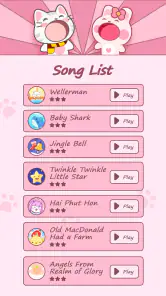




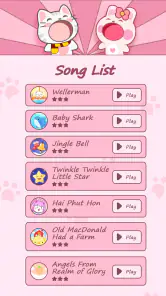
Analysis by Reviewed
I find the best way to judge a rhythm game is to separate its visual welcome from the work it asks of your hands and attention. Duet Friends: Cute Music Games has a soft, playful identity, but it still expects you to follow cues and respond in time. That makes it potentially inviting for someone curious about music games, while leaving a real question for anyone sensitive to busy visuals or fast input: does the cute presentation make the action feel pleasant, or does the timing still feel demanding?
Choosing a first session that gives you a fair read
I’d start with a brief try rather than deciding from the artwork alone. Play somewhere you can focus, keep the volume comfortable, and notice whether the visual cues are easy for you to pick out from the character art. A short first session is useful because it lets you assess the parts that matter most to your comfort: how quickly you need to react, how much attention the screen takes, and whether repeating a song feels enjoyable or tiring.
That first check is especially helpful when choosing a game for a child or another person with different sensory or motor needs. The Everyone age rating and friendly style may make it seem broadly approachable, but they do not mean every player will find the timing easy. I’d offer the game as an option, stay nearby for the first few attempts, and let the player decide whether the pace feels fun rather than treating a missed note as a problem to overcome.
Why replaying can help—and when it stops helping
There is a useful distinction between learning a rhythm and being able to physically respond to it. Replaying a stage can make a pattern feel more familiar, which may help a player anticipate what is coming. It cannot make a quick sequence slower or remove the need for timely input, though. If repeated taps become uncomfortable, or if the player needs more reaction time, persistence may simply add strain rather than improve the experience.
I’d use a small, practical test: after a few attempts, ask whether the next replay feels inviting. If the answer is yes, the challenge is doing its job; if the player is tense or frustrated, taking a break is better than chasing a perfect result. This is one reason I would not recommend it as a guaranteed calming activity. The art may be soothing to look at, but the interaction can still demand concentration and precise movement.
Where it fits among music games
Compared with a music player, this is an active pastime, not a way to put on a soundtrack and let it run in the background. Compared with a relaxed music-listening app, the central appeal is responding to music rather than simply enjoying it. And compared with rhythm games that emphasize demanding performance, its cute animal presentation gives it a gentler first impression, even though its later challenge can still call for accuracy.
That combination makes it a sensible pick for short, focused breaks and casual play with someone who likes character-driven games. It is less convincing if your priority is accessibility through slower input, hands-free listening, or a screen with minimal animation. In those cases, a music player or a different kind of low-pressure game is likely to fit better. I would choose based on the player’s preferred level of interaction, not on the theme alone.
You May Like

Clash of Clans Is Won Between the Battles

Android Auto Makes the Case for Quieter Car Software

MobiOffice: Transforming Mobile Productivity with Seamless Integration

EA SPORTS FC™ Mobile Soccer: Redefining Mobile Sports Gaming

How Microsoft OneDrive Became a Mobile Productivity Giant

How Google Translate Breaks Language Barriers Effortlessly
Small choices that make play more comfortable
A few ordinary decisions can make a session easier to assess without assuming the game has settings it may not offer. Use a stable grip, sit down if balancing the phone is distracting, and avoid playing while walking or doing another task. If the room is noisy, headphones may make the music easier to hear, but they also reduce awareness of nearby activity; in public, safety matters more than catching every beat.
It can also help to stop between songs instead of treating every missed cue as a reason to restart immediately. A pause gives your hands and attention a break and helps you work out whether the issue was an unfamiliar rhythm, the speed, or simply a distracting setting. If you play with a friend, agree that the point is to have fun rather than compare results. That keeps the social element supportive for players who enjoy company but dislike pressure.
For anyone managing screen sensitivity, I’d pay attention to the whole presentation rather than judging only the music. Bright or moving visuals can be tiring even when the sound is comfortable, and cute artwork is not the same as a quiet interface. Since players vary, the most reliable approach is a short trial at a time of day when stopping is easy. If the display or pace feels unpleasant, there is no need to push through just because the game is designed to be cheerful.
If you are wondering whether it is suitable for a quick commute, I’d distinguish sitting and waiting from moving through a busy place. A seated wait can be a reasonable moment for one focused round, provided you can keep track of your surroundings. Walking, crossing streets, or needing to listen for announcements are poor situations for a game that depends on visual attention and timing. The same goes for playing while someone is talking to you: it is better to set the phone aside than to split your focus.
Readability and navigation through a cute world
The first thing that caught my attention was how cute everything is. From the characters to the background visuals, everything is designed to make you feel like you’re in a kawaii music world. You start off by picking your character, each with their own unique style and flair. The game is all about hitting the right notes in time with the music, and let me tell you, the soundtrack is fantastic. It's packed with catchy tunes that range from pop to classical, keeping you on your toes.
The playful character art gives the game a clear identity, but decorative visuals can compete with the notes in any rhythm game. I’d judge a session by whether I can keep my attention on the timing cues rather than the surrounding animation. If you are choosing a game for a child or someone who gets overwhelmed by busy screens, try a short session together first; the cute theme may feel welcoming, but it does not by itself tell you how readable the action will be on your particular phone.
Timing, comfort, and everyday play
A challenge Awaits
Don’t be fooled by the game’s adorable exterior; it can get pretty challenging! As you progress, the levels get increasingly difficult, demanding not just speed but precision. I found myself replaying levels to get that perfect score. The challenge is part of the appeal, motivating you to improve your timing and rhythm skills.
That precision is also the main motor consideration. Rhythm play asks for timely taps, so it may be a poor fit if repeated quick touches are uncomfortable, or if a player needs more time to react. I would approach tougher stages as practice rather than a test: replaying a song can help you learn its rhythm, but it will not remove the need to respond at the right moment. If you want a music game that lets you listen without active input, a conventional music player is the better choice.
What I really appreciate is how the game encourages you to master each song. You get a sense of accomplishment as you move from one level to the next, and the rewards system keeps you coming back for more. Plus, the game is consistently updated with new tracks, so there’s always something fresh to look forward to.
For a useful everyday routine, I’d play a song or two during a quiet break, with the phone held steadily and the sound at a comfortable level. That makes it easier to concentrate on the beat and notice whether the visuals or pace are tiring. In a waiting room or shared space, keep in mind that a rhythm game may call for more focus than a casual puzzle; headphones can help with sound, but they are not a substitute for being aware of your surroundings.
Community Features
Another aspect that sets Duet Friends apart is its vibrant community features. You can connect with friends and even compete against them in multiplayer mode. It adds a social element that I find really enriching. There’s nothing like a little friendly competition to spice things up!
That social angle makes it a different proposition from a solo rhythm game, where the main reason to return is usually improving your own performance. A friend can make a replay feel more playful, but competition can also add pressure for someone who would rather practise privately. I’d choose it for shared, lighthearted play, and choose a more relaxed single-player music experience if social comparison is likely to spoil the fun.
Moreover, the game’s developers are pretty active in the community, often taking feedback and making improvements. It’s always nice to see developers who care about their user base.
Who it suits, and where the friction remains
Duet Friends is a music game from AMANOTES PTE. LTD. It is free to start, rated for Everyone, and its current version is 2.0.115; optional in-app purchases range from $0.99 to $7.99 per item. The game has a 4.4 average from around 10,000 ratings and has passed 10 million installs, which suggests a broad audience, though popularity cannot tell you whether its timing style will suit you personally. It was released on May 29, 2023, and requires Android 7.0 or later.
I’d recommend trying it if you enjoy cute animal characters, want a hands-on music game, and find replaying a tricky section satisfying. It is less suitable if you need slow, forgiving interactions, prefer music without a performance challenge, or are easily distracted by animated presentation. The free entry point makes sampling it straightforward, but optional purchases are worth keeping in mind if you prefer to avoid spending inside games.
One practical tip is to treat missed notes as information: pause between attempts, identify whether the difficulty is the pace or your timing, then decide whether another replay sounds enjoyable. That small reset can keep practice from turning into frustration. Also consider the setting: a brief session at home gives you more control over volume and attention than playing while walking, commuting, or trying to follow a conversation.
My inclusive verdict
I see this as a welcoming-looking rhythm game, not a universally easy one. Its animal characters and upbeat style may draw in players who would pass over a more intense-looking music game, while the timing challenge gives experienced players a reason to improve. The important trade-off is that the same active play that makes a successful run satisfying can be uncomfortable for someone who needs slower responses, less visual activity, or a break from precise tapping.
For a first try, I’d keep expectations modest: choose a quiet moment, play briefly, and check how both the screen and the input feel. If the player enjoys the rhythm and wants another attempt, the game has found its audience. If they would rather listen than perform, or the pace feels like work, there is no need to force a fit. For me, that honest choice is more useful than treating a cute presentation as proof that every player will find it relaxing.
So, if you’re looking for a rhythm game that’s both cute and challenging, Duet Friends: Cute Music Games is definitely worth checking out. It’s not just a game; it’s a whole experience that pulls you in with its charm and keeps you hooked with its gameplay. Give it a try and see if you can keep up with the beat!
Duet Friends: Cute Music Games Frequently Asked Questions
Who developed Duet Friends: Cute Music Games, and what kind of game is it?
Duet Friends: Cute Music Games is a music game developed by AMANOTES PTE. LTD. Its cute animal-buddy theme and rhythm-focused play make it a lighthearted choice for people looking for a casual game built around music. The store describes it as a fun, relaxing game from the team behind Magic Tiles, so it may appeal to players who enjoy approachable rhythm games with a kawaii style.
What is Duet Friends: Cute Music Games and how does it work?
Duet Friends: Cute Music Games is an engaging music-based rhythm game available for both Android and iOS devices. Players tap along to the beat of various songs, following cues on the screen. The game features adorable characters and a wide range of musical tracks, making it enjoyable for users who love music and rhythm challenges. It combines cute graphics with dynamic gameplay to create a captivating experience.
Is Duet Friends suitable for all ages?
Yes, Duet Friends: Cute Music Games is designed to be family-friendly and suitable for players of all ages. It features cute and non-violent graphics, making it appropriate for children, teens, and adults alike. Parents can feel comfortable allowing their children to play, as the game promotes musical creativity and rhythm skills without any inappropriate content. It has an Everyone content rating, though families may still want to consider the optional in-app purchases and manage spending settings on a child's device.
What are the device requirements for Duet Friends?
Duet Friends: Cute Music Games requires a device running Android 7.0 or later. The game is optimized for both smartphones and tablets, ensuring smooth gameplay across different screen sizes. Users should ensure their devices have sufficient storage space and a stable internet connection to download and enjoy the game's full features and updates. The game is also available for iOS devices.
Does Duet Friends offer in-app purchases?
Yes, Duet Friends: Cute Music Games does offer in-app purchases, with individual items priced from $0.99 to $7.99. While the game is free to download and play, these optional purchases can provide more variety and additional content. It’s advisable for parents to manage in-app purchases if children are playing, especially if the game is used on a shared device.
Pros
- Charming graphics and animations
- Wide range of catchy tunes
- Easy to learn
- hard to master
- Frequent updates with new content
- Suitable for all ages
Cons
- Requires internet for full features
- Ads might disrupt gameplay
- Limited offline play options
- In-app purchases can be pricey
- Some tunes require unlocking

- Category
- Music
- Version
- 2.0.115