Clash of Clans
- 1.98M
- 4.5
- Installs
- 500.00M
- Price
- Free

Screenshots
Analysis by Reviewed
I enjoy strategy games that make decisions feel connected rather than disposable, and Clash of Clans does that through a village you shape over time and battles where each deployment matters. It’s a strategy game from Supercell, but it also works as a slow-burn hobby you can check in on between other parts of the day. With a 4.5 average from around 62 million ratings and over 500 million installs, it has clearly found a huge audience; what matters more to me is whether its pace fits yours.
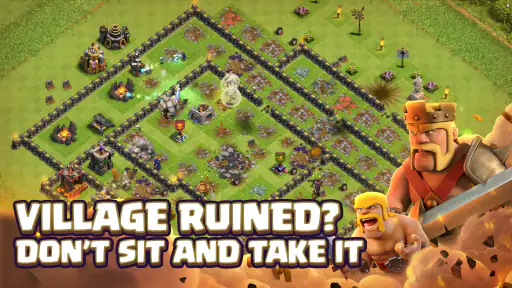
A village is a plan, not just a collection of buildings
What makes the game’s decision space appealing is that building, defending, and attacking pull on the same pool of attention. An upgrade can strengthen one part of your approach while leaving another less prepared, so I try to think about what I want the village to do before choosing what to improve. That small pause prevents the common feeling of spending resources simply because they are available.
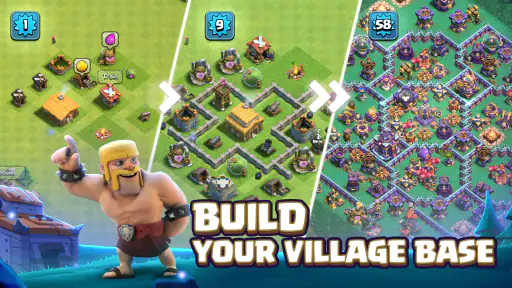
Early on, it’s tempting to spend resources as soon as they appear. I found it more useful to think one or two upgrades ahead: choose improvements that support the way you like to attack, but don’t neglect the defenses that protect what you’ve built. A village is not just a collection of attractive structures. Its layout is part of your strategy, and changing it when a weak point becomes obvious is more valuable than treating your first design as permanent.
Reads About Clash of Clans
That makes the game rewarding for players who enjoy gradual progress rather than instant victories. A useful routine is to check which upgrades are underway before you start a session, then use available resources and troops with a clear goal. If you only have a short break, a quick attack or village check can still feel productive; if you want a deeper session, you can review a layout and plan how to approach a more difficult target.
Attacking means weighing risk and reward
Once you’ve got your village up and running, it’s time to test your might against other players. The multiplayer aspect is where Clash of Clans truly shines. You can join clans, participate in clan wars, and even chat with your clan members to devise the best strategies. The cooperative nature of the game fosters a sense of community, making it more than just a solo experience.
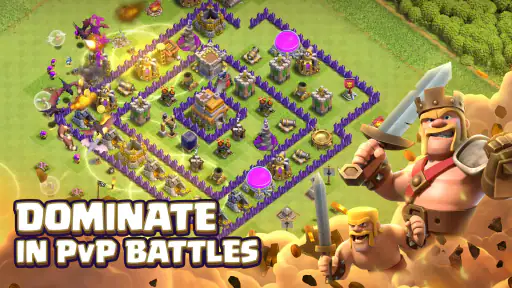
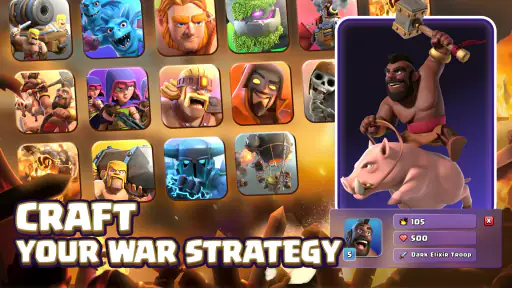
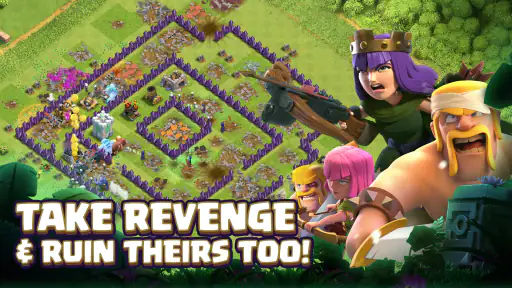
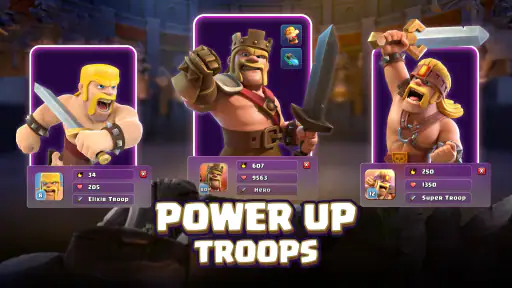
Attacking other players' villages is a rush like no other. You get to deploy a variety of troops, each with their own strengths and weaknesses. Planning the perfect attack strategy is crucial, and there's nothing more satisfying than seeing your troops conquer an opponent's base.
That rush does come with a trade-off: an attack is a commitment, so I try to look at the defenses and likely route through a base before deploying. A simple plan—where to enter, which obstacle to address first, and what I want the remaining troops to accomplish—often beats dropping everything at once. If a target looks too awkward for the army I have ready, skipping it can be smarter than forcing a poor fight. This is where patient observation matters more than having the biggest-looking force.
More From Our News Desk

Android Auto Makes the Case for Quieter Car Software

MobiOffice: Transforming Mobile Productivity with Seamless Integration

EA SPORTS FC™ Mobile Soccer: Redefining Mobile Sports Gaming

How Microsoft OneDrive Became a Mobile Productivity Giant

How Google Translate Breaks Language Barriers Effortlessly

Why Google Sheets Is the Ultimate Mobile Productivity Tool
Getting more from each attack
I also find it useful to treat a disappointing attack as information instead of a reason to repeat the same attempt immediately. Think back to where the plan stopped working: perhaps the chosen entry did not lead where expected, or the force was committed before the key defenses were dealt with. A short note to yourself about that mistake can make the next decision clearer, even if you change only one part of the approach.
There is a practical trade-off between choosing a target that looks manageable and trying to stretch your skills against a tougher layout. The safer choice can be sensible when you have little time or want a reliable session; a harder target can teach you more if you are willing to accept that the result may be imperfect. I would not make every attack a test of pride. Matching the target to your available troops and attention is usually the better kind of strategy.
Building Your Empire
In Clash of Clans, you start with a small plot of land, a few resources, and a big dream. The game is all about building and upgrading your base, training troops, and strategizing to protect your village from enemy attacks. It's like having your own little kingdom, and trust me, it's addictive!
The graphics are vibrant and engaging, with every structure and character boasting a unique design. As you progress, you unlock new buildings and upgrades, which keeps the game fresh and exciting. The level of customization is impressive, allowing players to tailor their base to their strategic preferences.
Adapting instead of copying
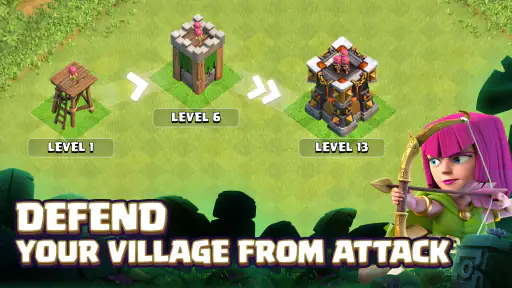
When I’m deciding how to arrange a base, I think about what I want it to do rather than copying a layout without understanding it. A design that helps protect resources may not suit the priorities of a player preparing for clan activity, and a layout that worked before can become less dependable as new buildings and upgrades change what I need to defend. Reviewing where attackers can enter, then moving defenses to cover the routes that matter, turns base editing into a practical counterplay exercise.
That same habit helps on offense. Rather than relying on one comfortable troop mix, I look at the target and adjust the plan to the defenses in front of me. The useful lesson is not that there is one perfect formation, but that a plan should have a reason. Players who enjoy learning from a failed attack will find plenty to think about; anyone who wants every attempt to be predictable may find that uncertainty frustrating.
Depth that grows with commitment
Don't let the colorful graphics fool you; this game requires a good deal of strategy. From deciding which buildings to upgrade first to managing resources efficiently, every decision counts. The game constantly challenges you to think critically and adapt to new situations, especially during clan wars where teamwork becomes essential.
Plus, the developers keep things interesting with regular updates and special events. Whether it's new troops, defense mechanisms, or limited-time challenges, there's always something to look forward to. This continuous evolution is a big part of what keeps players coming back for more.
There is a real distinction between casual progress and pursuing every available improvement. The first can fit around daily routines, while the second asks for more attention to resource choices, base revisions, and coordination with other players. I’d recommend treating clan participation as a social commitment you choose, not a requirement for enjoying the village-building loop. If you prefer a game that can be finished in a weekend or one that never asks you to revisit old decisions, this long-running progression may not be your best fit.
Choosing the right pace for your day
A realistic routine for me would be to check the village over breakfast, decide which improvement best supports my current plan, and leave the longer attack for a break when I can give it proper attention. If friends are coordinating a clan activity, I would take that into account before committing; the social side is more enjoyable when I can participate rather than rush through it distracted. The game can fit into short visits, but its more thoughtful decisions benefit from a little uninterrupted focus.
That distinction helps answer a common question: does it demand long sessions? Not for every part of play. A quick check-in can give me a clear next step, while planning an attack or discussing a shared strategy can take more attention. I would skip a session when I’m too rushed to consider a target, rather than treating every spare minute as a reason to launch an attack.
Where it fits among strategy games
Compared with quick, match-based strategy games, this one gives more weight to the village you develop over time and to the consequences of how you invest in it. That ongoing ownership is its distinctive appeal, but it also means progress is less about completing a self-contained session and more about returning to a continuing project. I’d choose it over a short tactical game when I want persistent building and social coordination; I’d choose the shorter alternative when I want a clean start and finish without keeping track of a base.
It also suits a different mood from a puzzle strategy game. Puzzles often reward solving a tightly framed problem and then moving on; here, the problem is connected to a village and a set of choices that keep developing. That ongoing context gives successful decisions more weight, but it also makes the experience less suitable if I want every session to end with a neat sense of completion. Someone who enjoys careful planning but dislikes multiplayer pressure can still focus on village development, though the competitive and cooperative dimensions are an important part of the game’s appeal.
The game is free to start, and in-app purchases range from $0.29 to $239.99 per item. I’d decide on a personal spending limit before buying anything, especially if the temptation is to pay just to move past a choice I have not thought through. Spending is not a substitute for a sound plan: I would first ask whether the purchase supports a kind of play I actually enjoy or merely answers a moment of impatience. It is rated Everyone 10+, and the current version is 17.126.20 for Android 5.0 and later.
My strategy verdict
So, is Clash of Clans worth your time? Absolutely! Whether you're a casual gamer or a strategic mastermind, this game has something for everyone. The combination of building, battling, and social interaction creates a well-rounded experience that's both fun and rewarding. It's easy to see why it's become a staple in the mobile gaming community.
In a world full of mobile games vying for your attention, Clash of Clans stands out with its engaging gameplay and vibrant community. If you haven't tried it yet, there's no better time to jump in and start building your empire.
Who should give it a try
I’d recommend it to someone who likes making incremental plans, tweaking defenses after seeing how they hold up, and sharing strategy with a group. It can also suit a player who wants a mobile game to revisit in short bursts rather than a campaign that demands one long sitting. On the other hand, if you dislike waiting for gradual development, social coordination, or having your decisions tested by other players, a self-contained puzzle or turn-based game may be a better match.
My practical advice is to begin with a simple personal priority: decide whether your next stretch is about improving your village, getting more comfortable with attacks, or joining in with clan activity. That keeps each return focused and helps prevent aimless spending of resources. The best reason to keep playing is not to chase every upgrade, but to enjoy the small strategic choices and see whether your village becomes more resilient because of them.
Making a routine that lasts
One small habit I’d use is to separate “planning time” from “spending time.” Before committing resources, I’d check whether an upgrade supports my next goal, such as making my preferred attacks more reliable or correcting a weakness I noticed in defense. This makes returning after a busy day easier: instead of reopening the game and browsing every option, I already have a sensible next step. It also reduces the chance of changing several things at once and then not knowing which decision helped.
For a new player, that approach can keep the early experience from becoming a race to unlock everything. I’d focus on understanding what the buildings and troops I already have are doing, then make changes gradually enough to notice their effects. If I were coming back after a break, I’d do the reverse: take a fresh look at the village and current goals before spending resources, rather than assuming my old priorities still make sense. The useful question is not simply “What can I upgrade?” but “What problem will this solve for me?”
What the social side asks of you
Clan activity is most rewarding when I can treat it as cooperation rather than a box to tick. Chat can help turn a vague idea into a coordinated plan, but it also means other people’s availability and expectations may shape when I want to play. If that sounds like more obligation than fun, I’d begin by enjoying the personal building and attack decisions at my own pace, then decide whether a clan fits. A group is a bonus when its rhythm suits yours, not a reason to turn a relaxing game into another appointment.
That is also why I would not recommend it as the ideal choice for someone seeking a purely solo experience with a fixed ending. You can make plenty of personal decisions, but the game’s ongoing village and player-versus-player setting mean it feels different from a standalone campaign. If you value a shared hobby and enjoy discussing how to approach a base, that continuing social context can keep familiar activities interesting. If you would rather never depend on coordination, a solo strategy game is likely a more comfortable fit.
Choosing it for the right reason
For me, the strongest reason to try it is the connection between long-term planning and moment-to-moment choices: the village gives attacks context, while attacks give you reasons to reconsider the village. Its scale can be appealing if you like having a project to return to, but that same persistence is the main caveat. It will not always deliver a tidy finish after one visit, and some sessions are about setting up a better decision for later rather than enjoying an immediate payoff.
I’d start free, pay attention to whether the planning loop itself is enjoyable, and only consider purchases after deciding what kind of progress I want. The game works best for me when I’m curious about why a defense failed or how a different approach might change an attack, not when I’m trying to hurry through every wait. If that patient, iterative style sounds satisfying, Supercell’s strategy game is an easy one to settle into; if you want a compact challenge that asks nothing of you between sessions, I’d choose something more self-contained.
Clash of Clans Frequently Asked Questions
Does Clash of Clans need much storage space on my device?
It is sensible to check that your device has room before installing Clash of Clans, particularly if you expect to keep the game updated. The game’s village-building, troop-training, and battle systems make up its core experience, and updates can add changes or features. Keeping some available storage can help avoid problems when installing or updating the app.
Can I transfer my Clash of Clans progress to another device?
If you plan to switch phones or play on another compatible device, consider how you will access your existing game progress before making the change. Clash of Clans is an ongoing game built around developing a village, so preserving progress can matter to returning players. Review the account and connection options available in the game before relying on a device change.
Does Clash of Clans have social features that parents should review?
Yes. Clan play gives Clash of Clans a social side, as players can cooperate with others and take part in shared activities. Parents may want to discuss how a child should interact with other players and review the game’s available settings before downloading. The Everyone 10+ rating is also worth considering alongside a child’s maturity and family preferences.
Can I play Clash of Clans at my own pace?
You can choose how actively to engage with Clash of Clans, balancing village development, troop training, and battles according to your preferences. Players who enjoy checking in often may spend more time on progression and clan activities, while others can approach it more casually. Its ongoing strategic structure is worth considering if you prefer games that fit around your routine.
Is Clash of Clans mainly about attacking, or is defending important too?
Both sides of combat matter to the overall strategy. You build and develop a village while also training troops and preparing for battles, so decisions about your base are part of the experience as well as decisions about attacks. Players who enjoy thinking about how to progress and how to approach combat may appreciate this balance between development and tactical play.
Pros
- Engaging strategy gameplay.
- Regular updates and events.
- Strong community and clan support.
- Free to play with optional purchases.
- Visually appealing graphics.
Cons
- Requires constant internet.
- Can be time-consuming.
- In-app purchases can be pricey.
- High learning curve for new players.
- Occasional server issues.
- Category
- Strategy
- Version
- 17.126.20