Policia de Niños Llamada Falsa
- 298.00
- 4.7
- Installs
- 1.00M
- Price
- Free

Screenshots

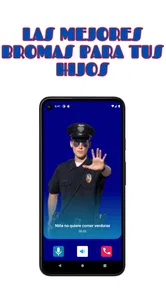
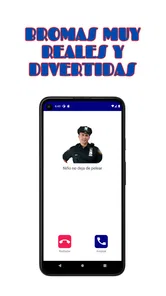
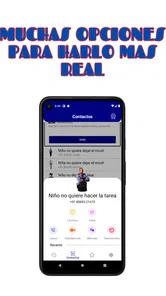
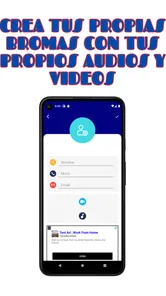
Analysis by Reviewed
I see Policia de Niños Llamada Falsa as a very particular parenting aid: a pretend call intended to catch a child’s attention, not a general family organizer or a tool for managing routines. That narrow purpose can be useful in a pinch, but it also means the result depends more on timing, your child’s temperament, and how you frame the joke than on the app alone.
How the pretend call fits into parenting
At its core, this is a prank app built around the idea of a simulated call from a police officer. Its developer is Very Important Apps, and it sits in the parenting category. The basic appeal is easy to understand: a child who is absorbed in a game or resisting a transition may pause when a phone seems to ring. The important distinction is that the app can create a moment of attention; it cannot resolve the reason a child is upset or replace a calm conversation.
In a realistic everyday situation, I would treat it as a planned bit of family play rather than a threat to produce instant obedience. For example, a parent might use a friendly pretend call during a lighthearted cleanup game, then join the child in putting toys away. That gives the child a clear next step and keeps the interaction connected to the parent, rather than making an imaginary authority responsible for discipline. If a child is frightened by police, unfamiliar voices, or unexpected calls, I would skip the joke altogether.
When timing and connection matter
A simulated call is most useful when a phone is already within reach and the child is in a situation where a brief interruption is welcome. It is less suited to moments that need sustained attention, such as explaining a safety rule or helping a child work through a difficult feeling. Since the premise relies on a call-like moment, I would prepare it before the situation gets heated rather than trying to troubleshoot while a child is waiting. That small bit of planning can keep the interaction playful instead of making a delay feel like another frustration.
Connectivity is worth considering without assuming that every part of the experience works the same way in every setting. If you plan to use it while traveling, in a waiting room, or somewhere reception is unreliable, try the relevant steps at home first and see what happens on your own device. I would not count on a pretend call as the only way to occupy a child during a long trip. A book, a familiar offline activity, or a direct conversation is a safer backup when mobile service is uncertain.
Choosing the right moment and setting expectations
The app is free, and its audience is parents looking for a playful intervention rather than a formal behavior program. It has a 4.7 average from around 15,000 ratings and has passed one million installs, which suggests that the idea has found an audience, though those figures do not tell me whether it will suit a particular child. It is rated Teen, so I would check the age guidance and decide whether the tone is appropriate for my family before handing over the phone or using it around younger children.
One practical trade-off is believability. A child who recognizes the screen, hears the same setup repeatedly, or asks direct questions may quickly realize the call is pretend. That is not necessarily a problem if everyone is in on the game, but it makes repeated use a poor substitute for consistent expectations. I would also avoid using the call to claim that real police are monitoring a child or will punish them. Keeping the joke transparent enough to feel safe protects trust, especially with children who take authority figures literally.
More From Our News Desk

 Remini - AI Photo Enhancer
Remini Is Our App of the Week for Bringing Old Photos Back to Life
A quick AI restoration tool earns its place by making faded portraits and soft, older photos feel vivid again—provided you know where its polish ends.
 PayPal - Pay, Send, Save
PayPal Reviewed: Who Benefits from Its Reach, and Who Should Skip It
PayPal is most useful when its reach and familiar checkout solve a real payment problem. These reader-by-reader recommendations show where it earns a place—and where friction wins.

 Millionaire 2026 Quiz & Trivia
 Makes Every Answer Count
A familiar quiz-show format succeeds or falters on tiny design decisions: how clearly the game guides a first answer, handles hesitation, and invites one more round.

 Decor Life - Home Design Game
Decor Life Turns Short Breaks Into Bite-Sized Decorating Jobs
A room-by-room decorating game built for quick sessions gains from modern phone habits, but its gentle pace still depends on patience, repetition, and a steady stream of design jobs.
 Sniper 3D:Gun Shooting Games
Sniper 3D’s Quick-Shot Appeal Faces the Upgrade Treadmill
The appeal is immediate: line up a target, steady your aim, and fire. The harder question is whether Sniper 3D can keep players returning after the first rush.

 Blockudoku®: Block Puzzle Game
Blockudoku vs. the Puzzle Pack: A Quick Puzzle With a Repetitive Edge
Blockudoku turns a clean grid into a quiet test of foresight. Against match-three polish and head-to-head simplicity, its lasting appeal is also its biggest limitation.
Latest News


What to expect from setup and recovery
Because this is a phone-based prank, it makes sense to test the setup privately before using it in front of a child. Check that the sound is at a comfortable level, that the device is not already in a call or occupied with another task, and that you can stop the interaction if the child becomes uncomfortable. If a screen or sound does not behave as expected, do not improvise a more alarming story to cover the glitch; simply put the phone away and explain that it was a game. This is a small but useful recovery plan, and it matters more than making the trick look perfectly convincing.
For data-conscious use, I would keep the phone in the parent’s hands and avoid letting a child explore settings or enter personal details as part of the joke. The useful question is not just whether the app can attract attention, but whether the moment is worth introducing a screen when a simple parent-led prompt would do. If the child is already absorbed in a device, adding another phone interaction may make it harder to move on afterward. In that case, a visual timer, a choice between two tasks, or a playful cleanup song may be a better fit.
A narrow tool, not a discipline plan
The app has been available since January 19, 2020, and its current version is 3.4, with Android 7.0 as the minimum operating system. Those details make compatibility worth checking before planning around it. If it does not suit your device or your child, the usual alternatives in parenting are simpler: a direct reminder, a predictable routine, or a pretend-play role that you and your child create together. Those options do not depend on a simulated caller and can be easier to adapt when a child is upset or suspicious.
I would recommend trying this only to parents who already know their child enjoys gentle pretend play and who are comfortable keeping the joke brief. It is not the right choice for a child who is anxious about police, easily frightened by authority, or likely to interpret the call as a real warning. Used thoughtfully, it can add a playful pause to an ordinary routine; used as pressure, it risks undermining trust and teaches little about the behavior you actually want to encourage.
If you do try it, decide on the purpose beforehand, keep the call light, and follow it with your own clear guidance. That approach makes the app a small prop in a shared moment rather than a stand-in for parenting. For me, that is the most sensible way to judge whether it belongs in a family’s toolkit: not by how convincing the pretend call seems, but by whether the child feels safe and the next step becomes easier.
Features and Fun
The app is incredibly easy to use. Once you download it, you simply set up a fake call by choosing from a variety of different police characters, each with their own unique voice and script. This makes the experience feel surprisingly realistic, just enough to grab a child's attention. The app allows you to schedule calls at a specific time, so you can plan ahead for those moments when you might need a little backup.
Another neat feature is the ability to customize the call. You can choose the name and picture that will appear on the caller ID, making it more believable for the little ones. Plus, the app supports multiple languages, which is a nice touch if you're raising a bilingual child or want to introduce them to a new language in a fun way.
Why It Works
Now, you might be wondering why this app works so well. It’s all about the element of surprise and the authority that a police figure holds in a child's mind. When used sparingly and in a light-hearted manner, it can be a great tool for parents. Just imagine the look on a child's face when they hear a friendly officer asking them to listen to their parents or clean up their toys!
It’s important to note that this app should be used responsibly. It’s designed for fun and to encourage good behavior, not to scare children. The app creators have ensured that the voices and messages are friendly and positive, so it doesn’t instill fear, but rather a playful sense of duty.
The Verdict
In conclusion, Policia de Niños Llamada Falsa is a creative and entertaining app that adds a bit of fun to parenting. It's not meant to be a serious disciplinary tool, but rather a light-hearted way to engage with children and encourage positive behavior. Whether you're looking to diffuse a tantrum or just want to bring a smile to a child's face, this app is worth a try. Just remember, like all good things, it works best in moderation.
Policia de Niños Llamada Falsa Frequently Asked Questions
Who is Policia de Niños Llamada Falsa intended for?
Policia de Niños Llamada Falsa is a parenting app intended for adults who want to stage a pretend police call as a prank or playful family activity. It is not a real police service, so parents should guide how and when it is used. Consider your child’s age, temperament, and understanding of pretend play before introducing the idea.
Is Policia de Niños Llamada Falsa a real way to contact the police?
No. Policia de Niños Llamada Falsa is presented as a fake prank-call app for parents, not a way to contact emergency services or report a real incident. Treat any calls created with it as fictional, and make sure children understand the difference between pretend play and asking for help in an actual emergency.
Is Policia de Niños Llamada Falsa free to download?
Yes. Policia de Niños Llamada Falsa is a free parenting app from Very Important Apps. It is presented as a playful prank-call tool for parents, rather than a real police service. Before downloading, remember that its purpose is to stage pretend calls for entertainment or family use, so it should be introduced to children in a way that feels appropriate for them.
What age rating does Policia de Niños Llamada Falsa have?
The app has a Teen content rating, which is worth considering before installing it for a younger child. Although its concept is aimed at parents using pretend calls with children, families should decide whether the prank format suits their child’s age and temperament. It may help to explore the app together first and explain that the calls are fictional.
What is Policia de Niños Llamada Falsa and how does it work?
Policia de Niños Llamada Falsa is a fun and interactive mobile app designed to entertain children by simulating fake phone calls from the police. It allows parents to use these calls as a playful way to encourage good behavior in their kids. The app includes various scenarios and voices, making the experience realistic and engaging for children.
Pros
- Fun and engaging for children.
- Easy to use interface.
- Variety of prank call scenarios.
- Free to download.
- Low storage space required.
Cons
- Contains ads.
- Limited features in free version.
- Requires internet connection.
- Not suitable for all ages.
- No parental control features.