Breastfeeding tracker Pump log
- 124.00
- 4.8
- Installs
- 1.00M
- Price
- Free

Screenshots



Analysis by Reviewed
Before I decide whether a baby log will actually help, I ask one simple question: what do I keep having to remember? With a newborn, it might be the last feeding side, a pumping session, or whether someone else already changed a diaper. Breastfeeding tracker Pump log is most useful when it takes that small piece of mental bookkeeping off your hands without turning every moment into a data-entry task.
Who is likely to get the most from it
I can see this being especially handy for a first-time parent who wants a straightforward record to refer to during a busy day, or for a household where two caregivers trade off feeds and diaper changes. Instead of trying to reconstruct the morning from memory, you can use the log as a shared point of reference. That is a modest benefit, but on a tired day, modest benefits count.
It may also suit someone who is pumping as well as breastfeeding and wants those activities alongside other baby-care notes. The key is to decide what you want the record to answer. If you only need a reminder of the last side, logging that consistently may be enough; there is no need to turn on every kind of tracking just because it is available.
Pick a small routine before adding detail
For the first few days, I would choose one reliable moment to make an entry, such as after the baby has settled. That is easier to remember than trying to operate a phone throughout a feed, and it avoids making the screen a distraction when you would rather focus on the baby. If you do use a timer or enter a session later, keep the same approach each time so the record remains useful to you.
There is a practical trade-off here: more detail can make a log more informative, but only if you can enter it without adding stress. A note that is slightly incomplete but easy to maintain may serve you better than an ambitious record that you abandon after a few demanding days. I would start with feeding, then add pumping or diaper entries only if they answer a question that comes up repeatedly.
A handoff that works when everyone is tired
Imagine one caregiver has handled the early morning and the other is taking over. A quick look at a consistent log can help the next person understand what has happened without a long, half-awake recap. For that to work, agree on a simple convention in advance: record the same kinds of details and avoid guessing when an entry was missed. A shared history is only helpful when both people interpret it in the same way.
This is also a good reason to keep the record factual rather than treating it as a scorecard. A missed entry does not mean the day went wrong; it means the record has a gap. If you are worried about feeding or your baby’s health, take those concerns to a qualified professional instead of expecting a tracker to interpret the situation.
More From Our News Desk

Weather by Xiaomi Review: Clear at a Glance, Less Clear Up Close

X Under Pressure: Can It Recover When Posting Goes Wrong?

Clash of Clans Is Won Between the Battles

Android Auto Makes the Case for Quieter Car Software

MobiOffice: Transforming Mobile Productivity with Seamless Integration

EA SPORTS FC™ Mobile Soccer: Redefining Mobile Sports Gaming
What a broader log can and cannot replace
A notebook can be quick, private, and available without opening an app, while a basic timer can be simpler if all you want is elapsed time. A broader baby-care tracker earns its place when you want feeding alongside pumping, diapers, sleep, care, or growth notes. For me, the deciding factor is not how many things can be recorded, but whether having them together saves enough effort to justify maintaining them.
If you already have a system that everyone in the household uses reliably, switching may create duplicate work rather than solve a problem. Likewise, if you want medical interpretation, a feeding plan, or a tool built around a specific clinical need, this general parenting app is not a substitute for professional guidance. Its strongest role is as an everyday memory aid.
Small choices that make the log more useful
One useful habit is to decide what counts as a complete entry before you start. For example, you might consistently record the feeding side when that is the detail you tend to forget, rather than trying to capture every possible observation. This makes later entries easier to scan and helps prevent a log from becoming a collection of inconsistent notes.
Another sensible approach is to review the record only when you have a reason: preparing for a caregiver handoff, checking what happened earlier, or gathering notes for a conversation with a health professional. Frequent checking can create pressure without adding insight. The app can organize what you enter, but it cannot tell you whether a pattern is normal or what action to take.
I would also think about the cost boundary before relying on anything beyond the free experience. The app is free to install, while optional purchases range from $0.99 to $49.99 per item. If you are considering a paid option, decide whether it solves a specific problem you have rather than paying simply because you feel you should track more.
Choosing a baby-tracking app can feel like one more decision to make when you already have plenty on your mind. I’d approach Breastfeeding tracker Pump log as a practical place to record feeding and related care, not as a substitute for medical advice or a tool that will make newborn routines predictable. Its focus is useful from the first days, when it is easy to lose track of which side you last used or when a session began.
What to expect from the app
This is a free parenting app from Demapps LLC, with optional in-app purchases ranging from $0.99 to $49.99 per item. It has a 4.8 average from around 19,000 ratings and more than 500,000 installs. The age rating is Everyone, and version 7.0.0 requires operating system 8.1 or later. Those details make it easy to check whether it fits your device and budget before you begin.
The main appeal is having feeding, pumping, diaper, sleep, care, and growth notes gathered in one place. That can be more convenient than a notebook or a general notes app, especially when several small events happen close together. The trade-off is that logging still takes attention: if you prefer not to use a phone during feeds, a paper note or a partner’s memory may suit you better.
Make the first setup manageable
I’d start with only the details I expect to use right away. For a breastfeeding routine, that means getting comfortable recording a session and the side used; pumping and other care logs can come later. Keeping the initial routine small makes the app less likely to feel like another chore. Once logging becomes familiar, you can decide whether tracking diapers, sleep, or growth adds useful context for your household.
A helpful first test is to record one ordinary feed while you are not rushed. Check that the entry captures the information you need, then use that same simple habit at the next feed. If another caregiver will help, agree on what each of you will record so the history stays readable rather than filling up with inconsistent notes.
Using the log in real life
Let’s dive into the world of baby care with the app. As a new parent, juggling between feeding schedules, diaper changes, and trying to catch a wink of sleep, keeping track of breastfeeding times can be quite the task. That's where this nifty app steps in to save the day!
Why You’ll Love It
Picture this: It’s 3 AM, and you’re trying to remember which side you last fed your baby on, and for how long. The app is like having a personal assistant dedicated to keeping you sane during those sleep-deprived nights. It helps you keep track of your baby’s feeding schedule, ensuring that you’re always on top of things.
Simple Yet Powerful Features
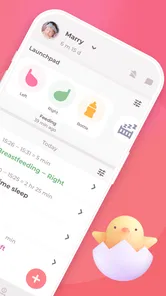
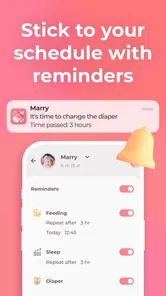
One of the first things I noticed about this app is its clean and intuitive interface. You don’t need a manual to get started, which is a huge plus for busy parents. You can easily log the start and end times of each feeding session, along with which side your baby fed on. Plus, it offers reminders for when it’s time for the next feeding.
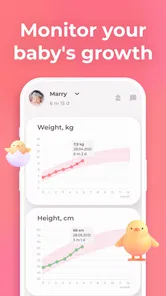
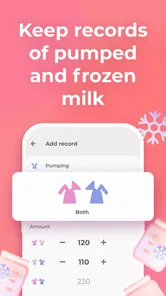
What’s even cooler is its ability to track pumping sessions. It records the amount of milk pumped, helping you maintain a log and see your progress over time. This is especially helpful if you’re storing milk for future use. The app also lets you track diaper changes, sleep patterns, and even growth milestones. It's like a one-stop-shop for all your baby tracking needs!
Why It Stands Out
The real magic lies in its ability to sync data across multiple devices. Whether you’re using a smartphone, tablet, or any other device, your data stays updated. This can be a lifesaver when both parents are sharing responsibilities. You’ll both be on the same page, quite literally!
Another aspect that I really appreciate is the privacy. In a world where data privacy is paramount, knowing that your baby’s data is safe and secure gives you peace of mind. The app doesn’t share your information with third parties, which is a huge relief.
Choosing the right level of tracking
A realistic routine might be to log a feed after settling the baby, then add a diaper change when it happens rather than trying to reconstruct the whole day at night. If a partner takes over for a stretch, a shared record can help you hand over the basic sequence without relying on a tired conversation. For a lactation or pediatric appointment, a consistent log may also make it easier to describe patterns, though the app itself cannot assess whether a pattern is medically concerning.
Compared with a paper notebook, an app can make entries easier to revisit and combine with other baby-care notes; compared with a simple timer, it gives you a broader record than feeding duration alone. But the broader scope is only an advantage if you actually want those extra logs. If you need a clinical feeding plan, detailed analysis, or a tracker limited to one task, a clinician’s guidance or a simpler tool may be a better fit.
Where the routine can get awkward
The main friction is consistency. A missed entry can make a timeline less complete, and logging every small detail may become tiring during a demanding week. I would treat the record as a helpful memory aid, not a perfect account of every feed. It is also worth checking what is available in the version you choose before building a routine around optional features, since in-app purchases are offered.
For a first-time user, the most useful next step is simply to keep a short run of feeding entries and see whether the record answers a real question for you: which side was last used, how sessions are spaced, or what another caregiver needs to know. If it reduces mental bookkeeping, keep going; if it makes you feel obliged to document everything, scale back to the few entries that genuinely help.
My Final Take
If you're a parent looking for a comprehensive tool to keep track of your baby’s feeding and other activities, this app is a no-brainer. The app not only simplifies the overwhelming task of baby tracking but also ensures that you have more quality time to spend with your little one. So, go ahead, give it a try, and experience the ease it brings to your parenting journey.
Breastfeeding tracker Pump log Frequently Asked Questions
What does Breastfeeding tracker Pump log help parents keep track of?
Breastfeeding tracker Pump log is a parenting app for recording everyday baby-care activities. Its focus includes feeding, pumping, diapers, sleep, care, and newborn growth, making it useful for parents who want these notes together rather than scattered across separate reminders or written logs. Before downloading, consider which details you want to track and whether an app-based record fits your family’s routine.
Who is Breastfeeding tracker Pump log intended for, and what is its age rating?
The app is aimed at parents and caregivers who want to keep track of baby feeding and related care. Its content rating is Everyone, so it is categorized for a general audience; its parenting tools are most relevant to families caring for a baby. It can be considered alongside your existing routine, but an activity tracker is not a substitute for guidance from a healthcare professional.
Is Breastfeeding tracker Pump log free to download, and are there optional purchases?
Breastfeeding tracker Pump log is free to download, so you can try its baby-care tracking tools without paying upfront. The app also offers optional in-app purchases, with prices ranging from $0.99 to $49.99 per item. If you are considering a purchase, check its details in the app before confirming, so you know what is included and whether it suits your needs.
Is Breastfeeding tracker Pump log suitable for my phone or tablet?
The app is available for Android devices that meet its minimum operating-system requirement, and it is categorized for Everyone. Before downloading, check your device’s software version and the app’s compatibility information in your app store. This is especially useful if you plan to use it on a tablet as well as a phone, since device compatibility can vary.
Who develops Breastfeeding tracker Pump log, and how popular is it?
Breastfeeding tracker Pump log is a parenting app from Demapps LLC. It has an average rating of 4.8 from around 19,000 ratings, with over 500,000 installs. Those figures can help give prospective users a sense of its reach, but they do not guarantee that every feature will suit your family’s routine. Consider which tracking tools you need before deciding to download.
Pros
- User-friendly interface for easy navigation.
- Tracks both breastfeeding and pumping sessions.
- Provides reminders for feedings and pumping.
- Supports multiple child profiles.
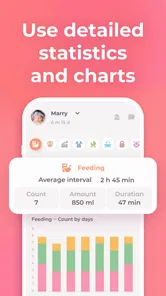
- Offers insightful statistics and reports.
Cons
- Limited features in the free version.
- Ads can be intrusive during use.
- No option for cloud data backup.
- Syncing issues between devices.
- Requires manual data entry for accuracy.