Baby Names / First Names 2025
- 286.00
- 3.9
- Installs
- 1.00M
- Price
- Free

Screenshots

Analysis by Reviewed
I’d use this app less as an oracle that picks a baby’s name and more as a shared place to explore possibilities. Naming can turn into a pile of browser tabs, saved notes and half-remembered suggestions; a dedicated list gives that early curiosity somewhere to go. Baby Names 2025 is a free parenting app from CharliesNames UG (haftungsbeschränkt), and its focus on finding names with a partner is most useful when two people are still discovering what they like.
That shared starting point is especially handy when each person has a different way of deciding. One partner may care about family connections, while the other responds first to how a name sounds. I’d use the app to bring those preferences into the same conversation, not to make either person defend a choice before they are ready. It is also a low-pressure way for expectant parents to explore together during a quiet moment, rather than trying to settle the question in one long discussion.
When the first-week excitement is useful
The first sessions are easy to approach: browse, search a name you already know, then follow related suggestions. Meanings and origins give a name more context than its sound alone, which can help when you are comparing familiar choices with names from a family or cultural tradition. I’d treat those details as prompts for discussion, not as a final verdict on whether a name is right for your child.
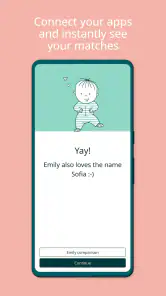
A practical way to start is for each partner to save names independently before discussing them. That makes the first conversation more revealing than taking turns pitching names aloud: you can spot overlap, learn what styles appeal to each person, and avoid letting the most confident voice set the shortlist. The app’s partner-oriented purpose makes that shared process a natural fit, though the final decision still needs a conversation beyond the screen.
For a more useful first pass, I would set a simple rule before opening the app: save a name only if you can say what caught your attention. Maybe it has a pleasing rhythm, connects to someone important, or feels familiar without being predictable. That small pause helps separate genuine candidates from names that merely look interesting in a list. It also makes the later discussion more specific than “I just liked it.”
Discovering the World of Names
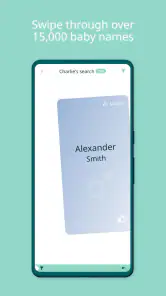
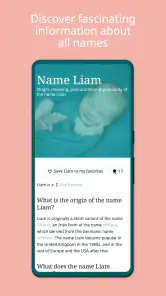
When I first opened the app, I was greeted with a clean and simple interface. No clutter, just a straightforward search bar waiting for me to dive in. I typed in a few names I had in mind, and bam! A whole list of similar names and their meanings popped up. The app also includes the origins of names, which is super helpful if you’re into genealogy or just want to know more about cultural significance.
That makes it a useful companion for people who have a starting point but not yet a direction. If you already know one name you like, related suggestions can help you notice a broader style: perhaps you prefer short names, traditional choices, or sounds that work well across languages. I would still say each suggestion aloud with the surname and any likely nickname. A name that looks appealing in a list can feel quite different in everyday conversation.
More From Our News Desk

Clash of Clans Is Won Between the Battles

Android Auto Makes the Case for Quieter Car Software

MobiOffice: Transforming Mobile Productivity with Seamless Integration

EA SPORTS FC™ Mobile Soccer: Redefining Mobile Sports Gaming

How Microsoft OneDrive Became a Mobile Productivity Giant

How Google Translate Breaks Language Barriers Effortlessly
Features That Stand Out
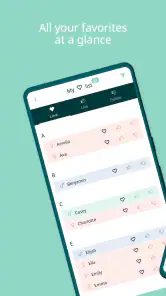
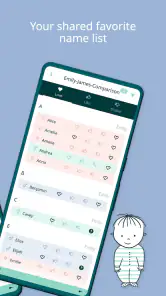
One feature I absolutely loved was the "favorites" list. As I scrolled through the names, I could easily tap a little heart icon next to the ones I liked, saving them for later. This made it simple to compile a list of potential names without having to jot them down elsewhere. Plus, the app syncs across devices, so you can access your list anytime, anywhere.
For couples, that convenience can reduce a surprisingly common source of friction: one person finds a name while the other is away, then forgets it before they can talk. Saving it turns a fleeting reaction into something you can revisit together. I’d use favorites as a holding area, though, rather than treating every saved name as a serious contender. A quick note outside the app can help if you want to remember why a name made the list, since a heart alone may not capture the reason weeks later.
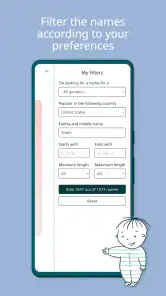
Another cool feature is the popularity ranking. Ever wondered how many kids are being named the same as your potential choice? Well, Baby Names 2025 gives you a ranking based on current trends. This way, you won’t accidentally choose a name that’s too common if you’re aiming for something unique.
Turning browsing into a useful shortlist
For month-to-month value, I’d give the app a small role in a routine rather than leave it open for long browsing sessions. When a name catches your attention, save it and move on; later, revisit the favorites together and ask practical questions: does it work with the surname, is it easy for your family to say, and does its meaning matter to you? A popularity ranking can inform that conversation, but it cannot predict how common a name will feel among your own friends or in your child’s future classroom.
Compared with general web searches or a shared note, a name-focused app keeps discovery and saved choices in one place. A notebook or spreadsheet may be better if you want to record pronunciation, family votes, or your own detailed notes, while browsing sites can be preferable when you want broader cultural research. I’d use this app to generate and organize candidates, then verify any meaning or origin that carries particular importance before making a decision.
A realistic way to use it is during a short evening check-in: each person opens the saved list, removes one name that has lost its appeal, and picks one candidate to discuss properly. Try saying each finalist in an ordinary sentence, as well as calling it across a room; that reveals how it feels outside the quiet context of browsing. You can also test initials and likely shortened forms. These checks do not require more app features, but they make the app’s collection of ideas much more practical.
If family members are involved, I’d agree as a couple on what feedback you actually want before sharing a shortlist. Asking everyone to vote can create pressure and turn a private decision into a popularity contest. A better use is to ask a trusted relative about pronunciation or a meaningful family connection, then keep the final choice between the parents. The app can help you collect options, but it cannot decide whose opinions belong in the process.
Maintenance without making naming a chore
The favorites list is most helpful when it stays selective. If both partners save every mildly interesting suggestion, the list can become another long queue to manage. I’d revisit it occasionally, remove names that no longer feel right, and keep a separate mental distinction between “interesting” and “serious contender.” That light upkeep makes the saved list more useful without turning a personal choice into a project-management exercise.
There is also a good reason not to browse every day just because a daily name is offered. The name-of-the-day idea can make exploration feel playful, but a daily prompt is not necessarily relevant to your taste or priorities. Skip it when it feels like noise, and return when you have the patience to compare names thoughtfully. The app works best as a source of ideas, not a test of how many options you can collect.
For ongoing use, a small shared shortlist is more valuable than a constantly growing archive. I would keep only names that both partners are willing to discuss again, while setting aside solo favorites until the right time to bring them up. That makes disagreements easier to handle: the question becomes whether a particular name fits your shared criteria, not why one person has saved dozens more than the other. If your tastes change as you learn more, pruning the list is progress, not wasted effort.
Easy to Use and Navigate
The app is incredibly user-friendly. Even if you’re not tech-savvy, you’ll find it easy to navigate. The developers clearly put a lot of thought into making it accessible for everyone. There are no hidden fees, which is a huge plus. You get a full-fledged naming experience without having to worry about in-app purchases or subscriptions.
One thing I appreciated was the "name of the day" feature. Every day, the app introduces you to a new name, complete with its meaning and origin. It’s quite addictive, almost like your daily horoscope but for names!
That playful daily prompt is best seen as a browsing nudge, not a dependable naming method. If you enjoy small discoveries, it can keep the subject light between more focused conversations. If you are already feeling overwhelmed, though, another suggestion may add clutter rather than help. I’d mute the habit mentally by simply ignoring the prompt when you have no reason to browse; the app does not need to become part of a daily routine to be useful.
Trade-offs to consider before settling in
The app has a 3.9 average from around 3,900 ratings, and it has been installed over a million times, so plenty of people have tried it; neither figure tells me whether its suggestions will match your taste. It is rated for everyone, runs on Android 7.0 or later, and its current version is 2.0.58. The app is free to install, but it also offers optional in-app purchases priced from $1.49 to $14.99 per item, so I would check what is included before paying rather than assume every part of the experience is free.
That matters most if you want a completely free, no-friction tool or expect extensive research and careful explanations for every name. In those cases, a book, a trusted cultural reference, or a simple shared document may suit you better. The app’s strengths are quick discovery and keeping candidates together; popularity, meanings and origins should be starting points for your own judgement, not guarantees.
I would be particularly careful with names whose spelling, pronunciation, or cultural background carries personal weight. An app can make it easy to encounter an unfamiliar option, but a short description is not a substitute for asking relatives or consulting a source you trust. That is not a reason to avoid browsing; it is a reason to slow down before treating an attractive meaning or origin as settled fact. For a casual shortlist, quick context is enough. For a name tied to heritage, I would do the extra checking.
The app is likely to suit expectant parents who want a relaxed way to compare ideas, especially couples who do not have a shortlist yet and enjoy browsing together. It is less compelling for someone who already has a firm choice, wants exhaustive linguistic research, or needs a structured system for recording detailed notes and votes. In those cases, a specialist reference or a shared document can offer more control. The best alternative depends on whether your problem is finding ideas, checking them carefully, or keeping a large family discussion organized.
Final Thoughts
Overall, if you’re expecting and the task of choosing a name feels daunting, give Baby Names 2025 a try. It’s a fun and interactive way to explore different options and find the perfect fit for your baby. The app’s friendly interface and comprehensive database make it a must-have for anyone on the baby naming journey. So, go ahead, explore, and maybe you’ll stumble upon a name that resonates with your heart!
My lasting verdict is more measured: it earns a place on your phone while you are actively collecting ideas, especially if you and your partner want a convenient shared starting point. Once you have a shortlist, the value depends on whether you return to compare and discuss rather than endlessly browse. I’d recommend it to curious parents who enjoy discovering names, but not to anyone who wants the app itself to settle family disagreements or replace deeper checks. The best name will come from your own priorities; this app can make the search more enjoyable and organized.
What keeps it worthwhile after the novelty fades is not a reason to open it every day, but the convenience of having a focused place to return to when a new idea comes up. I’d install it for an active naming search, use the favorites with intention, and let it go quiet once your decision is made. That is a modest role, but a sensible one: it can make the uncertain early stage easier without pretending the most important part of choosing a name can be automated.
Baby Names / First Names 2025 Frequently Asked Questions
Can both parents use Baby Names / First Names 2025 together?
Yes. The app is intended to help you find baby names together with your partner, making it useful for comparing ideas as you decide on a name. You can browse the available names, keep favorites, and share choices with family or friends. It is a parenting app, and its content rating is Everyone.
What features does Baby Names / First Names 2025 offer?
Baby Names / First Names 2025 boasts a comprehensive database of names from around the world, complete with meanings and origins. The app also includes features like popularity rankings, name lists for boys and girls, and a fun name generator. Users can save their favorite names and easily share them with friends and family.
Is Baby Names / First Names 2025 free to use?
Yes, Baby Names / First Names 2025 is free to download and offers a free version that includes basic features like browsing names and checking meanings. In-app purchases are available, priced from $1.49 to $14.99 per item, so review any purchase details in the app before confirming.
Can I use Baby Names / First Names 2025 offline?
While some features of Baby Names / First Names 2025 may be available offline, such as viewing saved names, the app requires an internet connection to access its complete database and updated name lists. To get the best experience and access all features, it's recommended to use the app online.
How accurate is the name origin and meaning information in Baby Names / First Names 2025?
The app provides a well-researched and detailed database of names, including their origins and meanings. However, users should note that naming traditions can vary widely, and meanings might differ based on cultural interpretations. It's always good to cross-reference with other resources for accuracy.
Pros
- Comprehensive database of names
- User-friendly interface
- Includes name origins
- Regular updates
- Personalized name lists
Cons
- Limited offline access
- Contains ads
- No pronunciation guide
- Requires internet connection
- Limited cultural diversity
- Category
- Parenting
- Version
- 2.0.58