Astha Pregnancy
- 19.00
- 4.7
- Installs
- 500.00K
- Price
- Free

Screenshots
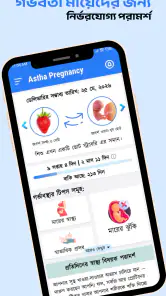
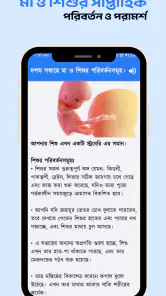
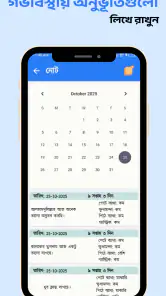
Analysis by Reviewed
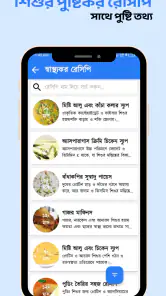
Starting a pregnancy journey can feel overwhelming, especially when every new question seems to demand an immediate answer. Astha Pregnancy is designed for that early stage: it is a free parenting app from Kaazal Dots that brings Bangla pregnancy guidance into an offline-friendly experience. I found its biggest appeal in the way it reduces the need to search repeatedly for basic information, which can be reassuring when internet access is limited or when you simply want a calmer reference on your phone.
This is not an app I would treat as a replacement for a doctor, midwife, clinic, or emergency service. I see it more as a companion for everyday learning and preparation. It can help a first-time parent understand the general flow of pregnancy, remember questions for an appointment, and build a habit of checking reliable guidance instead of relying on scattered social-media posts. The Bangla focus is particularly important: information is easier to use when it is presented in the language you naturally think in.
The app belongs to the parenting category and is marked suitable for Everyone. It is available at no cost, which makes it approachable for someone who wants to explore pregnancy support before committing to a paid service. Its store presence shows a 4.7 average from around 5.3 thousand ratings, with more than 500 thousand installs. Those figures suggest that it has reached a substantial audience, although popularity alone should not decide whether it fits your needs.
What to expect from the Bangla pregnancy experience
When I open a pregnancy app, I want to know quickly whether it will help me do something practical or merely display a stream of general advice. Astha Pregnancy works best when approached as an offline reference and learning tool. The central value is not entertainment or a complicated dashboard; it is having pregnancy-related material available in Bangla without making every small question depend on a live web search.
That offline emphasis changes the way I would use it. Instead of waiting until I have a question and then searching through several websites, I can spend a quiet few minutes reading, noting what matters, and returning to the same information later. This is useful during travel, in areas with unreliable connectivity, or when mobile data is limited. It also makes the app practical for sharing general information with a partner or family member who prefers Bangla.
For a first-time user, the most helpful expectation is modest and realistic. The app can support understanding, but it cannot personalize medical decisions in the way a professional consultation can. Pregnancy symptoms vary widely, and a general explanation should never be used to dismiss pain, bleeding, severe discomfort, or any other urgent concern. I would keep a clinic contact and an appointment schedule separate from the app rather than expecting one tool to manage every part of care.
The language choice is more than a cosmetic detail. Medical vocabulary can be intimidating in English, especially when a person is tired or anxious. Reading in Bangla may make it easier to explain a concern to a spouse, parent, or healthcare worker. At the same time, users who are comfortable only with English may find the experience less convenient than an English-first pregnancy tracker. This is one of the clearest situations where another option may be better.
The app was released on September 7, 2023, and its current version is 1.6.26. It supports Android 7.0 and later, so it is suited to many older Android phones as well as newer devices. I would still check the phone’s available storage and system compatibility before installing, particularly if the device is several years old or is shared with other family members.
Who will get the most from it
I would recommend trying it first to someone experiencing a first pregnancy who wants a straightforward Bangla resource. It is also a sensible choice for a partner who wants to understand what the pregnant person may be learning and discussing. Because the app is free, both people can explore it without turning the decision into a financial commitment.
It may also suit a user who spends time away from dependable internet access. An offline-capable reference can be more useful than a sophisticated online service that becomes difficult to consult when the connection drops. In that situation, the app’s simplicity becomes a strength rather than a weakness.
I would be more cautious about recommending it as the only pregnancy tool for someone who wants detailed appointment management, direct access to clinicians, medication reminders, or advanced health tracking. Those needs usually call for a dedicated medical service, a calendar, or advice from a healthcare professional. Astha Pregnancy can sit beside those tools, but I would not expect it to replace them.
Setting up the app without making the process complicated
The first setup should be treated as a short orientation rather than a major project. After installing it, I would begin by checking that the phone meets the Android requirement and then open the app in a calm moment. Since the experience is intended to work offline, I would allow the initial content to become available while connected to Wi-Fi or mobile data, then test it by briefly switching off the connection and opening a few sections.
That small test is one of the most useful things a new user can do. It confirms whether the material you expect to consult is available when you need it, instead of discovering a connectivity problem later. I would not wait until a clinic queue, a bus journey, or a stressful evening to learn how the app behaves without internet access.
Next, I would browse before reading deeply. Look at the main navigation, identify where pregnancy guidance is grouped, and notice whether the app presents information in a sequence or as separate topics. This first scan prevents a common mistake: assuming that the first screen is the only useful part of the product. A quick tour also helps you return to a topic later without repeatedly searching.
I would keep the first session short. Reading too much pregnancy information in one sitting can create unnecessary worry, particularly when every symptom sounds familiar. A better routine is to choose one subject, read it carefully, and write down questions that should be taken to a healthcare professional. The app becomes more useful when it supports a conversation rather than encouraging endless self-diagnosis.
Another practical setup habit is to place the app where it is easy to find, but not where it will constantly interrupt your day. Pregnancy information is most helpful when you choose to consult it. If you are sharing the phone with a partner, agree on a simple way to mark or note topics that deserve discussion. Even a paper notebook beside the phone can turn passive reading into useful preparation.
The first meaningful success: turning one reading session into a plan
The first successful action I would suggest is not merely opening a page. Choose one topic that is relevant to your current stage, read it in Bangla, and create one concrete follow-up question for the next appointment. That is a small but meaningful result: the app has helped transform general information into a better healthcare conversation.
For example, imagine a first-time pregnant user notices a new concern late in the evening. Instead of searching through unrelated posts, she can consult the relevant guidance, avoid jumping to a conclusion, and write down exactly what she wants to ask at the clinic. Her partner can read the same material in Bangla and help remember the question. The app has not diagnosed anything, but it has reduced confusion and improved preparation.
I especially like this workflow because it avoids one of the traps of pregnancy apps: collecting information without knowing what to do with it. Reading, noting, and asking is more valuable than scrolling through every available topic. It also gives the user a way to judge the app fairly. If the language is clear and the organization helps you prepare, it is earning a place in your routine. If it leaves you more confused, it may not be the right reference.
A second useful habit is to consult the app at a consistent time, perhaps after an appointment or during a quiet part of the day. The purpose is not to create anxiety by checking constantly. It is to build a manageable rhythm in which you learn one thing, discuss one thing, and then put the phone away. This approach is particularly helpful for people who tend to worry after reading too much health content online.
I would also use the app as a conversation bridge between generations. A parent or older relative may offer advice based on personal experience, while the pregnant person may have questions that are difficult to express in a mixed-language conversation. Reading the same Bangla explanation together can make the discussion less abstract. Still, family advice should remain separate from professional medical guidance when the issue involves symptoms, treatment, or risk.
Where new users may become confused
The word “offline” can lead to an easy misunderstanding. It should not be interpreted as meaning that every pregnancy question can be answered without professional support or current medical context. Offline access is a convenience for reading available guidance; it is not a live connection to a doctor. I would keep that distinction in mind every time I use the app.
Another possible source of confusion is treating general pregnancy information as a personal schedule. A topic that applies broadly may not match your own pregnancy, medical history, or care plan. If your doctor has given instructions that differ from something you read, the clinical advice should take priority. The app is most responsible when it helps you ask better questions, not when it encourages you to overrule individualized care.
Users may also expect the app to behave like a full pregnancy tracker with extensive personalization. That expectation can lead to disappointment if what you really want is a detailed calendar, appointment system, symptom log, or communication channel. I would choose Astha Pregnancy for accessible Bangla guidance first. If advanced tracking is your main goal, a different category of app may serve you better, with this one kept as a language-friendly reference.
There is also a practical limitation to consider with any offline content: information that lives on the device may not reflect every later change in medical advice. I would therefore avoid using an old saved explanation as the final word on medication, warning signs, or treatment. The app can help you understand a subject, but current advice from your healthcare provider remains essential.
Some readers may wonder whether the app is appropriate for a partner or family member rather than the pregnant person. In my view, yes, provided they use it respectfully. A partner can read alongside the user, help prepare appointment questions, and become more aware of daily concerns. The app should not be used to monitor or pressure someone. Pregnancy support works best when the person receiving care remains in control of decisions about her body and medical conversations.
How it compares with common alternatives
Compared with a general web search, Astha Pregnancy offers a more focused starting point. Search engines provide a huge range of pages, but that range can make a worried reader jump between contradictory explanations. A dedicated Bangla app is easier to return to and less likely to bury a basic question under unrelated results. The trade-off is breadth: the web may offer more specialist material, while the app is more convenient for everyday orientation.
Compared with international pregnancy trackers, its strongest difference is language and offline practicality rather than a promise of a richer technical dashboard. An English-language tracker may be preferable for someone who wants extensive charts, integrations, or highly detailed personalization. Astha Pregnancy makes more sense when understanding guidance in Bangla is the priority and a lightweight reference is more valuable than a feature-heavy system.
Compared with printed books or family advice, the app is easier to carry and revisit. It can also offer a more structured way to approach subjects than an informal conversation. However, a trusted book selected with professional input may provide deeper context, while experienced relatives may offer emotional support that an app cannot. I would use the app as one part of a support circle, not as a replacement for people.
The free price is another practical advantage. It lowers the barrier for users who are unsure whether a pregnancy app will become part of their routine. The fair test is whether the Bangla content and offline access solve a real problem for you. If you need direct clinical care or complex tracking, free access alone should not persuade you to accept a poor fit.
What to do after the first useful session
Once you have read one relevant topic and prepared a question, the next step is to make the app part of a broader routine without allowing it to dominate your attention. Keep a short list of questions for appointments, use the app to understand the general background, and bring the list to a qualified healthcare professional. This gives the information a clear purpose and reduces the temptation to diagnose yourself from a single passage.
I would also revisit the app when a partner or family member needs the same explanation. Shared understanding can make practical support easier, whether that means accompanying someone to an appointment, helping with rest, or remembering what should be discussed. The best result is not simply that one person has read more; it is that the household communicates more clearly.
If you find the Bangla wording comfortable, the app can become a dependable first stop for ordinary learning. If the content feels too general, the navigation does not suit you, or you mainly wanted sophisticated tracking, it is better to acknowledge that early and choose another tool. There is no benefit in forcing a pregnancy app into a role it was not designed to fill.
Kaazal Dots has kept the product accessible enough for a broad audience, and the Everyone age classification reinforces that it is intended as a general family-friendly resource. I would still guide younger users toward discussing pregnancy information with a trusted adult or healthcare professional, because age-friendly presentation is not the same as personalized medical supervision.
Overall, I see Astha Pregnancy as a useful Bangla companion for the beginning of a pregnancy journey, especially for first-time users who want accessible information that remains available offline. Its best quality is practical reassurance: it gives you a place to start, a way to prepare questions, and a resource you can share with someone close to you. Its main limitation is equally clear: it should not be mistaken for a medical service or a complete personal pregnancy-management system.
My recommendation is to install it if Bangla guidance and offline reading matter to you, then judge it through one simple test: can it help you understand a topic and take a better question to your next appointment? If yes, it deserves a place beside your healthcare team and everyday support network. If your priority is live medical advice, extensive tracking, or English-language specialist detail, choose a more specialized alternative and use this app only if its language and offline strengths still add value.
Pros
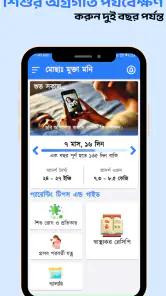
- Clear week-by-week pregnancy guidance for expecting parents.
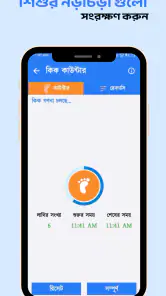
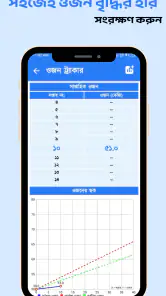
- Helpful tracking tools for appointments
- symptoms
- and pregnancy milestones.
- Simple interface that is easy to navigate during everyday use.
- Useful educational content for preparing questions for healthcare visits.
- May help users stay organized throughout the pregnancy journey.
Cons
- Some features or content may require a paid subscription.
- Information should not replace advice from a qualified healthcare professional.
- Personalization options may feel limited for high-risk pregnancies.
- Reminders and tracking depend on users entering data consistently.
- Availability of features may vary by region or device.

- Category
- Parenting
- Version
- 1.6.26