Al Quran Majeed القرآن الكريم
- 8.00
- 4.5
- Installs
- 1.00M
- Price
- Free

Screenshots




Analysis by Reviewed
When I want a Quran app for a quiet moment, the first thing I consider is whether I can get to the text without depending on a steady connection. Al Quran Majeed القرآن الكريم is presented as a way to read offline and listen to Quran recitation online, so its reading and audio use cases are not quite the same. That distinction matters in everyday life: a text session may suit a commute or a weak-signal room, while listening calls for an internet connection. I would choose it chiefly if I want reading and recitation together, rather than an audio-only player or a general library app.
A quick check before choosing it
For me, the deciding question is not simply whether I want a Quran on my phone, but what I expect to do when I open it. If I mainly want to read, offline access is the more useful part of the arrangement. If I want recitation to accompany a walk or a longer break, I need to think about connectivity first. That makes this a particularly practical choice for people whose routines alternate between quiet reading and connected listening.
I would not treat the two options as interchangeable. A reader who mostly wants dependable access to text has a different priority from someone who wants uninterrupted audio wherever they go. Before installing, I would make that distinction clear to myself; it is the quickest way to tell whether the app’s balance suits my habits.
Reading and listening depend on different moments
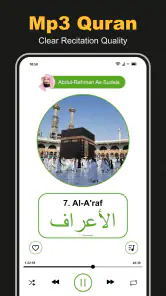
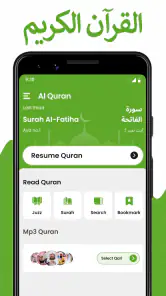
The app is a free Quran-reading and listening app from Miso Apps Studio, in the libraries and demonstration category. Its central appeal is straightforward: keep the Quran available for reading and turn to online MP3 recitation when listening is more useful. I like that these are complementary habits, not competing ones. A reader can spend a few minutes with the text, then listen when attention or circumstances make reading less practical.
The network distinction is the key practical detail. The app describes Quran reading as available offline, while its audio is online. I would plan around that separation rather than assuming every part behaves identically without a connection. Before travelling or entering a place with unreliable reception, it is sensible to open the reading experience while connected and make sure it is ready for the intended session. For listening, I would wait for a reliable connection instead of counting on playback during a dead spot.
That makes the app a better fit for flexible routines than for someone who expects a single fully connected experience. If I am reading at home, audio may be a convenient change of mode. If I am travelling through patchy coverage, I would lean on reading and save listening for later. It is a small distinction, but it prevents the common frustration of treating online audio as though it were automatically available offline.
Use the mode that matches the connection
A useful habit is to decide what the session is for before opening the app. For a short reading break, I would use the text-focused side and avoid starting an online audio session unless the connection is dependable. For listening, I would connect first and allow the audio to begin before settling in. This simple order makes the experience easier to manage when switching between Wi-Fi and mobile data.
More From Our News Desk

Weather by Xiaomi Review: Clear at a Glance, Less Clear Up Close

X Under Pressure: Can It Recover When Posting Goes Wrong?

Clash of Clans Is Won Between the Battles

Android Auto Makes the Case for Quieter Car Software

MobiOffice: Transforming Mobile Productivity with Seamless Integration

EA SPORTS FC™ Mobile Soccer: Redefining Mobile Sports Gaming
I would also separate connectivity issues from app problems. If the text remains usable but an audio session does not start, that points first to the network-dependent part of the experience. Conversely, if I only need to read, a weak signal should not be treated as a reason to abandon the app altogether. This is the most helpful way to think about its design: reading and listening offer different degrees of independence from the network.
Where it fits into a mobile day
For a realistic everyday use, imagine having a few quiet minutes before an appointment. If the phone has a connection, I could choose to listen; if reception is poor or I would rather keep things quiet, reading is the more suitable option. On a commute, the same flexibility helps, though I would not rely on online audio in places where coverage regularly drops. The app is most practical when I can pick the mode that suits both my surroundings and my signal.
It may also suit someone who wants a single place for text and recitation rather than switching between a digital Quran and a separate audio app. That convenience is real, but it should not be confused with every possible study tool. A dedicated audio player may be preferable for someone whose priority is managing listening sessions, while a specialised Quran study app may be a better choice for readers seeking a particular set of reference or learning tools. I would choose this app for its combined reading-and-listening purpose, not assume it replaces every specialist alternative.
For a shared or public setting, I would treat listening as the less spontaneous option: it needs a connection and is best used when audio is appropriate. Reading is easier to fit into a brief pause without making sound. That makes the app adaptable to different contexts, but the user still has to make the choice; connectivity does not disappear just because both modes are gathered in one app.
What to expect when a session is interrupted
Mobile connections can change unexpectedly, especially when moving between networks or entering a building. If online recitation stops or fails to begin, I would first check whether the phone has a working connection, then try the listening session again once coverage is stable. If I only wanted to continue reading, I would switch back to the text rather than repeatedly retrying audio. That is a practical recovery approach, not a claim that the app has a special reconnection system.
This difference also affects expectations during travel. A user who needs uninterrupted recitation in areas without dependable internet should consider an audio option explicitly designed for offline listening. Al Quran Majeed’s reading availability offline is useful, but it does not establish that its online MP3 audio can be played without a connection. I would not plan an audio-only journey around it unless I had confirmed that the connection would be adequate.
There is a related trade-off when moving between reading and listening: a network-dependent audio session is less predictable than opening text for a quick glance. I would keep the intended task simple, especially when time is short. Choose reading if the signal is uncertain; choose audio when it is stable. This is not a drawback unique to this app, but it is central to judging whether its particular mix suits your routine.
Keeping mobile data use intentional
Because listening is online, I would be mindful of when I use mobile data. If I have a limited data allowance or prefer not to stream while away from Wi-Fi, I would reserve recitation for connected places and use reading at other times. The app’s free price makes it easy to try, but free access does not mean that network-dependent audio has no data implications. How much data a listening session uses can depend on the audio and network conditions, so I would avoid assuming a particular amount.
A simple routine helps: decide whether the session is for reading or listening before starting, connect to Wi-Fi for audio when that is convenient, and return to text if reception becomes unreliable. This is more useful than repeatedly restarting a stream while moving through weak coverage. For anyone who is especially data-conscious, the app’s strongest practical role may be as a reading companion, with listening used selectively.
The app is free to install, with in-app purchases listed from $5.49 to $69.99 per item. I would treat those as a reason to check the purchase details in the app before buying anything, rather than assuming every part of the experience is included in the free download. If you only want to assess whether its reading and online listening arrangement suits you, starting with the free app is a sensible first step.
Who is likely to appreciate it
I would recommend it to readers who want the convenience of Quran text alongside online recitation and who are comfortable choosing between offline reading and connected listening. It is also a reasonable option for someone who wants a straightforward Quran app rather than a broader digital library. The listing gives it an average rating of 4.5 from around 10,000 ratings, and it has passed one million installs; that suggests many people have tried it, though those figures alone cannot tell you whether its particular network balance matches your needs.
It is less suitable for someone whose main requirement is offline audio, or for a reader who wants a specialist study environment and already relies on tools built around that purpose. It may also be a poor match if you want audio to work reliably in places where mobile coverage is weak and you do not want to plan around Wi-Fi. In those cases, I would look for an alternative whose offline audio or study features are clearly suited to the task.
The content rating is Everyone, and the app is currently at version 1.1.35, with Android 9 as the minimum operating-system requirement. It was released on July 18, 2025. Those details make it easier to judge basic suitability: check that your device meets the system requirement, and remember that an Everyone rating does not answer whether the app’s specific reading and listening workflow is right for you.
Making the routine work in practice
One useful way to test the fit is to try two short sessions with different conditions: read when you are away from a dependable connection, then listen when you are somewhere with stable internet. That gives you a realistic sense of whether you actually switch between the modes, rather than assuming that having both in one app will automatically change your routine. If you consistently use only one, a more focused reading or audio option may feel simpler.
For a busy day, I would make the choice before I have only a minute to spare. If I am heading into a quiet waiting room, I can plan to read; if I am taking a break somewhere connected and audio is appropriate, I can choose recitation. This small bit of planning reduces the chance of opening the wrong mode for the moment and then spending the break troubleshooting a weak signal.
Compared with keeping separate reading and audio apps, the appeal here is having both purposes under one roof. The trade-off is that a combined app should not be assumed to match the specialised controls or study resources of a dedicated alternative. I would value the convenience most when my goal is simply to move between reading and listening, and I would choose a specialist tool when a particular learning workflow matters more than having both in one place.
My connectivity verdict
My view is that Al Quran Majeed القرآن الكريم makes the most sense when you treat it as a reading app with online listening as an additional option, rather than expecting both modes to behave the same way without a network. The distinction creates useful flexibility: text can suit weak-signal moments, while connected audio offers another way to engage when the internet is available. It also creates a clear limitation for anyone who wants dependable offline recitation.
I would install it if I wanted Quran reading and online MP3 listening in one place, and I would build a simple habit around the connection: read when signal is poor, listen when it is stable, and use Wi-Fi when I want to avoid mobile data. That is an easy, honest way to get value from what the app offers without expecting it to solve every connectivity problem. If offline audio is essential, I would choose a different option; if reading plus occasional connected recitation is enough, this is a practical app to try.
Al Quran Majeed القرآن الكريم Frequently Asked Questions
What is Al Quran Majeed القرآن الكريم?
Al Quran Majeed is a digital Quran app designed to help users read and engage with the Quran on a mobile device. Depending on the version and platform, it may offer Arabic text, translations, audio recitation, and tools such as bookmarks or search. Features can vary between editions, so check the app listing and its latest update details to confirm what is included before downloading.
Can I read the Quran offline in Al Quran Majeed?
Offline access depends on the app version and on which resources you have downloaded. Quran text may be available without an internet connection, while recitation audio, translations, or other content may need to be downloaded first or may require connectivity. Before relying on the app during travel or in places with limited service, open it in offline mode and check that the passages and features you need are accessible.
Does Al Quran Majeed include translations and audio recitation?
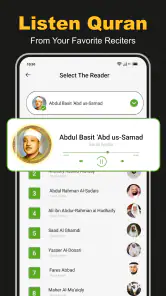
Many Quran apps provide a choice of translations and audio recitations, and Al Quran Majeed may offer these options depending on the edition, device, and available in-app settings. Translation languages, reciter choices, and whether audio can be played in the background can differ. Review the app description and settings after installation, and remember that a translation is an aid to understanding rather than a replacement for the Arabic text.
Is Al Quran Majeed free to download, and does it contain ads or purchases?
The download price and monetization can vary between Android and iOS, as well as by region and app edition. Some versions may be free with advertisements, while others may offer optional in-app purchases or paid features. Check the current store listing for the exact price, in-app purchase details, and privacy information before installing. Also review permissions and consider whether the available settings let you manage notifications or advertising preferences.
How can I check that the Quran text and recitation are suitable for my needs?
For careful study or worship, inspect the app's source information, Arabic script presentation, translation attribution, and recitation options rather than assuming every edition is identical. Try a familiar passage and compare its text and audio with a trusted printed Quran or reliable resource. Check features such as text size, verse navigation, bookmarks, and playback controls too, so you can decide whether the app is comfortable and appropriate for your routine.
Pros
- Clear Arabic text makes verses easy to read on a phone.
- Audio recitations let you listen while commuting or resting.
- Translation options help readers follow the meaning of each verse.
- Prayer times and Qibla tools add useful daily worship features.
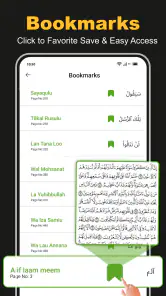
- Bookmarks make it easy to return to a verse or reading point.
Cons
- Some features or recitations may require in-app purchases.
- Audio downloads can use considerable storage space.
- Prayer-time accuracy may depend on location and calculation settings.
- Ads may interrupt the experience in the free version.
- The many tools and settings can feel overwhelming to new users.
- Category
- Libraries & Demo
- Version
- 1.1.35