Bonjour RATP
- 539.00
- 4.4
- Installs
- 10.00M
- Price
- Free

Screenshots



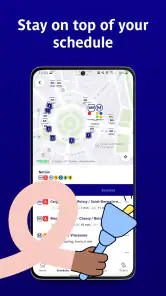
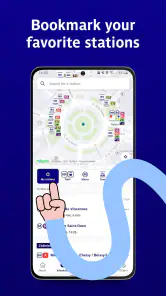
Analysis by Reviewed
When several people in a household are heading in different directions, a transport app can make planning less of a one-person memory test. I find Bonjour RATP most useful when travelers can check the same local transport picture together, then carry on with their own plans. It is a Maps & Navigation app from RATP SMART SYSTEMS, focused on travel around Île-de-France, so it makes the most sense for residents, visitors and households whose journeys depend on the region’s public transport.
One screen, several travel plans
Imagine a family arriving in Paris with separate plans for the afternoon: one person wants to reach a museum, another is heading to a station, and a guest is unfamiliar with the metro. A shared device can help everyone look at routes together before setting off, then let the person carrying it check the next leg. That is a simple but useful household workflow, especially when people are comfortable discussing the plan face to face. I would not treat it as a family location tracker or a coordination system; its value here is access to transport information, not monitoring where other people are.
There is a practical distinction between planning together and needing the same phone throughout the trip. At home or in a hotel, one person can compare possible routes with the group; once people split up, each traveler is better off knowing their own next stop and fallback plan. That reduces the chance that everyone depends on a device carried by someone who is now on a different route.
Keep the account and the journey separate
On a device used by several people, I would agree in advance who is responsible for checking the route and handling any travel-related account or ticket steps. A shared screen can make planning easier, but it does not make personal accounts interchangeable, and a household should avoid assuming that one person’s travel credentials or settings automatically apply to everyone else. If each traveler needs an individual arrangement, it is sensible to check that person’s needs directly rather than relying on a single household phone to represent the whole group.
For a visitor who only needs directions, the app can still be useful as a planning companion without turning the phone into a shared record of everyone’s movements. I find that distinction important: use it to decide how to travel, and keep personal travel choices and any account details under the control of the person they belong to.
Before leaving, I would also settle who is checking for changes and how the group will reconnect if someone misses a connection. That is not a special app function; it is a small habit that prevents a route screen from becoming the household’s only plan. If a traveler has their own phone, they can check the journey independently instead of waiting for the shared device to come back into view.
Planning trips around the Paris network
From the get-go, Bonjour RATP impresses with its sleek and intuitive interface. No one wants to fumble around with a confusing app when you have a croissant waiting at your next stop. The app’s design is clean and user-friendly, with all the essential features easily accessible. You can tell that the developers put a lot of thought into making it as straightforward as possible, catering to both tech-savvy users and those who might be a bit more "technologically challenged."
You May Like

Clash of Clans Is Won Between the Battles

Android Auto Makes the Case for Quieter Car Software

MobiOffice: Transforming Mobile Productivity with Seamless Integration

EA SPORTS FC™ Mobile Soccer: Redefining Mobile Sports Gaming

How Microsoft OneDrive Became a Mobile Productivity Giant

How Google Translate Breaks Language Barriers Effortlessly
A Wealth of Features at Your Fingertips
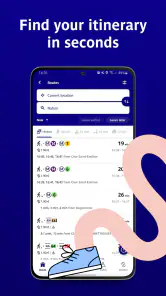
What really sets the app apart is its comprehensive set of features. Not only can you plan your routes across the city’s extensive public transport network, but it also provides real-time updates, which are a lifesaver when you're trying to make your dinner reservation on time. The integration of various transport modes, from buses to metro lines and even bicycles, ensures that you have all the information you need to choose the most efficient route.
I found the real-time alerts particularly handy. They kept me informed about any delays or disruptions, allowing me to adjust my plans on the fly. Trust me, when you’re on a tight schedule, this feature is worth its digital weight in gold.
Make the next trip easier to manage
For a less rushed journey, I would check the route before leaving, then look at the live information again before committing to a connection. That small pause matters in a large network: a route that looks neat on a map may be less appealing if a disruption changes the practical choice. When traveling with someone who is less familiar with Paris, I would agree on a simple fallback point, such as the next station or stop, so a delay does not turn into a flurry of messages and last-minute decisions.
This is also where a dedicated regional transport app differs from a general map app. The latter can be convenient for comparing walking directions and places across a wider area, while Bonjour RATP is centered on getting around Île-de-France by transit. I would use the regional app when the journey depends on local network information, and keep a general map as a companion for broader sightseeing or finding a destination’s entrance. Neither replaces good judgment when service conditions change.
A useful way to plan a mixed outing is to separate the transport decision from the last few minutes on foot. I would use the app to choose the regional transit route, then check the destination’s exact entrance or nearby landmark in a general map if the address is large or unfamiliar. This is especially helpful when meeting someone: agreeing on a named station exit or a clear nearby landmark is more reliable than saying only “outside the station.”
For a routine commute, I would not assume that the route that worked yesterday is automatically the best one today. Checking the live information before leaving is a low-effort way to decide whether to stick with the usual journey or consider another option. On an unfamiliar trip, I would note a sensible transfer point before starting, rather than trying to make every decision while moving through a crowded station.
Localization and Accessibility
One of the standout aspects of the app is its localization features. It offers multiple language options, catering to tourists and locals alike. As someone who doesn’t speak fluent French, having the app available in English was a huge relief. Plus, the map feature, which works offline, meant that I didn’t have to worry about getting lost, even in areas with spotty internet coverage.
That offline map is handy as a reference, but I would not plan on offline access giving me live disruption updates. Before heading into a station or an area with a weak signal, I would check current information while connected and keep the route details in mind. For a visitor, this is a useful distinction: a map can help with orientation, while changing service conditions still call for fresh information.
The app also scores high on accessibility. It provides options for users with disabilities, ensuring that everyone can benefit from its functionalities. This inclusive approach is something I really appreciate, and it shows the developers' commitment to serving the entire community.
If accessibility needs shape a journey, I would treat route planning as a conversation rather than assume that the first suggested option fits every traveler. A route may look efficient on screen but still involve a transfer or station environment that is not comfortable for a particular person. Checking the relevant options in advance, and agreeing on an alternative with the traveler, is a more dependable approach than making that decision in a hurry at the platform.
Age, trust, and practical limits
The app is rated for Everyone, which makes it suitable for a broad household audience as a transport tool; that rating is not a substitute for an adult helping a younger traveler make safe decisions in an unfamiliar city. I would have a child or first-time visitor check the planned route with a responsible adult, agree on what to do if plans change, and avoid treating an app alert as a guarantee that every connection will work exactly as expected.
It is free, has a 4.4 average from around 142,000 ratings, and has passed 10 million installs, so it is a well-established choice rather than an obscure utility. The current version is 9.1.1, and it runs on iOS 8.0 or later. I would still check compatibility on the device before a trip, particularly if it is an older shared phone. The main trade-off is focus: if your plans extend well beyond Île-de-France or depend mostly on walking, cycling, or intercity travel, a broader mapping or journey-planning app may suit you better.
For a household deciding whether it is worth keeping installed, the key question is not simply how many people share the phone; it is how often someone needs local transit information. If most trips are within the Paris region, its regional focus is an advantage. If family members regularly travel in different parts of the country, a broader journey planner may be a more practical default, with Bonjour RATP kept for trips where Île-de-France network details matter.
I would also be cautious about making one person the permanent route manager. A parent, host or more experienced traveler may naturally take over, but explaining the next stop and the backup plan helps everyone travel with more confidence. The app can help the group look at options; it cannot make decisions for someone who is separated from the person holding the phone.
A sensible choice for local transit
So, would I recommend Bonjour RATP to fellow travelers or even locals? Absolutely! It’s packed with features that make navigating Paris a breeze, and its user-friendly design means you won’t find yourself wrestling with your phone more than enjoying your trip. Whether you’re a first-time visitor or a seasoned Parisian, this app is well worth having in your digital toolkit.
In summary, Bonjour RATP is more than just a transport app; it’s a trusty guide in your pocket, ready to help you explore Paris with confidence. So next time you’re planning a trip to the French capital, make sure you’ve got this little gem downloaded and ready to go. Bon voyage!
When it fits the household
For a household that regularly uses public transport in the Paris region, I would keep it available on the phones of the people who actually travel, rather than depend on one shared device being present every time. A shared tablet can be useful at home for talking through a route, while a traveler’s own phone is more practical once people split up. If your family rarely uses Île-de-France transport, or needs a tool for journeys in many regions, this app is less compelling as the only navigation option.
My overall advice is to use it for local transit planning, check changing conditions before departure, and make sure each traveler knows the plan in their own terms. That balance lets the app do what it is best at without asking it to coordinate a household or replace judgment on the ground.
Bonjour RATP Frequently Asked Questions
Does Bonjour RATP cover journeys outside central Paris?
Yes. Bonjour RATP is focused on transportation across Île-de-France, so it can help with more than trips within central Paris. Its coverage includes metro, RER, Transilien, and bus services, making it relevant when your route crosses different parts of the region. It is a public-transport app rather than a general-purpose navigation tool.
Is Bonjour RATP suitable for someone visiting Paris for the first time?
Bonjour RATP can be useful for first-time visitors who need help getting around Paris and the surrounding Île-de-France region. Its transport focus makes it relevant for planning journeys on services such as the metro, RER, Transilien, and buses. Visitors may also find route planning helpful when travelling between unfamiliar places, while the app’s broad audience rating makes it suitable for a wide range of users.
Is Bonjour RATP free to download, and which devices can run it?
Bonjour RATP is free to download and is designed for navigating public transportation in Île-de-France. The current version is 9.1.1, and it requires iOS 8.0 or later. Before installing, check that your device meets this requirement and has enough space for the app. Its Everyone age rating makes it suitable for a broad audience.
Who develops Bonjour RATP, and how popular is it?
Bonjour RATP is developed by RATP SMART SYSTEMS and belongs to the maps and navigation category. It has an average rating of 4.4 from around 142,000 ratings, with more than 10 million installs. Those figures suggest that many people use it for travel planning, although your experience will depend on how well its features match your routes and needs.
What is Bonjour RATP and what features does it offer?
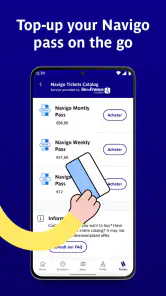
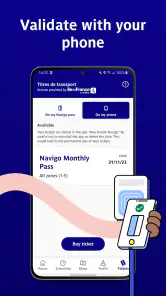
Bonjour RATP is a comprehensive travel app designed to help users navigate the public transportation system in Paris and the surrounding Île-de-France region. It offers real-time information on metro, bus, tram, and RER train schedules, route planning, and traffic updates. Additionally, users can purchase tickets and passes directly through the app, making it a convenient tool for both daily commuters and tourists.
Pros
- Real-time updates on public transport.
- User-friendly interface and navigation.
- Supports multiple languages.
- Includes Paris maps and routes.
- Customizable alerts for disruptions.
Cons
- Limited to Paris transport system.
- Occasional inaccuracies in schedules.
- Requires stable internet connection.
- No offline mode available.
- Limited features for tourists.

- Category
- Maps & Navigation
- Version
- 9.1.1