DiDi Rider: Affordable rides
- 5.48K
- 4.5
- Installs
- 100.00M
- Price
- Free

Screenshots





Analysis by Reviewed
In a household where people share a phone or help one another get around, a ride app can be useful—but it also makes clear account boundaries important. I’d treat DiDi Rider as a personal travel tool, not a shared family account: the person requesting a ride should check the pickup and destination themselves, and the person whose account is open should know when a trip is being booked. That simple habit helps prevent mix-ups when several people use the same device.
Keep the booking tied to the right person
Before requesting a car for someone else, I would confirm that the signed-in account and the passenger’s contact details are appropriate for that arrangement. A shared device can make it easy to tap through using the wrong person’s session, so I’d avoid handing over an unlocked phone and assuming everything is ready. If a household member often travels independently, having them use their own account and device where possible makes responsibility for the ride clearer.
A practical use case is helping a relative arrange a trip while they are at home: agree on the destination first, check the pickup point together, then make sure the passenger knows which ride to look for. This is especially helpful when a building has more than one entrance or a busy curb makes meeting a driver confusing. I would not rely on a brief message alone when a quick confirmation can prevent a wrong pickup.
The Latest on DiDi Rider: Affordable rides
Coordinate without losing track of the trip
For a shared household routine, the app is most useful when one person books and another clearly knows the plan. DiDi Rider’s trip-sharing option, described in the published review below, can help a friend or family member follow a journey; I’d use it when someone is travelling alone or arriving late, rather than treating it as a substitute for confirming that the passenger has reached the right car. Sharing the trip with a trusted person is a small step, but it can make coordination feel less uncertain.
It also helps to think through the handoff before leaving: who is the passenger, where will they wait, and who will be available if plans change? Ride-hailing is not the same as a household calendar or a guaranteed pickup arrangement. When timing is critical, I’d leave a buffer and keep a familiar public-transport route or another local option in mind.
Age, trust, and the right level of oversight
The app is rated for Everyone, but that age label does not replace a household’s own judgement about whether a younger person is ready to arrange a ride. I’d make sure they can identify the correct vehicle and driver details, understand where they are going, and contact a trusted adult if anything feels wrong. For a child who cannot manage those steps independently, an adult should handle the journey rather than assuming the app itself provides family supervision.
DiDi Rider is a maps-and-navigation app from DiDi Global, and its core appeal is arranging paid rides rather than planning every kind of trip. Compared with checking public-transit routes or using a map app to navigate, it is more direct when you need a car to take you door to door; those alternatives may be better for predictable routes, budget-conscious commuting, or situations where you want to travel without booking a driver. I would compare the displayed ride estimate with the time and cost of other practical options before committing.
More From Our News Desk

Weather by Xiaomi Review: Clear at a Glance, Less Clear Up Close

X Under Pressure: Can It Recover When Posting Goes Wrong?

Clash of Clans Is Won Between the Battles

Android Auto Makes the Case for Quieter Car Software

MobiOffice: Transforming Mobile Productivity with Seamless Integration

EA SPORTS FC™ Mobile Soccer: Redefining Mobile Sports Gaming
Have you ever found yourself stuck in traffic, impatiently waiting for your ride to show up? Well, those days might just be over with DiDi Rider. This app promises to deliver an affordable and reliable ride-sharing experience, and boy does it deliver!
Getting Started with DiDi Rider
Setting up DiDi Rider is as easy as pie. Once you download it from your app store, it’s just a matter of signing up with your phone number or email. The interface is user-friendly, and you’ll find yourself navigating through the app with ease. The home screen displays your current location, and with a few taps, you can enter your destination and get an estimated fare, which is a nice touch!
Features That Stand Out
One of the standout features of DiDi Rider is the fare transparency. No more guessing games with the cost of your ride! The app provides a clear fare estimate and even suggests the best routes to save you a few bucks. For someone who’s always on a budget, this feature is a lifesaver.
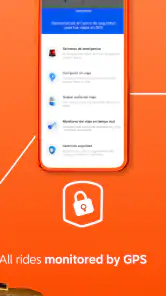
Another feature worth mentioning is the safety measures. In today’s world, feeling safe during your ride is crucial. DiDi Rider includes an emergency button and allows you to share your trip details with friends or family, which I found extremely reassuring.
The User Experience
Using DiDi Rider feels like a breeze. The app is responsive and doesn’t lag, which is something I truly appreciate. Booking a ride takes mere seconds, and the driver’s details are shared promptly. The drivers I’ve encountered have been polite and professional, which adds to the overall pleasant experience.
Another thing that caught my eye is the way DiDi Rider integrates promotions and discounts. Every now and then, you’ll find yourself getting a sweet deal that makes your ride even more affordable. Who doesn’t love a good discount?
Final Thoughts
Overall, DiDi Rider has impressed me with its seamless functionality and customer-focused features. Whether you’re commuting to work or exploring the city, this app offers a reliable and cost-effective solution. If you’re in the market for a ride-sharing service that puts your needs first, this is definitely worth a download. Give it a spin and enjoy the ride!
When a ride app fits the household
I’d recommend it most to adults who need an occasional car ride, want to see an estimated fare before booking, or like having ride ordering and food delivery in one app. It is free to download, has an average rating of 4.5 from around 1.3 million ratings, and has passed 100 million installs. Those figures suggest broad use, but they don’t guarantee the same driver availability or experience in every area.
A realistic weekday example: someone finishes work later than planned, checks the pickup point outside the office, enters home as the destination, and compares the ride estimate with the alternatives before confirming. They can then tell a household member when they expect to arrive and share trip details if that adds reassurance. The useful habit is checking the exact pickup pin before booking; a nearby side street or entrance can be easier for a driver to reach than the building’s main door.
Discounts are a bonus, not a travel plan
Promotions can make a trip more appealing, but I wouldn’t build a regular commute around discounts that may come and go. I’d check the final fare shown for the specific ride and decide whether the convenience is worth it even without a deal. If the trip is routine, comparing DiDi Rider with local transit or another ride-hailing option can help you avoid choosing by habit alone. The best alternative depends on the route: transit may suit a fixed corridor, while a car can be more practical with luggage, mobility needs, or a late arrival.
DiDi Rider is free and rated for Everyone, and the current version is 7.6.20, with Android support starting at version 6.0. The developer is DiDi Global. For a household considering one shared device, I would check that the app is current and avoid assuming the device’s age rating means every passenger is ready to travel alone. A younger rider still needs an adult’s judgement and a clear plan for pickup, destination, and what to do if the ride details do not match.
Who should choose another option?
I’d skip it if you mainly need walking directions, detailed public-transit planning, or a dependable fixed schedule; a navigation or transit app is better suited to those jobs. It may also be a poor fit when you cannot confirm a safe pickup point, need a specific accessibility arrangement that you have not verified, or are booking for someone who cannot independently identify their ride. In those cases, a familiar transport service or an adult accompanying the passenger is the more sensible choice.
For a household, the most useful question is not simply whether everyone can open the app, but who is responsible for checking the booking from start to finish. If one person requests the ride for another, I’d have both people confirm the destination and pickup location before the request is placed. That reduces the chance that a saved address, a pin on the wrong side of a large building, or an assumption about who is travelling sends the car to the wrong place.
I would also keep the phone charged and accessible to the passenger during the trip. A person waiting outside should be able to check the ride details and contact the person who arranged it if something does not line up. This is a practical coordination habit, not a substitute for using judgement: if the vehicle or driver details do not match what the passenger expects, they should pause and ask for help rather than getting in just to avoid making the driver wait.
Choosing between a car, transit, and a map
For spontaneous point-to-point travel, a ride app can save the effort of working out transfers, but it does not make every journey simpler. I’d compare the estimated fare and arrival plan with a transit option when the route is familiar, especially if the trip happens repeatedly. A standard navigation app is more appropriate when I’m driving myself, walking, or trying to understand the street layout. DiDi Rider makes more sense when I’ve decided that a booked car is the right mode and want to arrange it in the same place I can check the ride.
That distinction matters for visitors as well as locals. In an unfamiliar area, a car may be convenient with bags or after a late event, while public transport can be easier if traffic makes road travel unpredictable. I wouldn’t assume a discount settles the choice: a lower fare is only useful if the pickup, drop-off, and timing work for the actual outing. Before leaving a venue, I’d identify a clear place to meet the car instead of requesting it from a crowded entrance where several people are being collected.
Small checks that make a booking smoother
The pickup pin deserves a second look, even when the map appears to have found the right address. Large sites, apartment blocks, malls, and venues can have entrances on different streets, and the front door is not always the easiest meeting point. I’d use a nearby, recognizable curb when it is safe and lawful to wait there, then tell the passenger the same landmark. This is more useful than assuming the driver will know which entrance the household has in mind.
When comparing a ride with another option, I’d make the decision before everyone is standing outside in a hurry. Check the estimate, consider whether a passenger has bags or needs direct access, and allow time for the pickup to happen. That simple sequence helps keep convenience from turning into pressure to accept a plan that no longer feels right. It also makes promotions easier to judge: I can treat a deal as a welcome saving rather than a reason to take a trip I would not otherwise choose.
There is a trade-off in combining ride ordering and food delivery in one app: it can be handy if I already use both kinds of service, but someone who only wants maps or public-transport directions may find a dedicated navigation tool more focused. I would choose the app for the job I need done, not because an all-in-one layout is automatically better. For occasional rides, keeping the purpose clear also makes it easier to check the fare and the destination without getting distracted by unrelated offers.
My household verdict
I see DiDi Rider as a useful option for adults who want to book a car, check an estimate, and coordinate a trip with someone they trust. Its household value comes from making the ride plan easier to discuss, not from replacing adult oversight or creating shared-account safeguards. The app is free, and its broad popularity is encouraging, but an individual trip still depends on the local service and on making sensible choices at pickup.
I’d use it for an occasional late journey, a ride with luggage, or helping a relative arrange a trip when we can confirm the details together. I’d look elsewhere for detailed transit planning, walking directions, or a journey that must follow a fixed timetable. For younger passengers, I would make the decision based on their readiness and the level of adult support available, not on the app’s Everyone rating. With those boundaries in place, it can be a practical household travel tool rather than a substitute for planning.
DiDi Rider: Affordable rides Frequently Asked Questions
Can I use DiDi Rider to order food as well as book rides?
Yes. DiDi Rider brings affordable rides and food delivery together in one app, and its summary highlights discounts on these services. This can be convenient if you want to handle transport and food orders from a single place. The options you see may vary by location, so check the app after opening it to see which services are available to you.
What should I check before requesting a ride through DiDi Rider?
Before requesting a ride, make sure your pickup point and destination are entered correctly and that the app can access your location. Check the trip details shown on screen so you can confirm the journey is right for you before proceeding. It is also sensible to keep your phone available while the ride is being arranged, since the app is used to coordinate the request.
Is DiDi Rider free to download, and what devices can run it?
DiDi Rider is free to download and is designed for Android devices running version 6.0 or later. The app is rated Everyone, so its content is suitable for a broad audience. Before installing, check that your phone meets the operating system requirement and has enough space for the download. You can then set up an account and see whether ride services are offered where you are.
What is DiDi Rider, and how does it work?
DiDi Rider is a mobile application that connects passengers with drivers for affordable rides. Users can download the app, create an account, and enter their destination to request a ride. The app uses GPS to match riders with available drivers nearby, providing an estimated fare and arrival time. Payments can be made through the app, ensuring a seamless and cashless transaction process.
Is DiDi Rider available in my city or country?
DiDi Rider is available in numerous cities across various countries, continually expanding its reach to provide more users with affordable transportation options. To find out if DiDi operates in your area, you can visit their official website or download the app and enter your location details. The app will notify you if services are available in your region.
Pros
- Affordable and competitive pricing
- User-friendly interface
- Wide coverage in various cities
- Multiple payment options
- Quick ride matching
Cons
- Limited driver availability at peak hours
- Occasional app glitches
- Inconsistent ride quality
- Higher prices during surge times
- Limited customer support
- Category
- Maps & Navigation
- Version
- 7.6.20