inDrive. Rides with fair fares
- 9.87K
- 4.7
- Installs
- 100.00M
- Price
- Free

Screenshots
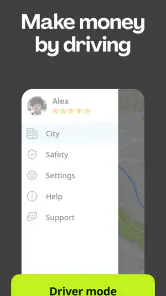
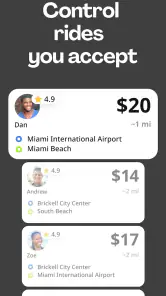
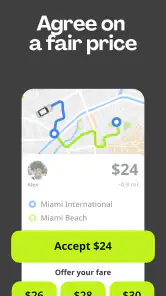
Analysis by Reviewed
When I’m deciding how to get across town, I care about more than the fastest route: I want to know what I’ll pay and whether the booking process feels dependable. inDrive takes a different approach from the usual ride-hailing apps by letting riders propose a fare and drivers respond. That extra choice can be appealing, but it also means the experience depends on how quickly someone accepts a request and whether both sides agree.
Speed is about agreement, not just pickup
With a conventional ride app, you generally accept the displayed offer and move on. Here, choosing a fare adds a small decision before the ride is confirmed. If a driver accepts promptly, the process can feel direct; if offers go back and forth, it may take longer than simply taking a set quote. I’d use that flexibility when I have a little time to compare responses, rather than when I’m already late and need the least complicated booking possible.
A practical approach is to think about your destination and how soon you need to leave before making an offer. For a routine trip with room in the schedule, proposing a price gives you a chance to set your own limit. For an urgent airport departure or a tight appointment, the ability to negotiate may be less valuable than a service where you can quickly accept an available fare. The trade-off is control versus certainty, not a promise that every request will be faster or cheaper.
The Latest on inDrive. Rides with fair fares
Busy trips call for a little planning
Imagine leaving work during a rush, with a grocery bag in one hand and a meeting starting soon. You can suggest what you’re willing to pay, but you’ll need to pay attention to driver replies rather than assume the first offer will be accepted. I’d decide my upper limit before opening the request, then compare responses against that limit instead of raising my price impulsively because I’m in a hurry.
That habit also helps when you’re traveling with someone who has a different idea of what counts as a fair fare. Agreeing on a budget first avoids turning the booking screen into a last-minute debate. If no response feels suitable, it’s sensible to reconsider the timing or use another transport option rather than keep negotiating past the amount you meant to spend.
A Fresh Approach to Ride-Hailing
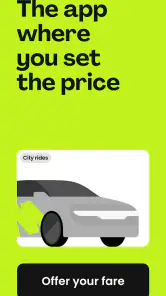
So, what exactly is the deal with inDrive? Well, it's not just about getting from point A to point B. The app introduces a refreshing concept where riders and drivers can negotiate fares. Yes, you heard that right! You, as a rider, can propose a fare you’re willing to pay, and drivers can either accept, reject, or counter-offer. This feature is a game-changer, especially if you're traveling on a budget or during peak hours when fares tend to skyrocket on other platforms.
How It Works
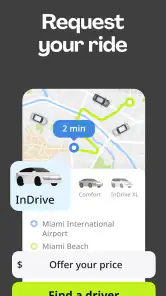
The user interface is pretty straightforward. Once you input your destination, you suggest a fare. Drivers in the vicinity will see your request and respond accordingly. It's a bit of a throwback to haggling at a market, but in a modern, digital format. This feature not only empowers the riders but also gives drivers flexibility in choosing their rides, potentially leading to a more satisfied driver community.
More From Our News Desk

Android Auto Makes the Case for Quieter Car Software

MobiOffice: Transforming Mobile Productivity with Seamless Integration

EA SPORTS FC™ Mobile Soccer: Redefining Mobile Sports Gaming

How Microsoft OneDrive Became a Mobile Productivity Giant

How Google Translate Breaks Language Barriers Effortlessly

Why Google Sheets Is the Ultimate Mobile Productivity Tool
Setting up the app is a breeze. You sign up using your phone number or social media accounts, and you're good to go. The app's design is intuitive, making it easy for even the least tech-savvy among us to navigate through its features.
Making the most of driver responses
The useful step that can be easy to overlook is treating each response as information, not just as a yes-or-no verdict. A counter-offer shows that your starting figure did not suit that driver, while an acceptance lets you move on without another round. I’d keep my proposal realistic for the trip and avoid repeatedly changing it without a clear reason; that makes the choice simpler and keeps the exchange focused.
Before confirming, take a moment to check that the destination and agreed fare still match what you intended. This is especially helpful when arranging a ride for another person: confirm the details with them first, then share the ride information through the app’s available safety tools. The extra check is small, but it can prevent confusion when the person booking and the person traveling are not the same.
Safety First
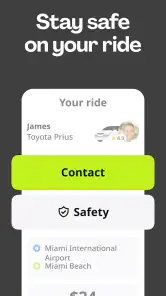
One of my primary concerns when using a new ride-hailing app is safety, and inDrive doesn’t disappoint. The app includes a range of safety features such as real-time ride tracking, which lets you share your location with family or friends. Plus, you can check driver ratings and reviews before hopping in, ensuring peace of mind for every trip you take.
Additionally, the app provides a panic button that connects you instantly to emergency services if you ever feel uneasy. It's clear that inDrive takes its users' safety seriously, which is reassuring, especially for solo travelers.
Reliability and what to expect
Ride availability and response time are tied to drivers being nearby and willing to accept the proposed terms, so I wouldn’t treat a successful booking in one situation as a guarantee for every route or hour. A useful way to judge whether the service fits your routine is to try it on a non-urgent journey first. You can learn how the offer-and-response flow feels in your area before relying on it for an important connection.
For a trip that cannot be delayed, I’d keep a backup in mind, such as another ride service or public transport. That isn’t a criticism unique to this app; it’s a sensible precaution when a ride depends on finding a driver who agrees to the fare. Once a ride is arranged, tracking and driver information can help you follow the trip, but they don’t remove the need to check the ride details before getting in.
Who benefits from the bargaining model?
I see the strongest fit for people who make ordinary city trips, have some flexibility, and prefer to set a spending limit instead of simply accepting a quoted fare. It can also suit riders who like comparing a few driver responses and are comfortable making a clear offer. If you often book at the last minute, dislike negotiating, or need a predictable process above all else, a conventional fixed-quote ride app may feel easier.
It’s also worth separating price control from guaranteed savings. Suggesting your own fare lets you state what you are prepared to pay, but a driver still has to accept it. I would not assume that every offer will be cheaper than a competing service; compare the final terms and the time involved, especially when demand is high. That makes the app’s central idea useful without turning it into a promise it cannot make.
Device and everyday-use considerations
As a maps and navigation app, inDrive is most useful when your phone can stay available through booking and the trip. If your device is older or short on battery, I’d start with enough charge for the journey and keep the screen use practical rather than leaving it open unnecessarily. That’s general phone housekeeping, but it matters more when you’re depending on a live ride and want to check the driver or follow the trip.
The app is free, rated for everyone, and developed by ® SUOL INNOVATIONS LTD. It has a 4.7 average from around 13 million ratings, with over 100 million installs, which suggests that many people have tried it; those figures don’t guarantee the same availability or experience in every place. The current version is 5.150.1, and it supports devices running Android 7.0 or later. I’d check that your operating system meets that requirement before relying on it for a journey.
Community and Growth
What’s pretty cool is that inDrive is heavily community-focused. It started as a peer-to-peer service in Siberia and has grown globally, maintaining that local community vibe. This means that users often find themselves paying more reasonable fares compared to other platforms, as the app allows for healthy competition among drivers without the interference of high commission fees.
The app is available in numerous countries and continues to expand, which is a testament to its growing popularity and the positive reception from users worldwide. It’s not just another ride-hailing app; it’s a movement toward fairer pricing and better service.
Choosing a fare without wasting time
For a first ride, I’d treat the proposed fare as a starting point for a decision, not a test of how low I can go. Think about the trip’s length, the time you have, and what a confirmed ride is worth to you. If a response comes back higher than your offer, compare it with the practical cost of waiting or choosing another way to travel. That keeps the negotiation grounded in the actual journey instead of turning it into a contest.
A useful habit is to decide in advance what would make you stop: a maximum fare, a maximum wait, or a point when you’ll switch to public transport or another app. This is especially helpful when booking from a busy pickup spot, where it is easy to focus on the replies and lose track of your schedule. A clear cutoff makes the flexibility feel useful rather than open-ended.
Where it fits among ride options
Compared with a typical ride-hailing service that presents a fare to accept, this app gives you more say in the starting price but asks you to participate in the match. A fixed-quote option is often the simpler choice when you value a quick, predictable checkout. Public transport can be better when the route is straightforward and keeping costs low matters more than door-to-door convenience. I’d keep these options side by side rather than expecting one app to suit every trip.
For regular journeys, you can learn which approach works best at different times by using the service when lateness would not cause trouble. A familiar route gives you a useful comparison: does setting a fare feel worth the extra interaction, or would you rather take a displayed quote? The answer may change between a relaxed weekend ride and a time-sensitive weekday pickup.
When a ride is for someone else
Booking on behalf of a relative or friend adds a small coordination step. Before making the request, agree on the destination and spending limit, then make sure the traveler knows which ride details to check when the driver arrives. This is more than a convenience: it avoids the awkward situation where the person who arranged the fare and the person getting into the car have different expectations.
If the traveler is unfamiliar with the area, I’d stay available until the ride is underway and use the app’s available trip-sharing tools as appropriate. The person traveling should still verify the vehicle and driver information rather than relying only on a message from the person who booked. A little coordination makes the app’s flexible booking model easier to use for families and small groups.
My performance verdict
For me, the appeal is the unusual balance between rider choice and driver choice: you name a fare, but the ride only comes together when a driver agrees. That makes the experience engaging when I have time to decide, and less suitable when every minute counts. I’d try it for flexible local journeys, compare the final offer with familiar alternatives, and keep a backup for trips where a delay would cause real trouble.
In conclusion, if you're looking for a ride-hailing app that offers more control over your travel costs, prioritizes safety, and supports a community-driven approach, then inDrive might just be the app for you. It's a breath of fresh air in a saturated market, and it's definitely worth a try. Who knew booking a ride could be this engaging?
inDrive. Rides with fair fares Frequently Asked Questions
Can I use inDrive if I only need a map or directions?
inDrive is designed around arranging rides, rather than serving as a general-purpose map or navigation tool. Its main idea is to connect passengers and drivers so they can agree on a ride and fare. If you want standalone directions without booking a trip, consider whether an app focused on maps and navigation would better suit that need.
What does “ride or drive at your price” mean in practice?
The phrase describes inDrive’s approach to fares: a passenger can propose an amount for a ride, and nearby drivers may accept or counter that offer. You can review the responses and choose an offer that works for your trip. This gives both sides a say in the fare instead of relying only on an automatically assigned price.
Can I see offers before deciding which ride to take?
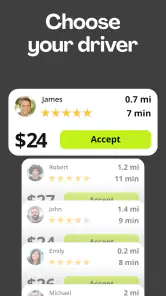
Yes. After you propose a fare, nearby drivers can accept it or suggest a different amount. You can review the offers and their details before choosing one, which makes the process feel more flexible than simply accepting a fare automatically. Take a moment to compare the available options and select the one that suits your trip.
Can I use inDrive to request a ride for someone else?
inDrive is built around entering trip details and arranging a ride with a driver. If you are requesting a ride for another person, make sure the pickup and destination are accurate and that the person taking the trip can follow the ride arrangements. Review the offer and trip details before confirming so everyone involved understands the plan.
What should I check before requesting a ride with inDrive?
Before making a request, confirm that your pickup and destination are entered correctly and that the trip details reflect what you need. inDrive’s ride process lets you propose a fare, so consider what you are comfortable offering and review any responses carefully. Keeping the app available while arranging the trip also helps you follow the request as it develops.
Pros
- User-friendly interface enhances usability.
- Competitive pricing compared to other apps.
- Wide availability in multiple cities.
- Allows negotiation of ride prices.
- Option to choose preferred driver.
Cons
- Limited payment options available.
- Occasional delays in ride arrivals.
- Some areas have limited driver availability.
- No real-time ride tracking feature.
- Driver rating system needs improvement.
- Category
- Maps & Navigation
- Version
- 5.150.1