Babbel - Learn Languages
- 41.08K
- 4.6
- Installs
- 50.00M
- Price
- Free
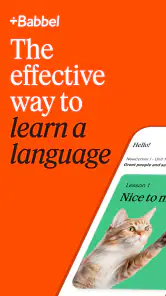
Screenshots
Analysis by Reviewed
When I try a language app for the first time, I want to know what I can realistically do with it before I commit to a routine. Babbel - Learn Languages is an education app from Babbel, and its approach is built around guided lessons rather than an open-ended library of words. It is free to install, with in-app purchases, so I would treat the first session as a chance to see whether its lesson style suits me before deciding whether to pay. The app is rated for Everyone, and its 4.6 average across around 1.1 million ratings suggests that many learners have found it useful, though that does not mean every method will fit every person.
What to expect from the lessons
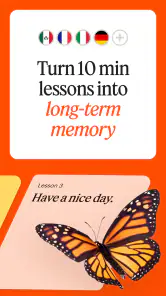
The first thing I would expect is a structured path through practical language material, not a shortcut to fluency. The app covers languages including Spanish, French, Italian, German, and Russian. That breadth is helpful if I am choosing a first language or switching between interests, but I would focus on one at a time: regular contact with one course is more useful than sampling several and remembering little from each.
Compared with flashcard-focused alternatives, Babbel puts more emphasis on phrases and context. That can make a new expression easier to imagine using, while flashcards may be better when I only need to drill a list of terms quickly. It also cannot replace conversation with another person. I would use it to prepare and practise, then look for real speaking opportunities if my goal is comfortable, spontaneous conversation.
Getting Started with Babbel
Upon downloading the Babbel - Learn Languages app, I was greeted with a sleek and user-friendly interface. Setting up was a piece of cake. You just choose a language from their impressive lineup – be it Spanish, French, German, or even lesser-studied tongues like Danish or Russian. The app then tailors a learning plan suited to your level and goals. It's like having a personal tutor in your pocket!
For a first-time learner, I would keep that setup simple: choose the language I actually expect to use, be honest about my current level, and begin with the recommended path rather than trying to optimize every choice. A useful test is whether the first lesson feels clear enough to continue without outside instructions. If I already know some basics, I would still start at a comfortable point and adjust only after I can judge the pace. That avoids the common trap of picking an advanced starting point just because familiar words look easy.
Learning Experience
What sets Babbel apart is its focus on real-life conversations. Forget rote memorization of vocabulary lists; Babbel introduces new words and phrases in context, making it easier to recall and use them in daily conversations. The lessons are bite-sized, perfect for fitting into a busy schedule. I found myself learning during my morning commute or while waiting for my coffee. Each lesson builds on the last, reinforcing what you've learned and ensuring it sticks.
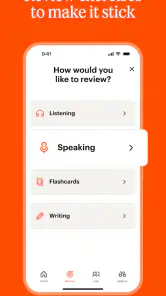
To make those short sessions count, I would do one lesson with my phone somewhere I can listen and speak comfortably, then pause for a moment and try to recall a phrase without looking. That small retrieval step can reveal whether I recognized the answer on screen or actually remember it. On a busy day, a brief review is a sensible way to keep contact with the language; when I have more time, moving forward only after I can explain a phrase in my own words gives the lesson more lasting value.
More From Our News Desk

Clash of Clans Is Won Between the Battles

Android Auto Makes the Case for Quieter Car Software

MobiOffice: Transforming Mobile Productivity with Seamless Integration

EA SPORTS FC™ Mobile Soccer: Redefining Mobile Sports Gaming

How Microsoft OneDrive Became a Mobile Productivity Giant

How Google Translate Breaks Language Barriers Effortlessly
Interactive Features
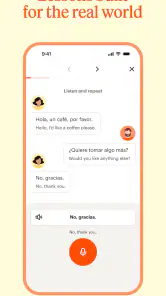
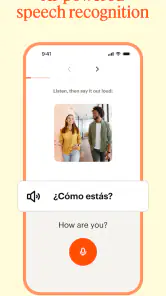
Babbel doesn’t just stop at teaching vocabulary. The app includes interactive dialogues and speech recognition exercises that help you nail the pronunciation. It was a bit like having a friendly chat with a native speaker who’s patient enough to let you try again if you mess up, which, let’s be honest, happens a lot at the start.
I would treat speech recognition as practice, not as a final judge of how understandable I am. A phone can help me notice whether I am attempting the sounds, but it is not the same as being understood by a person in a noisy café or on a quick call. If a spoken exercise keeps tripping me up, slowing down and repeating the phrase in smaller pieces is more useful than rushing through it just to finish. Learners who mainly want pronunciation coaching from a human teacher may prefer to pair an app with lessons or conversation practice.
Progress and Motivation
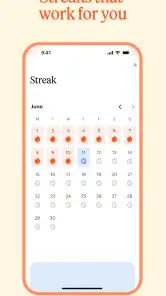
One of the things I loved is the app's tracking feature. It lets you see your progress over time, which is a great motivator. There’s something immensely satisfying about seeing those little achievements and knowing that you’re one step closer to fluency. Plus, Babbel sends gentle reminders to keep you on track, which I found pretty helpful on days when I needed that extra nudge.
Reminders work best when they fit a routine I already have. For example, I could study after breakfast or during a quiet part of my commute, rather than setting an ambitious schedule that quickly becomes another obligation. If I miss a day, I would simply return with a short review instead of trying to “make up” for every lost session. Progress indicators can encourage consistency, but they cannot tell me whether I can comfortably handle an unplanned conversation, so I would measure success by what I can recall and say as well as by completed lessons.
If you’re a competitive soul, Babbel has got you covered too. They have a handy feature where you can challenge friends or join a community of learners to keep the motivation high. It’s like social media but for language nerds.
For a realistic first win, I would choose a practical situation I expect to face: greeting someone, ordering a drink, or introducing myself. After a lesson, I would say the relevant phrase aloud without reading it, then try to use it in a real exchange when the chance comes. That is a modest goal, but it turns study into something tangible. If I am learning for travel, I would keep a few useful expressions easy to revisit; if I am studying for work or an exam, I would check whether the course’s conversational focus matches the more specialized vocabulary I need.
Cost, fit, and the next step
Babbel has more than 50 million installs and is free to download, while in-app purchases range from $12.95 to $349.99 per item. I would check the purchase details shown in the app before paying, and think about how regularly I will use it rather than judging value by the size of the course alone. The current version is 21.88.1, and the app requires Android 9 or later. A beginner who wants a guided routine may find that structure worth exploring; someone who only wants free, casual vocabulary practice may be happier with a no-cost flashcard tool or a conversation exchange instead.
For a first-time user, my next step would be simple: complete an introductory lesson, test whether the explanations and speaking activities feel comfortable, and decide on a repeatable time for the next session. I would not expect an app to make me fluent by itself, and I would not choose Babbel if my only aim were to chat with people from day one. But for a learner who wants an organized starting point and practice that connects words to everyday situations, it is a reassuring way to begin.
Picking the right routine for real life
The strongest fit, in my view, is someone who likes knowing what to do next. If I am starting Spanish before a trip, I can use a guided course to build familiarity with everyday expressions, then practise saying them aloud instead of waiting until I arrive to encounter the language for the first time. If I am revisiting French after years away, a structured sequence can help me find my footing again without spending every session deciding which topic to study.
A realistic weekday routine does not need to be ambitious. I might complete a lesson during a quiet lunch break, make a note of one expression I can imagine using, and try to recall it later while walking home. The useful part is not the streak or the number of screens completed; it is whether I can bring a phrase to mind when I need it. Keeping the target small also makes it easier to return after a busy week instead of treating missed practice as failure.
There is a practical trade-off in choosing guided lessons over a completely open study tool. A path reduces decision fatigue and gives a new learner a sense of progression, but it can feel restrictive if I already know exactly what I want to practise. In that case, a personal flashcard deck or a tutor focused on a specific task may be more efficient. I would use Babbel as the main structure when I need a route through the basics, not as the only tool for every language goal.
Making practice stick beyond the screen
One small habit makes the exercises more valuable: turn a lesson phrase into a prompt for yourself. After practising an introduction, I can cover the text and try to rebuild the sentence from memory, then say it at a natural pace. If I cannot retrieve it, that is a clear sign to review rather than simply move on. This is more revealing than tapping a correct multiple-choice answer, because recognition is easier than producing language without a cue.
I would also keep the first few lessons low-pressure. Speaking to a phone can feel awkward, especially in a shared room or on public transport, so I would save pronunciation practice for a place where I can speak freely. If that is not possible, I can still work through the quieter parts of a lesson and return to speaking when it is convenient. The goal is to make the routine workable, not to force every activity into an unsuitable setting.
For travel preparation, I would pair app study with a short list of situations I expect to encounter, such as asking for directions or making a simple request. The app gives me a structured start, while a real conversation, a language exchange, or listening to natural speech can expose me to the speed and variation that a lesson cannot fully reproduce. That combination is especially helpful for learners who understand exercises but freeze when someone answers unexpectedly.
Where another approach may serve you better
Babbel is not my first choice for someone whose main need is unscripted conversation right away. A conversation partner or tutor offers responses shaped by what I actually say, along with the chance to ask for clarification. Likewise, a learner preparing for a specialist exam or a technical job may need material organized around that exact vocabulary rather than a broad everyday learning path. I would treat those as complementary needs, not reasons to expect one app to cover every situation.
It may also be a poor match if I want a completely free, casual way to collect isolated words and have no interest in following a sequence. The app is free to install, but purchases are available, so I would explore the initial experience and decide whether the guided format earns a place in my routine before spending money. Before buying, I would check the exact offer and terms presented to me in the app rather than assuming every purchase has the same scope.
On the other hand, a learner who gets overwhelmed by blank search boxes and sprawling collections may appreciate having a lesson path to follow. That structure can make the first useful step obvious: choose a language, begin at a sensible level, and work through one short lesson. The balance is straightforward—less freedom to jump anywhere, in exchange for more direction when I am not yet sure what to study.
Questions I would settle before committing
Would I need to pay before I can decide whether the teaching style works for me? The app is free to install, and I would use the available initial experience to judge the lesson format before making a purchase decision. Since in-app purchase amounts vary, I would look carefully at the option shown at checkout and make sure it matches how long and how often I realistically plan to study.
Can it take me from absolute beginner to fluent without anything else? I would not set that expectation. It can provide a guided place to start and useful practice, but fluency also depends on sustained study and using the language with people. If speaking naturally is the goal, I would add conversation practice; if listening is the weak point, I would seek out spoken language beyond lesson prompts as my confidence grows.
What if I already know some of the language? I would begin where the material feels comfortable, pay attention to whether I can produce answers rather than merely recognize them, and move on when the basics feel too easy. Starting too high can hide gaps in simple grammar or everyday phrasing, while starting too low for too long can waste time. A quick, honest check of what I can say unaided is a better guide than confidence based only on familiar-looking words.
Finally, is it suitable for every phone? The Android version discussed here requires Android 9 or later, so I would check that before installing on an older device. Babbel is developed by Babbel, has an Everyone age rating, and is version 21.88.1. Those practical details matter, but the more important question is whether I will use its lesson-led approach often enough for it to become part of my week.
Final Thoughts
In a nutshell, Babbel - Learn Languages is like having a language school in your pocket. It’s flexible, interactive, and most importantly, effective. Whether you're a complete newbie or looking to brush up on your skills, Babbel is a great companion to have. Sure, no app is a complete substitute for immersive learning, but Babbel gets pretty darn close. So, if you're serious about learning a new language, give Babbel a go. It might just be the best decision you make today!
Babbel - Learn Languages Frequently Asked Questions
What age group is Babbel intended for?
Babbel is rated for Everyone, making it suitable for a broad audience interested in learning languages. Its lessons focus on language study, so the experience may appeal to students, adults, and anyone who wants to build practical skills in another language. As with any learning app, the best fit depends on the learner’s goals and preferred way of studying.
Does Babbel cover practical conversation as well as vocabulary?
Babbel’s language-learning experience is intended to help users develop skills they can apply in communication, not just collect isolated words. Lessons include real-life dialogues and conversational practice alongside vocabulary and grammar. That combination can help learners connect what they study with everyday exchanges, although progress still depends on regular practice and how actively users work through their chosen course.
Is Babbel free to download, and are there in-app purchases?
Babbel is free to download, so you can install the app and explore its language-learning experience before deciding whether it fits your needs. In-app purchases are available, with listed prices ranging from around $13 to $350 per item. Check the purchase details shown in the app before confirming anything, especially if you are comparing options or managing spending on your device.
What languages can I learn with Babbel?
Babbel offers a wide range of languages that cater to various linguistic interests. Users can choose from popular languages such as Spanish, French, German, Italian, and Portuguese, among others. The app also offers courses in less commonly spoken languages like Swedish, Dutch, and Polish, allowing users to explore diverse linguistic landscapes. Its language-learning focus makes it useful for choosing a course around a language you want to study.
Is Babbel suitable for beginners?
Yes, Babbel is designed to accommodate learners of all levels, including beginners. The app offers structured courses that start with basic vocabulary and grammar, gradually progressing to more complex topics. This makes it an excellent choice for those who are just starting their language learning journey, as well as for intermediate learners looking to improve their skills.
Pros
- Wide range of languages available.
- Short
- engaging lesson formats.
- Offline mode for learning anywhere.
- Speech recognition for pronunciation.
- Regular updates with new content.
Cons
- Subscription required for full access.
- Limited grammar explanations.
- No real-life conversation practice.
- Some languages have limited content.
- May not suit advanced learners.

- Category
- Education
- Version
- 21.88.1