Duolingo: Language Lessons
- 919.04K
- 4.6
- Installs
- 500.00M
- Price
- Free
Screenshots
Analysis by Reviewed
I reach for a language app most often when I have a few spare minutes but not enough focus for a textbook. That is where Duolingo makes a convincing case: its short activities make starting easy, and the familiar routine helps turn occasional practice into a habit. I would treat it as a useful daily companion, though, rather than a complete substitute for conversation or a structured course.
Where it fits in a learner’s routine
A realistic use is a quick lesson while waiting for a bus, followed by a second session later to revisit words that did not stick. The small chunks suit beginners, returning learners, and anyone trying to keep a language active between classes or trips. For a stronger routine, I’d say answers out loud instead of tapping through silently, and jot down a sentence I would actually use in a message or conversation.
That active step matters: recognizing a phrase on screen is easier than recalling it when someone speaks to you. The app can provide repetition and prompts, but I would not expect a streak or a high score to prove that I can hold a real conversation. If speaking comfortably is the goal, pairing lessons with live practice or audio from native speakers is a better plan.
The Latest on Duolingo: Language Lessons
What the format does well—and where it can fall short
Compared with a textbook, Duolingo feels less demanding to open and easier to fit into an unpredictable day. Compared with a tutor or conversation exchange, it offers less room to ask follow-up questions, negotiate meaning, or get nuanced feedback on an attempt to express a personal thought. I see its strongest role as a low-friction way to build familiarity and consistency, not as a one-stop route to fluency.
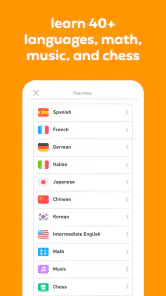
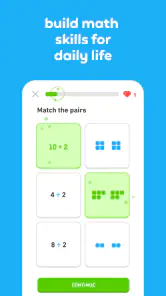
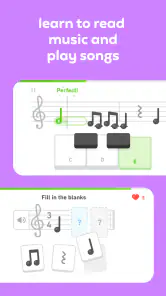
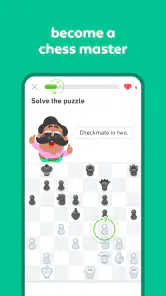
It is also worth checking whether the course you want matches your aims. The app spans language learning as well as subjects such as math, music, and chess, but a broad menu does not make every course the right choice for every learner. If you need detailed grammar explanations, specialist vocabulary, or preparation for a particular exam, a focused course or teacher will likely serve you better.
Small habits that make practice more useful
When I get an answer wrong, I try to identify the exact distinction I missed rather than rushing straight to the next exercise. Was it word order, a small ending, or a sound I misheard? Pausing for that quick diagnosis turns a mistake into something I can watch for later. I also avoid treating a long streak as the goal: a short, attentive session is more useful than tapping through while distracted.
Notifications and competition can help some people remember to return, but they can feel like pressure if a missed day becomes a source of guilt. I would switch off reminders or ignore leaderboards if they make practice less enjoyable. A sustainable pace is more valuable than letting a game-like system dictate how much I study.
More From Our News Desk

X Under Pressure: Can It Recover When Posting Goes Wrong?

Clash of Clans Is Won Between the Battles

Android Auto Makes the Case for Quieter Car Software

MobiOffice: Transforming Mobile Productivity with Seamless Integration

EA SPORTS FC™ Mobile Soccer: Redefining Mobile Sports Gaming

How Microsoft OneDrive Became a Mobile Productivity Giant
Getting Started with Duolingo
Alright, first things first. Setting up Duolingo is a breeze. You just download the app, pick a language you’re interested in, and you’re off to the races. The interface is super user-friendly, which is great because nobody wants to spend ages figuring out where things are. What I love is how the app feels like a game. It’s all about leveling up, earning points, and maintaining streaks. Honestly, it’s a bit addictive in the best way possible. And if you’re into keeping things competitive, you can even follow friends to see who’s the top learner!
The Learning Experience
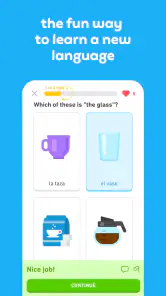
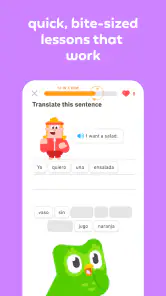
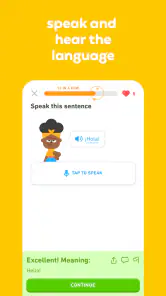
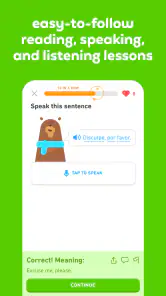
Now, let’s talk about the learning aspect. Duolingo uses a mix of reading, writing, listening, and speaking exercises, which keeps things varied and interesting. The lessons are bite-sized, making it easy to squeeze a quick session into your day. I found this particularly useful during my coffee breaks or while waiting for the bus. Each lesson builds on the last, ensuring you’re reinforcing what you’ve learned. Plus, the app’s got this nifty feature where it reminds you to review certain words or phrases if you’re starting to forget them. It’s like having a personal language coach in your pocket.
The Learning Experience in context
As an education app from developer Duolingo, it is free to start, though in-app purchases range from under a dollar to a few hundred dollars per item, so I would check what an optional purchase covers before confirming it. The app is rated for Everyone, and its average rating is 4.6 from around 40 million ratings, with roughly 919,000 written reviews and over 500 million installs. Those figures suggest a huge audience, but they do not tell me whether a particular course fits my level or learning style.
Duolingo first arrived on May 29, 2013. I would not infer a specific recent redesign or course change from that release date alone; what matters to a new learner is how the current lessons fit into a routine. Existing users can keep using the familiar bite-sized approach, while anyone returning after a break should take a moment to check their course path and available practice before assuming it works exactly as they remember. The app’s broad subject range may evolve, but I would look for clear in-app details before relying on a particular new feature.
The practical question is whether you can learn without paying. The app is free to use, which makes it easy to try a course before deciding whether it belongs in your routine. Optional purchases are available, but I would not buy anything simply to preserve motivation; first see whether the free practice suits you. If ads interrupt your concentration, that is a real trade-off to consider, and a paid option may be worth comparing with other ways of studying rather than treating it as essential.
Making a short session count
One useful approach is to set a tiny purpose before opening a lesson: practise a few phrases for an upcoming trip, or pay attention to verb endings that keep tripping you up. That gives the quick exercises a job beyond earning points. Afterward, I’d try to recall one phrase without looking and use it in a fresh sentence. If I cannot, I know what to revisit rather than mistaking a completed lesson for lasting knowledge.
For a learner juggling several subjects, I would resist splitting attention between too many courses at once. A little regular practice in one language is easier to connect than scattered sessions that keep changing vocabulary and context. The app’s extra subjects can be a welcome change of pace, but they are not a reason to abandon a clear learning goal. I would choose the course that supports what I actually want to do next.
Fun Elements and Motivation
Okay, here’s something I didn’t expect – the app’s mascot, Duo, is surprisingly motivating. It sends you notifications that are both encouraging and, sometimes, hilariously guilt-tripping. But it works! You’ll find yourself logging in just to avoid Duo’s disapproving eyes. There’s also a leaderboard feature where you can see how you stack up against other learners. It adds a layer of fun competition that keeps you coming back for more. And let’s not forget the rewards system. Collecting lingots (Duolingo’s in-app currency) to unlock fun extras or outfits for Duo is a neat touch.
Who will get the most from it
I’d recommend it to someone starting from the basics, returning to a language they once studied, or trying to preserve a small daily habit without arranging a class. It is particularly convenient when a fixed study slot is unrealistic: a short session can fit around a commute or a lunch break. Parents and younger learners may also appreciate that the age rating is Everyone, though the best fit still depends on the learner’s goals and patience with a game-like format.
For someone who needs to speak at work, prepare for an exam, or understand fast conversation, I would use Duolingo as one part of a plan rather than the whole plan. A teacher can respond to a learner’s exact question, while conversation practice exposes gaps that recognition exercises may not. A textbook may be slower to start but can explain a grammar point more directly. The right choice depends on whether the immediate need is routine, explanation, or real-time communication.
Room for Improvement?
While Duolingo is fantastic for beginners and casual learners, it might not be as beneficial for advanced learners seeking more in-depth grammar lessons or cultural context. The app excels in vocabulary and basic sentence structures, but if you’re aiming for fluency, you might want to pair it with other resources. Also, the free version comes with ads, so if you’re someone who gets easily distracted, it might be worth considering their premium subscription.
I would skip it as my main study tool if I already read and speak comfortably and need specialist feedback, or if a lesson’s game-like pace feels too light for my goals. It can still be handy for quick review, but a tutor, class, or more advanced material is likely a better fit for serious progress. Before settling on a course, I’d try a few sessions and ask myself whether the exercises challenge me without making me guess at explanations I need.
There is also a practical difference between completing an exercise and being ready to use the language spontaneously. If you have a real-world deadline, such as ordering food on a trip, rehearse likely exchanges aloud and practise listening elsewhere instead of relying on lesson completion alone. That small check helps reveal whether the app is building usable recall or mostly making familiar prompts feel comfortable.
Before paying for an optional purchase, I’d first work out what friction I am trying to remove. If the issue is a lack of explanation, a subscription may not solve it; a grammar reference or teacher may be more useful. If interruptions are the main problem, compare the cost with your other study options and decide whether you will use the app often enough. Free access makes a trial practical, but it is still worth checking the purchase details carefully.
What I’d watch as a returning learner
Because the app has been around since 2013, returning users may remember a different course layout or routine. I would approach it with an open mind: check the current path, sample a lesson, and see whether the pacing still suits me before rebuilding old habits around memory. A release date is not evidence of a particular recent change, so I would judge the experience I can actually use rather than assume that every old feature remains in the same place.
For existing learners, the most useful measure of progress is not simply how often the app is opened. I’d periodically test myself without prompts: can I understand a short piece of audio, write a useful sentence, or retrieve words after a few days away? If not, I’d adjust the routine by adding listening or conversation practice. This gives the app a sensible role without asking it to do work better handled elsewhere.
So, there you have it, my take on Duolingo. It’s a fun, engaging, and effective tool for language learning, especially if you’re just starting out or looking to practice consistently. The gamified approach makes it feel less like studying and more like, well, playing a game. If you haven’t given it a shot yet, I’d say go ahead and download it. Who knows? You might just find yourself speaking a new language sooner than you think!
Duolingo: Language Lessons Frequently Asked Questions
Can I start using Duolingo without prior language experience?
Yes. Duolingo is designed for learners at different levels, including beginners, and its lessons start with basic material before progressing to more complex topics. Clear instructions and instant feedback help you understand each exercise as you go. If you are completely new to a language, you can work at your own pace and use the structured lessons to build a starting foundation.
How much time should I set aside to use Duolingo regularly?
Duolingo is suited to short, regular practice rather than requiring every study session to feel like a full class. Its interactive exercises, streaks, and rewards can encourage you to return to lessons and make practice part of a routine. How long you spend is up to you; learners who want extended explanations or longer study sessions may find it useful to add other resources.
Can Duolingo help me practice speaking, listening, and writing?
Yes. Duolingo uses interactive exercises that can involve speaking, listening, and writing, rather than relying only on reading lessons. The mix gives you several ways to engage with course material and practice different skills. The exact experience depends on the course you choose, so consider which abilities you want to strengthen as you explore the app.
Can I study more than one language or subject in the same app?
Duolingo offers a range of learning options, including languages as well as Math, Music, and Chess. You can explore the available courses and choose subjects that match your interests. If you want to focus on more than one area, check the options in the app and consider how each course fits your learning goals and routine.
Is Duolingo a good choice if I want to learn a language for travel?
Duolingo can help you build a foundation and practice vocabulary and grammar through interactive lessons. Its short exercises may be convenient for regular study, including when preparing for a trip. It is best viewed as one learning resource rather than a complete substitute for broader language exposure, so you may want to supplement it with other ways of practicing relevant skills.
Pros
- User-friendly interface
- Wide variety of languages
- Gamified learning experience
- Regular updates and improvements
- Offline access for lessons
Cons
- Limited advanced content
- Ads in free version
- Can be repetitive
- Requires internet for some features
- Pronunciation not always accurate
- Category
- Education
- Version
- Varies with device