Yelp: Food, Delivery & Reviews
- 147.09K
- 4.6
- Installs
- 50.00M
- Price
- Free

Screenshots
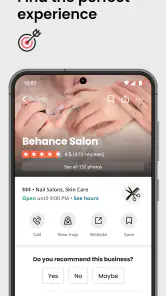
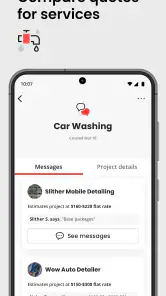
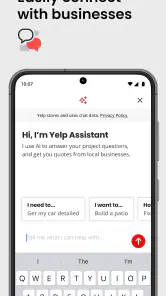
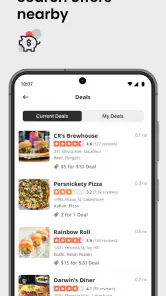
Analysis by Reviewed
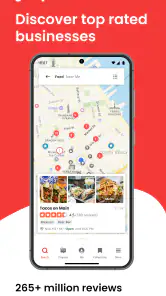
I use Yelp: Food, Delivery & Reviews most when I have a real decision to make: where to meet someone, what to order nearby, or whether a place I have never tried looks worth the detour. It is a free food-and-drink app from Yelp, Inc, and its appeal is the mix of local listings, customer opinions, photos, reservations, and delivery options in one place. I find it useful as a starting point, not a guarantee that every result will suit my taste.
A practical way to choose a place
My usual routine is to search for the kind of meal I want, narrow the area, and compare a handful of likely options rather than treating the first result as the answer. Filters for location, cuisine, and price can make a broad search manageable. I then look beyond the overall rating: recent comments and customer photos often tell me more about the dishes, atmosphere, or portion sizes I care about.
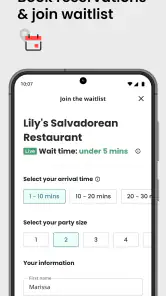
That extra check matters when plans have a constraint. If I am meeting a friend after work, I might compare nearby choices and look for comments that address the kind of experience we want, instead of choosing solely by cuisine. For a reservation, I check the available details in the app before building the evening around them. Listings and availability can change, so I treat the app as a planning aid and confirm the important parts before setting off.
Discovering New Eateries
One of my favorite features of Yelp is how effortlessly it helps you find new places to eat. With its extensive database of reviews and ratings, choosing a restaurant becomes less of a guessing game and more of an informed decision. Whether you’re looking for the best sushi in town or craving some greasy burgers, Yelp’s got your back. I especially love how you can filter searches by location, cuisine, and even price range. It’s like having a personal food guide in your pocket!
Real Reviews by Real People
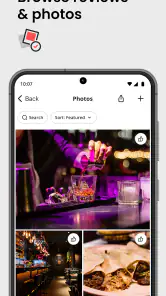
What sets Yelp apart from other review platforms is its community of passionate reviewers. These aren’t just your run-of-the-mill, generic reviews; they’re detailed accounts from people who’ve been there and tasted that. It’s almost like having a friend recommend a place because they give you the lowdown on what’s good and what’s not. Plus, the photos uploaded by users offer a sneak peek at what you’re getting into. Trust me, sometimes a picture is worth more than a thousand words!
Food Delivery at Your Fingertips
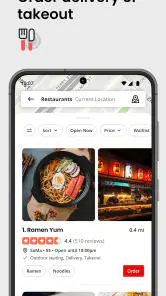
If you’re anything like me, there are days when you just want to enjoy great food without leaving the comfort of your home. That’s where Yelp’s integration with food delivery services comes in handy. You can order from your favorite local spots right through the app, making those lazy Sundays a little more delicious. The process is seamless, and you can even track your order in real time. It’s a lifesaver for those days when cooking feels like a Herculean task!
The Social Aspect
Beyond just reviews, Yelp feels like a community. You can connect with other users, follow reviewers you trust, and even contribute your own reviews. This interaction enriches the experience, turning it into more than just a utility app. It’s like being part of a club where everyone loves food as much as you do. Plus, the ability to participate in forums and events adds another layer of engagement. It’s not just about finding food; it’s about sharing experiences.
More From Our News Desk

Weather by Xiaomi Review: Clear at a Glance, Less Clear Up Close

X Under Pressure: Can It Recover When Posting Goes Wrong?

Clash of Clans Is Won Between the Battles

Android Auto Makes the Case for Quieter Car Software

MobiOffice: Transforming Mobile Productivity with Seamless Integration

EA SPORTS FC™ Mobile Soccer: Redefining Mobile Sports Gaming
Habits that make searches more useful
I get better results when I decide what matters before I open the search: a short walk, a particular cuisine, or a comfortable price range. Then I compare a few candidates using the same criteria. Mixing a very broad search with a long list of filters can hide options I might enjoy, so I loosen the filters if the first pass looks thin. This small habit makes the app feel less like a popularity contest and more like a personal shortlist.
Photos are most useful when I read them alongside written feedback. A polished image can make almost any dish look tempting, while a customer’s description may explain whether the menu item is filling or whether the setting is lively. I also pay attention to what a reviewer actually visited for; a comment about takeout may not answer my questions about dining in. That distinction is especially handy when choosing a place for a meal with a specific mood or purpose.
Settings and choices worth checking
Before relying on Yelp for a particular outing, I check the search area and the filters I have applied. It is easy to keep looking at places that fit yesterday’s plans rather than today’s. I also distinguish between browsing a restaurant and arranging a reservation or delivery: those are different decisions, and I review the relevant details for the option I intend to use instead of assuming that a listing alone confirms a booking or order.
For delivery, I use the app when I want to compare nearby food choices and start an order without switching between several places. A realistic example is getting home late, searching for dinner, checking photos and recent comments, then choosing a familiar dish from a local restaurant. If timing is important, I leave room for the practical uncertainty of delivery; an in-app order is convenient, but it cannot make a busy kitchen or a long trip predictable.
Where Yelp fits among alternatives
Compared with a map app, Yelp gives me a more review-centered way to judge a restaurant, with user photos and written experiences gathered around local businesses. A dedicated delivery app can be the better choice when I already know exactly where I want to order and only need to manage that transaction. For broad discovery—especially when I want to compare food, atmosphere, and neighborhood options—I prefer having Yelp as another perspective rather than assuming one service has the complete picture.
The review community is a strength, but it also calls for judgement. People notice different things, and a very enthusiastic or disappointed account may reflect one visit rather than the pattern I will experience. I look for useful specifics and consistency across comments instead of letting a single dramatic review decide for me. If I need certainty about accessibility, a current menu detail, or a time-sensitive arrangement, I would contact the business directly rather than rely only on old user posts.
Who will get the most from it
I think Yelp suits curious diners, people settling into a new neighborhood, and anyone who likes comparing options before committing. It is also handy for travelers who want local opinions rather than relying only on familiar chains. It is less compelling if you already have a trusted restaurant and ordering routine, dislike reading user-generated reviews, or want one authoritative source for every detail. In those cases, a direct call or a focused map or delivery app may be quicker.
Yelp has an average rating of 4.6 from around 630,000 ratings, with about 147,000 written reviews and over 50 million installs. Those figures suggest a widely used service, but I would still judge it by whether the local listings around me are useful. It is rated for teens, and the current version is 25.49.0-28254902 for devices running OS 9 or newer. The app is free, so trying it as a second opinion alongside your usual way of finding food is an easy, low-commitment choice.
One useful repeatable habit is to save your own judgement for after the visit: note what you ordered, when you went, and what worked for your group while the details are fresh. If you choose to contribute a review, concrete observations help the next person more than a vague verdict. I would keep it fair and specific, since a single experience cannot speak for every visit. That approach also makes the community side feel more valuable than simply adding another rating to the pile.
There are limits to the all-in-one approach. Search, reviews, reservations, and delivery sit together, but they do not remove the need to check the details that matter to your plans. I would not use a star score alone to decide whether a restaurant fits a dietary need, nor assume a highly praised dine-in experience predicts how a meal will travel. Yelp is strongest when I use its discovery tools to make a shortlist, then verify anything important with the business or the relevant booking and ordering flow.
A repeatable routine for busy days
For a group meal, I start by separating the non-negotiables from preferences. A location that is convenient for everyone or a cuisine one person can eat matters more than finding the highest-rated option. I use the search to create a small set of candidates, then compare the details in the reviews that relate to our plan. This keeps the decision practical: the most popular restaurant is not necessarily the best fit if it is awkward to reach or its atmosphere is wrong for the occasion.
When I am traveling, I use a slightly different rhythm. Rather than search broadly for “food” and scroll through everything, I look for the type of meal I want near the area where I will already be. I check whether comments describe the experience I am after, then keep a backup choice in mind. That last step is useful when a place is busy, availability changes, or the group changes its mind. Yelp helps me prepare options, but I would not treat a search result as a promise that a table or order will be available at the exact moment I arrive.
Make the review details work for you
A useful shortcut is to read reviews with a question in mind. If I want a quiet lunch, I scan for comments about noise and pace rather than reading every account from top to bottom. If I am choosing takeout, I give more weight to comments about packaging or how the food held up than to praise for the dining room. This is not a special setting; it is simply a way to make the community’s varied feedback more relevant to the decision I actually need to make.
I also avoid treating a number of reviews as a substitute for context. A well-reviewed business may still be a poor match for one particular evening, while a place with fewer comments can be worth considering if the available descriptions answer my questions. I compare the substance of what people say, not just how many stars they give. When comments disagree, I try to identify whether they refer to different dishes, occasions, or expectations. That approach makes the app more useful without pretending user opinions are objective measurements.
When another tool is the smarter choice
Yelp is not my first choice for every food decision. If I know the restaurant already and only need directions, a map app is often more direct. If I have settled on a specific order and want to focus on the delivery process, a dedicated ordering service may offer a simpler route. For a highly time-sensitive reservation or a detail that could make or break the outing, I would verify directly with the business. I see Yelp as a strong discovery companion, not a replacement for every other tool or a guarantee about how a visit will go.
It is also less helpful when I want a single, definitive answer. Reviews reflect individual tastes and visits, and even a detailed account may not match my priorities. Someone who prefers fast, minimal browsing may find the choice of opinions more work than they want. I enjoy that comparison when I am curious, but if I am hungry and already know what I want, opening another service or contacting a restaurant directly can be the more sensible move.
Getting value without overthinking it
My best advice is to give each search a clear purpose, use only the filters that genuinely matter, and stop once I have a few good candidates. It is tempting to keep comparing every rating and photo, but the extra scrolling does not always improve the decision. For ordinary meals, a quick check of recent, relevant comments is often enough. For a celebration, a dietary concern, or a tight schedule, I take more time and confirm the important details separately.
I would recommend Yelp to someone who likes discovering independent local options and wants more than a map pin before choosing where to eat. Its combination of community opinions, images, and ways to explore reservations or delivery gives me useful context in one app. The trade-off is that I still have to interpret the information and check details that matter; no collection of reviews can make every listing current or every diner’s preferences the same as mine.
In conclusion, Yelp: Food, Delivery & Reviews is more than just an app; it’s a tool that transforms the way we explore culinary landscapes. Whether you’re on the hunt for a new dining experience or just want a reliable delivery service, Yelp covers all bases. So next time you’re stuck in a food rut or just curious about what’s out there, give Yelp a go. Who knows? You might just find your new favorite spot!
Yelp: Food, Delivery & Reviews Frequently Asked Questions
Can I use Yelp to find places outside my current area?
Yes. Yelp is designed to help you discover local businesses, and you can search for restaurants, bars, cafes, and other services in an area you are interested in. Search results, reviews, photos, and business details make it easier to compare options before deciding where to go, whether you are exploring nearby or planning a visit elsewhere.
Can I browse Yelp reviews before deciding whether to install or create an account?
Yelp’s app is a practical way to explore customer reviews, photos, and business details while comparing local options. You can browse this information without creating an account, so you can get a feel for the listings before choosing to join. If you later want to contribute reviews, rate businesses, or use account features, you can create a free account.
What kinds of businesses can I look up on Yelp?
Yelp covers more than places to eat. Alongside restaurants, bars, and cafes, you can look for local services and browse business information, customer reviews, and photos. The range of listings makes the app useful for comparing options for a meal or finding a business to contact, with search tools helping you narrow down what is relevant to you.
Is Yelp available for my phone, and what does it cost?
Yelp is a free Food & Drink app from Yelp, Inc. Its current version is 25.49.0-28254902, and it requires Android 9 or later on Android devices. The app has a Teen content rating. These details can help you check compatibility and age suitability before installing; ordering, reservations, or other transactions may have their own terms.
What is Yelp and how does it work?
Yelp is a crowd-sourced local business review and social networking site where users can submit reviews, ratings, and photos of businesses. The app helps users discover and connect with local businesses such as restaurants, bars, and cafes. Users can search for businesses based on location, read reviews, and even make reservations or order delivery directly through the app.
Pros
- Extensive restaurant database.
- User-friendly interface.
- Real-time reviews and ratings.
- Option to book tables directly.
- Comprehensive filter options.
Cons
- Sometimes biased reviews.
- Limited international coverage.
- Ads can be intrusive.
- Requires internet connection.
- Occasional app crashes.
- Category
- Food & Drink
- Version
- 25.49.0-28254902