Too Good To Go: End Food Waste
- 11.39K
- 4.9
- Installs
- 50.00M
- Price
- Free

Screenshots
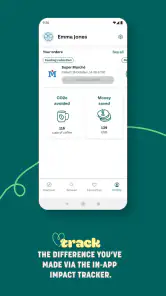
Analysis by Reviewed
My best results with Too Good To Go start before I open the app: I think about where I can realistically collect food and when I can eat it. That small bit of planning matters because the offer is only useful if the pickup fits my day. The app turns surplus food into a chance to try something local, but it works best when I treat it as a flexible food plan rather than a guaranteed dinner.
Start with your route, not just the map
Too Good To Go is a free food and drink app from Too Good To Go Aps. It has a 4.9 average from around 1.8 million ratings and more than 50 million installs. Those figures suggest it has become a familiar option for people looking to rescue food, but the practical question is still whether there are offers near the places you already go.
I would first check the map around home, work, or a regular commute, then look at the pickup windows before deciding. A nearby listing with a tight collection time can be less convenient than one farther along a route I already take. This is also a useful way to avoid browsing offers just because they look tempting: if I cannot reach the shop in time, it is not a real bargain for me.
Make the first search useful
Rather than checking every listing equally, I would start with a short list of places I can reach without changing my day too much. That makes it easier to learn which collection windows fit my routine and which locations are only convenient on paper. If I am near work at the end of the day, for example, I would compare nearby pickup times with my actual departure time, including the walk or transit connection, before reserving.
It is also worth deciding what kind of flexibility I have that day. If I can eat a mix of items, keep some for breakfast, or share the contents, a surprise bag is easier to use. If I need a specific dinner, the app is a poor substitute for choosing ingredients or ordering a particular meal. I find that separating “I want to save food” from “I need this exact dish” prevents disappointment before it starts.
What is Too Good To Go?
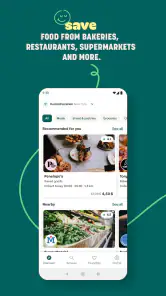
Too Good To Go is an innovative app that connects users with local restaurants, bakeries, and supermarkets to purchase unsold food at a discounted price. The app’s mission is simple: save food, save money, and save the planet. As someone who’s always on the lookout for great deals and eco-friendly solutions, this app definitely piqued my interest.
How It Works
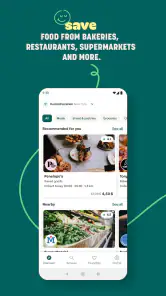
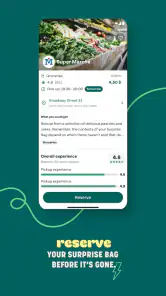
The concept is pretty straightforward. Businesses list their surplus food on the app, and you, as the user, can browse through these listings to find something that tickles your fancy. Once you’ve made your choice, you reserve a "Magic Bag" of food and pick it up at the designated time. It’s like a surprise meal where you never quite know what you’re going to get, but you’re assured it’s going to be delicious.
More From Our News Desk
Weather by Xiaomi Review: Clear at a Glance, Less Clear Up Close
X Under Pressure: Can It Recover When Posting Goes Wrong?

Clash of Clans Is Won Between the Battles

Android Auto Makes the Case for Quieter Car Software

MobiOffice: Transforming Mobile Productivity with Seamless Integration

EA SPORTS FC™ Mobile Soccer: Redefining Mobile Sports Gaming
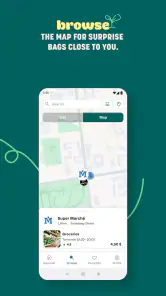
Using the app is as easy as pie. You just need to download it, create an account, and you’re good to go. The interface is user-friendly, with a map to show you nearby offers and options to filter by distance or type of food. One of the things I love about Too Good To Go is that it makes reducing food waste feel like a fun treasure hunt, turning an otherwise mundane task into something exciting.
From reservation to collection
The search is only the first decision. Before I reserve, I check the collection window and the exact location against the rest of my plans, then consider whether I can use a varied assortment rather than expecting a named meal. A listing can look convenient on a map while still requiring a detour or a rushed collection. Thinking through that handoff first is more useful than focusing only on the apparent discount.
For a weekday example, imagine I finish work near a bakery and see a collection time that overlaps with the walk home. I reserve, collect on my usual route, and treat the bag as ingredients for that evening or the next morning instead of planning a fixed menu. If it includes items that are better eaten sooner, I can prioritize those and set aside the rest. That little bit of meal planning turns a surprise into something practical rather than a bag that sits untouched.
Making the pickup work
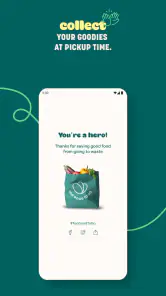
The reservation is only one part of the workflow; the handoff at the shop is what turns it into food on the table. I would keep the collection details handy, arrive during the stated window, and leave enough time for the trip rather than assuming the bag can be collected whenever it suits me. That is especially important on a workday: a pickup squeezed between meetings can become stressful if travel takes longer than expected.
For a realistic use case, imagine finishing work near a bakery and seeing a collection slot that fits the walk home. I could reserve a bag for that evening, collect it on my normal route, and make the contents the starting point for dinner or breakfast. The useful mental adjustment is to plan around what turns up, not to build a precise recipe around an unknown assortment. If I need a particular ingredient or a meal for someone with strict dietary needs, a normal grocery shop is the safer choice.
The Impact on the Community
Too Good To Go isn’t just about saving money; it’s about creating a community of conscious consumers and businesses who are committed to making a difference. By participating, you’re supporting local businesses and helping them reduce waste. Plus, there’s a feel-good factor knowing that you’re doing your part for the environment.
On a personal note, I’ve discovered new eateries in my neighborhood that I might not have tried otherwise. It’s also a great way to get gourmet food at a fraction of the price, which is a win-win in my book.
Use the bag as a flexible meal plan
The most useful way I have found to think about a collection is as a small, variable food shop rather than an instant meal. Once I know what I have, I can decide what should be eaten first and what can become a later snack or breakfast. That approach suits people who already keep a few adaptable basics at home, because a surprise assortment can be combined with what is on hand without requiring a special trip for missing ingredients.
There is a trade-off here: the food may be good value, but value only counts if I can use it. A larger assortment is not automatically better if I am eating alone and have no plan for the extra items. I would consider who can share it and when it can be eaten before reserving, especially if the pickup lands near the end of a busy day. The app is at its best when the rescue fits the household, not just the bargain-hunting impulse.
What the surprise changes
The surprise element is a genuine trade-off, not just a playful extra. It can make a collection feel like a small discovery, but it also means I should be comfortable adapting: the food may suit one meal better than another, and the amount or mix may not match what I had in mind. I get more value from the app when I have room in my plans to use the food later, share it, or build a simple meal around it.
Compared with ordinary takeaway, this is less predictable: takeaway lets me choose a specific dish, while a surplus bag asks me to accept what is available. Compared with grocery shopping, it is more spontaneous and can be a lower-cost way to bring home food, but it is not a reliable way to fill a planned shopping list. I would use it as a supplement to regular meals, not as the only way I arrange dinner.
Good fit for flexible eaters
The app makes the most sense for someone whose routine passes local food businesses and who can adapt a meal around whatever is available. It can be particularly handy when I am already going past a pickup location, want to explore places nearby, or have room in the household’s meal plan for an unexpected assortment. Those conditions matter more than enthusiasm for the idea: an offer that sends me across town at an awkward hour may not be worthwhile in practice.
It is less suited to people who need exact ingredients, predictable portions, or a precise dinner time. It is also not the option I would choose when dietary restrictions make unknown contents difficult to manage. In those cases, a regular grocery shop or a takeaway menu with clearly chosen dishes gives me more control. I see the app as a complement to those options, not a replacement for them.
When it fits—and when it doesn’t
The app is a strong fit for people who live or work near participating shops, can collect within the offered time, and enjoy trying whatever is available. It may also suit someone who wants to explore nearby bakeries or food businesses without choosing a specific menu item. I would skip it on a day when I cannot make the pickup, need guaranteed portions, or have food requirements that make surprise contents impractical.
One helpful habit is to check the collection time and location before reserving, then consider how the food will fit into the next day as well as the current meal. That reduces the chance of bringing home something I cannot use promptly. The app is rated for Everyone, and the current version is 25.11.10; it requires iOS or Android 8.0 or later. For a simple surplus-food routine, that broad accessibility is welcome, though the actual usefulness still depends on local offers and my schedule.
Where the routine can break
The weak point is the gap between a promising listing and a collection that genuinely fits. My plans can change, travel can take longer than expected, or the pickup window can clash with work or family commitments. That is why I would not reserve just because an offer looks appealing: I would reserve only when I can make the handoff without relying on a perfect day.
Another source of friction is uncertainty about what will come home. I would not use a surprise bag to solve a food need that has to be exact, and I would avoid collecting more than I can reasonably use. The practical check is simple: can I get there on time, accept a varied selection, and make a plan for it soon after? If any answer is no, skipping that offer is often the better decision.
Final Thoughts
In a world where sustainability is becoming increasingly important, apps like Too Good To Go provide a practical solution to a global issue. It’s not just an app; it’s a movement towards a more sustainable future. Whether you’re a foodie looking to try new things or someone who wants to make a positive impact on the environment, this app is definitely worth checking out.
So why not give it a try? You might just find your new favorite spot while doing your part to save the planet. After all, every little bit helps, and with Too Good To Go, you’re contributing to a cause that’s as important as it is delicious.
Too Good To Go: End Food Waste Frequently Asked Questions
What does Too Good To Go do to help reduce food waste?
Too Good To Go connects people with local stores and restaurants that have unsold food available to rescue. Rather than letting that food go to waste, users can purchase it at a reduced price and collect it from the participating business. The app’s purpose is built into the experience, while the surprise contents of each Magic Bag can make browsing local offers feel like a small discovery.
Who makes Too Good To Go, and is it suitable for all ages?
Too Good To Go is developed by Too Good To Go Aps and is listed as suitable for everyone. It is a Food & Drink app for people who want to find surplus food from nearby businesses. Since offers involve purchasing food and collecting it from a local partner, younger users may need help from an adult with account setup, payment, and arranging a pickup.
Is Too Good To Go free to download, and what devices can run it?
Too Good To Go is free to download and is available for Android and iOS devices. Its minimum operating-system requirement is version 8.0, so it is worth checking your device’s software before installing. Once you have the app, you can explore nearby food offers and decide whether the service suits your routine before making a purchase.
Do I need to create an account before using Too Good To Go?
Yes, creating an account is part of getting started with Too Good To Go. After setting up your account, you can enter your location and browse participating local shops and restaurants. This makes it easier to see what food is available nearby and, if you find an offer that works for you, continue with an in-app purchase and pickup instructions.
What is Too Good To Go and how does it work?
Too Good To Go is an app designed to help reduce food waste by connecting users with local restaurants and stores that have surplus food. Users can purchase "Magic Bags" containing unsold food at a reduced price. After purchasing, users pick up their bags at the specified time and location, helping to prevent food from going to waste.
Pros
- User-friendly interface
- Helps save money
- Supports local businesses
- Reduces food waste efficiently
- Daily notifications for deals
Cons
- Limited availability in some areas
- Requires quick action for best deals
- Occasional app glitches
- No guarantee of food variety
- Payment issues reported by some users
- Category
- Food & Drink
- Version
- 25.11.10