RxLocal
- 4.13K
- 4.7
- Installs
- 500.00K
- Price
- Free

Screenshots
Analysis by Reviewed
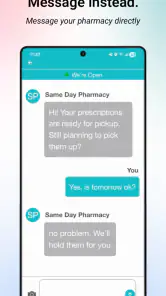
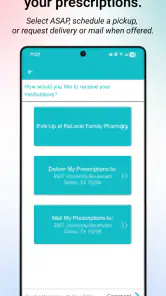
Managing prescriptions is one of those chores that becomes much harder when you are tired, unwell, busy, or simply trying to avoid another phone call. RxLocal, a free medical app from PioneerRx, LLC, takes a straightforward approach: it gives me a digital way to work with my pharmacy instead of relying entirely on the telephone counter. After using it as a pharmacy companion, I found its biggest value was not novelty but reduced friction. I could begin a refill request and send a message from the same place, which is especially useful when I already know what I need and do not want to explain it aloud.
The app has been around since Aug 7, 2012, and its current version is 6.2.1. That long presence matters because pharmacy tools need to feel dependable rather than experimental. RxLocal is rated for Everyone, runs on devices using iOS 11 or later, and has passed the half-million-install mark. Its average rating sits at 4.7 from roughly twenty thousand ratings, with about four thousand one hundred written reviews. Those figures suggest that many people find the basic workflow useful, although a strong store reputation cannot replace checking whether your own pharmacy works with the service.
How RxLocal feels when readability and navigation matter
My first impression was that RxLocal is built around a small number of practical tasks rather than trying to become a complete health-management dashboard. That focus helps. When I open a pharmacy app, I do not want to search through articles, wellness promotions, or unrelated tools before reaching the prescription action. Here, the purpose is easier to understand: identify the pharmacy relationship, review medication-related choices, and communicate with the pharmacy digitally.
That simplicity can be valuable for people who find crowded screens difficult to read. Someone with limited health literacy may feel more comfortable with a narrow task such as requesting a refill than with a general medical portal containing appointments, test results, insurance material, and clinical messages all together. RxLocal is not a replacement for those broader systems, but its narrower scope can make a single pharmacy job less intimidating.
I also think the app is better suited to users who prefer reading instructions at their own pace. A phone conversation moves on whether I am ready or not; a written request gives me a moment to check the medication name, review what I want to say, and make sure I have not forgotten an important detail. That is a meaningful advantage for people who process written information more comfortably than spoken instructions, or who become anxious during healthcare calls.
There is a practical distinction between a refill request and a medical question, and I would keep that distinction in mind while navigating RxLocal. The app is useful for communicating with the pharmacy, but it should not encourage me to treat a digital message as an urgent clinical channel. If I have a serious reaction, a dangerous symptom, or a time-sensitive medication problem, I would use the appropriate urgent healthcare route rather than waiting for a pharmacy response.
The most useful habit is to prepare the request before sending it. I would check the prescription label, confirm which medication needs attention, and write any relevant context in plain language. That small pause reduces the chance of sending a vague message that creates another round of questions. It also makes the app more accessible for someone who needs extra time to organize thoughts before communicating.
Reading and reviewing information without rushing
RxLocal makes the most sense when I use it as a deliberate alternative to a hurried call. I can look at the screen, stop, and return to the task if I am interrupted. That is helpful for an older adult who is managing several medicines, a caregiver coordinating a family member’s refill, or anyone whose concentration is affected by pain, fatigue, or medication side effects.
At the same time, a simple pharmacy app still depends on the user being able to identify the correct prescription. Medication names can be confusing, especially when generic and brand names differ or when several medicines have similar packaging. I would not rely on memory alone. Having the bottle nearby is a better workflow than trying to reconstruct the request from recollection.
The app’s focused design is less helpful for a person who expects one place to explain dosage changes, interpret symptoms, manage appointments, and provide a complete medication record. In that situation, a clinic portal, pharmacist consultation, or dedicated medication-management tool may be the better companion. RxLocal works best when the task begins and ends with the pharmacy.
Motor, sensory, and situational access in everyday use
Digital pharmacy communication can remove several physical and sensory demands from the traditional process. I do not have to travel to the pharmacy just to start a routine request, and I do not have to hold a phone conversation if speaking is difficult in that moment. For a person with limited mobility, chronic pain, hearing loss, a speech difference, or an environment where phone calls are impractical, that change can be significant.
Messaging also offers a quieter option. A user in a workplace, on public transport, or caring for a sleeping child may not be able to discuss prescription details aloud. Writing privately can be more comfortable than announcing a medication name in a shared room. This is not merely a convenience feature; it changes who can participate in the process without asking someone else to make the call.
People with motor limitations may appreciate avoiding a trip or reducing the number of physical steps involved in a refill. However, the app still requires touch interaction, accurate selection, and enough control to enter or review information. I would not assume that every person with tremors, reduced dexterity, or one-handed use will find the interface effortless. A larger device, built-in operating-system accessibility settings, voice input, or help from a trusted caregiver may make the process more manageable.
For users with low vision, the experience depends partly on the phone’s own display settings and how the app responds to them. I would test larger text, stronger contrast, screen magnification, and a screen reader if those tools are part of my normal setup. The important point is to test the actual refill and message flow rather than assuming that a readable home screen means every later step will be equally clear.
Users with hearing-related access needs may find written pharmacy communication preferable to a voice call, but that does not mean every issue can be solved through messaging. If the pharmacy needs clarification, the response may still require a different form of contact. I would make sure my pharmacy knows the best way to reach me and would not wait indefinitely for a digital reply when the medication is time-sensitive.
A realistic refill routine
Imagine that I notice a regular prescription is running low while I am preparing for work. In the old routine, I might postpone the call, forget during the day, and then discover the problem when the pharmacy is busy. With RxLocal, I can open the app, identify the prescription, and send the request while the bottle is in front of me. If I need to add a short note, I can write it rather than trying to remember every detail during a call.
That workflow is particularly useful for a caregiver. A family member can organize the request when there is a quiet moment instead of calling while transporting someone to an appointment. It also helps people whose schedules do not match convenient phone availability. The benefit is not that the app makes prescriptions automatic; the benefit is that it lets me start the pharmacy conversation at a time I can manage.
There is a trade-off, though. A phone call gives immediate conversational feedback, while a digital request may require patience. If I need to know whether a prescription is ready right now, whether a substitution is possible, or whether an insurance issue has blocked the refill, speaking with the pharmacy may be faster. RxLocal is strongest for routine communication, not for every question that happens to involve medication.
Context changes what “easy” means
Accessibility is not only about permanent disability. Temporary situations matter too. A person recovering from surgery may not be able to drive. Someone with a sore throat may prefer not to speak. A parent may have one hand occupied. A traveler may be dealing with a different schedule and need to send a request before remembering slips away. In each case, written pharmacy access can make a familiar task more achievable.
It can also support people who are embarrassed by repeated calls or who worry about mispronouncing a medicine name. Typing from the label may feel safer than saying the name aloud. For users who are new to managing their own prescriptions, that lower-pressure interaction can encourage more independence.
Still, independence should not be confused with isolation. A caregiver may need to help set up the pharmacy connection, verify the medication, or review a message before it is sent. That assistance is not a failure of the app. It is a sensible safeguard when prescriptions are complex, when several people share responsibility, or when a user has difficulty reading small medication labels.
Where the experience still has barriers
The first barrier is connectivity to the right pharmacy. RxLocal is designed around pharmacy communication, so its usefulness depends on the pharmacy relationship being available and correctly established. If my pharmacy does not participate in the relevant service or if I select the wrong location, the app cannot solve that mismatch by itself. I would confirm the pharmacy details before relying on it for an important refill.
The second barrier is identity and medication accuracy. Pharmacy tasks involve personal health information, so I would expect setup and sign-in to require care. That can be frustrating when I am in a hurry, especially if I am helping someone else. The extra effort is worthwhile, but it means RxLocal may not feel instantly convenient on the first use. I would set it up before the next refill is urgent, not at the moment I am already out of medication.
A third limitation is the difference between sending a message and receiving a guaranteed outcome. A request is not the same as a completed refill, and a message is not the same as a pharmacist consultation. I would still check the pharmacy’s confirmation process and make sure I know how to verify readiness. This is one of the most important practical lessons: the app can reduce the work of initiating contact, but I remain responsible for confirming that the medication is actually available.
People who need highly personalized accessibility support may also find the experience uneven. Built-in phone settings can help with text size, speech output, and touch assistance, but an app’s real usability depends on how consistently its controls respond. I would recommend a short trial with a low-risk routine request. That reveals whether the text, buttons, focus order, and message entry work for a particular user before the app becomes part of a critical medication routine.
There is also a cognitive barrier for people managing many prescriptions. A focused interface may be calmer than a full health portal, but it does not remove the need to distinguish one medicine from another. I would use the label, keep a current medication list, and avoid sending a request based only on a familiar-looking name. If medication organization is the main problem, a dedicated pill reminder or caregiver-supported system may complement RxLocal better than expecting one app to do everything.
When another option is better
I would choose a direct phone call when a prescription is urgent, the medication name is unclear, the pharmacy has already reported a problem, or I need a two-way explanation. I would choose a clinic portal for questions directed to a doctor, test results, appointment matters, or treatment decisions. I would choose a medication organizer for schedules and adherence reminders. RxLocal has a clear place among these tools, but it should not be stretched beyond pharmacy refills and messages.
That narrower role is actually one of its strengths. Many healthcare apps become confusing because they try to combine every possible service. RxLocal is easier to recommend when the reader wants a pharmacy-specific communication channel and is comfortable keeping clinical care elsewhere. It is harder to recommend as a single solution for a complicated care plan.
My inclusive verdict on RxLocal
After looking at the app through the realities of different abilities and daily situations, I see RxLocal as a useful accessibility aid rather than a complete accessibility answer. Its free price removes a financial hurdle, and its Everyone rating makes it broadly approachable. The app’s core benefit is giving people another way to contact their pharmacy: one that can be quieter, more deliberate, and easier to fit around mobility, hearing, speech, work, caregiving, or fatigue-related challenges.
I especially recommend trying it if phone calls are a recurring obstacle or if you often remember refills at inconvenient times. Keep the prescription label beside you, establish the pharmacy connection before you need it, and treat every request as the beginning of a process rather than proof that the medicine is ready. Those habits make the app considerably more dependable in real life.
I would be more cautious about recommending it to someone who needs urgent answers, extensive medication education, complex clinical coordination, or a highly specialized interface. In those cases, a pharmacist, caregiver, clinic portal, or another accessibility-focused tool may be necessary alongside it. RxLocal can reduce one important barrier, but it cannot replace human clarification or careful medication management.
Overall, I find the app worthwhile for its focused purpose. PioneerRx, LLC has kept the experience centered on pharmacy contact instead of turning it into an oversized health platform. With a 4.7 average and more than 500K installs, it is clearly being used by a substantial audience, but my recommendation is based on the practical workflow: it gives me a calmer alternative to calling for routine pharmacy needs. For users whose main challenge is getting that first message or refill request sent, RxLocal is a sensible tool to try.
Pros
- Quickly locates nearby pharmacies and healthcare services
- Helps users compare local pharmacy availability and details
- Useful for managing prescription-related tasks in one place
- Can save time when searching for a convenient pharmacy
- Provides practical information for patients and caregivers
Cons
- Coverage and features may vary by location
- Some services may require participating pharmacies
- Prescription information may not update instantly
- Account or personal details may be needed for full access
- App usefulness depends on pharmacy support in your area

- Category
- Medical
- Version
- 6.2.1