 About Super Stylist Fashion Makeover
Super Stylist Turns Dress-Up into a Runway Career
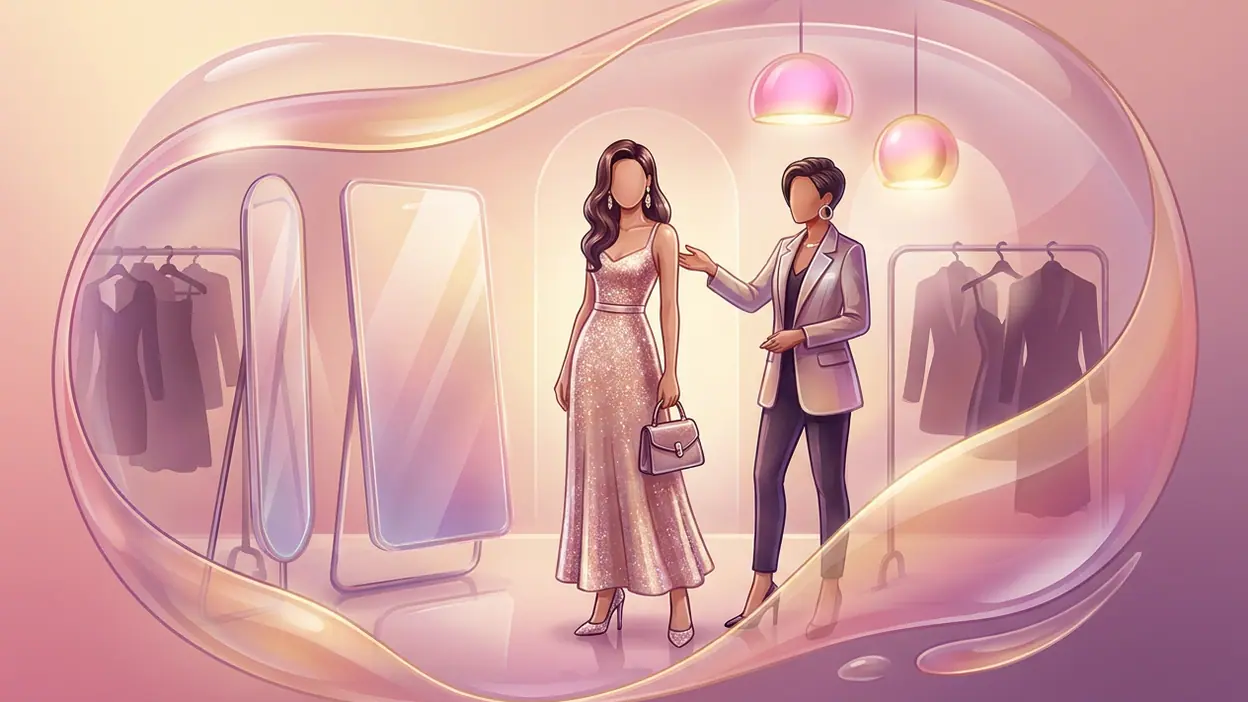
Fashion games are easy to understand and surprisingly hard to make sticky: dressing a model is satisfying once, but a lasting hit needs a reason to style the next look. Super Stylist Fashion Makeover has found that reason in the performance around the outfit. It casts players as a working stylist, turning wardrobe choices into client jobs, social approval, and the steady promise of a bigger fashion career. That gives the game a more durable hook than a simple dress-up screen, though its long-term pull depends on how much meaning players find in repeating the same cycle.
The game’s current appeal makes sense in a feed-driven culture. A finished look is instantly legible: the silhouette, color story, and accessories tell the story before anyone explains the rules. Super Stylist packages that visual payoff inside a familiar makeover fantasy, with clients arriving in need of a look and the player responsible for making the right impression. It is not a deep fashion simulator, and it does not need to be. Its pitch is quick transformation with a visible result, a format that suits short sessions and easy conversation.
From client brief to social payoff
The central rhythm is straightforward. A client presents a styling need; the player assembles an outfit from available clothing, shoes, bags, and finishing touches; then the result is judged and the career moves forward. The pleasure sits in the decision-making between those beats. A dress can set the mood, but the right accessories make the look feel intentional. A bolder choice may look more memorable, while a safer combination can better answer the brief. That small space for interpretation gives routine tasks a personal edge.
What makes the setup feel timely is its blend of role-playing progression and makeover spectacle. Players are not only changing a character’s appearance; they are building a reputation as a stylist. Each job can feel like a tiny audition, with the outfit acting as evidence of taste. The framing encourages a “my version versus yours” reaction, even when the underlying choices are guided by the game’s available wardrobe and scoring system. That is useful fuel for a trend: people can understand the result at a glance, yet still have opinions about how it should have been done.


Players are likely to react most strongly to the before-and-after contrast. A client who arrives with a clear need gives the styling task a purpose, and completing the look provides a neat moment of closure. The visual payoff is immediate rather than buried beneath statistics or menus. For anyone who enjoys clothes, color matching, and the small satisfaction of getting an outfit to cohere, that is a reliable pleasure. Super Stylist turns taste into an action: choose, compare, adjust, present.
There is also a gentler appeal in the low stakes. Unlike competitive games that make every mistake expensive, this is fashion drama with limited consequences. Players can experiment, chase a client’s expectations, or prioritize their own sense of style. That makes it welcoming for younger players and casual sessions, while still giving fashion-minded players enough room to fuss over details. The fantasy is not simply “wear something pretty”; it is “be the person who knows what this occasion needs.”
The retention hook is the career ladder attached to that fantasy. Client requests lead into rewards and progression, which in turn point toward more wardrobe possibilities and the next assignment. The loop is clean: style a client, earn progress, widen the closet, and take on another brief. It works because the reward is connected to the activity. New fashion options are not an abstract upgrade; they can change what a player is able to put together in a later job.
Latest News

But the same loop carries a clear risk. Once the novelty of the client makeover wears off, repeated briefs can begin to resemble a checklist. Progression can keep the routine moving, but it cannot make every outfit feel like a fresh creative problem. If a player is mainly chasing rewards, the styling itself may become a quick step on the way to the next unlock. If the player enjoys composing looks, repetition is easier to forgive. The game’s durability therefore depends less on the size of its closet than on whether its assignments keep giving that closet a purpose.
Super Stylist is naturally suited to sharing because its most satisfying moments are visual and compact. A finished outfit can be shown without a long explanation, and the transformation gives viewers an obvious point of comparison. That is the kind of content that travels well in screenshots, short clips, and informal chats: “This is what I picked” or “I would have gone with something else.” There is room for playful disagreement without requiring viewers to know the game’s systems.
That shareability should not be mistaken for a guaranteed viral engine. The game’s appeal is personal taste, not an endlessly surprising physics trick or a match that produces a different story every minute. A post may attract attention because the look is striking, but the next post needs another strong look or a fresh styling challenge. Social spread can bring newcomers in; it cannot, by itself, solve the question of what they will do after several client jobs.
The chatter around a title like this tends to cluster around its visible outputs: favorite outfits, makeovers, wardrobe finds, and the satisfaction of meeting a client’s brief. That gives the game a friendly, low-barrier social identity. It is less about mastering a hidden strategy than showing a point of view. The contrast with Hair Dye and Monster High™ Beauty Salon helps clarify the niche: those experiences foreground specific beauty transformations, while Super Stylist puts a broader outfit-and-career fantasy at the center. It is also a different kind of casual play from Masha and the Bear Pizza Maker or Flight Pilot: 3D Simulator, whose appeal comes from task play or simulation rather than styling a public-facing persona.
Newcomers should expect a bright, accessible makeover game, not a realistic fashion business sim. The controls and decisions are built to make styling understandable quickly, and the game’s rewards encourage players to keep moving from one client to the next. Someone hoping for detailed garment construction, open-ended design tools, or a sophisticated fashion economy may find the experience too guided. Those looking for a relaxed role-playing wrapper around outfit choices will understand the appeal almost immediately.
It is also worth approaching the game as a collection of small sessions rather than a single long campaign. The client-job format gives each visit a natural stopping point, which is a strength for mobile play. At the same time, that structure can make the pace feel repetitive if a player spends a long stretch completing assignments back to back. The best rhythm is likely to be a few jobs, a new wardrobe reward, and a return later when another look sounds fun.
As a trend, Super Stylist has more staying power than a one-note makeover novelty, but its ceiling is easy to see. Fashion is an evergreen subject, and the game’s central loop ties visual creativity to progression rather than relying on appearance alone. That combination can keep a steady audience interested, especially when players care about collecting options and refining their stylist identity. The format is also easy to revisit: there is always another client and another chance to make a look work.
What could cool the enthusiasm is a feeling that the game is asking for more repetition than it is offering in fresh decisions. If briefs begin to blur together, if wardrobe growth feels more like a grind than an invitation, or if players feel pushed to spend rather than experiment, the career fantasy loses its lift. Fashion content thrives on novelty and personal expression; a system that narrows either one risks making the game feel like routine maintenance. Its strongest future lies in keeping new styling goals distinct enough to make each client feel like a person with a different occasion, not another box to tick.
My editorial take is that Super Stylist Fashion Makeover earns its buzz through a smartly readable fantasy: turn taste into a job, then make every completed look feel ready to show off. The client-to-closet loop is satisfying, accessible, and naturally social, but the game’s momentum will last only if progression keeps feeding genuine creative choices. It is a promising fashion trend with a real replay hook, not an endlessly renewable one. Come for the transformations; stay if building a stylist’s career makes the next outfit feel worth creating.