Opendoor - Buy and Sell Homes
- 769.00
- 4.5
- Installs
- 500.00K
- Price
- Free

Screenshots
Analysis by Reviewed
When I’m weighing a home app, I care less about how many listings it can show me than whether it helps me make the next decision without blurring the difference between browsing and committing. Opendoor is built around the unusual reality that a move can mean finding a place and selling the one you already have at nearly the same time. It is a free House & Home app from Opendoor Labs, LLC, rated for Everyone, with an average of 4.6 from around 3.3K ratings and over 500K installs. That reach makes it worth considering, but I’d still judge it by whether its combined focus matches my situation.
Start with the decision, not the download
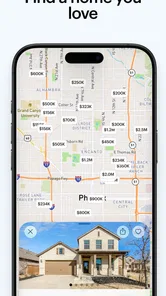
For a buyer, the practical question is whether homes in the places you’re considering appear in the app and whether its browsing and visit-planning flow fits how you like to make decisions. For a seller, the key question is whether the convenience of receiving and considering an offer matters more than testing the home through a wider traditional sale process. I’d treat the app as a way to explore those paths, not as a reason to skip comparing your options or checking the details of a major transaction.
A useful approach is to make a short list before browsing: areas you would genuinely live in, features you will not compromise on, and a budget range that leaves room for moving costs. That keeps appealing photos from taking over the decision. When a listing catches your eye, note what you still need to verify in person, such as how the layout works for your routine or whether the surrounding area feels right at the times you would normally be there.
Who gets the most from a combined path
This app makes the most sense for someone who is actively considering a move and wants buying and selling to sit within one service rather than treating them as entirely separate research jobs. It can also suit a seller who values exploring a more direct offer route, or a buyer who wants to begin looking without first building a complicated process around every possibility. If you are only curious about home prices or casually browsing places with no move in mind, a general property-search service may give you a broader starting point.
I would be more cautious if your decision depends on highly personalized advice, a wide comparison of sale strategies, or careful guidance through negotiations. An app can make it easier to start and keep track of a process, but it cannot understand your family’s priorities, inspect a home on your behalf, or judge whether a particular offer is right for you. The best use is as a practical tool alongside your own checks, not as the authority on what you should do.
Where its combined approach helps
The strongest fit is someone planning a move who wants to look at buying and selling without treating them as unrelated projects. Imagine you have a busy weekday, a current home to think about, and a possible new neighborhood on your mind. You can use a quiet moment to browse, shortlist places, and consider a visit; separately, you can enter details about your current home and review the offer process. That does not remove the decisions, but it can make the early research easier to organize.
For sellers, a convenience-led offer route may be worth exploring when coordinating showings and open houses would be difficult. The trade-off is that convenience should not be confused with automatically getting the best outcome for every home or seller. I’d compare the offer and proposed timing with the priorities that matter to me, and keep a traditional agent-led sale in the running if maximizing exposure or weighing multiple buyer responses is more important.
More From Our News Desk

 Block Blast!
 Makes Every Clear Feel Like One More Turn
A clean little block puzzle becomes a study in space, risk, and self-control. Its best moments come from one satisfying clear; its toughest test is knowing when to stop.

 Super Stylist Fashion Makeover
Super Stylist Turns Dress-Up into a Runway Career
Its makeover-to-client loop turns quick outfit decisions into shareable style theater. The question is whether the closet keeps giving players a reason to return.

 Block Craft 3D:Building Game
Block Craft 3D Under Pressure: How Well Does It Recover When Building Goes Wrong?
A failure-focused look at Block Craft 3D’s forgiving building loop, its uncertain recovery edges, and the moments that demand more than a cheerful village.

 Woodturning
 Trades Creative Freedom for a Satisfying Carving Loop
If your usual creative game is about building, decorating, or styling, Woodturning trades open-ended projects for a tactile, tightly guided carving loop. Here is what that switch really costs.

 PUBG MOBILE
 Shows What Battle Royale Must Get Right
PUBG MOBILE shows how battle royale has matured: bigger systems matter less than meaningful choices, readable fights, and a reason to return after every loss.

 Braindom: Brain Games Test
Braindom’s Social Life Happens Between Puzzles
Braindom turns quick logic traps into a personal ritual, but its community value is more about comparing answers than building together.
Latest News


A realistic moving-day workflow
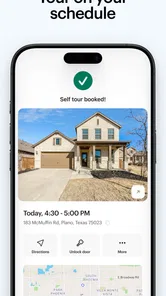
Picture a couple who have found a promising area but have not settled on the timing of their move. One person has a few minutes between errands and saves homes that appear to meet their basic needs; later, they compare that short list together and decide which places deserve a visit. At the same time, they can consider the sale route for their current home instead of waiting until the purchase search is finished to think about it. The useful part is not that the app magically synchronizes every decision; it is that both sides of the move can be considered early enough to expose a timing conflict.
I’d keep a separate note of questions that need an answer outside the app: what must be checked during a visit, which sale timing would work for the household, and what terms need comparison before accepting an offer. This is especially useful when two people are sharing the search. It turns a casual scroll into a conversation about real trade-offs, and helps prevent one attractive home or convenient offer from silently becoming the whole plan.
Effortless Home Buying and Selling
First things first, let’s talk about how Opendoor simplifies home buying. With just a few taps, you can browse homes, schedule visits, and even make offers. Seriously, it's that easy. No need to leave your house, and no awkward meetings with realtors who insist on showing you homes you know you won't like. You can customize your search according to your budget, location preferences, and home features. This app does a fantastic job of putting you in control of your home-buying journey.
Selling Your Home? No Problem!
Now, if you're on the other side of the fence looking to sell, Opendoor has got your back. The process is straightforward: enter your home details, and the app provides you with an offer. If you accept, you can choose your closing date, making it super flexible. Plus, no need for open houses, which are honestly more trouble than they’re worth. It’s all about convenience, and who doesn’t love that?
One of the standout features is the transparency throughout the process. You know exactly what’s happening at each step, and the customer support is just a call or message away. This ensures that you’re never left in the dark, wondering what's going on with your transaction.
Experience and Interface
Let’s talk interface. The design is sleek and intuitive. You won’t find yourself lost in a maze of buttons and options. Instead, everything is laid out in a user-friendly manner, making it easy even for those who aren’t tech-savvy. Plus, the app is pretty fast, so you won't be stuck waiting for pages to load, which is a huge plus in my book.
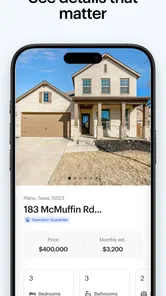
What I also appreciate is the wealth of information available. From detailed home descriptions to neighborhood insights, Opendoor equips you with everything you need to make an informed decision. It’s like having a real estate encyclopedia at your fingertips.
Keep listing details in perspective
Even when a listing gives me a clear first impression, I treat it as a prompt for questions rather than a final verdict. I’d compare the home’s stated features with what matters in daily life: whether rooms can serve the purposes I need, whether the route to regular destinations is workable, and what I want to inspect when I visit. Neighborhood information can help orient a search, but it should not replace spending time in the area or checking practical details for myself.
This distinction matters because a polished browsing experience can make a shortlist feel more complete than it is. I would save the reason each home caught my attention, then revisit that reason before arranging a visit. If it was only a striking photo, I’d be more skeptical; if it addressed a genuine need, it may deserve closer attention. That small habit makes the app’s convenience more useful without asking it to do the judgment work for me.
How it compares when your plans change
Compared with general home-search apps, this one’s appeal is its connection between browsing and the possibility of selling through the same service. A broad listing marketplace may be a better fit if you want to cast a wide net across properties and compare many routes to purchase. Likewise, a local agent can be more useful when you want tailored advice about pricing, negotiations, or the character of a specific neighborhood. I’d use Opendoor to structure an initial search, then widen the comparison before committing.
There is also a real switching cost in attention, not just time. If you begin a search here and later move to another service, save your shortlist and the questions you have about each home somewhere you can refer to easily. For a seller, keep track of the offer terms and timing you are weighing so you can compare them clearly with another route. The app can help organize a decision, but it cannot decide what trade-off is right for your household.
When another route is the better fit
If I were buying in an area where I wanted to compare as many independent listings as possible, I’d pair this app with a broad marketplace rather than assume one service captures every option I care about. If I needed nuanced local context, negotiation support, or someone to help me think through a complex sale, I’d speak with a real estate professional. Those alternatives are not automatically better; they answer different needs. Opendoor’s strength is a more connected path for people considering both sides of a move, while other approaches can offer a wider search or more personal guidance.
For a seller, the choice comes down to what is being traded. Avoiding the disruption of preparing for showings may be valuable, especially when schedules or household circumstances make them difficult. A more traditional sale process may be preferable if the seller wants to explore broader exposure and compare responses. I would not choose based on convenience alone: I’d set out the timing, certainty, effort, and financial terms that matter, then compare the available routes against those priorities.
Small habits that make the process more useful
I would browse in two passes. First, filter for practical needs and save only homes that plausibly fit; then revisit that shortlist with a more critical eye and arrange visits for the strongest candidates. This reduces the temptation to treat attractive listing details as a substitute for seeing a home. When considering a sale, gather accurate information about the property before entering its details, and read the offer and timing carefully rather than making a quick choice just because the process feels simple.
One question people often have is whether an app can replace professional guidance. I wouldn’t treat it as a complete substitute: it can make browsing and parts of the transaction more accessible, while a real estate professional may be preferable for personal advice and negotiation support. Another reasonable question is whether a seller should accept the first convenient route. My answer is to compare it against the seller’s own priorities and alternatives; avoiding open houses may matter greatly to one person, while another may prefer a more traditional process.
Making the transition without losing your work
If you decide to use another service later, the most useful preparation is to preserve your reasoning, not merely a collection of addresses. Keep a compact shortlist with the feature that made each home relevant and the question you still need answered. For a potential sale, write down the timing and terms you are comparing. This makes it easier to discuss options with another service or an adviser without starting your thinking from scratch, and it reduces the risk of confusing a convenient first step with a final decision.
There is little reason to treat trying the app as a commitment to complete a purchase or sale through it. I’d explore the parts that suit my immediate task, then pause at any point where I need a fuller comparison or personal advice. That boundary is important: the app can help make the early stages less scattered, while the consequences of a home transaction still call for deliberate review and decisions made at a pace that feels right.
Final Thoughts
In a world where time is of the essence, an app like Opendoor is a game-changer. Whether you're buying or selling, it cuts through the usual rigmarole of real estate transactions, making the process almost enjoyable. If you’re looking for a new home or trying to sell the old one, it’s definitely worth giving Opendoor a spin. It’s like having a real estate agent who’s always available, minus the commission fees. Now, who wouldn’t want that?
I’d recommend trying it if you’re moving and want a convenient starting point for both sides of the move, rather than expecting one app to settle every decision. It is free, runs on Android 7.0 or later, and is currently version 208.0.0. Skip it if you mainly want independent, wide-ranging property research or prefer a person guiding every step from the outset. For everyone else, I think it is a useful tool to explore—provided you compare the important terms and treat a home visit, careful review, and your own priorities as essential parts of the process.
Opendoor - Buy and Sell Homes Frequently Asked Questions
Is Opendoor free to download, and what devices can I use it on?
Opendoor is a free House & Home app from Opendoor Labs, LLC, and its content rating is Everyone. It is available for Android devices running version 7.0 or later. Before downloading, check that your device meets this requirement and that you are getting the app through your usual app store.
What is Opendoor and how does it work?
Opendoor is a real estate platform that allows users to buy and sell homes with ease. The app provides a streamlined process for homeowners to receive an instant offer for their property, eliminating the need for traditional real estate agents. Buyers can browse listings, schedule tours, and make offers directly through the app, providing a seamless experience in the real estate market.
How does Opendoor determine the offer price for my home?
Opendoor uses a combination of proprietary algorithms and local market data to calculate the offer price for your home. Factors such as the home's condition, location, and recent sales of similar homes are considered. This approach ensures that you receive a competitive and fair offer based on current market conditions without the hassle of lengthy negotiations.
Are there any fees associated with using Opendoor?
Yes, Opendoor charges a service fee for selling your home through their platform. This fee typically ranges from 5% to 14% of the sale price, depending on various factors. While this fee might seem high, it covers the convenience of a quick sale and reduced hassle compared to the traditional real estate process. Buyers using the app do not have to pay any fees.
Can I still use a real estate agent with Opendoor?
Yes, you can choose to work with a real estate agent when buying or selling a home through Opendoor. However, the primary advantage of Opendoor is to minimize the need for agents by providing a direct, hassle-free experience. If you prefer to have professional guidance, Opendoor allows for agent collaboration, ensuring all parties are accommodated.
Pros
- User-friendly interface enhances navigation.
- Quick property listings with detailed info.
- Efficient process for buying/selling homes.
- Comprehensive neighborhood insights.
- Virtual tours offer convenience for buyers.
Cons
- Limited to specific regions in the US.
- App may have occasional loading issues.
- Customer service response times vary.
- Some features require in-app purchases.
- Inconsistent updates on property status.