Pop Piano: Music Games
- 90.00
- 4.6
- Installs
- 10.00M
- Price
- Free

Screenshots


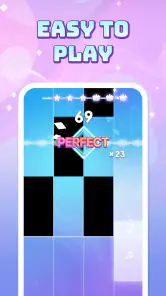
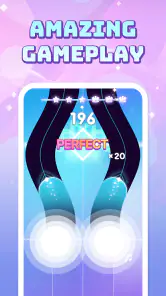
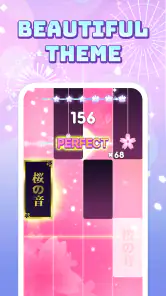
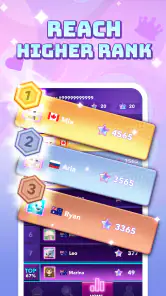


Analysis by Reviewed
I like music games that turn a familiar tune into something I can play along with, rather than asking me to learn an instrument first. Pop Piano: Music Games is built around that simple appeal: it’s a piano-style rhythm game with popular songs, including a K-pop angle. The central draw is not music theory or composing; it’s paying attention to the beat and responding as a song unfolds. That makes it easy to pick up for a short break, though it also means the experience is best judged as a casual game rather than a substitute for piano practice.
Playing along is the main attraction
In use, the appeal of Pop Piano: Music Games comes from matching your attention to the music. You follow the on-screen play pattern while a track moves forward, trying to keep your timing steady. I find that format satisfying because it gives a familiar song a small interactive challenge: listening becomes part of the task, not just background entertainment.
The piano presentation also gives the game a different feel from rhythm titles built around tapping to electronic effects or following a conventional dance-game track. Here, the musical framing is the point. It suits players who enjoy pop melodies and want a light way to engage with them, especially if the thought of formal lessons or complicated controls puts them off.
That focus sets a reasonable expectation. This is a game for reacting to music, not a tool for learning how to read sheet music, understand chords, or build keyboard technique. If you want structured lessons, a real keyboard app or a dedicated learning course will serve you better. If you simply want a music-based challenge that is approachable without preparation, this is much closer to the mark.
Why the song focus matters
A recognizable song can make a simple rhythm challenge feel more personal. Instead of concentrating only on a score, I can listen for the tune and anticipate how the next moment might feel. That connection is particularly appealing to K-pop fans who want their interest in the genre to be part of the game, rather than an unrelated soundtrack behind generic play.
Latest News
There is a trade-off, though: the music has to be the kind you want to hear. Someone who prefers instrumental classics, rock, or experimental sounds may not find the same pull in a game positioned around popular songs and K-pop. I’d treat the musical style as a deciding factor, not assume that a piano-themed game will suit every listener.
How it fits into a real play session
The basic idea is easy to understand, which makes the game suited to brief sessions. I can imagine opening it while waiting for a friend or taking a few minutes between tasks: the music gives the session a clear focus, and there is no need to set aside a long block of time to get started. That low-commitment quality is one of its most practical strengths.
For a more useful first session, I’d start somewhere quiet enough to hear the track clearly and give the timing a fair try. Rhythm games can feel less forgiving when the player is distracted, and a noisy commute or conversation-heavy room can make it harder to stay engaged with the music. A short, focused attempt is a better test than judging it while half-watching something else.
I’d also think of each attempt as a small listening exercise rather than a test of musical skill. If a passage feels difficult, slowing down mentally and following the song’s pulse is more helpful than tapping frantically. This is a practical way to enjoy the challenge without turning a casual game into a source of frustration.
One useful distinction is between enjoying a song and wanting to replay a game around it. A tune you love may make a first session appealing, but the rhythm challenge still needs to hold your attention once the novelty wears off. If you find yourself enjoying the act of keeping time, the format has room to become a regular short-break choice. If you only want to listen, a music player is the more natural option.
What it is—and is not—good for
Despite the piano theme, I wouldn’t use this as practice for playing an actual keyboard. The game may encourage listening and quick responses, but that is different from learning finger placement, reading notation, or developing technique on a physical instrument. Keeping that distinction clear prevents disappointment and helps the game succeed on its own terms.
It is also not the strongest choice for someone looking for an elaborate music-production experience. The appeal is participation in a song-based game, not making arrangements or building original tracks. Players who want to create music should look to a music-making app; players who want to respond to songs can get more from this style of play.
Where it sits among music games
Compared with a standard piano-learning app, this is more immediately playful and less instructional. Compared with a general rhythm game, its piano and pop-song identity gives it a narrower musical personality. Neither difference makes it automatically better: the right choice depends on whether you want lessons, broad rhythm challenges, or a casual game shaped around popular music.
The music-game category can cover very different experiences, so I’d choose by purpose. For a beginner who wants practical instrument skills, lessons with guided exercises are the better fit. For someone who wants a demanding timing challenge with a style outside pop, another rhythm game may be more satisfying. For a fan who wants to engage with K-pop through a simple, song-led format, this has a clearer reason to exist.
That comparison also explains why I wouldn’t recommend it indiscriminately. A player who dislikes repeating a song-based challenge may lose interest, while someone who enjoys trying to improve their timing may appreciate having a straightforward activity to return to. The game’s value depends more on that preference than on the piano theme alone.
Who is most likely to enjoy it
I’d point a casual player toward it if they like popular music, want something interactive for short breaks, and don’t expect a teaching tool. K-pop fans have an especially obvious reason to try it, since that musical interest is part of its identity. It may also suit friends or family members who want a low-pressure game to try without needing prior music knowledge.
By contrast, I’d steer serious learners toward a dedicated piano course, and I’d suggest a different rhythm game to anyone whose main priority is a broader range of musical styles or a more specialized challenge. People who mainly want uninterrupted listening should also skip the game format and play the songs elsewhere. Knowing which of those goals matters most makes the choice straightforward.
The game is free to play, so it is easy to consider as a casual download rather than a major commitment. Its age rating is Mature 17+, which is worth checking before installing it for a younger player. Cobby Labs is the developer, and the game was released on September 19, 2025; its current version is 0.4.7, with Android 7.0 as the minimum operating system.
Popularity and a sensible expectation
Its 4.6 average rating, based on around 31,000 ratings, suggests that many players have responded positively. It has also passed 10 million installs, which signals a substantial audience for this kind of music game. I’d take those figures as a reason to give the concept a look, not a guarantee that its musical style or rhythm format will match my own taste.
The practical question is whether you want to play to songs or learn from them. If the first sounds appealing, the game’s accessible music-led premise has a clear use: a compact diversion with a pop and K-pop flavor. If the second is your goal, choose an app that teaches an instrument directly. That distinction is the most helpful way to decide before downloading.
My verdict
I see Pop Piano: Music Games as a focused option for people who enjoy popular songs and want to interact with music in a casual way. Its strongest idea is also its main limitation: the experience is centered on song-based piano-style play, so it won’t satisfy everyone who likes music. I’d try it for a short break if I wanted a light rhythm challenge, but I’d choose a learning app for piano progress and another game for a different musical taste.
Pop Piano: Music Games Frequently Asked Questions
What is Pop Piano: Music Games?
Pop Piano: Music Games is a casual rhythm game built around tapping notes in time with music. Its piano-style presentation makes songs feel like interactive performances, while the straightforward controls are intended to be easy to pick up. Before downloading, check the current store listing for screenshots, supported devices, and the latest description, since available songs and features can vary by version.
How do you play Pop Piano: Music Games?
Gameplay typically involves watching notes or tiles move across the screen and tapping them at the right moment as a song plays. Accurate timing helps you build a better score, while missed or mistimed taps can affect your performance. The basic idea is simple, but faster passages may take practice. Check the in-game instructions and difficulty options to see how the controls work on your device.
Does Pop Piano: Music Games work offline?
Offline availability can depend on the app version and the feature you want to use. Some rhythm games allow previously loaded songs to be played without a connection, while other content, advertisements, rewards, or updates may require internet access. The most reliable way to confirm is to review the current store details and test the game after installation with your device temporarily offline.
Is Pop Piano: Music Games free, and does it include ads or in-app purchases?
The download may be free, but that does not necessarily mean every part of the experience is free. Mobile games commonly use advertisements, optional purchases, or other monetization features, and these details can change between releases or regions. Review the app-store listing for its price and purchase disclosures, and check the game’s settings or purchase screen before spending money.
Is Pop Piano: Music Games suitable for children, and what should parents check?
A simple music-tapping format may appeal to children, but suitability depends on the app’s current content, advertising, and purchase features. Parents should check the age rating and privacy information on the relevant app store, then review any ad, social, or in-app purchase options on the device. Consider enabling parental controls and requiring approval for purchases, especially on a shared phone or tablet.
Pros
- Simple controls make it easy to start playing right away.
- Short rounds suit quick play sessions.
- A range of songs helps keep the track selection varied.
- Timing-based play offers a satisfying challenge as skills improve.
- Works well as a casual way to practise rhythm and coordination.
Cons
- Accurate taps can be difficult on smaller phone screens.
- Some songs or content may require in-app purchases.
- Ads may interrupt the experience between rounds.
- Repeated tracks can make longer sessions feel less varied.
- Gameplay depends on a steady touch response from your device.

- Category
- Music
- Version
- 0.4.7