Cat Piano Tiles: Rhythm Games
- 38.00
- 4.4
- Installs
- 1.00M
- Price
- Free

Screenshots
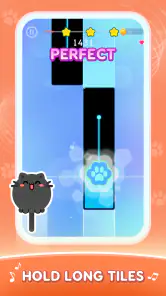
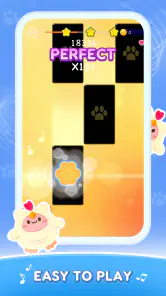

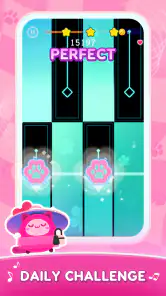
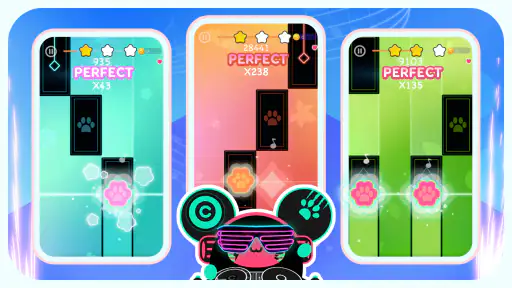
Analysis by Reviewed
What I look for first in a rhythm game is a clear reason to play another round: a tune to learn, a timing skill to sharpen, or a small goal that feels satisfying to reach. Cat Piano Tiles: Rhythm Games makes its appeal obvious through piano-style tapping and a playful cat presentation. Its early draw is less about a complicated setup and more about seeing whether I can keep up with the notes while enjoying the music.
Small goals make the first sessions easy
The basic aim is immediately understandable: follow the notes and tap in time. That gives new players a quick starting point, while the gradually tougher timing asks for more attention as play continues. I like this kind of entry because I can begin without studying a long tutorial or learning a complex control scheme. The useful first goal is simply to finish a run with a steadier rhythm than I had at the start.
For a short break, that simplicity is a strength. I can open the game, focus on a song, and put it down without needing to remember a long chain of tasks. It also suits someone curious about rhythm games but not ready for the denser patterns and more demanding presentation found in some alternatives. The trade-off is that players who want a deep campaign or a detailed practice curriculum may find the straightforward loop too light.
How progress feels while playing
Progress here is most satisfying when I notice a personal improvement: reacting sooner, keeping my hands relaxed, or getting through a faster passage without losing the beat. Those are useful signals even when a game does not make every session feel like a major milestone. The cute piano tiles make mistakes feel less severe than in a stark score-chasing game, which helps me try again rather than quit after a rough attempt.
A practical tip is to start with a comfortable grip and tap with small movements instead of reaching across the screen. On a phone, large gestures can make it harder to follow closely spaced notes, especially once the pace rises. I would also use headphones when the surroundings are noisy; hearing the beat clearly makes it easier to judge timing. These are simple habits, but they matter more than frantic tapping when a song becomes demanding.
Challenge, pacing, and the point to stop
The increasing difficulty gives the game a natural way to ask for more attention, but it also creates a limit: if I am tired or distracted, missed notes can make a session feel more frustrating than relaxing. I would choose it for a few focused rounds, not as background entertainment while doing something else. Players who want to compete seriously, build a long-term skill routine, or control exactly which music they practise may prefer a more specialized rhythm title.
The game is free and rated for Everyone, which makes it an approachable casual option to try with family or during a spare moment. Cobby Labs is the developer, and the game has a 4.4 average from around 7,000 ratings, with over a million installs. It was released on April 8, 2024, and version 0.2.5 runs on Android 5.1 or later. Those details place it as an accessible, lightweight music game rather than a premium, high-commitment rhythm experience.
More From Our News Desk

Weather by Xiaomi Review: Clear at a Glance, Less Clear Up Close

X Under Pressure: Can It Recover When Posting Goes Wrong?

Clash of Clans Is Won Between the Battles

Android Auto Makes the Case for Quieter Car Software

MobiOffice: Transforming Mobile Productivity with Seamless Integration

EA SPORTS FC™ Mobile Soccer: Redefining Mobile Sports Gaming
A Delightful Musical Journey
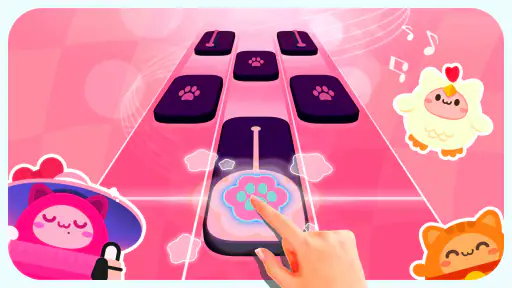
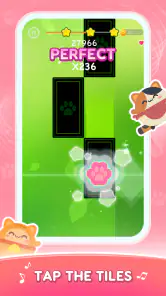
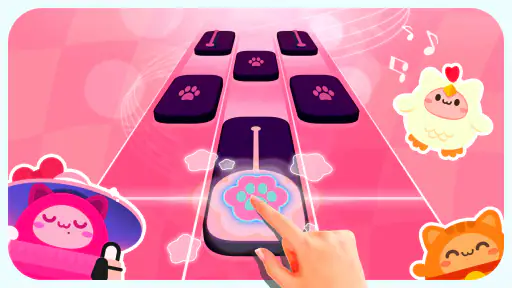
From the moment you launch Cat Piano Tiles: Rhythm Games, you’re greeted with an array of colorful tiles and a soundtrack that promises a delightful experience. The interface is simple and intuitive, making it easy for both seasoned gamers and newbies to jump right in. The game’s objective is straightforward: tap the tiles in rhythm with the music. But don’t let its simplicity fool you; the challenge ramps up as you progress, testing your reflexes and timing to the max.
Gameplay and Features
One of the standout features of this app is its vast library of songs. Whether you’re into classical melodies, pop hits, or even video game soundtracks, there’s something here for everyone. The developers have done a fantastic job of curating a diverse playlist that keeps the gameplay fresh and exciting. Plus, the addition of cute cat themes and sound effects adds a layer of fun that’s hard to resist.
The game offers various modes to keep things interesting. You can start with the classic mode to get a feel for the game, and once you’re comfortable, switch to the more challenging arcade mode. There’s even a battle mode where you can compete against other players to see who has the best rhythm skills. It’s a great way to test your abilities and engage with a community of fellow music lovers.
Why You'll Love It
If you’re someone who loves cats, music, or simply enjoys a good challenge, this app is a must-try. The adorable cat graphics and sounds are enough to put a smile on anyone’s face, and the satisfaction of hitting those perfect notes is incredibly rewarding. It’s a game that’s easy to pick up but hard to put down, and I found myself coming back to it time and time again.
What really sets Cat Piano Tiles apart from other rhythm games is its ability to create an immersive experience that doesn’t just rely on its cute aesthetics. The gameplay is genuinely engaging and requires skill and practice to master. It’s this combination of fun and challenge that makes it a standout in the rhythm game genre.
Choosing the right moment to play
I find the game works best when I can give the screen my full attention for a few minutes. A realistic use is a short wait between errands: I can play a song, focus on keeping the taps controlled, and stop when I need to move on. That is a better fit than opening it during a commute where I need to watch my surroundings, or while trying to hold a conversation. Rhythm play depends on visual focus and timing, so the cheerful look does not make it genuinely hands-free or suitable for every setting.
It is also an easy choice for someone who wants music-themed play without committing to a lengthy session. If I am showing it to a younger family member, I would first make sure the phone is held securely and that the screen is comfortable to reach. The Everyone age rating makes it broadly approachable, but the practical question is still whether the player enjoys tapping to a beat and can manage the pace. A child who prefers open-ended play may lose interest; someone who likes repeating a short challenge to improve may be much happier.
How it compares with other rhythm games
Compared with rhythm titles built around elaborate note charts, competitive ranking, or a highly technical music-game presentation, this one puts approachability and its cat-and-piano identity up front. That makes it a gentler starting point for casual players, but it is not the option I would choose when I want precise training tools or a serious competitive ladder. A dedicated rhythm game may offer more control over practice and a stronger sense of long-term mastery; the lighter style here is appealing precisely because it asks less of me before I can begin.
It also differs from a general music player: the songs are part of an active timing challenge, not simply something to leave on in the background. That distinction matters if I am looking for a way to discover or listen closely to music. I would treat this as a tapping game with a musical wrapper, rather than a substitute for a playlist or a piano-learning tool. Its strongest use is brief, playful interaction with the beat, not music education.
Making retries more useful
When a passage gets difficult, I try to treat a failed attempt as a clue rather than immediately speeding up my tapping. If I am missing notes because my hands are tense, smaller movements and a steadier grip are more useful than pressing harder. If I am losing the beat, a quieter place or headphones can help me concentrate. The practical trade-off is that this focused approach makes each round more deliberate; it is less satisfying when I only want something mindless to do while multitasking.
Another useful habit is to stop after I notice my attention slipping. Repeating a song while tired can turn a light challenge into a string of careless misses, and that does not necessarily mean I have reached a meaningful skill wall. I would take a short pause and return when I can listen and watch properly. This makes the difficulty feel more manageable without assuming that every player needs to chase perfect performance.
What keeps the loop engaging—and what may not
The short-run structure gives me a clear immediate target: stay with the notes and see whether I can do better on another attempt. That is enough to make a spare moment feel purposeful. For players who enjoy small improvements, the reward can be their own steadier timing rather than a large unlock or a lengthy story progression. If a player needs visible milestones, a campaign with clearly explained goals, or a collection of rewards to stay motivated, this lighter loop may not hold attention for long.
I would not assume that cute presentation alone will carry the experience for someone who dislikes repetition. Rhythm games often ask players to repeat patterns as they improve, and this one’s accessible format still depends on that basic pleasure. The cat styling softens the mood, but it cannot replace variety or challenge for a player who wants a deep catalogue of modes and finely tuned progression. I see it as a casual pick, not a game that needs to become a daily commitment.
Practical expectations before installing
Because the game is free, it is easy to try without treating the download as a major purchase decision. I would still go in with the right expectation: the appeal is quick music-based tapping, not a promise of formal lessons or a comprehensive rhythm-training plan. The current version is 0.2.5, and Android support begins at version 5.1, so it can suit many older devices that meet that requirement. On any phone, comfortable screen size and responsive touch matter more to the experience than a complicated setup.
A common question is whether it is suitable for a complete beginner. I think so, if the person is comfortable following moving notes and learning by trying; the basic objective is easy to grasp, while the timing itself supplies the challenge. Someone who wants a slow, step-by-step teaching course should choose a learning-focused app instead. Another natural question is whether it is a good fit for serious score chasing. It can provide a satisfying quick test, but a specialist game is the better choice when detailed practice options and sustained competitive progression are the main priorities.
For a parent considering it for a child, the age rating is Everyone, and the playful visual style makes the premise easy to understand. I would still consider the child’s patience and the setting: fast tapping calls for attention, and a player who gets upset by missed notes may find the rising challenge less fun. For a casual adult player, by contrast, the appeal may be precisely that a round asks for focus without requiring a large time commitment.
Final Thoughts
In conclusion, Cat Piano Tiles: Rhythm Games is a delightful app that combines the joy of music with the cuteness of cats. It’s perfect for killing time, challenging your friends, or simply enjoying some quality me-time with your favorite tunes. So, if you’re on the hunt for a new game to tap into, give this one a try. You might just find yourself lost in a world of rhythm and pawsitive vibes!
My recommendation is strongest for people who want a cheerful, uncomplicated way to test their timing in short bursts. I would skip it if I needed a structured training path, a deep campaign, or a serious competitive environment, and I would choose a music player if listening rather than tapping were the main goal. For everyone else, the best way to judge it is to try a focused round and see whether the cat-themed presentation and rhythm challenge make you want one more attempt. That small, personal improvement is where this game makes its case.
Cat Piano Tiles: Rhythm Games Frequently Asked Questions
What should I check before installing Cat Piano Tiles: Rhythm Games?
Cat Piano Tiles: Rhythm Games is a music game developed by Cobby Labs. It is free to download, rated for Everyone, and requires Android 5.1 or later. Those details make it worth checking that your device meets the minimum requirement and that the playful rhythm-game format suits what you want before installing.
What is Cat Piano Tiles: Rhythm Games and how does it work?
Cat Piano Tiles: Rhythm Games is an engaging mobile app that combines the fun of a piano playing experience with adorable cat themes. The game challenges players to tap on the right tiles in sync with various musical tracks. Players aim to achieve high scores by maintaining rhythm and accuracy as the speed increases with each level. The app provides a delightful and addictive musical experience for both casual and seasoned gamers.
Is Cat Piano Tiles: Rhythm Games suitable for all age groups?
Yes, Cat Piano Tiles: Rhythm Games is designed to be family-friendly and suitable for all age groups. Its simple yet challenging gameplay appeals to children, teens, and adults alike. The cute cat graphics and user-friendly interface make it an enjoyable experience for younger players, while the increasing difficulty levels offer a challenge for older users seeking to test their reflexes and rhythm skills.
Does Cat Piano Tiles: Rhythm Games require an internet connection?
Cat Piano Tiles: Rhythm Games can be played both online and offline, making it convenient for users who want to enjoy the game without the need for a constant internet connection. While some features, such as downloading new songs or accessing leaderboards, may require internet access, the core gameplay is available offline, allowing play anytime and anywhere.
Are there in-app purchases in Cat Piano Tiles: Rhythm Games?
Yes, Cat Piano Tiles: Rhythm Games offers in-app purchases. These purchases can enhance the gaming experience by providing access to additional songs, themes, or other features. While the game is free to download and play, users may choose to purchase these extras to customize their gameplay or support the developers. However, all core features are accessible without spending money.
Pros
- Engaging and addictive gameplay
- Simple controls for all ages
- Regular updates with new songs
- Visually appealing graphics
- Free to play with optional purchases
Cons
- In-app ads can be intrusive
- Limited offline capabilities
- Some songs require purchase
- Occasional lag on older devices
- Can become repetitive over time
- Category
- Music
- Version
- 0.2.5