Dancing Cats 2: Music Games
- 122.00
- 4.4
- Installs
- 10.00M
- Price
- Free

Screenshots




Analysis by Reviewed
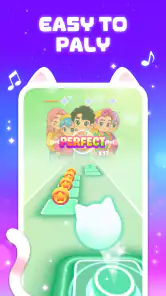
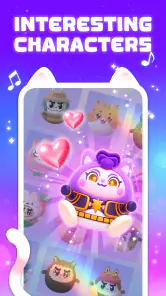
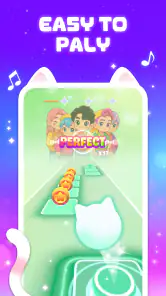
The first thing that gives Dancing Cats 2: Music Games its identity is the way it pairs a familiar rhythm-game idea with a playful cat-focused look. This is a music game built around tapping to pop songs and following piano-style tiles, so the appeal is easy to understand: listen, watch the pattern, and try to keep your timing steady. I find that combination more inviting than a bare sequence of notes, especially when I want a quick, light session rather than a demanding music challenge.
It is also a game with a clear mood in mind. The cute visual language makes the rhythm task feel cheerful instead of clinical, while the songs give each run a sense of forward motion. That does not mean the presentation can carry every session on its own: if you are looking for deep music theory, instrument practice, or a demanding competitive system, this is not the right fit. But for casual play, Dancing Cats 2 has a focused, approachable premise.
A playful visual world built for quick sessions
Cute cats, clear cues
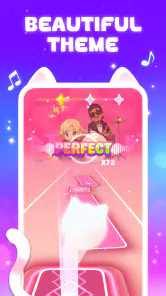
The cat theme is more than a decorative label; it sets expectations for the whole experience. Rather than presenting rhythm as a technical exercise, the game frames it as something bright and approachable. That choice suits players who like music games but are put off by interfaces that feel strict or intimidating. The piano-tile format gives the screen a clear focal point, and the cute character styling softens the pressure of trying to hit each cue accurately.
In my view, the art direction works best when you treat it as a mood-setter, not as a reason to expect a story-rich world. The core activity remains following the music and responding at the right moment. The cats give that loop a distinctive personality, but the satisfaction still comes from your own timing. If you enjoy collecting a broader narrative or exploring a detailed setting, this is likely too streamlined; if you want an instantly readable theme around a music challenge, it makes sense.
The visual approach also helps the game suit short breaks. I can imagine opening it while waiting for a ride or taking a pause between other tasks, because its premise does not ask me to remember a complicated plot or learn a long set of rules. A practical tip is to give the screen your attention for the duration of a song rather than trying to play while switching between apps. Rhythm cues are easy to miss when your focus is divided, and the game is more satisfying when you can settle into the pattern.
How the setting shapes the mood
Dancing Cats 2 leans into a light, pop-oriented atmosphere instead of trying to imitate a concert stage or a serious practice room. That keeps its tone consistent: the music is the pulse, the tiles are the prompt, and the cats make the presentation feel friendly. For me, that coherence matters. A rhythm game can become visually noisy if its theme competes with the notes, so a playful style is most useful when it makes the task feel welcoming rather than distracting.
The trade-off is that players who prefer minimal visuals may find the cute presentation less appealing than a plain rhythm interface. Conversely, someone choosing a music game mainly for its visual personality may want a richer world than this focused format provides. I would approach it as a compact musical play space, not as a cat adventure with extensive exploration. That expectation makes the art direction easier to appreciate on its own terms.
Pop songs, piano tiles, and the rhythm loop
Listening is part of playing
The game’s pop-song and piano-tile setup makes listening central to the experience. You are not simply looking for shapes; you are trying to connect what you hear with when you tap. That gives each attempt a small learning curve: at first, I pay close attention to the stream of tiles, and with familiarity, the beat can help me anticipate what comes next. The best sessions are the ones where sight and sound start working together instead of competing for attention.
That rhythm-first focus also explains why it is better suited to entertainment than to learning piano. The tiles evoke a keyboard-like musical language, but the main task is timing your responses within a game. If your goal is structured lessons, finger technique, or feedback on how you perform a piece on an instrument, a dedicated music-learning app would be the more useful choice. Here, the reward is staying in sync and enjoying the song-driven flow.
For a more comfortable session, I would start with a song when I have a few uninterrupted minutes, keep the volume at a level where the beat is easy to follow, and avoid treating an early miss as a reason to rush. Rhythm games can punish frantic tapping because it breaks the connection between the cue and the sound. A steadier approach makes it easier to notice whether I am reacting late, moving too quickly, or simply losing the beat.
Where the pacing feels right—and where it may not
The format naturally favors compact bursts of attention. It gives a session a beginning, a musical middle, and an endpoint without requiring me to settle in for a long campaign. That is a strong match for people who want a casual game they can return to in small windows of free time. It is less ideal if you prefer open-ended play with a large world to roam or a story that unfolds over extended sessions.
There is also a personal preference involved in the pacing. Some players like the pressure of keeping up with a song; others would rather choose a slower, more forgiving activity after a tiring day. If you are already frustrated by timing-based games, the same pop-and-tile loop may feel more like a test than a relaxation tool. I would try it when I am in the mood to concentrate lightly, not when I want a game that asks almost nothing from me.
How it compares with other music games
Compared with rhythm games built around dense note charts or competitive scoring, Dancing Cats 2 presents a gentler entry point through its cute theme and simple-to-grasp tile premise. Compared with music apps intended for practice, it puts play ahead of instruction. That middle ground is its main appeal: it is more interactive than passively listening to a playlist, but it should not be mistaken for a serious training tool.
If your usual alternative is a more demanding rhythm title, you may miss the challenge or precision you expect. If you normally reach for a casual puzzle game, the music gives this one a stronger sense of pace and makes your attention feel tied to a soundtrack. The choice comes down to what you want from a music game: a friendly rhythm activity is the draw here, while advanced technique, detailed music education, or an elaborate competitive scene call for a different option.
Who I would recommend it to
I would point a friend toward Dancing Cats 2 if they like pop music, enjoy cute character art, and want a rhythm game they can understand quickly. It can work well as a small daily break: one song while waiting for food, a short session after school, or a few minutes between chores. Those scenarios suit its focused loop better than trying to make it the center of a long gaming night.
It may also be a comfortable starting point for someone curious about rhythm games but unsure about more intense titles. The cat presentation lowers the stakes, while the music still asks for attention and coordination. For a younger player, the listed age guidance is Everyone, though I would still choose a setting and session length that make sense for the person using the device.
I would skip it if I wanted a deep catalog of music controls, a detailed progression system, or dependable practice feedback for learning an instrument. I would also look elsewhere if I disliked cute art or found tapping to a beat stressful. Those are not flaws that a different expectation can fix; they are simply signs that the game’s particular mix of light presentation and timing-based play may not match what you want.
Availability and my overall take
Cobby Labs developed the game, and it is free to play. Its audience is broad: the game has passed 10 million installs, with an average rating of 4.4 from around 18,000 ratings. Those figures suggest it has found plenty of players, though popularity alone does not tell me whether its rhythm style will suit you. I would use the game’s own premise as the better guide: pop music, piano-like tiles, and cute cats are the central combination.
The release date is September 17, 2025, and the current version is 0.4.4. It supports Android 7.0 and later, which makes it a plausible option for people using older Android devices that still meet that requirement. The key practical question is not just compatibility, though; it is whether your phone can be held comfortably and kept steady while you tap. A stable grip helps reduce accidental inputs and makes a short song feel less awkward.
My overall impression is that Dancing Cats 2 has a coherent identity: its playful cat styling, pop-focused sound, and tile-based rhythm task all point toward the same relaxed, approachable mood. I like that it gives music a hands-on role without pretending to be a piano lesson. Its limits are just as clear: the appeal depends on enjoying its visual tone and wanting a timing challenge, and it is not a substitute for a deeper rhythm or learning app.
If you want a cheerful way to spend a few focused minutes, I think it is worth trying. Go in expecting a casual music game rather than an expansive world or a serious instrument tool, and the balance makes sense. For me, that honest, compact purpose is what makes the game easy to recommend to the right person—and easy to pass over if their idea of a music game is something more demanding.
Dancing Cats 2: Music Games Frequently Asked Questions
What is Dancing Cats 2: Music Games?
Dancing Cats 2: Music Games is a rhythm-based mobile game built around music, colorful visuals, and playful cat characters. Players guide a cat along a track by tapping or swiping in time with the beat, aiming to hit notes and avoid obstacles. It is designed for quick sessions, though keeping a steady rhythm and reacting to changing patterns can make later stages more challenging.
How do you play Dancing Cats 2: Music Games?
The basic idea is to follow the music and control your cat as it moves across a course. Tap or swipe when notes, turns, or other prompts appear, and try to stay on the track while collecting rewards. Timing matters: missing beats or reacting too early can interrupt a run. The game is easy to understand at first, but songs and obstacle patterns may require practice.
Does Dancing Cats 2: Music Games work offline?
Offline availability can depend on the version of the game and which features you want to use. Some core levels may be playable without a continuous connection after they have been downloaded, while advertisements, updates, online events, or certain song content may require internet access. Check the current store listing and test the game’s offline behavior on your device before relying on it without a connection.
Is Dancing Cats 2: Music Games free, and does it include ads or in-app purchases?
The game may be available to download for free, but free-to-play mobile games commonly use advertisements, optional purchases, or both. These can be used to unlock content, obtain extra rewards, or reduce interruptions, depending on the current release. The exact options and prices may differ by platform, region, and update, so review the app-store listing and purchase settings before downloading or spending money.
Is Dancing Cats 2: Music Games suitable for children, and what should parents check?
Its cute cat characters and straightforward rhythm gameplay may appeal to younger players, but suitability depends on the child and the game’s current content. Parents should check the age rating, privacy information, advertising, and any in-app purchase options shown in the relevant store. If a child will play, consider enabling purchase restrictions and reviewing the game together so you can assess its ads and online features.
Pros
- Simple tap controls make it easy for beginners to pick up.
- Cute cat characters give the game a playful
- colorful style.
- Short song levels work well for quick play sessions.
- Unlockable cats add a clear collection goal.
- Rhythm gameplay can help improve timing and coordination.
Cons
- Some songs or content may require in-app purchases.
- Ads may interrupt play
- depending on the version.
- Fast sections can feel difficult on smaller screens.
- Repeated songs may make the gameplay feel predictable.
- Progress may depend on an internet connection for some features.

- Category
- Music
- Version
- 0.4.4