Cocobi Dentist - Kids Hospital
- 48.00
- 3.8
- Installs
- 10.00M
- Price
- Free
Screenshots
Analysis by Reviewed
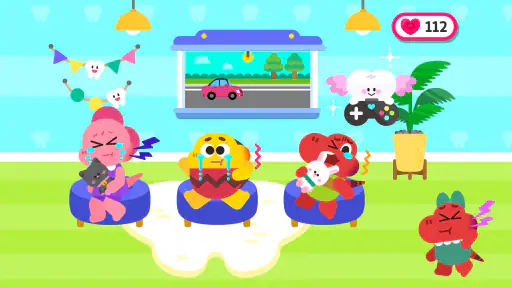
On a shared tablet after school, I can picture one child choosing to care for a Cocobi character while a sibling watches and offers suggestions. That small scene captures what Cocobi Dentist - Kids Hospital does best: it gives young players a clear pretend-care idea without asking an adult to turn the session into a lesson. I’d treat it as a short, supervised activity for children who enjoy looking after cartoon friends, not as a complete dental-health program or a reliable way to prepare for a real appointment.
A good fit for brief, low-pressure play
The game is most useful when a child wants a specific role to act out: helping a character in a dentist-themed setting. That can be easier to start than open-ended play for a child who prefers having a simple premise. It also gives a caregiver a natural way to join in without directing every move. I’d offer it during a wait at home or while dinner is being prepared, but I would try a short session before relying on it to occupy a child for a longer stretch.
For a realistic household routine, an adult might start the game while a meal is cooking, explain whose turn it is, and stay close enough to help if the child asks. A sibling can take the next turn or participate by suggesting how to help the character. This keeps the device from becoming an unspoken contest over who gets to hold it, and it makes the game a shared activity rather than an automatic babysitter.
Set boundaries before handing over a shared device
The first launch is a good time to establish that an adult handles purchase decisions and that tapping around the device is not the same as getting permission to buy something. The game is free to download, with optional in-app purchases costing $1.99 per item. I’d explain that boundary in plain language before a child begins, especially if the phone or tablet is also used for other apps and household accounts.
On a device shared by siblings, the game should not be mistaken for a way to separate their activity or manage turns. I’d agree on the order before opening it and follow the family’s usual rules for screen time and account use. If a household needs individual profiles, scheduled access, or purchase restrictions, those arrangements belong in the device’s broader family settings, not in an assumption about what this game will provide.
A helpful, easily overlooked step is to decide where the session ends before it begins: for example, when the adult needs the tablet back or when the child has had a turn. That simple cue can make stopping less abrupt than waiting until someone is frustrated. It is a household routine, not a special feature of the game, but it matters more than finding the perfect moment to hand over a screen.
Use the dentist theme as a conversation starter
The pretend-care premise can give a child a gentle opening to talk about a dentist, particularly if they are curious or a little uneasy. If the child says a character seems nervous, I might ask what could help them feel comfortable. If the child is simply absorbed in play, I would let the activity stay playful rather than turning it into a quiz about brushing or a test of how they will behave at an appointment.
More From Our News Desk

Weather by Xiaomi Review: Clear at a Glance, Less Clear Up Close

X Under Pressure: Can It Recover When Posting Goes Wrong?

Clash of Clans Is Won Between the Battles

Android Auto Makes the Case for Quieter Car Software

MobiOffice: Transforming Mobile Productivity with Seamless Integration

EA SPORTS FC™ Mobile Soccer: Redefining Mobile Sports Gaming
That distinction matters: a friendly game can support pretend play, but it is not medical advice and cannot explain a child’s symptoms. I would not use it to assess tooth pain or replace guidance from a dental professional. If a real visit is coming up, a direct, age-appropriate explanation from a trusted adult is a better source of reassurance; the game can be an optional conversation prompt, not the whole plan.
Age, trust, and a measured first try
The game carries an Everyone age rating and is aimed at young children, but that label is not a substitute for knowing how a particular child handles a shared screen. I would introduce it according to the child’s maturity and the household’s normal supervision habits. The first time, I’d stay nearby, notice whether the child understands the dentist-play idea, and check whether the experience feels comfortable rather than assuming the theme will appeal to every child.
KIGLE develops the game. It has a 3.8 average from around 5,400 ratings, alongside 48 written reviews. I take that as context for a game with a sizeable audience and a mixed response, not as a promise that it will suit a particular child. It has passed 10 million installs, but reach alone does not tell me whether a young player will stay interested or whether the game fits a family’s routine.
For a shared device, I’d also keep the adult’s role clear even after the first session. A child may be comfortable with the pretend-care theme but still need help navigating the device or understanding purchase boundaries. The practical test is not only whether the child enjoys playing; it is whether the game can be used without disrupting the household’s existing screen-time and account rules.
How it compares with other children’s activities
Compared with drawing or building apps, this game offers a more defined role: the child is playing in a dentist-themed world with Cocobi characters. That focus can be a real advantage for a child who wants a prompt rather than a blank page. The trade-off is that children looking for a wide variety of activities may find a single theme less satisfying than a broader creative app, a book, or ordinary pretend play with toys.
It also differs from educational apps centered on lessons, quizzes, or step-by-step practice. I’d think of this as character-based play with an educational flavor, rather than a structured way to learn dental routines. If the goal is systematic oral-health instruction, I’d choose a dedicated learning resource and involve an adult. If the goal is a small, approachable role-play activity, Cocobi’s focused premise makes more sense.
That comparison can help set expectations before a download. A child who likes caring for characters is a more natural match than one who mainly wants drawing tools, puzzles, or a long sequence of lessons. And if the household needs an activity that several children can use independently without negotiating, a shared book or a family-agreed turn-taking plan may be more practical than expecting a game to settle the question.
A small shared activity, not a family management tool
I find this kind of game works best when the device handoff is part of a small shared routine, rather than an attempt to keep children occupied without any coordination. I’d decide who starts and when the tablet comes back before opening it; that keeps the focus on the play itself and makes the household boundaries clearer.
Taking turns works better than passing the device blindly
On a shared phone or tablet, this game is easiest to use when an adult starts it and makes clear whose turn it is. That sounds simple, but it helps avoid the familiar household problem of one child treating a game as theirs while a sibling expects a turn. Cocobi’s friendly, pretend-doctor framing gives children an obvious reason to play together: one can choose what to do while another suggests how to help the character.
I would use it during a short wait at home, or as a low-pressure activity after a child has finished a more demanding task. It suits moments when a caregiver can stay nearby but does not need to lead every second. A child can focus on caring for a character, while an adult can use the scene to talk casually about being gentle at a dentist’s office. That conversation is a possible use, not a promise that a game alone will prepare a child for an appointment.
For siblings, taking turns deliberately is more practical than assuming the game itself will organize sharing. Agreeing on a turn before opening it can prevent a cheerful activity from becoming an argument over who gets the device. If the household needs scheduled access, individual profiles, or built-in turn controls, I would look for those capabilities in a broader family or device-management solution instead of expecting them from this game.
Keep the device handoff intentional
Because the app is free to start and offers in-app purchases at $1.99 per item, I would set a clear boundary before giving a child a shared device. An adult can handle any purchase decisions and make sure children understand that payment is not part of taking a turn. The practical point is less about the game’s theme and more about the device: a child who can explore a phone or tablet may also encounter other apps, settings, or store prompts outside the play session.
For a shared family device, I recommend launching the game together the first time, checking how the child responds, and keeping the device within the household’s usual supervision rules. I would not treat the app as a tool for managing accounts or separating children’s activity. If several people use the same device, the family’s existing account and screen-time arrangements matter more than any assumption that a children’s game will establish those boundaries on its own.
What children get from the dentist theme
The appeal is imaginative care: the player meets Cocobi friends in a dentist-game setting and gets to engage with the idea of helping. That makes the concept easier for a young child to approach than a realistic medical simulation. The presentation is aimed at play, not clinical instruction, so I would avoid asking it to explain symptoms, diagnose pain, or replace a conversation with a dental professional.
A useful adult role is to follow the child’s lead. If they say a character is nervous, an adult can talk about what might make a real visit feel less intimidating. If they simply want to play without discussion, that is fine too. The game can provide a starting point for pretend play, but it should not be turned into a test of whether a child remembers hygiene rules or behaves perfectly at an appointment.
Age context and a sensible trust check
The game is rated Everyone, and its intended audience is clearly young children. Even so, an age label does not tell a caregiver exactly how a particular child will handle device use, purchases, or taking turns. I would introduce it according to the child’s maturity and the household’s normal rules, rather than treating the rating as a reason to hand over an unlocked device without supervision.
KIGLE is the developer, and the game has a 3.8 average rating from around 5,400 ratings, with 48 written reviews. Those figures suggest a substantial audience but also a mixed reception; they are useful context, not a guarantee that every child will enjoy it or that it will work equally well on every device. The game has passed 10 million installs, which shows broad reach, but popularity alone does not make it the right fit for a particular family.
It is free to download, with optional purchases priced at $1.99 per item. I would make the purchase boundary part of the first conversation, especially if the child is accustomed to tapping through screens independently. That way, “free to play” does not become a surprise discussion about payment halfway through a shared-device session.
Where it sits among children’s games
Compared with open-ended drawing or building apps, Cocobi Dentist gives children a more specific pretend-play premise: they are in a dentist-themed setting and can engage with familiar characters. That focus is an advantage when a child wants role-play rather than a blank creative canvas. The trade-off is that a narrowly themed game may hold attention for less time than a broader activity app, particularly for children who want many different kinds of play in one place.
Compared with educational apps built around lessons, quizzes, or step-by-step practice, this is better approached as play with an educational flavor than as structured learning. I would choose it for a child who likes caring for characters, not for someone who needs a systematic introduction to oral health or reading practice. If the goal is a calm, open-ended activity, drawing may be a better fit; if the goal is curriculum-style instruction, a dedicated learning app is more suitable.
Version, device fit, and practical expectations
The current version is 1.0.29, and the listed minimum operating-system requirement is 7.0. That makes checking the family device’s software compatibility a sensible first step before planning a session. The game is free, which lowers the barrier to trying it, but I would still treat installation and first use as an adult-led decision on a child’s device.
One useful routine is to try a brief session before relying on the game for a longer wait. Watch whether the child understands the premise, stays engaged, and is comfortable with the pace. This is more informative than assuming every young player will respond the same way to a dentist theme. If the child loses interest quickly, there is little reason to insist; a favorite book, simple pretend play, or another familiar activity may work better.
I would also avoid making the game the only way to prepare for a real dental visit. A child may enjoy pretend care and still feel uneasy in an unfamiliar clinic. Pairing play with a straightforward explanation from a trusted adult is more grounded than treating an app as reassurance by itself. That distinction keeps the game in its proper role: an enjoyable prompt for imagination, not a source of medical guidance.
My household verdict
I’d recommend Cocobi Dentist - Kids Hospital to families looking for a focused, child-friendly pretend-play option, especially when an adult is available to introduce it and help siblings share. Its strongest use is a short, supervised session where a child can play at helping Cocobi friends and a caregiver can join in if the child wants company. The Everyone rating, free entry, and familiar character framing make it approachable, while the optional purchases call for an adult-set boundary on a shared device.
I would skip it if you want a structured dental-health course, an activity that keeps several children organized automatically, or a broad collection of different games in one app. Those needs call for a different kind of tool. For a household that simply wants an easy dentist-themed game to try together, this is a reasonable option, provided expectations stay modest and the device remains part of the family’s normal supervision routine.
Cocobi Dentist - Kids Hospital Frequently Asked Questions
What is Cocobi Dentist - Kids Hospital?
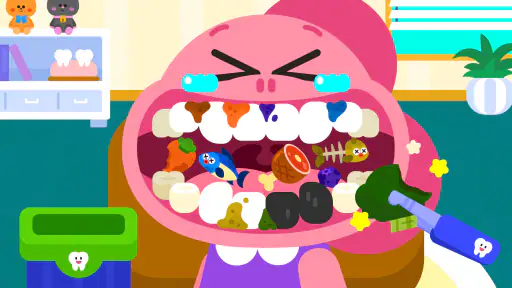
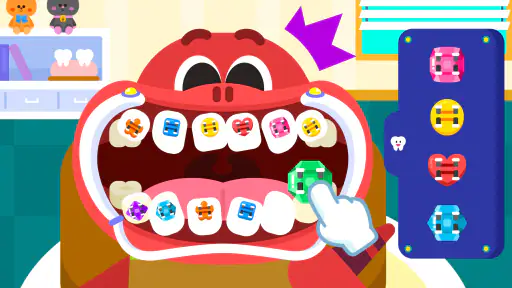
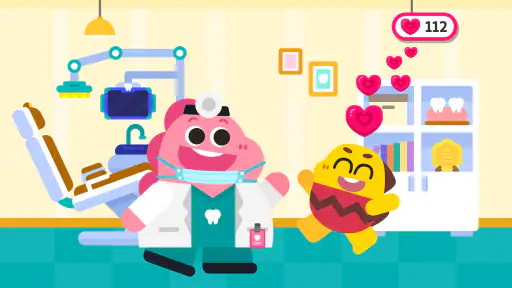
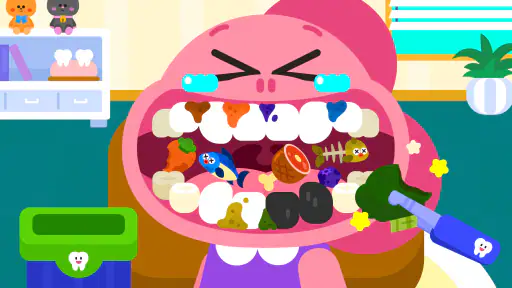
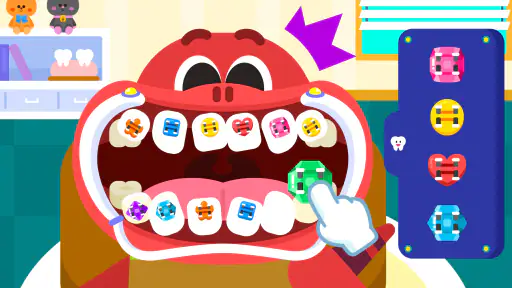
Cocobi Dentist - Kids Hospital is a child-focused role-playing game in which players take on the role of a dentist caring for characters with different dental problems. Children can examine mouths, choose tools, clean teeth, and complete simple treatment activities. The playful setting is designed to make a dentist visit feel less intimidating, though the game is entertainment rather than a substitute for dental advice or real-world care.
Is Cocobi Dentist - Kids Hospital suitable for young children?
The game is designed for children and uses colorful characters, simple tasks, and tap-based interactions that are generally easy for younger players to understand. Parents should still check the age guidance shown in the relevant app store and consider their child’s comfort with pretend medical procedures. As with any children’s app, it is sensible to play together at first and review the available settings and store listing.
Does Cocobi Dentist - Kids Hospital require an internet connection?
Some gameplay may be available without a continuous internet connection, but availability can depend on the installed version and how the app handles its content. An internet connection may be needed to download the game, receive updates, or access certain features, ads, or in-app content. If you plan to use it while traveling or offline, test it on your device beforehand and check the current store description.
Is Cocobi Dentist - Kids Hospital free, and does it include ads or in-app purchases?
The price and monetization options can vary by platform, region, and version. Before downloading, check the Google Play or Apple App Store listing for the current price, advertising disclosures, and any in-app purchases. If a child will use the game, consider enabling parental controls and requiring approval for purchases. These precautions help avoid unexpected charges and make it easier to manage any advertising or optional content.
What should I check before downloading Cocobi Dentist - Kids Hospital?
Confirm that your phone or tablet meets the operating-system and storage requirements shown on its official store page, since compatibility can change with updates. Also review the app’s age rating, privacy information, and permissions before installing it. Downloading from Google Play or the Apple App Store helps ensure you receive the official release. If the game does not open or runs poorly, check for updates and restart your device.
Pros
- Friendly animal characters make dental visits feel less intimidating.
- Simple touch controls are suitable for young children.
- A range of dental tools lets kids explore basic treatment steps.
- Bright visuals and cheerful sounds keep play engaging.
- Offers a low-pressure way to talk with children about oral care.
Cons
- Gameplay may feel repetitive after several patient treatments.
- Some children may find dental procedures unsettling despite the cartoon style.
- The educational content is introductory rather than detailed.
- Ads or in-app purchases may be present
- depending on the version.
- Requires adult guidance for younger children to connect play with real dental care.
- Category
- Educational
- Version
- 1.0.29