Cocobi Good Habits -Kid Toilet
- 9.00
- 3.8
- Installs
- 1.00M
- Price
- Free

Screenshots


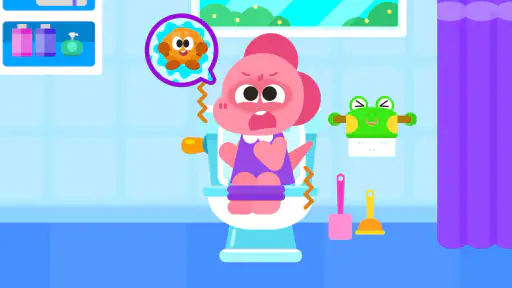

Analysis by Reviewed
For a family deciding whether to add a screen activity to a child’s day, the main question is how to keep the play connected to real routines. I see Cocobi Good Habits -Kid Toilet as a possible prompt for talking about everyday habits, not a substitute for an adult’s help. Its focus is unusually practical for a children’s game, but that only matters if the grown-ups around the child set calm, consistent expectations.
A good fit for brief, supervised turns
A realistic use might be a child waiting nearby while dinner is being prepared and asking for a phone or tablet. A short turn can occupy that pause, and a parent can link the play to what comes next, such as washing hands before eating. I would keep the device in a shared space and end the session when the family is ready to move on. That makes the game a small part of the routine rather than a screen-based prize for using the bathroom.
On a shared device, I’d make the handoff deliberate: an adult opens the game, stays close enough to notice how the child responds, and puts the device away afterward. This is a useful boundary when a child is still learning how to handle a phone or tablet. It also gives the caregiver a chance to explain a routine in their own words instead of assuming that playing through an activity means the child can already manage it alone.
Who benefits, and when to choose something else
The game is most promising for a young child who enjoys character-led play and is comfortable trying familiar activities on a screen. It may give a parent an easy way to begin a conversation about habits without making the subject feel like a lecture. I would skip it as the main approach if a child is anxious about toileting, needs individualized support, or is not ready to start toilet learning. In those cases, patient adult guidance—and, where appropriate, advice from a health professional—matters more than a game.
It also won’t suit every household’s screen rules. If your child already has plenty of screen time or becomes upset when a device is taken away, a book, a bathroom routine chart, or a parent’s own demonstration may be easier to use consistently. The practical test is not whether a child enjoys one session, but whether the game helps a caregiver have a calm, useful conversation afterward.
Caregiver coordination matters more than shared tracking
Several adults may take turns looking after a child, but I wouldn’t make the household depend on the game to coordinate them. Parents and caregivers can agree on the same short, encouraging reminders outside the app. That matters because a playful demonstration from one adult can become confusing if another treats the game as a rule-enforcement tool. Consistent language and expectations are a more reliable foundation than assuming a game will manage different adults’ roles.
A small practical tip is to decide in advance when the game is appropriate—for example, during a quiet wait, rather than every time a child needs to use the bathroom. That keeps play separate from pressure around a bodily routine. It also helps caregivers avoid turning progress in a game into a measure of readiness or success in real life.
More From Our News Desk

Clash of Clans Is Won Between the Battles

Android Auto Makes the Case for Quieter Car Software

MobiOffice: Transforming Mobile Productivity with Seamless Integration

EA SPORTS FC™ Mobile Soccer: Redefining Mobile Sports Gaming

How Microsoft OneDrive Became a Mobile Productivity Giant

How Google Translate Breaks Language Barriers Effortlessly
How it fits into a family routine
A shared-device moment, with an adult close by
Imagine a child waiting while dinner is being prepared and asking to use a phone or tablet. A short turn with Cocobi can give that moment a little direction: the child engages with familiar routine-themed play, while an adult can connect it to what happens next, such as washing hands before eating. That works best when the device stays in a shared space and play is brief, rather than becoming a screen-based reward for every successful bathroom visit.
On a family device, I’d make the handoff intentional. An adult can open the game, let the child handle the play, and then put the device away when the activity is done. That keeps the game from becoming an unsupervised default and gives parents a chance to talk through any routine the child finds confusing. It also avoids assuming that a child’s progress in a game automatically reflects what they can do independently in the bathroom.
Keep expectations and adult roles clear
One practical question is whether the game can coordinate several caregivers. I would not build a family routine around shared progress tracking: the useful approach is for parents and other caregivers to agree on the same calm language and reminders outside the app. If one adult uses it as a playful demonstration and another expects it to enforce toilet habits, the child may get mixed signals. A simple conversation between caregivers is more dependable than relying on a game to manage that boundary.
The game may suit a child who responds well to characters and playful repetition, especially when an adult is trying to introduce a routine without turning it into a battle. It is less suitable as the main answer for a child who needs individualized guidance, has strong anxiety around toileting, or is not ready for toilet learning. In those situations, a caregiver’s patience and advice from an appropriate health professional matter more than any app.
Age, trust, and the role of the game
The game is rated Everyone, but that broad age label is not the same as a recommendation for every toddler or preschooler. A parent should judge whether the child can use the device comfortably and whether the content feels right for their stage. I’d stay nearby, particularly at first, so I can see how the child responds and explain that the game is practice through play—not a test they can pass or fail.
For context, the game is free, has in-app purchases listed at $1.99 per item, and has a 3.8 average from around 735 ratings. It has reached over 1 million installs. Those figures suggest an established audience, but they don’t tell me whether its approach will click with a particular child. I’d try a short session together before making it part of a daily routine, and check purchase prompts with the child’s access to the device in mind.
What to expect compared with other choices
Compared with a picture book, a parent-led demonstration, or a simple bathroom routine chart, an interactive game can hold a young child’s attention and make repetition feel playful. The trade-off is that real habits still need practice away from the screen. I’d use the game as a conversation starter—then let the child try the actual steps with an adult’s help—rather than expecting the app to teach every detail on its own.
It is also worth thinking about what happens after the novelty fades. A child may enjoy the characters at first but lose interest in repeated activities, so I would keep other low-screen options ready, such as a story or a simple verbal reminder. The game is most useful as one small part of a varied routine, not as the only tool a household uses to encourage independence.
Setting the Scene: What is Cocobi Good Habits?
First off, let me say, the app is a breath of fresh air in the parenting world. Cocobi Good Habits -Kid Toilet is an educational app tailored for young children who are still getting the hang of toilet training and other essential daily habits. It’s available for both Android and iOS, making it accessible to a wide range of parents looking to ease their kids into this new phase of life.
Fun and Interactive Learning
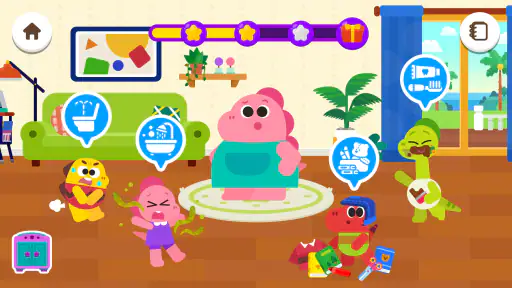
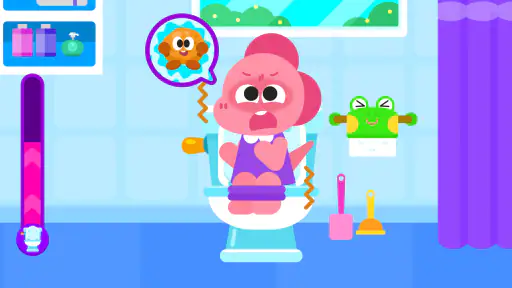
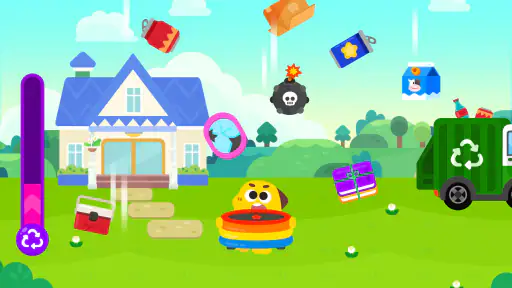
The app’s charm lies in its interactive gameplay. Kids are instantly drawn to its vibrant graphics and engaging characters, which transform learning into an enjoyable experience. It’s like having a personal tutor who’s fun, energetic, and always ready to cheer your child on. The mini-games are cleverly designed to teach kids about using the toilet, washing hands, and other daily routines.
User-Friendly Interface
One of the standout features is its user-friendly interface. Navigating through the app is a breeze, and even the littlest fingers will find it simple to use. The clear instructions and intuitive design help kids focus more on learning rather than figuring out what button to press next.
Why Kids Love It
Children love rewards, and Cocobi Good Habits knows this all too well. The app incorporates a reward system that encourages kids to complete tasks. Every time they succeed, there’s a little celebration, a pat on the back, if you will, which is a huge motivation booster for them.
Parents’ Perspective
From a parent’s point of view, the app is an absolute gem. It’s not just about keeping the kids entertained; it’s about teaching them invaluable life skills. Plus, parents can monitor their child’s progress, making it easy to see which areas need more focus. The relief of having an ally in the potty-training saga is priceless.
Room for Improvement?
While the app is a fantastic tool, a few tweaks could make it even better. Some parents might find the voiceovers a tad repetitive, and an option to customize them or add new ones could be a welcome addition. Also, adding more languages could broaden its appeal to non-English speaking users.
My overall view is that this is an educational game with a clear, everyday subject, made by KIGLE. Its current version is 1.0.8, it was released on November 11, 2024, and it is free to try, with optional in-app purchases priced at $1.99 per item. The 3.8 average from around 735 ratings and more than 1 million installs offer useful context, but neither can predict whether a particular child will enjoy it. I’d treat a first session as a low-pressure trial, not as a commitment to make it part of every day.
Small choices that make a session work better
For a first try, I’d sit with the child and let them explore at their own pace rather than turning the activity into a lesson with a right answer. If a routine comes up in play, connect it to one simple real-world step and leave it there. Too many instructions at once can make an ordinary habit feel like a performance. A short, relaxed exchange is more useful than repeatedly asking the child to demonstrate what they remember.
On a device used by adults as well as children, I’d also handle purchases before handing it over. The game is free, but optional items cost $1.99 each, so an adult should check the device’s purchase settings and be ready to manage any prompt. That is a practical boundary, not a reason to avoid the game; it simply prevents a young child from making a decision they are not equipped to understand.
What the game can—and cannot—stand in for
One question caregivers may have is whether this can replace books or direct teaching. I wouldn’t use it that way. A game can make a topic feel approachable and offer playful repetition, while an adult can adapt explanations to the child’s questions, timing, and comfort. A book may be better for a quiet bedtime conversation, and a visual chart may be easier to keep beside the bathroom. The best choice depends on what the child responds to and what the adults can use consistently.
Another reasonable question is whether the game is suitable for an older child. Its broad Everyone rating is reassuring as a content label, but the subject and playful presentation are clearly aimed at young children. An older child who wants more independent or detailed instruction may find it too simple; I’d choose a resource matched to their needs rather than expecting this one to stretch with them.
Who should pass, and what to look for instead
I’d pass if the household is trying to reduce screen use, if a child finds character-led prompts irritating, or if a caregiver expects a digital activity to solve persistent toileting difficulties. In those situations, calm routines and direct support are a better starting point. If the child has pain, distress, or a change that worries the family, a game is not the right place to look for guidance; speak with an appropriate health professional.
For households that do try it, I’d judge success by whether the game makes a useful conversation easier—not by how often the child plays or by progress within the game. That distinction protects the child from pressure and helps adults keep expectations realistic. If interest drops, there is no need to insist; a story, a familiar reminder, or simply doing the routine together may work better that day.
A practical household verdict
My recommendation is cautious but positive for families who want a small, supervised screen activity around daily habits. It is best treated as one option in a household toolkit: useful for a child who enjoys interactive play, less compelling for a family seeking detailed parent controls, individualized coaching, or a screen-free approach. The game’s accessible premise gives adults an opening, but the meaningful teaching still happens through patient practice and consistent support away from the device.
As an educational game in the Everyone age group, Cocobi Good Habits -Kid Toilet can be worth trying when its playful style suits the child and a caregiver is ready to guide the transition from screen to real life. Keep sessions intentional, keep purchase decisions with an adult, and let the child’s comfort set the pace. Used that way, it can be a friendly prompt—not a promise of quick results or a replacement for the grown-up beside the child.
Cocobi Good Habits -Kid Toilet Frequently Asked Questions
Is Cocobi Good Habits - Kid Toilet free to download, and are purchases offered?
Cocobi Good Habits - Kid Toilet is free to download, so families can try the game without an upfront payment. It also offers in-app purchases priced at $1.99 per item. If a child uses the device independently, parents may want to review purchase settings beforehand and supervise any prompts, helping keep the experience focused on the toilet-habit activities.
What devices can run Cocobi Good Habits - Kid Toilet?
Cocobi Good Habits - Kid Toilet is available for Android devices running Android 7.0 or later. Before downloading, check the operating system version on the device your child will use, since an older version may not meet the minimum requirement. The game is also available for iOS, so families can choose a compatible device that suits their routine.
What is Cocobi Good Habits - Kid Toilet and how does it help children?
Cocobi Good Habits - Kid Toilet is an educational game designed to help young children learn and develop good toilet habits. Through interactive activities, engaging animations, and fun rewards, the game guides children step-by-step in toilet training. It aims to make this essential developmental milestone enjoyable and stress-free for both children and parents.
Is Cocobi Good Habits - Kid Toilet suitable for all age groups?
Cocobi Good Habits - Kid Toilet is primarily designed for toddlers and preschoolers, typically those aged between 2 to 6 years old. The game uses age-appropriate language and interactive elements that cater to the learning styles and attention spans of young children, making it an ideal tool for parents looking to start toilet training. Its content rating is Everyone.
Does the app require parental guidance and supervision?
While Cocobi Good Habits - Kid Toilet is designed to be child-friendly and easy to navigate, parental guidance is recommended, especially for first-time users. Parents can assist their children to understand and follow the game's instructions, ensuring a smooth and effective toilet training experience. Furthermore, parents can monitor progress and reinforce learning with real-life practice.
Pros
- Engaging animations for kids
- Interactive lessons on hygiene
- Easy to navigate for children
- Free of ads
- Encourages positive habits
Cons
- Limited language options
- Requires internet connection
- Lack of parental controls
- Can be repetitive
- In-app purchases available

- Category
- Educational
- Version
- 1.0.8