Little Panda's Chinese Recipes
- 1.59K
- 4.4
- Installs
- 100.00M
- Price
- Free

Screenshots





Analysis by Reviewed
I judge a children’s game by what happens after the first burst of curiosity: does it give a child a reason to return, and can it fit into an ordinary day without turning into a chore for an adult? Little Panda's Chinese Recipes makes a cheerful first impression by pairing pretend food preparation with cultural learning. In my view, its strongest role is as a short, guided activity for a child who enjoys tapping through steps—not as a replacement for hands-on cooking or a deep lesson about Chinese cuisine.
Why the first few sessions work
The appeal is easy to understand. The game turns familiar cooking actions into small interactive tasks, so a child can follow along without needing to read a recipe or manage a complicated menu. That makes it especially handy during a quiet stretch at home: while dinner is being prepared, for example, a child can play through a dish and talk about what the panda chef is doing.
I’d use it as a conversation starter rather than leave it to do all the teaching. Ask the child to describe the ingredients or the next step, then connect the pretend dish to a real meal if one comes up naturally. This gives the activity a little more staying power without making it feel like a lesson. The game itself is virtual, so children can explore cooking motions without handling kitchen tools or heat.
What gives it value beyond novelty
For families looking for an educational game, the useful distinction is that this one anchors learning in food and actions rather than quizzes or flashcards. The cultural details and stories give parents a natural opening to discuss unfamiliar dishes, while the step-by-step play can suit children who like clear sequences. Compared with a general cooking game, its Chinese food focus gives the play a more specific theme; compared with a straightforward learning app, it feels more like making something than answering questions.
That focus is also a limit. A child who mainly wants open-ended building, fast challenges, or a wide range of unrelated activities may tire of following recipe steps. And a child hoping to learn practical cooking skills will need an adult and a real kitchen activity alongside it: tapping through virtual preparation is not the same as measuring, tasting, or handling ingredients.
A low-effort routine, with a few checks
As a parent or caregiver, I’d keep the sessions short and let the child choose when to stop, rather than present the game as a daily assignment. A useful routine is to play one recipe, ask what was most surprising, and leave the real-world follow-up for another time. That keeps the game from carrying the whole burden of cultural education and makes it easier to notice whether interest is still genuine.
The game is free to start, but it includes optional in-app purchases, so I’d check purchase settings before handing a device to a child. It is rated for everyone, and BabyBus is the developer. Its average rating is 4.4 from around 169,000 ratings, with over 100 million installs, which suggests broad reach but does not tell me whether a particular child will keep enjoying it. The current version is 8.73.10.00, and it requires Android 6.0 or later.
More From Our News Desk

Weather by Xiaomi Review: Clear at a Glance, Less Clear Up Close

X Under Pressure: Can It Recover When Posting Goes Wrong?

Clash of Clans Is Won Between the Battles

Android Auto Makes the Case for Quieter Car Software

MobiOffice: Transforming Mobile Productivity with Seamless Integration

EA SPORTS FC™ Mobile Soccer: Redefining Mobile Sports Gaming
How it feels once the first-week excitement fades
Over time, the question is whether the child returns because the cooking play still interests them or only because the characters and colors are new. I would treat it as a useful option to keep available, not an app that must become part of a routine. If a child starts skipping the instructions or asks for a different kind of play, there is little reason to push it; a hands-on cooking activity with an adult, a storybook about food, or a broader creative game may be a better fit that day.
A Journey Through Chinese Cuisine
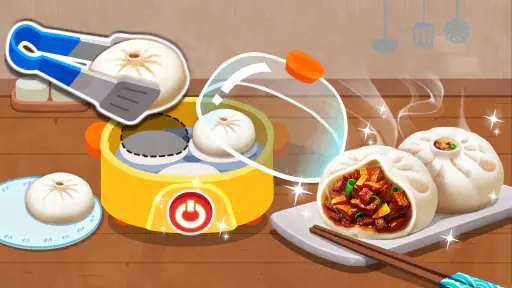
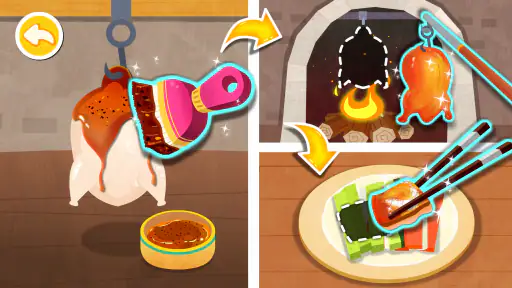
Now, onto the main course! Little Panda's Chinese Recipes offers a delightful menu of traditional Chinese dishes. From dumplings to sweet rice balls, each recipe is presented with step-by-step instructions. And trust me, these aren't your average cooking instructions. The app makes use of interactive animations, which makes the whole experience feel like a fun game rather than a cooking lesson.
Kids can tap and swipe to mix ingredients, roll dough, and even simulate frying in a pan. It’s engaging and educational, subtly introducing them to Chinese cooking techniques and ingredients. Plus, there’s a little panda chef that pops up to offer tips and encouragement, adding to the charm.
A Dash of Cultural Education
Beyond just cooking, the app sprinkles in cultural tidbits about each dish. It’s like a mini cultural immersion session, where kids can learn about the significance of each recipe in Chinese culture. This is a brilliant way to spark curiosity and foster an appreciation for diversity in young minds.
The app also incorporates a bit of storytelling, with the little panda sharing tales about the dishes. This storytelling aspect is not only entertaining but also reinforces memory retention, making the experience both enjoyable and educational.
Why It Works
What makes Little Panda's Chinese Recipes a standout is its ability to blend fun, education, and culture seamlessly. It’s not just about cooking; it’s about learning, exploring, and connecting with another culture through food. And let’s be honest, food is one of the best ways to learn about a culture, right?
Another thing I appreciate is the app’s focus on safety. Since it’s designed for kids, it cleverly avoids any dangerous elements of cooking, like sharp knives or hot stoves. Everything is virtual, yet it doesn’t feel any less authentic.
Wrapping It Up
In a world where screen time is often criticized, Little Panda's Chinese Recipes offers a positive spin. It’s an app that not only entertains but educates, making it a great choice for parents looking to add a little more substance to their kids’ screen time.
So, if you’re on the lookout for an app that’s fun, educational, and a little bit different, give this one a try. It might just become a favorite for you and your little ones.
Where it fits in an ordinary week
I can see this working particularly well in the small gaps that are awkward to fill: a rainy afternoon, a wait at home while an adult finishes a task, or a calm activity before moving on to something else. It asks for attention, but its recipe format gives a child a clear beginning and a natural stopping point. That is more manageable than handing over a game built around endless rounds when you want screen time to stay brief.
For a child who likes copying actions, the tap-and-swipe preparation can also be a useful prompt for pretend play away from the screen. After a session, offer paper and crayons to draw the dish, or let the child explain the order of steps using toy food. I would keep this optional: the point is to let the game open a conversation, not turn every play session into a craft assignment.
Making the most of the recipe format
A small practical tip is to let the child lead the recap instead of testing them. Asking “What happened next?” or “Which part would you try again?” makes it easier to see whether they are following the sequence and enjoying it. If they only want to tap quickly through the animations, that is useful information too; it may mean they are treating it as a playful distraction rather than seeking the cultural side.
Another helpful approach is to connect only what is genuinely familiar. If a dish or ingredient resembles something the family eats, talk about the similarities and differences without suggesting that a virtual version teaches the full recipe. This keeps the cultural conversation curious and respectful, while avoiding the impression that a handful of game interactions can stand in for a broader understanding of Chinese food traditions.
Who is likely to keep coming back
I’d recommend trying it with younger children who enjoy guided pretend play, simple cause-and-effect actions, and watching a task unfold in order. It may also suit a child who is curious about food but not yet ready to help in a real kitchen. Because the activity is virtual, an adult can offer it as a safer way to explore the idea of preparation before deciding whether to involve the child in age-appropriate kitchen tasks.
It is less compelling for children who want a sandbox with lots of freedom, a competitive goal, or a steady stream of new mechanics. Likewise, if the main aim is to teach reading, arithmetic, or practical nutrition, I would choose an app built specifically around that skill and use this one as an occasional themed game. Its educational value comes through food, sequence, and cultural curiosity, not a broad curriculum.
What to expect from the free starting point
The game is free, with optional purchases priced from $0.99 to $41.99 per item. Since children can be quick to tap through prompts, I’d look over the purchase controls on the device before letting them play independently. The safest household routine is to make clear that buying anything requires an adult, rather than relying on a child to distinguish a game action from a purchase prompt.
It was released on December 23, 2015, and its current version is 8.73.10.00. Those details make it a longstanding title rather than a brand-new experiment, but I would still judge it by how it behaves on the device and by the child’s response, not by age or popularity alone. On iOS, check the relevant store’s device requirements before installing; the Android minimum is version 6.0.
How it compares with other children’s games
Many cooking games put the emphasis on speed, serving customers, or juggling several orders. This one is a gentler fit when the goal is to follow a food-preparation sequence and talk about what is happening. On the other hand, children who like pressure, scores, or restaurant-style management may find that slower, guided rhythm less exciting than a more challenge-focused cooking game.
Against general educational apps, its advantage is that the learning is attached to a pretend activity rather than presented mainly as a question to answer. The trade-off is narrower scope: it has a recognizable food theme, so it will not replace a collection of games covering different subjects. I would pick it when a child is interested in cooking or unfamiliar dishes, and switch to a broader learning app when the need is varied practice across topics.
When interest starts to fade
The clearest sign that the game has run its course for now is not a particular amount of play but a change in the child’s attention: they rush through every step, stop asking about the food, or repeatedly ask to switch activities. I would respond by putting it aside without making a point of finishing every recipe. A title meant to support relaxed play should not become another task that the child has to complete.
There can also be a mismatch between an adult’s hopes and a child’s reason for playing. A caregiver may be drawn to the cultural theme, while the child simply likes the animations and panda character. Both are valid, but they lead to different expectations. If you want discussion, join in and ask open questions; if the child just wants a quiet few minutes, it is fine to let the play remain light.
A realistic way to decide whether to keep it
Rather than building a daily habit around it, I’d try it at a few naturally occurring moments and notice whether the child chooses to return without prompting. A weekend meal that includes a familiar or new dish can provide an easy follow-up, but it need not be planned around the app. If the child brings up a recipe later, that is a stronger sign of lasting interest than simply replaying because the game is available.
For households managing several children, it can also work as a turn-taking activity: one child handles the on-screen steps while another predicts what might happen next. That gives the game a social use without needing extra modes or features, though it depends on the children being happy to share control. If disagreements over whose turn it is outweigh the enjoyment, solo play or a different shared activity will be easier.
My longer-term recommendation
I would keep it as an optional part of a child’s game collection rather than a permanent fixture that needs regular use. Its specific blend of food preparation and cultural storytelling gives it a clearer identity than a generic tap game, and the guided pace can be a welcome contrast to faster, noisier alternatives. The strongest value comes when an adult occasionally joins the conversation, not when the app is expected to teach everything on its own.
In the end, this is a good fit for a child who enjoys orderly, imaginative cooking play and for an adult who is comfortable treating the cultural material as a starting point for conversation. It is not the best choice for open-ended play, a serious cooking lesson, or a wide-ranging educational program. I’d give it a try, watch for genuine interest after the novelty settles, and let that—not the download count or the wish to establish a routine—decide whether it deserves a lasting place on the device.
Little Panda's Chinese Recipes Frequently Asked Questions
What should parents check before letting a child play Little Panda's Chinese Recipes?
Before handing over the device, parents can check that the game suits the child’s interests and that the device meets the system requirement. Little Panda's Chinese Recipes is an educational cooking game from BabyBus, focused on following recipes and making Chinese food. The game is rated Everyone, and parents can also review purchase controls on the device before a child starts playing.
What kind of activities can children expect in this game?
The central activity is following recipes and making Chinese food in a cooking-game setting. Children can explore ingredients and cooking steps while creating virtual dishes, so the experience is centered on food and interactive play rather than broad lessons across many school subjects. It may appeal to kids who enjoy pretend cooking and trying out recipe-based activities.
Is Little Panda's Chinese Recipes free to download, and are there optional purchases?
Little Panda's Chinese Recipes is free to download, so families can try the cooking game without an upfront payment. It also offers in-app purchases, with individual items ranging from $0.99 to $41.99. If children use the device, parents may want to review purchase settings and supervise any spending so that optional extras are chosen intentionally.
What devices can run Little Panda's Chinese Recipes?
The game is available for Android devices running Android 6.0 or later. Before downloading, check the operating system version on the device your child will use, as an older version may not be compatible. Little Panda's Chinese Recipes is an educational cooking game from BabyBus, designed around following recipes and making Chinese food.
What is Little Panda's Chinese Recipes app about?
Little Panda's Chinese Recipes is an educational app designed for children to learn about Chinese cuisine. It allows kids to explore various recipes, ingredients, and cooking techniques in a fun and interactive way. Through engaging gameplay, children can create virtual dishes while learning about cultural traditions and culinary skills.
Pros
- Interactive cooking steps engage young users.
- Bright visuals capture children's attention.
- Includes a variety of traditional recipes.
- Encourages learning through play.
- Safe and child-friendly environment.
Cons
- Limited replay value after mastering recipes.
- Requires internet for additional content.
- May not appeal to older children.
- In-app purchases can be frustrating.
- Occasional repetitive background music.
- Category
- Educational
- Version
- 8.73.10.00