Little Panda: Princess Makeup
- 661.00
- 3.8
- Installs
- 100.00M
- Price
- Free
Screenshots
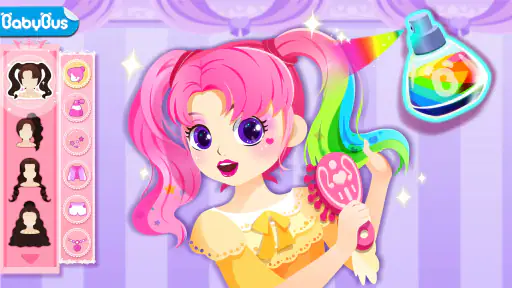
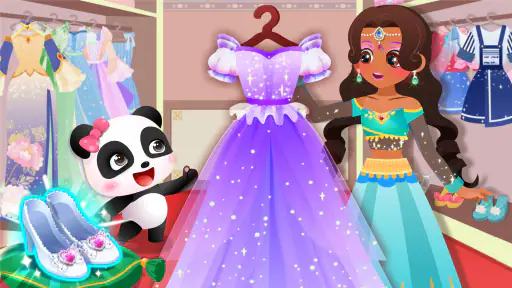
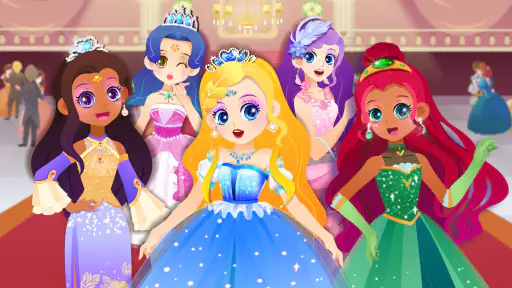
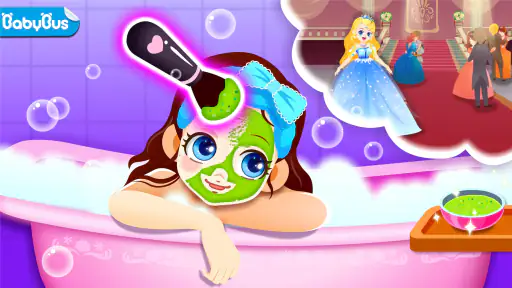
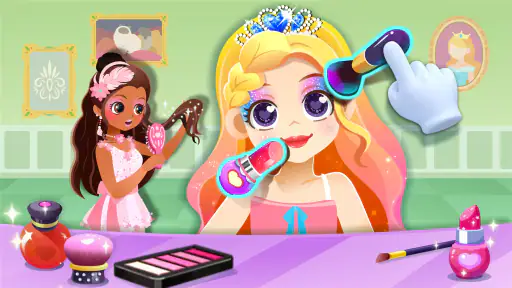
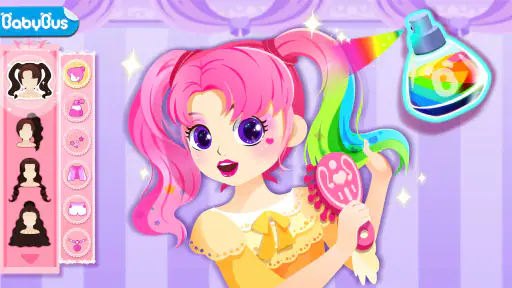
Analysis by Reviewed
I see Little Panda: Princess Makeup as a small, playful dress-up game rather than a deep lesson in cosmetics. Its appeal is the freedom to try colors and accessories without making a real-world mess, which suits short, supervised play sessions. The game is from BabyBus, a familiar name in children’s apps, and its simple premise makes it easy to understand even for a young player who is not ready for more complex games.
Who will enjoy the makeover play
The best fit is a child who likes choosing looks, matching colors, and inventing a character’s style. A parent can also use it as a calm activity while waiting at an appointment or winding down before dinner: let the child choose a look, then ask what made that combination feel right for the party. That turns a few minutes of tapping into a small conversation about color and personal taste, without pretending the game is a formal art lesson.
Compared with open-ended drawing apps, this is more guided: the focus stays on styling a princess rather than making any picture from scratch. Compared with broader dress-up games, the makeup theme is the main draw. That focus is helpful for a child who already enjoys pretend beauty routines, but it may feel narrow to someone who wants puzzles, a story, or a wider range of activities. I would skip it for children who are not interested in fashion play or who become frustrated when a game centers on selecting and adjusting visual details.
Reads About Little Panda: Princess Makeup
How to make a short session feel worthwhile
A useful everyday approach is to treat the makeover as a tiny creative prompt rather than a task to complete. Before handing over the device, ask the child to imagine where the princess is going and choose one detail that suits that idea. For example, while waiting for food at a café, a child might pick a party look and explain which colors feel festive. That gives the play a natural stopping point: once the look feels finished and the child has shared the idea behind it, it is easier to put the device away without turning the session into an endless search for another option.
It can also help to let the child lead while you act as an interested audience, not a stylist correcting their choices. Asking “Which part would you keep if you changed the rest?” encourages them to notice their own decisions. This is a more useful way to share the game than telling them which colors match. The value is not that the game teaches a rule about beauty; it is that its focused visual choices can prompt conversation and give a child room to make a small decision independently.
Getting Started with Little Panda: Princess Makeup
As soon as I downloaded Little Panda: Princess Makeup, I was greeted with a vibrant and colorful interface that immediately caught my attention. The app is incredibly user-friendly, making it easy for kids to navigate through the different options. It’s like stepping into a rainbow castle full of endless possibilities. The app doesn't require any complicated setups, so you can jump right into the fun!
Features That Sparkle and Shine
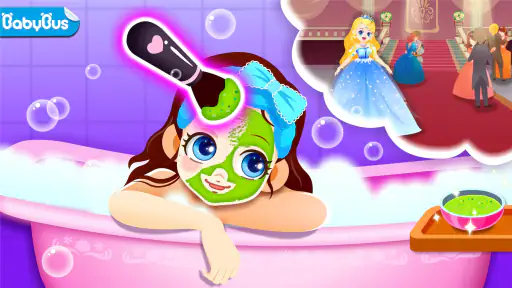
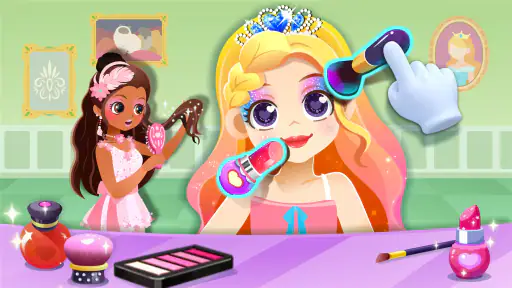
One of the first things that stood out to me was the variety of makeup tools available. From lipsticks to eye shadows, and even a selection of fancy hairstyles, the app offers a plethora of options to create your dream princess look. I loved playing around with the different colors and styles, and the app even lets you save your creations! It's like having a mini makeup studio at your fingertips.
More From Our News Desk

Clash of Clans Is Won Between the Battles

Android Auto Makes the Case for Quieter Car Software

MobiOffice: Transforming Mobile Productivity with Seamless Integration

EA SPORTS FC™ Mobile Soccer: Redefining Mobile Sports Gaming

How Microsoft OneDrive Became a Mobile Productivity Giant
How Google Translate Breaks Language Barriers Effortlessly
A useful way to get more from that freedom is to give each makeover a simple theme before starting: a party look built around one color, or a hairstyle chosen first and makeup matched afterward. This helps children make deliberate choices instead of tapping through options at random. Saving a creation can also give them a reason to compare two ideas and explain which one they prefer, making the play feel more satisfying than simply finishing a look and moving on.
For a child who tends to get stuck between many visual choices, I would introduce just one decision at a time: choose a hairstyle first, then pick makeup that seems to go with it, and finish with an accessory. This simple sequence turns a broad set of options into a manageable little process without taking away the freedom to change direction. It is also a useful way to spot what the child enjoys most. If they like planning combinations, the game may hold their attention; if they only want to tap quickly through every choice, a more active game could be a better fit.
Because the game allows saved creations, I would use that option as a stopping point rather than a reason to keep playing indefinitely. A child can save a favorite look, show it to a family member, and return to the activity another time with a different idea. That makes the feature useful for short sessions and gives the child something concrete to talk about afterward. It is a small distinction, but it helps the game fit into a routine instead of becoming background screen time.
Besides the makeup, the app also includes accessories like tiaras and earrings that add an extra layer of glam to your princess. The attention to detail in each accessory and makeup item is impressive, giving a real sense of creativity and freedom to express your style.
A Safe and Educational Experience
As a parent, safety is always a concern when it comes to apps for kids. Luckily, Little Panda: Princess Makeup is designed with safety in mind. The app is free from ads that could lead children astray and doesn’t require any in-app purchases, so parents can rest easy knowing their kids are having safe and productive screen time.
Parents should still keep an eye on the purchase settings: the game is free to play, but it offers in-app purchases priced from $1.99 to $3.99 per item. The age rating is Everyone, and I would treat that as a broad suitability label rather than a replacement for checking whether the makeup theme fits your child. A practical approach is to explore the game together first, then decide whether it works as an independent activity for your household.
It also helps to set expectations around what “educational” means here. The creativity comes from choosing and combining visual elements, not from structured instruction about makeup or a step-by-step curriculum. If you want a child to practice drawing, writing, or solving problems, a dedicated learning game is a better match. If the goal is imaginative styling and low-pressure experimentation, this narrower activity makes more sense.
The game has an average rating of 3.8 from around 159,000 ratings, and it has passed 100 million installs. Those figures suggest that many families have tried it, though popularity alone does not tell you whether its particular style will hold your child’s attention. It was released in July 2019, and version 8.72.00.01 requires Android 5.0 or later. For a parent deciding whether to install it, the key question is less about its reach and more about whether a focused princess makeover is the sort of play their child returns to.
For a household comparing children’s apps, the main trade-off is focus. Many educational games make progress depend on answering questions or completing a sequence of activities; this one is better understood as creative pretend play. It does not compete with a drawing app on the freedom to make anything, nor with a puzzle game on problem-solving. Its niche is the middle ground: a child gets a defined character and a set of styling choices, with enough room to experiment but less open-endedness than a blank canvas. That can be a welcome constraint for a young player who finds a completely empty drawing screen overwhelming.
Moreover, the app encourages creativity and helps kids develop their artistic skills. It’s a wonderful way for them to experiment with colors and styles, promoting a healthy sense of imagination. The interactive nature of the app keeps kids engaged and excited to try new things, which is a bonus in my book!
Where the experience has limits
The same simplicity that makes the game approachable can also limit its staying power. Children who want a changing challenge, a longer narrative, or a reason to progress through increasingly difficult tasks may run out of reasons to return once they have tried the available styling choices. This is best treated as a casual creative toy, not as a game that promises a substantial adventure or a substitute for varied offline play.
There is also a difference between choosing from visual options and creating something from scratch. A child who wants to draw faces, design clothes, or build an original scene may find the makeover format restrictive after the novelty wears off. In that case, a drawing app or a broader creative game is likely to offer more room to make personal choices. Likewise, children who enjoy a clear goal and feedback may be happier with a learning game built around puzzles or short challenges. I would choose this one for styling, not as an all-purpose activity for every mood.
Another practical point is that the princess-and-makeup theme will not suit every family or child. The play can be enjoyable as color and costume experimentation, but it is still centered on appearance. Parents who would rather steer screen time toward storytelling, building, or non-fashion creativity may prefer a different option. There is no need to make the game carry a broader educational purpose than it has; its strongest use is a light, imaginative diversion that a child can enjoy on its own terms.
For a smoother first session, I would sit with the child long enough to show how to move between styling choices and save a look, then let them take over. If they keep switching options without settling on anything, suggest a small theme rather than choosing for them. That preserves the sense of ownership while giving the activity a gentle direction. It is also an easy way to see whether they enjoy the creative process itself or mainly need a different kind of game.
Final Thoughts on Little Panda: Princess Makeup
All in all, Little Panda: Princess Makeup is a delightful app that brings the fun of makeup and dress-up to life in a safe and educational way. It’s perfect for kids who dream of becoming a princess and for parents who want a wholesome and entertaining app for their little ones. The app combines creativity, education, and fun, making it a must-have for any young princess-in-training.
So, if you're looking for an app that will keep your kids entertained while also nurturing their creative side, give Little Panda: Princess Makeup a try. You'll be amazed at the royal creations your little ones will come up with!
My recommendation is specific: try it if your child enjoys visual makeovers and you want an uncomplicated activity for a short break. Look elsewhere if you need structured lessons, varied challenges, or a broader mix of play. It is free to start, but remember that optional purchases are available; with that in mind, a quick parent-and-child trial is the clearest way to judge whether its focused creative play is a good fit.
A sensible way to decide
If you are unsure whether it will suit your child, I would make the first try short and pay attention to how they use the choices. Do they pause, compare, and enjoy explaining their decisions, or do they lose interest once they have tried a few options? That observation is more useful than expecting every child to respond the same way. A child who likes visual detail may return to the saved looks and invent new themes, while another may prefer a game with a clearer objective or a more varied pace.
My overall view is that this game earns its place as a small, focused creative option, not as a complete children’s entertainment package. The best reason to choose it is the simple pleasure of shaping a princess’s look and sharing the result. For a child who enjoys that kind of pretend play, it can be an easy, low-pressure choice; for everyone else, a different style of game will likely be more rewarding.
Little Panda: Princess Makeup Frequently Asked Questions
What kind of play does Little Panda: Princess Makeup offer?
Little Panda: Princess Makeup is an educational game centered on creative dress-up play. Its main idea is to help prepare a princess for a party, giving children a playful makeup-artist role. It may suit kids who enjoy trying different looks and using their imagination, while parents can decide whether this style of fashion-focused activity fits their child.
Who develops Little Panda: Princess Makeup, and what age rating does it have?
BabyBus develops Little Panda: Princess Makeup, and the game is rated Everyone. That rating makes it a broadly family-oriented choice, although every child is different and parents may still want to check the game themselves before handing over a device. Its simple princess-preparation theme is aimed at young players who enjoy makeup and dress-up activities.
Is Little Panda: Princess Makeup free to download, and what might cost extra?
Little Panda: Princess Makeup is free to download, so families can try the game without paying upfront. It also offers optional in-app purchases, priced at around two to four dollars per item, for players who want to access additional content. Parents may wish to check purchase settings on the device and agree on a plan with children before play.
What is Little Panda: Princess Makeup about?
Little Panda: Princess Makeup is a delightful mobile game designed for children, particularly those who enjoy fashion and creativity. In this game, players assist a little panda in getting ready for a royal event by applying makeup, choosing dresses, and styling hair. It fosters creativity and provides an engaging platform for kids to explore different fashion combinations in a fun, interactive way.
Is Little Panda: Princess Makeup safe for children?
Yes, Little Panda: Princess Makeup is designed with child safety in mind. The game features a user-friendly interface suitable for young players and includes parental controls to ensure a safe gaming environment. There are no inappropriate ads or content, making it a safe choice for children to enjoy while developing their creative skills. Parents can also review the device’s purchase permissions, since optional in-app purchases are available.
Pros
- Engaging gameplay for children.
- Bright and colorful graphics.
- Educational content included.
- Simple and intuitive controls.
- Regular updates with new content.
Cons
- In-app purchases can be costly.
- Requires internet connection.
- Advertisements can be intrusive.
- Limited free content available.
- May not hold older kids' interest.
- Category
- Educational
- Version
- 8.72.00.01