Cocobi Hospital - Kids Doctor
- 51.00
- 3.7
- Installs
- 10.00M
- Price
- Free

Screenshots


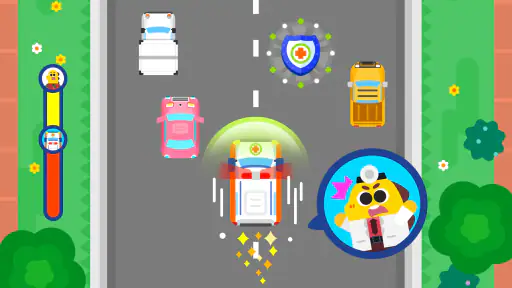
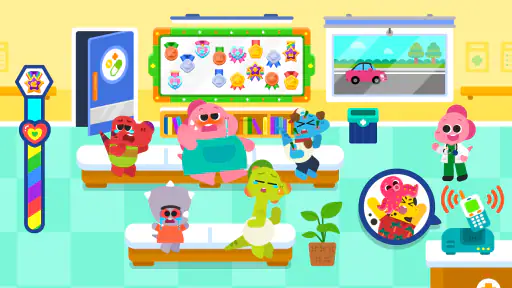
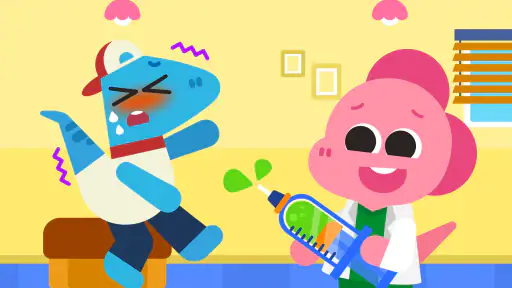

Analysis by Reviewed
I’d approach Cocobi Hospital - Kids Doctor as a small pretend-play activity for a child who likes caring for characters, not as a substitute for a health lesson or a way to prepare for every part of a medical appointment. Its most useful moments may happen beside the game: a parent can ask what a pretend patient might need, let the child explain their choices, and use the play to make a checkup feel less mysterious.
That also sets a sensible expectation around spending and progress. The game is free to download, while in-app purchases cost $1.99 per item; that tells me there may be paid choices, but not what each one contains or whether a child will want it. I’d check purchase settings before handing over a device and let the child’s interest in the basic play guide whether the game earns a place in the routine.
Welcome to Cocobi Hospital!
First things first, let's chat about what Cocobi Hospital - Kids Doctor is all about. Picture this: a colorful, animated hospital filled with adorable characters who need a little help to get back on their feet. The app offers a variety of medical scenarios where kids can step into the shoes of a doctor and explore the ins and outs of healthcare.
KIGLE made this as a free educational game, and its audience is clearly young children: the age rating is Everyone. It has a 3.7 average from around 3,300 ratings and more than 10 million installs, so it has reached a sizable audience, though those figures alone don’t tell me whether a particular child will enjoy it. The game first appeared on August 1, 2022, and version 1.0.38 is listed for devices running Android 7.0 or later.
Gameplay and Features
The app is designed with kids in mind, offering an intuitive interface that even the youngest users can navigate with ease. It's packed with mini-games that simulate different medical procedures, from treating a common cold to more complex surgeries. Each game is a blend of education and entertainment, ensuring that your child learns something new while having a blast.
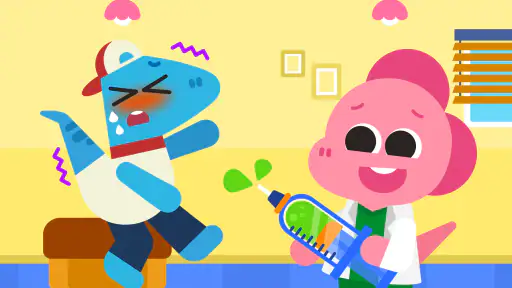
One of the coolest features is the interactive play area where kids can practice their skills. They get to use virtual stethoscopes, thermometers, and even syringes. It's a playful way to introduce them to the tools of the trade without the real-life stress of a doctor's visit.
For a parent, a useful way to make the play more thoughtful is to ask the child to explain what they are doing instead of simply rushing through the actions. That turns a quick round into a chance to practice describing symptoms, taking turns, and showing care. I’d keep the conversation light, though: the game is pretend play, not medical guidance, and children should still rely on a trusted adult for real health concerns.
More From Our News Desk

Clash of Clans Is Won Between the Battles

Android Auto Makes the Case for Quieter Car Software

MobiOffice: Transforming Mobile Productivity with Seamless Integration

EA SPORTS FC™ Mobile Soccer: Redefining Mobile Sports Gaming

How Microsoft OneDrive Became a Mobile Productivity Giant

How Google Translate Breaks Language Barriers Effortlessly
Visuals and Sound
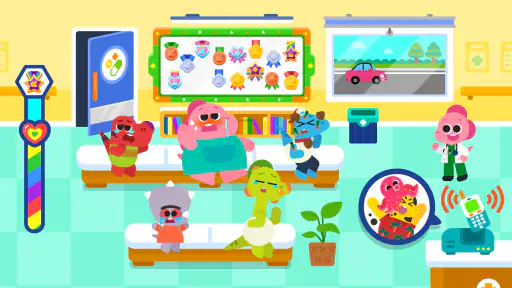
The graphics are vibrant and engaging, with a cartoonish style that appeals to young eyes. Each character is beautifully animated, making the hospital setting feel alive and bustling. The sound effects and background music are cheerful and add to the immersive experience. It's like stepping into a whimsical medical world, where healing is just a game away.
The bright presentation is likely to suit children who enjoy characters and pretend-play settings more than children who want realistic medical detail. If your child is sensitive to busy visuals or sound, try the game together first and see how they respond. That small check is more useful than assuming every young player will find a lively hospital scene relaxing.
Learning Through Play
What I love about Cocobi Hospital - Kids Doctor is its educational value. The app gently introduces kids to the concept of healthcare, teaching them basic medical knowledge and empathy. It's a fantastic way to spark curiosity about the human body and the importance of taking care of oneself and others.
The app also encourages problem-solving and critical thinking. As kids progress through different levels, they're challenged to diagnose and treat various ailments, honing their decision-making skills in a playful environment.
Compared with a coloring app or a simple matching game, this hospital role-play gives a child a more active part: they respond to a character and act out care. Compared with a detailed science or anatomy app, it is better approached as imaginative play than as a source of precise instruction. I’d choose it for a child who likes helping characters and following simple scenarios; a child looking for open-ended building, fast action, or deeper explanations may be happier with a different kind of game.
A realistic use is a quiet stretch at home when a child wants to play independently but still benefits from a parent nearby. I’d start by exploring together, then let the child take the lead and explain the pretend treatment. If they lose interest once they have seen the scenarios, there is no need to push it as a learning routine; its value depends on whether the role-play continues to feel enjoyable to them.
Making the Play Work for Your Household
For a practical first session, I’d sit with the child long enough to see how they move through the hospital activities, rather than assuming the interface will be obvious to every age and temperament. Once they understand the basic rhythm, stepping back gives them room to make choices. If they ask for help, I’d turn that into a prompt—“What do you think the character needs next?”—instead of taking over the task. This keeps the child in charge of the pretend care without pretending the game is teaching a real diagnosis.
The game may also work as a short bridge into conversation when a child is curious or uneasy about a routine visit. I would not use it to promise that an appointment will feel the same as the game; real clinics involve people, sensations, and decisions the play cannot represent. But a child can use the pretend setting to name a worry or ask what a thermometer is for, giving an adult a natural opening to answer in age-appropriate language.
It is less suitable as a hands-off distraction if the child is likely to tap purchase prompts or become frustrated when an activity does not behave as expected. In that situation, I’d stay nearby or choose a simpler, purchase-free activity. A caregiver who needs a game to occupy a child without supervision should be cautious: an Everyone rating is useful context, but it does not tell you whether the interaction, spending options, or lively presentation suits your particular household.
Spending, Progress, and Choice
The game is free to download, with in-app purchases priced at $1.99 per item. That gives families a clear reason to check purchase settings before handing over a device, especially if a child can tap through menus without help. I would treat the free entry point as a chance to see whether the play suits your child before deciding whether any paid item is worth considering.
There is a trade-off here: a free game with optional purchases can be easy to try, but a child may ask for something they see in the app. I can’t judge the value of a particular item without knowing what it contains, so I wouldn’t promise that spending improves the experience. If you prefer games with no in-app spending at all, a fully paid or purchase-free alternative may fit your household better.
For fairness, I’d also separate the game’s educational theme from any expectation that progress reflects real learning. Pretending to diagnose a cartoon character can encourage curiosity and empathy, but it is not a measure of medical knowledge. Parents looking for a lesson plan, accurate health reference, or an activity tied to schoolwork should use a dedicated educational resource instead.
What to Expect Before Choosing
A natural question is whether this is better for solo play or for a parent-and-child activity. I see value in both, but the first few minutes are more useful with an adult present: you can gauge whether the child understands the actions, finds the hospital theme comfortable, and needs help navigating. After that, a child who is confident with the controls may enjoy taking the lead while an adult remains available.
Another reasonable question is whether the game can teach a child what to do when someone is genuinely unwell. I would not rely on it for that. Its pretend medical scenarios can prompt talk about care, but real symptoms and treatment belong with a trusted adult and appropriate medical professionals. If your goal is accurate health guidance, choose a resource designed for that purpose and use this game only as make-believe.
Families may also wonder whether it is worth paying for anything after downloading it. I’d decide only after seeing how often the child returns to the free play and what a particular paid choice offers in the moment. The listed price is $1.99 per item, but price alone cannot establish value; I would avoid buying simply because a child asks during play, and instead review the choice together outside the excitement of the game.
Finally, if your child prefers puzzles, creative construction, or direct factual explanations, there is no need to steer them toward a doctor role-play just because it is educational. A different game may hold their attention better and match your learning goal more closely. The strongest reason to try this one is a child’s own interest in characters, helping, and simple pretend-care routines.
My Takeaway
In a nutshell, Cocobi Hospital - Kids Doctor is a delightful app that's perfect for young aspiring doctors. It's educational, entertaining, and offers a safe space for kids to explore the world of healthcare. Whether your child dreams of wearing a white coat or just loves playing games, this app is a fantastic pick.
So, if you're looking for an app that combines fun with learning, give Cocobi Hospital a try. It's a great way to keep your little ones engaged while sparking their interest in the medical field. Happy doctoring!
My recommendation comes with a simple qualification: it is a better fit for a child who enjoys gentle pretend play than for one who needs deep, factual explanations or a highly competitive challenge. I’d try it during a calm moment, stay close enough to help with choices and spending prompts, and see whether the child naturally returns to the hospital scenarios. If they do, it can be an enjoyable way to play at caring for others; if not, there are plenty of other educational games better suited to their interests.
Cocobi Hospital - Kids Doctor Frequently Asked Questions
Is Cocobi Hospital - Kids Doctor free to download, and are there in-app purchases?
Cocobi Hospital - Kids Doctor is free to download, so families can try the game without an upfront purchase. It also offers optional in-app purchases priced at $1.99 per item. If you prefer children not to make purchases, review your device’s purchase controls before handing it over, and explain that some items may require payment.
What devices and operating systems can run Cocobi Hospital - Kids Doctor?
Cocobi Hospital - Kids Doctor is available for Android devices running version 7.0 or later. Before downloading, check your device’s operating system so you know it meets that requirement. The game is made by KIGLE, and its current version is 1.0.38, which can help you identify the release shown on the app page.
What is Cocobi Hospital - Kids Doctor app all about?
Cocobi Hospital - Kids Doctor is an engaging and educational mobile game designed for children. The app allows kids to step into the shoes of a doctor and manage a virtual hospital. It offers interactive gameplay where children can diagnose and treat various ailments, fostering both learning and entertainment. The application is rich in colorful graphics and sound effects, making it a fun experience for young users.
Is Cocobi Hospital - Kids Doctor safe for children to use?
Cocobi Hospital - Kids Doctor is designed with young users in mind, and its content rating is Everyone. The game offers a child-oriented hospital role-play experience. It does have optional in-app purchases, so parents who want to prevent accidental spending should set appropriate purchase controls on the device. Playing together can also give families a chance to discuss the activities and themes children encounter.
What age group is Cocobi Hospital - Kids Doctor suitable for?
Cocobi Hospital - Kids Doctor is ideally suited for children aged 3 to 8 years. The app is crafted to be intuitive and easy to navigate, with simple controls tailored for young hands. It provides a mix of fun and learning, helping children develop basic medical knowledge and nurturing empathy through role-playing as a doctor.
Pros
- Engaging animations for children.
- Educational medical scenarios.
- Easy navigation for kids.
- Encourages empathy and care.
- Interactive medical tools.
Cons
- Limited medical scenarios.
- May require adult supervision.
- In-app purchases present.
- Graphics could improve.
- Not suitable for older kids.

- Category
- Educational
- Version
- 1.0.38