Randonautica
- 4.87K
- 4.6
- Installs
- 10.00M
- Price
- Free

Screenshots
Analysis by Reviewed
My first week with Randonautica was most appealing when I treated it as a prompt to get out of my usual routine, not as a promise that every destination would be remarkable. The app gives a walk or a free afternoon a loose purpose: choose what you want to notice, get a destination, and see what is actually there. That small change can make familiar surroundings feel less automatic.
A good fit for curious local explorers
I can see it working best for people who enjoy wandering, photography, or finding overlooked corners of a town. It can also make a simple outing more engaging for friends who are happy to improvise. If you need dependable directions to a named attraction, want a carefully planned sightseeing route, or dislike destinations that may be ordinary or inaccessible, a conventional map or travel guide is a better choice.
One practical way to use it is to set a modest intention, such as noticing interesting colors or finding a quiet place to pause, then keep the outing within an area you already know is safe to explore. The intention gives you a lens, not a guarantee: a destination may be a path, a public space, or simply somewhere that does not match what you had in mind. I find that expectation easier to enjoy than looking for proof that the app has produced a meaningful result.
Articles Related to Randonautica
How it fits a normal day
Imagine finishing errands with half an hour to spare in a neighborhood park. Instead of opening a standard map to search for a particular café or landmark, you could use Randonautica to add an unexpected detour, while deciding in advance how far you are willing to walk. If the suggested point is awkward to reach, you can stop and choose another activity; the outing should fit your day, not take it over.
That is also the key difference from familiar travel tools. A map is better for getting somewhere efficiently, and a guide is better for choosing known places with useful context. This app is more suited to unplanned exploration. It trades certainty and destination information for surprise, so I would use it alongside a map rather than instead of one, especially somewhere unfamiliar.
What to check before following a point
Before setting out, I would look at the route and surroundings with ordinary judgment. A coordinate is not permission to cross a fence, enter a building, or walk somewhere that feels unsafe. In an unfamiliar area, I would stay on public routes, travel in daylight, and bring someone along if that makes the outing more comfortable. These checks do not spoil the randomness; they keep a playful idea from becoming a bad practical decision.
It also helps to decide your limits before generating a destination: how much time you have, whether you are willing to walk, and what kinds of places are off-limits. That makes it easier to treat an inaccessible point as a reason to move on rather than a challenge to overcome. I would not plan transport, appointments, or a must-see visit around a random result.
You May Like

How Microsoft OneDrive Became a Mobile Productivity Giant

How Google Translate Breaks Language Barriers Effortlessly

Why Google Sheets Is the Ultimate Mobile Productivity Tool

Unveiling the Dynamic World of My Talking Tom Friends

Free Fire MAX: Dominating the Battle Royale Arena
Free Fire: Winterlands – The Ultimate Winter Gaming Adventure
Setting Off on a Random Adventure
So, what exactly is Randonautica? At its core, it’s an app that takes you on a random adventure using quantum random number generation. Sounds fancy, right? But don’t worry, it’s pretty straightforward. You just set an intention, press a button, and boom—you’ve got coordinates for your next adventure. It’s like geocaching, but with a mystical twist.
Getting Started
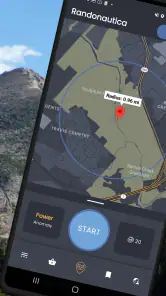
The setup was a breeze. I downloaded the app from the store, and after a quick sign-up, I was ready to roll. The interface is super user-friendly, with a minimalistic design that doesn’t overwhelm you with too many options. You’re greeted with a map and a big button that says "Start a Journey." Simple and to the point.
Setting an Intention
This is where things get a bit mystical. The app encourages you to set an intention before you start your journey. It could be anything—finding something beautiful, discovering a new place, or even something as abstract as "happiness." It’s all about what you’re open to discovering, and honestly, it adds a fun layer of mystery to the whole experience.
The Journey Begins
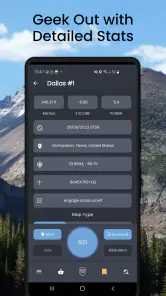
Once you’ve set your intention, the app generates a random set of coordinates based on your location. Now, this is where the adventure part kicks in. You have to physically go to these coordinates. For me, it was a spot about a mile away in a park I’d never been to. I mean, I live here, and I didn’t even know this place existed!
That physical step is worth considering before you begin: the app does not turn a point on a map into a ready-made itinerary. I would check whether the distance suits my energy and schedule, then use ordinary navigation to work out a safe public route. If a route would involve rushing, crossing somewhere unsuitable, or arriving after dark, I would skip that destination rather than trying to make the random result work.
Discovering the Unexpected
This is the part where your journey can really take any turn. As I got to my destination, I found a quaint little garden hidden behind a row of trees. It was serene, and in that moment, I felt like I was in on a little secret the universe had shared with me. Sure, it might sound a bit cheesy, but there’s something exciting about not knowing what you’ll find.
The best way I have found to make an ordinary result feel worthwhile is to give myself a small, practical task once I arrive: notice the light, look for a detail I would normally walk past, or take a photo if the place is public and photography feels appropriate. That keeps the outing rewarding even when the destination itself is not a landmark. I would not treat a coincidence as evidence that the app knows what I am thinking; the personal meaning comes from how I choose to experience the place.
Sharing the Experience
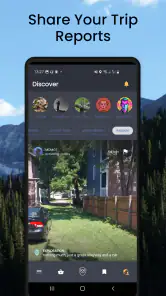
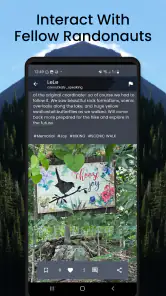
The app also has a community section where you can share your findings and see other people’s adventures. It’s fascinating to see how different everyone’s experiences are. Some people find cool art, others stumble upon beautiful landscapes, and some even claim to have found answers to questions they’ve been pondering. It adds a communal aspect that makes you feel part of a larger adventuring tribe.
For me, the community is most useful as a source of inspiration rather than a scoreboard. I might borrow a broad idea for an intention, but I would not compare my quiet walk with someone else’s dramatic account. Nor would I copy a route just because another user describes it as special: their circumstances, access, and comfort level may be different from mine. The destination still needs to make sense for the person actually walking there.
Things to Keep in Mind
While the app is a lot of fun, there are a few things to keep in mind. Safety first—always make sure where you’re going is safe and accessible. Sometimes the coordinates can lead to private property, so always be respectful. Also, it’s best to go on these adventures during the day and preferably with a buddy. It’s more fun that way, and you’ll have someone to share the experience with.
A useful fallback is to decide in advance what counts as a successful outing even if you never reach the point. Maybe it is simply taking a different public path or spending time outside before heading home. That makes it easier to turn back without feeling that you have failed the app’s challenge. The randomness should shape a choice, not override common sense, local rules, or your comfort.
Making the novelty last
After the first few outings, I would not expect every journey to produce a hidden garden or a story worth sharing. The lasting value is more modest: it can give me a reason to take a different route, look more closely, and make an ordinary walk feel chosen rather than automatic. I would use it occasionally, when I want a nudge to explore, rather than turn it into a daily task.
A useful habit is to vary the intention instead of chasing increasingly dramatic results. A simple prompt about noticing a sound, a view, or an unexpected detail leaves room for an enjoyable discovery without setting an impossible standard. If several destinations in a row feel inconvenient or uninteresting, I would take that as a cue to pause. The app works best as an invitation, not an obligation.
That occasional-use approach also makes it easier to judge whether it deserves space on your phone. I would think of it as an activity starter for weekends, spare time, or a visit to a familiar part of town—not as a replacement for a regular walking routine or a dependable local guide. If I find myself opening it only because I feel I ought to, rather than because I want a change of scene, I would leave it alone for a while and see whether I miss the nudge.
Who should keep it installed?
Randonautica is a travel and local exploration app from Randonauts Co. It is free to download, rated for Everyone, and has an average rating of 4.6 from around 81,000 ratings, with more than 10 million installs. The current version is 3.2.1, and in-app purchases are available, ranging from about $0.48 to $69.99 per item. I would consider those purchases separately from the basic idea: the main reason to keep the app is whether its occasional surprise actually gets you outside.
For someone who already enjoys unstructured walks, that can be enough to earn a place on the phone. Someone who prefers reliable recommendations, accessible routes, or a clear list of attractions may get more recurring use from a map or local guide. It is also a poor match for outings where timing and certainty matter. The age rating is Everyone, but younger users still need sensible supervision around travel and unfamiliar locations.
The free starting point makes it possible to try the core idea before deciding whether it suits you, while the optional purchases are a reason to be deliberate about spending. I would not buy anything in the hope of making random outings more meaningful: the part that matters to me is the decision to explore, not a promise of a better destination. If you mainly want attractions with opening details, accessible directions, or dependable reviews, a conventional travel app is still the more practical tool.
Small maintenance, real-world limits
The app’s upkeep is less about mastering a complicated system and more about using it with good boundaries. Its current version is 3.2.1, and the minimum operating system is 7.0. As with any location-based outing, I would make sure my phone is charged and that I can navigate back without relying on a random destination to guide the whole trip. Keeping a familiar route or meeting point in mind is a low-effort safeguard.
In practice, the maintenance burden is small but not zero. Before a longer outing, I would check my battery, footwear, weather, and return plan just as I would for any walk. I would also avoid generating a destination when I have no time to assess it properly. That simple preparation matters more than trying to turn each trip into a fully planned expedition.
The community element can add ideas and make discoveries feel shared, but other people’s striking stories should not set the bar for your own outing. A quiet bench or an ordinary street corner can still make a pleasant break, even if it is not a dramatic find. I would also avoid sharing details that reveal a private place or encourage others to trespass; a good story should not come at someone else’s expense.
Final Thoughts
In a world where everything feels planned and predictable, Randonautica offers a delightful dash of spontaneity. Whether you’re looking to break the monotony of daily life or just want to explore your surroundings in a new way, this app is definitely worth a try. Just be open-minded and ready for whatever the universe has in store for you. Happy adventuring!
My longer-term verdict is more grounded: I would keep it installed if I enjoyed having an occasional prompt for a walk, and I would not expect it to supply a steady stream of must-see places. Its strength is the small shift from choosing a destination to being curious about one. When I want dependable logistics, a specific attraction, or a route that fits tight constraints, I reach for a map or guide instead. Used with that distinction in mind, it can remain a pleasant option after the first-week novelty fades.
Randonautica Frequently Asked Questions
Does Randonautica need access to my location?
Randonautica is built around exploring places shown on a map, so location access is useful when you want to follow a suggested destination. Before heading out, check the app’s permission prompts and choose the access settings you’re comfortable with. You can also consider whether you want to share your location with an app before deciding to install it.
Is Randonautica suitable for children or family outings?
Randonautica has an Everyone content rating, and its central idea is random exploration guided by intention. A rating does not replace adult judgment about where an outing may lead, so families should review routes together, stay in public areas, and decide whether a destination is appropriate before going. Younger users should explore with a responsible adult.
What should I know before downloading Randonautica?
Randonautica is a free Travel & Local app from Randonauts Co. Its store summary, “Random Exploration, Guided by Intention,” captures the basic idea: it encourages you to explore places beyond your usual routine. The app is rated for Everyone and has an average rating of 4.6 from around 81,000 ratings. Consider whether location-based exploration fits your interests before installing.
Which devices can run Randonautica?
Randonautica is available for Android devices running Android 7.0 or later, so check your device’s operating system before downloading. The app is also available on iOS. Since it uses a map and location-based exploration, you’ll want a device that can provide location access and connect to the internet while you use it. The current version is 3.2.1.
What is Randonautica and how does it work?
Randonautica is an adventure app that generates random coordinates for you to explore, encouraging users to venture into the unknown. By setting an intention and following the map, users can explore new locations and discover unexpected places, making each outing a unique experience.
Pros
- Encourages exploration and adventure.
- Unique concept using quantum random numbers.
- User-friendly interface.
- Supports mental wellness through mindfulness.
- Customizable search radii.
Cons
- Requires GPS and data connection.
- Location-based; may not suit all areas.
- Privacy concerns with location sharing.
- Occasional technical glitches reported.
- Not suitable for younger users unsupervised.

- Category
- Travel & Local
- Version
- 3.2.1