Letterboxd
- 1.65K
- 2.3
- Installs
- 5.00M
- Price
- Free

Screenshots
Analysis by Reviewed
I think Letterboxd works best when you treat it as a film journal with a social layer, rather than as a replacement for your streaming apps. It gives movie watching a satisfying afterlife: you can record what you saw, put your reactions into words, and discover what other viewers care about. That combination makes it especially appealing to people who enjoy remembering and discussing films, not just choosing the next one.
A useful habit for choosing what to watch
One practical way to use it is to save films you hear about during the week, then browse that personal backlog when movie night arrives. Instead of reopening several streaming services and scrolling without a plan, you can start with titles that already caught your attention. The app is a social product from Letterboxd Limited, and its film focus gives those saved ideas a context that a general-purpose notes app cannot: your watch history and opinions sit alongside your future picks.
It also helps with the question people often have after watching something: “What was that film I meant to remember?” Logging a title soon after the credits makes your diary more useful later. I would add a short personal note even when I do not feel like writing a full review; a few words about who I watched it with or what stood out can be enough to make the entry meaningful when I look back.
Making the diary useful beyond ratings
A small detail that makes this habit work is to give each entry a cue you will understand later, rather than trying to write something impressive. “Watched with my sister,” “great ending,” or “save this for a double feature” is more useful to your future self than a vague rating alone. I also find it helpful to log films as soon as I finish them: trying to reconstruct a month of viewing later can blur dates and reactions, and the diary is strongest when it reflects what I actually thought at the time.
The diary can also help you notice patterns without turning movie watching into homework. Looking back at a run of entries might remind you that you have been choosing the same genre or relying on familiar favorites. That is a prompt, not a scorecard. I would use the record to find a new direction when I feel stuck, not to pressure myself into watching more films just to make the diary look active.
What the social layer changes
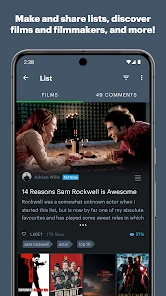
Following friends can turn an otherwise solitary watchlist into a low-pressure source of ideas. If someone whose taste overlaps with yours logs a film you have never considered, that can be a better nudge than a broad recommendation feed. Lists are useful in a different way: making one around a mood, director, or informal movie-night theme lets you organize suggestions for yourself or share a starting point with other film fans.
There is a trade-off, though. A busy feed can make film discovery feel like keeping up with other people’s viewing rather than following your own curiosity. I would follow a small group whose taste I actually trust instead of treating every popular opinion as a recommendation. And if what you want is a service that tells you which subscriptions currently carry a film or takes you straight into playback, a streaming app or availability guide is the more direct tool.
You May Like

Clash of Clans Is Won Between the Battles

Android Auto Makes the Case for Quieter Car Software

MobiOffice: Transforming Mobile Productivity with Seamless Integration

EA SPORTS FC™ Mobile Soccer: Redefining Mobile Sports Gaming

How Microsoft OneDrive Became a Mobile Productivity Giant

How Google Translate Breaks Language Barriers Effortlessly
Lists as a practical planning tool
Lists become more useful when they solve a real decision rather than merely collecting titles. For a group movie night, I would make a short set of options that fit the time and mood everyone has, then let the group choose from that shared starting point. For a personal project, a list can hold films from one director or a particular era so the next pick is ready when you have time. The trade-off is that lists still need your judgment: a theme can help narrow choices, but it does not tell you where a film is available or whether everyone will enjoy it.
Compared with a general social network, the film focus is a genuine advantage: reactions and recommendations stay connected to specific movies instead of disappearing into a mixed stream of unrelated posts. Compared with a dedicated streaming service, however, Letterboxd is a planning and conversation space, not the place I would open expecting to press play. I see those tools as complements. I might use this app to decide what sounds interesting, then check my viewing options separately.
Who will get the most out of it
The app is free, has a Teen content rating, and has been available since Aug 29, 2017. It has reached over five million installs, though its average rating is 2.3 across around 29,000 ratings, a sign that the experience does not satisfy everyone equally. I would approach it as a film community and personal archive, not as a flawless utility. Version 3.2.0 supports devices running Android 9 or later, and optional in-app purchases range from $0.99 to $48.99 per item.
Those optional purchases are worth keeping in perspective. I would start with the free experience and first decide whether the diary, lists, and community fit my habits; there is little reason to pay just because the app offers extra purchases. If you are comparing the low-friction option with a more involved film hobby, that distinction matters: you can keep your use simple, but the app becomes more rewarding when you return to it regularly and build a record that means something to you.
It is a strong fit for someone who already watches a mix of older, newer, mainstream, and less familiar films and wants a record of that journey. It is less compelling if you rarely watch movies, do not want to create an account or share opinions socially, or simply need a fast way to find something available to stream tonight. You can use the diary privately as a personal habit, but the app’s distinctive value grows when you enjoy browsing film conversations and lists.
I would also be cautious about treating other people’s ratings as a verdict. A highly discussed film may not suit your mood, and a friend’s brief reaction can be more useful to you than a crowd’s consensus. If you prefer recommendations that are tightly tailored to a particular streaming catalog, a service built around what you can watch right now is likely the better fit. Letterboxd is at its best when you want to explore films as a subject, not only solve tonight’s viewing problem.
For a realistic example, imagine you have a free evening and a friend has mentioned a film you might like. You can check your saved titles, scan what people you follow have been watching, and settle on a choice without relying only on a streaming service’s front page. Afterward, log it while the details are fresh and add a quick reaction. Over time, that small routine gives you both a record of your taste and a more personal pool of future viewing ideas.
There is a useful way to keep that routine from becoming a chore: decide what level of participation feels comfortable and stick to it. You might only log films and maintain a watchlist, or you might occasionally write a longer review and share a themed list. You do not have to turn every viewing into a public performance. If the social side starts to distract you, narrowing whom you follow or returning to the diary as a private record can make the app feel more like your own space.
If you are wondering whether you need to write polished reviews to get value from it, I do not think you do. A rating, a diary entry, or a themed list can be useful on its own; longer writing is there for when you want to share more. The main question is whether you enjoy organizing your film life and seeing other people’s responses. If not, a simple watchlist or streaming app may feel less demanding.
That flexibility is the clearest answer to whether it is only for serious cinephiles: it can serve casual viewers too, as long as they like keeping track of what they watch. But someone who wants a purely functional checklist may find the social atmosphere unnecessary, while a person who wants in-depth film criticism may still prefer longer-form publications or discussions. I would choose it for the combination of personal logging and community discovery, rather than expecting it to replace every other film resource.
If you're a movie buff like me, the Letterboxd app is probably your new best friend. This nifty little app brings the world of film right to your fingertips, offering not just a way to track what you've watched, but to dive deep into the cinematic universe. So, let's roll the film and see what Letterboxd has in store for us.
Discovering the World of Cinema
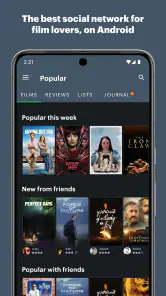
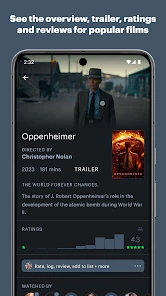
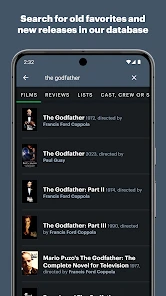
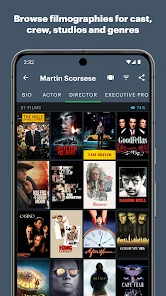
One of the first things that struck me about Letterboxd is its extensive database of films. Whether you're into classic Hollywood cinema or the latest indie flicks, this app has it all. You can easily browse through thousands of movies, read up on their synopses, and even check out trailers. It's like having a personal movie encyclopedia right in your pocket. Gone are the days of endless scrolling through streaming services, searching for something to watch.
Personalized Movie Diary
Now, let's talk about one of my favorite features: the ability to create your own movie diary. The app allows you to log every movie you've watched, complete with dates and personal reviews. It's a great way to keep track of your viewing habits and reflect on films that left an impact. Plus, you can rate movies and share your thoughts with a community of fellow film enthusiasts. It's like having a mini film club, where everyone gets to be a critic.
Social Networking for Film Lovers
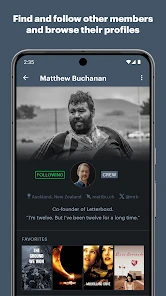
Speaking of community, Letterboxd truly shines in its social networking capabilities. You can follow friends, see what they're watching, and even engage in discussions about your favorite films. The app encourages interaction with features like lists and challenges, where you can create themed movie lists or participate in watch challenges. It's a fantastic way to connect with others who share your passion for cinema.
Curated Content and Recommendations
If you're ever stuck in a movie rut, Letterboxd has your back. The app offers curated content and personalized recommendations based on your viewing history. It's like having a personal movie curator who knows exactly what you'll love. Whether you're in the mood for a heartwarming rom-com or a spine-chilling horror flick, the app's got you covered.
Checking whether the mobile experience suits you
On a phone, the biggest practical question is how you want to balance quick logging with browsing. If I have just finished a film, I can make a brief entry and move on; if I have a few minutes to spare, I can explore lists and other viewers’ reactions. That makes the app useful in small moments, but it can also invite more scrolling than I intended. I would go in with a purpose—record the film, find a few options, or check a friend’s list—rather than opening the feed automatically whenever I have a spare minute.
The social rating of 2.3, based on around 29,000 ratings, is a reasonable reason to approach the mobile experience with modest expectations rather than assume every interaction will feel smooth. The app has also accumulated around 1,700 written reviews, reflecting a broad range of user reactions. Those numbers do not tell me exactly what any individual will encounter, but they do reinforce the value of trying the free version before deciding whether it belongs in my regular routine.
My recommendation for different kinds of viewers
I would recommend it most readily to people who enjoy remembering films, comparing impressions with friends, and making their own paths through cinema. It is especially handy for someone who hears about a title at lunch, saves it for later, and wants to recall why it sounded appealing when the weekend comes around. The combination of a personal diary and film-centered social discovery is more useful than either feature alone for that kind of viewer.
I would skip it if I wanted an app to tell me exactly what is included in my subscriptions, start playback immediately, or make all decisions for me. It is also not an ideal match if logging feels like administrative work or if other people’s opinions tend to spoil a film for me. In those cases, a streaming catalog, a private notes list, or simply choosing a title directly may be more comfortable.
Letterboxd Frequently Asked Questions
Can I use Letterboxd without creating a public profile?
Letterboxd is built around sharing films, reviews, lists, and viewing activity with a community, so it is worth considering how visible you want your participation to be before joining. You can set your profile to private and limit visibility to approved followers. That option lets you keep a more closed profile while still using the app’s film-focused social features.
Do I need a paid subscription to log films and write reviews?
No. Letterboxd’s free version includes core activities such as logging films, writing reviews, creating lists, and following other users. A paid subscription adds extra options, including personalized statistics, more ways to filter and sort, and an ad-free experience. You can start with the free app and decide later whether those additional features would make your film-tracking routine more useful.
Can I use Letterboxd to find films that match my interests?
Yes. Letterboxd is designed to help film lovers discover movies through curated lists and recommendations from other users. You can follow people whose tastes appeal to you and explore the films they log or add to lists. It is a discovery and discussion space, so recommendations can give you ideas for what to watch without turning the app into a streaming service.
Is Letterboxd suitable for younger users?
Letterboxd has a Teen content rating, so it may be suitable for teenagers, but families should still consider whether its social features and film discussions are a good fit. Users can share reviews, lists, and viewing activity, which means the experience includes content created by other members. Reviewing the app together can help younger users understand how to interact thoughtfully with a film-focused social community.
What is Letterboxd and what can I do with it?
Letterboxd is a social platform for movie enthusiasts, where users can log, rate, and review films they've watched. It allows you to create lists, follow other film buffs, and discover movies through curated lists or user recommendations. It's essentially a digital diary for your movie-watching habits, providing insights and a community to share your cinematic experiences.
Pros
- User-friendly interface design
- Comprehensive film database
- Engaging community interactions
- Customizable watchlists
- Insightful reviews and ratings
Cons
- Limited offline features
- Ads in free version
- Ocassional sync issues
- No TV series support
- Requires internet connection

- Category
- Social
- Version
- 3.2.0