FoilSnap: TCG Card Identifier
- 391.00
- 4.7
- Installs
- 100.00K
- Price
- Free

Screenshots






Analysis by Reviewed
I noticed FoilSnap because it solves a very specific problem: turning a pile of trading cards into something I can identify, value, and manage without opening several separate tools. As a free tools app from Next Vision Limited, it is aimed at collectors rather than players looking for another card game. Its main promise is practical—use the camera to recognize TCG cards, check a market value, and keep a collection more organized—but the real question is whether that convenience remains useful once the excitement of scanning a few cards wears off.
After spending time with it, my answer is cautiously positive. The first experience is satisfying, especially when I have a mixed stack and want quick answers. The longer-term value depends much more on my collecting habits. If I regularly buy cards, sort duplicates, or maintain a collection for trading, the app has a clear place in my routine. If I only own a small binder and rarely add to it, the novelty can disappear quickly.
From quick scans to a collection habit
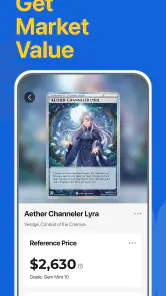
The first-week appeal is easy to understand. Instead of typing a card name, set, number, or edition into a search field, I can point the phone at the card and let the identification process do the initial work. That matters most when the card is unfamiliar, the print is small, or I am sorting many cards at once. The camera-led approach feels more natural than manually searching every item.
I would use it after returning from a card shop, convention, or trade. I can place the cards on a clean surface, scan them one by one, and separate them into broad groups: cards worth checking more carefully, cards I already own, and cards that are mainly useful for completing a set. That workflow is more valuable than scanning a single favorite card, because the time saved becomes noticeable across a whole stack.
The app’s store rating is a 4.7 average from around 22 thousand ratings, and that broad response makes sense to me. Card identification is the kind of task where even a modest reduction in manual searching feels helpful. It has also passed over 100 thousand installs, which suggests that it is reaching a real collector audience rather than existing only as a curiosity.
Still, I would not treat a camera result as an unquestionable appraisal. A card’s condition, language, printing, foil treatment, centering, and exact edition can affect what someone is willing to pay. A useful market value is a starting point for research, not a guaranteed sale price. I found that distinction especially important with visually similar cards, where a small detail can separate an ordinary version from a more desirable one.
Where the camera workflow helps most
The strongest use case is bulk organization. Imagine opening a storage box after years of buying packs and trades. The cards are not necessarily rare, but they are mixed together, duplicates are scattered around, and I cannot remember which ones are already in my binder. FoilSnap gives that mess a more manageable entry point. I can identify cards first, then decide what deserves a permanent place.
A second useful situation is buying a collection from another person. I would not rely on the app alone to decide whether the purchase is good, but I could use it to create a preliminary inventory while the seller is present. That helps me spot cards that need closer inspection and prevents the conversation from depending entirely on memory.
There is also a quieter benefit for people who collect casually. When I find an old card in a drawer, the app can help answer the basic question of what I am looking at before I spend time searching elsewhere. That makes it approachable for relatives or friends who inherit cards but do not know the terminology used by experienced collectors.
Lighting and presentation still matter. A reflective foil surface, sleeve glare, a bent card, or a cluttered background can make camera identification less comfortable. My practical tip is to scan on a flat, evenly lit surface and keep the card fully visible. If the first result looks suspicious, I would rotate the card, remove glare where possible, and compare the printed details rather than accepting the first match automatically.
Why the first month feels different
During the first week, almost every scan feels productive because I am discovering what I own. After that, the app has to earn repeated use. Its month-to-month value comes from giving me a reason to return whenever my collection changes, not simply from recognizing cards once.
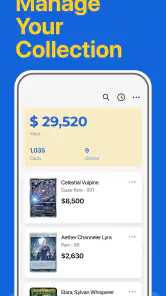
For an active collector, that reason can be strong. New purchases need to be recorded, duplicates need to be separated, and cards moved into trades should no longer appear as available in my personal inventory. A collection tool becomes more useful when it reflects those changes accurately. The important habit is to update the collection during the same session as sorting, rather than postponing everything until the pile becomes another project.
I would create a simple routine: scan new cards after opening or buying them, check questionable matches before saving, and review the collection whenever I prepare for a trade. This avoids one of the most common problems with cataloging apps—an impressive first inventory that becomes outdated almost immediately.
Market values are also more useful as conversation starters than as permanent labels. Prices move, and the number shown at one moment should not determine whether I keep, sell, or trade a card. I would use the value view to prioritize attention: investigate the cards that appear more significant, then confirm their exact version and condition through additional collector research before making a decision.
That trade-off is central to the experience. FoilSnap can reduce the work needed to find a card, but it cannot remove the judgment involved in collecting. It is best at organizing information and directing my attention. It is not a substitute for learning how editions, conditions, language variants, and real-world demand affect a transaction.
Keeping the collection accurate without creating a second job
The maintenance burden is reasonable at first, but it grows with the size and activity of a collection. Every saved card creates future responsibility. If I trade it away, sell it, give it to someone, or move it into a different storage box, the record should reflect that change. Otherwise, the app may tell me what I once owned rather than what I actually have.
My advice is to avoid cataloging every card just because the camera can identify it. Start with cards that matter to me: valuable cards, cards intended for trade, set-completion targets, and cards stored in a way that makes them difficult to remember. This selective approach keeps the catalog useful without turning a relaxing hobby into clerical work.
Another practical tip is to establish a naming and storage habit outside the scan itself. For example, after identifying a card, I would place it in a clearly defined physical group—trade, keep, duplicate, or needs review. A digital record is much easier to trust when it corresponds to a physical location. If the app helps me identify a card but I then put it into an unmarked box, the organizational benefit quickly weakens.
Collectors should also think about the difference between identification and verification. A scan can point me toward the correct card, but I still need to inspect the actual item. I would double-check the card number, set symbol, language, and finish before treating the record as final. This is particularly important when the goal is pricing rather than simple inventory.
The app is free to install, which makes trying this workflow low-risk. It does include in-app purchases priced from $7.99 to $39.99 per item, so anyone planning to use it seriously should consider how much of the experience they need before spending money. I would begin with ordinary collection tasks and only consider a purchase if FoilSnap is saving me meaningful time month after month.
What can make repeated use tiring
The first source of fatigue is repetition. Scanning a few cards is enjoyable; scanning hundreds can feel like a chore. The camera reduces typing, but it does not eliminate the physical work of arranging cards, dealing with glare, checking results, and deciding what to save. For a large collection, I would divide the work into short sessions instead of trying to finish everything in one evening.
The second source is uncertainty around market value. A number can create false confidence, especially when a collector is new. I prefer to treat the displayed value as a prompt to investigate rather than a promise. If I am selling a card, I would compare the exact version and condition with current buyer interest. If I am trading, I would discuss the card fairly rather than presenting the app’s figure as an absolute authority.
There is also a risk of over-cataloging. Some collectors enjoy a detailed digital record; others only want to know which cards they own. FoilSnap is a better fit for the first group and for anyone who frequently sorts or trades. Someone with a small, stable collection may find a spreadsheet, labeled boxes, or a simple note more satisfying because those alternatives require less ongoing interaction.
Collectors who care deeply about specialized variants should be especially careful. A camera identifier is helpful when the card is clear and recognizable, but unusual printings and subtle differences deserve manual confirmation. I would never let a quick match decide that a card is rare, authentic, or ready to sell. That is not a criticism unique to this app; it is a limit of using automated recognition for physical collectibles.
Another question is whether the app suits every card game equally well. Its purpose is clearly tied to TCG card identification and collection management, but my expectations would remain practical rather than universal. Before building a large catalog, I would test a representative handful from the games and editions I actually collect. If those results are consistent, the app has earned a larger role in my workflow.
Who should make room for it
I think FoilSnap is most useful for collectors who buy cards regularly, inherit mixed collections, trade with friends, or want a faster way to prepare an inventory. It is also a good entry point for beginners who do not yet know which details matter when identifying a card. The camera-first design gives them a starting answer, while the collection feature encourages better organization over time.
It may be less suitable for someone who only wants an occasional price check. In that case, installing a dedicated collection tool may be more effort than necessary, particularly if the person owns only a few cards. I would also hesitate to recommend making it the sole authority for high-value purchases, insurance decisions, authentication, or final sale pricing. Those situations need closer inspection and independent confirmation.
The age rating is Everyone, which fits the straightforward collecting purpose. The app is not presented as a competitive game or social platform; I approach it as a utility that supports a hobby. That distinction matters because its success is measured by saved time and better records, not by how long it keeps me entertained in one sitting.
Version 1.2.1 feels like a sensible point at which to judge the workflow, but I would still keep my expectations grounded. A version number does not change the basic responsibility of maintaining accurate records. The app can make the process easier, yet the quality of my collection depends on how carefully I review matches and keep the inventory current.
My long-term verdict
FoilSnap earns lasting space on my phone when I use it as part of a repeatable collecting routine rather than as a one-time novelty. Its best contribution is not the excitement of recognizing one card. It is the gradual reduction of friction across buying, sorting, checking duplicates, and preparing trades. Those small moments add up for an active collector.
I would keep the app if I were regularly adding cards or managing several storage groups. I would scan selectively, verify details that affect value, and update the record whenever cards changed hands. That approach preserves the convenience without allowing the catalog to become a misleading snapshot of the past.
I would skip it if my collection were tiny, rarely changed, or already well organized through a method I genuinely maintain. I would also avoid paying for extra access until the free experience proved useful in my own collection, since the purchase range reaches from $7.99 to $39.99 per item and the value depends heavily on how often I scan.
Overall, this is a focused tools app with a clear audience. Next Vision Limited has built something that can make the least enjoyable parts of collecting—identifying, sorting, and keeping track—feel more manageable. The lasting value is in the habit, not the first scan. If I treat its market information as guidance, verify important cards myself, and keep the collection updated, FoilSnap is a practical companion. If I want a definitive appraisal service or a completely hands-off inventory, I would choose a different solution or add independent research to the process.
Pros
- Quickly identifies many trading cards using the phone camera.
- Useful for checking card names
- sets
- and basic market information.
- Helps organize a collection without manually entering every card.
- Convenient for sorting cards during purchases
- trades
- or deck building.
- Simple interface makes it approachable for beginners and casual collectors.
Cons
- Recognition may struggle with damaged
- sleeved
- or poorly lit cards.
- Pricing data can vary by region
- condition
- and marketplace.
- Some cards may require manual correction after scanning.
- Large collections can take considerable time to scan individually.
- Features or scan limits may depend on ads
- subscriptions
- or in-app purchases.

- Category
- Tools
- Version
- 1.2.1