Google Play Store
- 28.00M
- 4.9
- Installs
- 10.00B
- Price
- Free

Screenshots


Analysis by Reviewed
When I need to install an app or check whether one I already use has an update, I start with Google Play Store. It is a practical part of using an Android phone: one familiar place to search, compare, download and manage apps. That convenience earns my trust as a starting point, not as a reason to stop paying attention. I still look at what an app asks me to do, who publishes it and whether its details make sense for the task I have in mind.
Made by Google LLC, this free tools app has been available since October 18, 2010. Its average rating is 4.9 from around 130 million ratings, and it has passed 10 billion installs. Those figures show how central it has become to Android, but popularity is not a guarantee that every app found through it will suit every person. I see the Play Store as a useful gateway and a place to make an informed choice, rather than a substitute for one.
Trust starts with the right expectations
The store brings together apps and games, alongside other digital entertainment, and gives Android users a familiar route to find and update them. In day-to-day use, that central role matters: I can search for a specific tool instead of hunting around the web for an installer, and I can return to the same place when I want to check for changes. For a new Android owner, or someone helping a relative set up a phone, this familiar flow is easier to explain than a collection of unrelated download sources.
The Latest on Google Play Store
Still, I would not treat a prominent placement, polished icon or large number of ratings as proof that an app is right for me. I read the description and check the publisher before installing, especially when an app would handle something sensitive or become part of a routine. The store’s Everyone content rating is a broad audience label, not a promise that every listed app is suitable for every age, preference or circumstance. A little checking is worthwhile even when the route to install feels routine.
Choices that help me stay in control
My most useful habit is to slow down at the point where I decide what to install. I search by the task I need done, compare a few likely options, and check whether the app’s stated purpose matches the reason I want it. If I am looking for a basic flashlight, for example, I have little reason to choose a complicated app whose extra features I will never use. Keeping the intended job in view helps me avoid installs I later forget about.
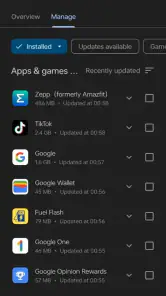
Updates are another reason I return to the store. They can bring changes to apps already on my device, so I prefer to review update details when they are shown rather than tapping through automatically every time. If an app suddenly behaves differently, checking whether it recently changed is a sensible first step before I assume my phone is at fault. I also keep in mind that the store is only one part of the picture: I can review an app’s permissions in Android settings and remove access that no longer seems necessary, where the system provides that choice.
Where I pause before downloading
Installing an app can involve decisions that matter more than the download itself. I pay closer attention when an app asks for access that seems unrelated to its main purpose, or when it invites me to sign in, start a trial or make a purchase. The exact choices depend on the app and the Android device, so I do not assume one screen or set of controls will look identical for everyone. My rule is simple: if I cannot see why a requested access or account step is needed, I wait and investigate instead of agreeing just to get past the prompt.
More From Our News Desk

MobiOffice: Transforming Mobile Productivity with Seamless Integration

EA SPORTS FC™ Mobile Soccer: Redefining Mobile Sports Gaming

How Microsoft OneDrive Became a Mobile Productivity Giant

How Google Translate Breaks Language Barriers Effortlessly

Why Google Sheets Is the Ultimate Mobile Productivity Tool

Unveiling the Dynamic World of My Talking Tom Friends
That extra pause is especially useful for apps that could touch private routines, personal files or communications. I check the app’s publisher and the wording around its features, then decide whether I am comfortable with the trade-off. A store can make discovery and installation convenient, but it cannot make that judgement for me. For someone who wants a tightly curated device with very few apps, this open-ended catalogue may feel like more choice than they need; a short list of trusted tools can be a better fit than browsing for its own sake.
Exploring the Digital Mall
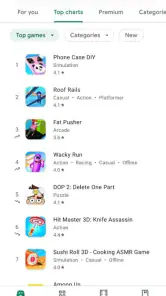
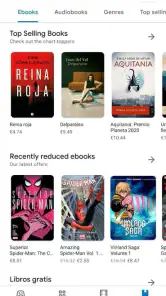
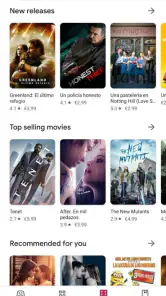
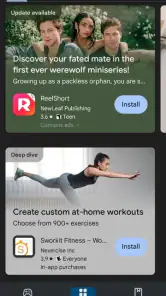
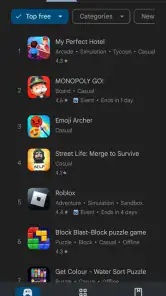
When you first open the Google Play Store, you're greeted with a colorful display of apps, games, movies, and books. It's like stepping into a vibrant marketplace where every stall has something exciting to offer. The interface is sleek and intuitive, making it easy for even the most tech-challenged individuals to navigate. I mean, who doesn't love a clean and user-friendly layout?
Endless App Variety
The sheer variety of apps available is staggering. From health and fitness to mind-bending puzzles, there's something for everyone. You can spend hours browsing through categories or simply use the search bar if you're in a hurry to find something specific. The personalized recommendations are a cherry on top, often suggesting apps that align with your interests.
For me, search is most useful when I treat it as a way to build a shortlist, not as a final verdict. A specific name or clear task makes browsing faster; a broad search can bring up options that look similar but differ in purpose, cost model or how much setup they need. I compare the app’s description and publisher, then ask whether I need its full feature set or would be happier with a simpler alternative. That small check can save time later, especially when a new app wants an account or asks me to configure several preferences before I can use it.
Recommendations are handy when I want ideas, but I do not rely on them to discover every good option. They can reflect what I have already explored, which is convenient if I want more of the same and less useful when I am deliberately looking for something different. When I am helping someone else choose an app, I start with their needs rather than my own suggestions: a child’s learning game, a relative’s accessibility tool and my preferred note-taking app are three different searches, even if the store presents them in the same general marketplace.
Updates and Security
One thing I admire about the Google Play Store is its commitment to security. Apps are regularly updated to ensure they run smoothly and securely. Plus, Google has a robust vetting process, so you can download with confidence, knowing that your phone won't fall victim to some dodgy app. It's like having a bouncer at the club entrance, only letting in the safe and legit ones.
I would put that reassurance in perspective: a store’s checks can reduce some risks, but they do not make every download risk-free or remove the need to use judgement. Ratings and reviews can help reveal patterns, yet I look for comments that describe a concrete problem or benefit rather than relying on a score alone. If a once-useful app starts showing unfamiliar prompts or no longer fits my needs, I can stop using it, review its access in device settings and uninstall it. That response is more practical than assuming an earlier install decision must remain right forever.
Updates can also be a trade-off. Keeping apps current is sensible, but a change may alter a layout, introduce a new sign-in step or affect a feature I depend on. If something important changes, I first check the app itself and its update information, then decide whether to adapt or look for another tool. I do not expect the Play Store to preserve every previous version or solve an app-specific problem; its main value to me is keeping the process of finding and managing Android apps in one familiar place.
A realistic example is setting up a phone for a family member who wants a map, a video-calling tool and a simple puzzle game. I would search for each need separately, check the publisher and description, and avoid installing several near-identical choices at once. After they try the apps, I would ask which ones they actually use and remove the rest. That keeps the phone easier to navigate and makes it simpler to review permissions and account prompts for the apps that remain.
Google Play Pass
Now, if you're someone who loves trying out new apps but hates ads and in-app purchases, the Google Play Pass is a godsend. For a small monthly fee, you get access to hundreds of premium apps and games. It's like having an all-access pass to a theme park, minus the long lines and overpriced snacks.
I would treat a subscription as a separate decision from using the store itself. It makes most sense for someone who regularly tries the included apps and games and values having that option in one place. If I only want one paid app, or I rarely explore new games, paying for a bundle may be less appealing than choosing a single purchase where available. Before signing up, I would check the current terms and what is included on my own device, then consider whether I am likely to use the selection often enough to justify an ongoing commitment.
That distinction also answers a common practical question: do I need a subscription to use the Play Store? No; the store itself is free to use, while individual apps and digital items can have their own costs or purchase options. I pay attention to the price and any trial or recurring-payment wording shown for the specific choice in front of me, rather than assuming that a free download means every feature inside it will also be free. That is particularly important when a child or another family member uses the device.
Compared with searching the web for Android downloads or relying on a phone maker’s separate app catalogue, the Play Store’s main advantage is familiarity and a central place to discover and manage apps. A manufacturer’s store may be more convenient for a device-specific utility, while a developer’s own distribution route can suit a person who deliberately wants that source and understands the extra care involved. For everyday app discovery, I prefer the Play Store; for sensitive tasks, I still compare the options and judge the publisher and requested access rather than assuming one marketplace settles every question.
It is also a better fit for people who use Android and want a straightforward route to a broad mix of apps, games and updates. Someone who avoids digital purchases, does not want to browse, or prefers a phone with only a few preselected tools may get little value from exploring its recommendations. And because the store is for Android devices, it is not the place I would use to manage downloads for an iPhone. Those limits are not flaws so much as reminders to choose the right source and level of choice for the device and person.
For a first-time user, the basic workflow is approachable: search, inspect the option, install it, then return when an update or another app is needed. The trickier part is not operating the store but making choices thoughtfully as apps request accounts, access or payment. I recommend taking those decisions one at a time. If a prompt is unclear, it is fine to pause, check Android’s settings or read the app’s details again; there is no need to grant access simply because an install is already underway.
In conclusion, the Google Play Store is more than just an app marketplace; it's a gateway to endless entertainment and productivity. Whether you're looking to kill time or boost your daily routine, this digital mall has got you covered. So go ahead, explore, and let your fingers do the shopping!
My more cautious recommendation is to use it as the default place to find and update Android apps, while keeping your own standards for privacy, usefulness and spending. Its huge reach and familiar flow make ordinary tasks easier, but neither a high rating nor a polished listing should replace checking whether an app fits your needs. If you search with a clear purpose, review what you are agreeing to and remove tools you no longer use, it is a dependable everyday starting point. If you want every choice pre-screened for your personal preferences, a smaller curated selection may suit you better.
Google Play Store Frequently Asked Questions
What is Google Play Store and how does it work?
Google Play Store is the official app store for Android devices, where users can download and install a wide variety of apps, games, music, movies, and books. It acts as a digital distribution platform, allowing developers to publish their applications and users to discover and download them easily. The Play Store also manages app updates and provides security measures, ensuring a safe and efficient user experience.
Is Google Play Store free to use?
Yes, Google Play Store is free to use for all Android users. While downloading and installing the app itself does not cost anything, some apps and games available on the platform may have associated costs, either as a one-time purchase or through in-app purchases. Additionally, some content like movies, music, and books may require payment to access.
How can I ensure the apps I download from Google Play Store are safe?
Google Play Store employs various security measures to protect users from malicious apps, including Play Protect, which scans apps for malware. To ensure safety, users should download apps only from trusted developers and check app reviews and ratings before downloading. Regular updates and paying attention to app permissions can also help maintain security.
What should I do if I encounter issues with downloading or updating apps on Google Play Store?
If you face issues with downloading or updating apps on Google Play Store, several troubleshooting steps can help. First, ensure your device has a stable internet connection. Clearing the cache and data of the Play Store app, restarting your device, or checking for system updates may also resolve the problem. If issues persist, contacting Google Play support might be necessary.
How can I manage app subscriptions on Google Play Store?
Managing app subscriptions on Google Play Store is straightforward. Users can view and manage their subscriptions by opening the Play Store app, tapping on the profile icon, and selecting 'Payments & subscriptions.' Here, they can see active subscriptions, update payment methods, or cancel subscriptions if needed. It's crucial to keep track of subscription renewals to avoid unexpected charges.
Pros
- Wide app variety available.
- User-friendly interface.
- Secure payment options.
- Family library sharing.
- Automatic app updates.
Cons
- Can have region restrictions.
- In-app ads can be intrusive.
- Some apps have hidden fees.
- Occasional download issues.
- Requires Google account.

- Category
- Tools
- Version
- Varies with device