Sprunki: Funky Remix Beats
- 35.00
- 3.3
- Installs
- 5.00M
- Price
- Free

Screenshots
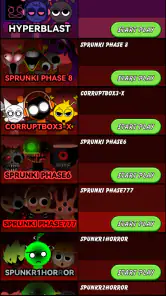
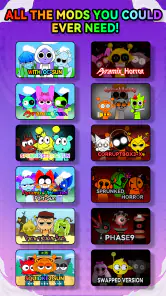
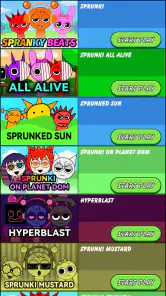
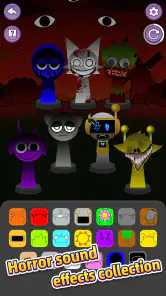


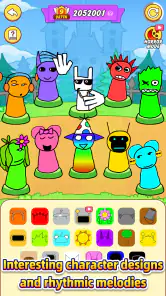
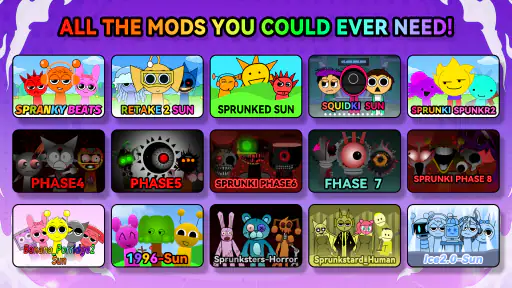
Analysis by Reviewed
I can see the appeal of Sprunki: Funky Remix Beats right away: it turns making music into a playful activity rather than a lesson in rhythm or production. That makes it easy to pick up when I have a few spare minutes and want to experiment without opening a full music-making app. The central idea is simple—build your own Sprunki songs—but whether it deserves a regular place on your phone depends on how much you enjoy returning to the same kind of creative play.
Easy to try, rewarding to experiment with
A first session built around curiosity
This is a music game from SYNTHJOY GAMES, and its strongest initial draw is the invitation to make something rather than merely listen. I would approach it with a low-pressure mindset: explore the available sounds, try combinations, and treat an early result as a sketch. That freedom suits players who enjoy discovering how parts work together but do not want the controls and technical choices of a traditional digital audio workstation.
The difference matters. A conventional music app often asks you to think about recording, editing, tracks, or timing before you have made anything enjoyable. A playful remix game can make the first step feel lighter. If a friend hands you a phone during a break, or you want a small creative distraction while waiting for an appointment, the appeal is that you can focus on sound and experimentation instead of learning a production workflow.
I would also avoid judging the game by whether a first attempt sounds polished. The more useful question is whether trying another combination feels inviting. In music play, the pleasure often comes from noticing a contrast or an unexpected match, not from producing a finished track. That makes it a better fit for casual experimentation than for anyone who needs precise control over a song.
Where it fits in the music-game landscape
Compared with rhythm games, which usually reward hitting prompts accurately, this one is framed around making songs. Compared with beat-making software, its promise is more approachable and less production-focused. Those are meaningful distinctions: people who want to perform well against a score may prefer a conventional rhythm challenge, while aspiring producers may quickly want deeper editing tools. I see Sprunki as the middle ground for someone who wants to play with musical ideas without turning a spare moment into a technical project.
That middle ground also sets expectations. This is not a substitute for learning an instrument, composing with detailed control, or building a polished release. It is a casual music game, and its value comes from the act of experimenting. If that is what you want, its premise can feel refreshing; if you arrive expecting a full studio, the simplified approach may feel limiting rather than welcoming.
Small habits that make experimentation better
One practical way to get more out of a music-making game is to change only one thing at a time. I would try a small variation, listen for what it changes, and then decide whether to keep exploring in that direction. This makes it easier to remember what created a sound you liked instead of making several changes and losing track of why a result worked.
Another useful habit is to give each short session a playful constraint. For example, decide to aim for a calmer mood, a busier feel, or a more surprising combination before you start. That is not a special feature claim; it is a way of making open-ended experimentation less aimless. It also helps when the initial novelty wears off, because you arrive with a fresh question rather than simply repeating the same routine.
From the first week to a regular routine
The first few sessions are likely to benefit from novelty: new sounds and combinations can make even casual exploration feel fresh. The longer-term test is whether the game gives you a reason to return once you understand its basic appeal. I would use it in short bursts rather than plan long sessions. That keeps the experience suited to its casual framing and makes it easier to stop when experimentation starts to feel repetitive.
A realistic everyday use is a five-minute reset between tasks. I might open the game while taking a break, try a few musical ideas, and put it away without needing to complete a campaign or achieve a particular score. It can also work as a shared activity: one person suggests a mood or sound direction, while another tries combinations. The point is not to turn it into a serious collaboration, but to make casual creativity more social.
For younger players, the Teen content rating is worth keeping in mind when deciding whether it suits a household. For everyone else, the rating is a practical reminder that this is a game to assess for the intended player, not just for its music theme. It is free to start, with in-app purchases listed at $3.99 per item, so I would pay attention to purchase prompts and decide in advance whether I want to spend anything. The basic decision is whether the free experience itself is enjoyable enough before considering optional purchases.
What could support repeat visits—and what could wear thin
Open-ended creation has an advantage over a fixed sequence of challenges: you can return with a different idea rather than simply replay the same objective. But that freedom can become a weakness if you prefer clear goals or a sense of progress. Players who need unlocks, stages, or a defined finish line to stay motivated may find a create-and-experiment loop less compelling over time.
My advice is to notice how you feel after several short visits. If you keep thinking of a new direction to try, the game may have a place in your routine. If you open it and make the same choices because you do not know what else to do, the novelty may be doing most of the work. The difference is personal, but it is a better test of lasting value than a single enthusiastic first session.
Music can also be fatiguing when the same sound palette is heard repeatedly. Even a fun creation tool can start to feel samey if your sessions blur together. I would take a break rather than force daily use. A casual creative game does not need to become a habit every day to be worthwhile; occasional sessions can preserve the sense of discovery better than treating it as a task.
Keeping it on your phone without turning it into a chore
The maintenance burden seems modest in concept: this is a game to open when you want to experiment, not a tool that requires a practice schedule or a collection of projects to manage. The current version is 1.2.3, and it runs on Android 7.0 or later. Those details help with basic compatibility decisions, but I would still check that the game runs comfortably on the particular device before making it part of a regular routine.
For an easy personal test, try a handful of short sessions over a week. In each one, set a different creative goal and notice whether the process stays enjoyable. If you find yourself returning because you have another idea, that is a good sign. If you only open it because you feel you should use an installed game, it probably has not earned permanent space. No music app needs to be used constantly to justify keeping it.
The game has an average rating of 3.3 from around 3.9 thousand ratings, alongside 35 written reviews, and it has passed 5 million installs. I read those figures as a reason to approach it with measured expectations, not as a verdict on whether I will enjoy it. A broad audience has tried it, but the decision still comes down to whether its particular kind of music play suits you. It is free, which makes trying it a relatively low-commitment way to find out.
Who should try it, and who may prefer something else
I would recommend giving it a chance if you like casual music games, enjoy experimenting without a strict objective, or want a light creative activity to share with someone nearby. It may be especially appealing if conventional music software feels intimidating and rhythm games feel too focused on performance. Its simple premise gives you a reason to explore, while the game format keeps the activity approachable.
I would skip it if your main goal is to learn music theory, record vocals, edit a track in detail, or produce something for release. A dedicated music-making app is a better choice for those needs. If you prefer clear levels and measurable goals, a standard rhythm game will likely be a better match. Knowing that distinction before installing helps avoid expecting this game to solve a different problem.
Sprunki: Funky Remix Beats was released on July 23, 2025, and the developer is SYNTHJOY GAMES. The release timing and version do not change the central decision: this is most attractive when you want quick, low-pressure creative play. I would keep it around if experimenting with songs remains fun after the first burst of curiosity, and remove it without regret if you want deeper tools or a more structured challenge.
My long-term verdict
For me, the lasting value of Sprunki: Funky Remix Beats rests on whether its open-ended music play continues to spark ideas. It does not need to become a daily habit to earn a place; a game that makes an occasional break more creative can be enough. The trade-off is that the same freedom that makes it easy to approach may leave some players looking for more direction or depth.
I would try it with modest expectations, keep sessions short, and use a small creative prompt to make each return feel distinct. If that routine keeps producing moments of discovery, it has earned its space. If the combinations start to feel repetitive, a rhythm game or a more capable music app will serve you better. That is a fair outcome for a free music game: enjoy it for the playful experimentation it offers, rather than asking it to be a studio, a lesson, and a long-term progression game all at once.
Sprunki: Funky Remix Beats Frequently Asked Questions
What is Sprunki: Funky Remix Beats?
Sprunki: Funky Remix Beats is a music-focused game built around creating lively beats with characters, sounds, and remix-style combinations. Its appeal is the playful, experimental approach: rather than simply listening to tracks, players can try different musical elements and see how they work together. Features and content can vary between versions, so check the app’s store listing for the current description and screenshots before downloading.
How do you play Sprunki: Funky Remix Beats?
The basic experience centers on experimenting with musical parts to build or change a beat. Depending on the version, you may select characters or sound icons, then combine them to hear how their rhythms and effects fit together. This makes the game approachable for casual players, even without music-making experience. For exact controls and available modes, consult the instructions or store information for the version you plan to install.
Is Sprunki: Funky Remix Beats free to download?
Whether the game is free, paid, or includes optional purchases depends on the edition and the store where it is offered. Before installing, review the listing for its price, in-app purchase details, and any advertising disclosures. Also check that the publisher and app name match what you intended to download, since similarly named games or unofficial versions may have different costs, features, and privacy practices.
Can I play Sprunki: Funky Remix Beats offline?
Offline availability is not guaranteed and may differ across releases. Some music games let players use their core features without an internet connection, while downloads, advertisements, online features, or updates may require connectivity. If offline play matters to you, check the app listing and test the game after installation while disconnected. Avoid assuming that a playable first session means every feature will work without internet access.
Is Sprunki: Funky Remix Beats suitable for children, and what should I check before downloading?
The game’s colorful, music-led presentation may appeal to younger players, but suitability depends on the specific version’s content, ads, purchases, and data practices. Check the age rating, privacy information, and user reviews on the official app store before installing, and consider enabling parental controls where appropriate. Confirm the required device specifications as well, since compatibility and performance can vary between Android and iOS devices.
Articles Related to Sprunki: Funky Remix Beats
Clash of Clans Is Won Between the Battles
Its raids are quick; its community is a long-term project of coordination, teaching, rivalry, and shared responsibility—with all the friction that entails.
Android Auto Makes the Case for Quieter Car Software
The car interface is no longer judged by how much it can do, but by how quietly it helps. Android Auto shows what drivers now expect—and what still gets in the way.
MobiOffice: Transforming Mobile Productivity with Seamless Integration
MobiOffice: Word, Sheets, PDF is redefining mobile productivity with a surprising blend of functionality and innovation.
EA SPORTS FC™ Mobile Soccer: Redefining Mobile Sports Gaming
Dive into EA SPORTS FC™ Mobile Soccer, where immersive gameplay and strategic depth transform mobile sports gaming.
Pros
- Quick sessions make it easy to play during short breaks.
- The colorful visuals give the game a lively
- playful look.
- Simple controls are approachable for newcomers.
- Remixing beats encourages experimentation and creative play.
- A lighthearted style suits players looking for casual entertainment.
Cons
- The gameplay may feel repetitive after extended play.
- Players seeking a complex rhythm challenge may find it too simple.
- Timing-based play can be frustrating if touch input feels imprecise.
- The presentation may not appeal to players who prefer realistic visuals.
- Check the store listing for ads and in-app purchases before downloading.

- Category
- Music
- Version
- 1.2.3