Hello Kitty: Kids Hospital
- 905.00
- 4.7
- Installs
- 5.00M
- Price
- Free
Screenshots
Analysis by Reviewed
I look at Hello Kitty: Kids Hospital as a pretend-play game for children who like caring for characters more than competing against them. Its hospital setting gives little players a simple reason to explore: patients need attention, and Hello Kitty and her friends make the work feel friendly rather than intimidating. I’d choose it for a quiet play break when a child wants something hands-on and themed around helping, while keeping expectations modest: it’s a light educational game, not a substitute for a detailed medical or science activity.
What the purchase details mean for families
The game is free to download, and its in-app purchases are listed at $0.99 to $7.99 per item. That gives families a useful starting point: a child can try the game before anyone decides whether spending makes sense. I would check the purchase flow with the child before handing over a device, especially if they are used to tapping through prompts quickly. The age rating is Everyone, but that doesn’t remove the value of an adult setting expectations around optional spending.
Hippo Kids Games is the developer, and the game has a 4.7 average from around 14,000 ratings, alongside more than five million installs. Those figures suggest that it has found a sizeable audience, though popularity alone cannot tell me whether every child will enjoy its pace or style. It is free, but not entirely without a spending decision; I’d treat the purchase range as a reason to supervise, not as evidence that buying anything is necessary.
Trying it without turning play into a purchase decision
For a first session, I’d keep the goal small: let the child explore the hospital setting, see whether the patient-care activities make sense to them, and notice whether they want to continue without prompting. This is a more useful test than asking whether they like the characters in general, because a child can enjoy Hello Kitty but still prefer a different kind of play. It also gives the adult a chance to notice when a purchase prompt appears and help the child understand that tapping it is a choice, not a required step.
The spending question is best handled before the device is passed over. I’d explain that the game can be tried for free and that any paid item needs an adult’s permission. This is especially practical for younger children, who may interpret a colorful button as part of the activity rather than a purchase choice. The known price range is enough to set a household boundary, but not enough to judge the value of a particular item without seeing what it offers.
A Whimsical World of Healing
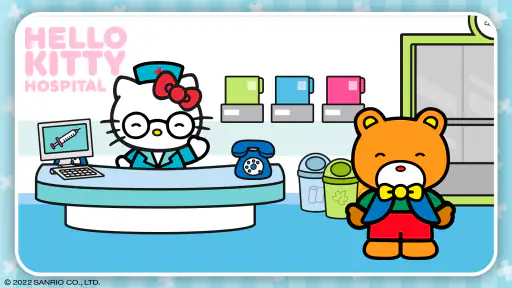
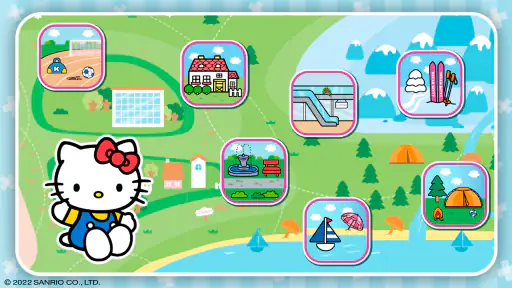
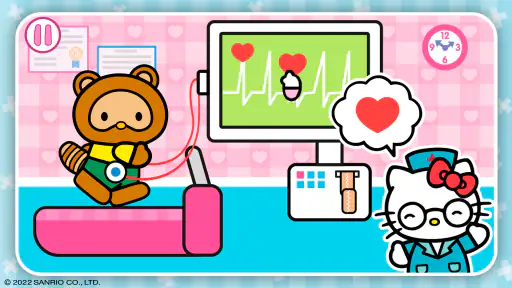
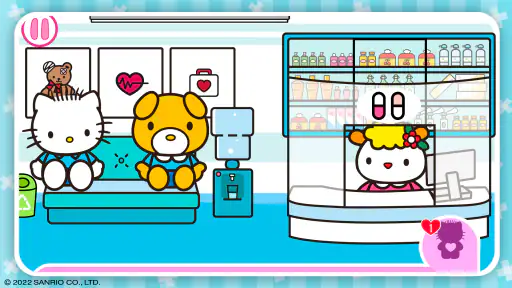
Right off the bat, Hello Kitty: Kids Hospital welcomes you with its vibrant colors and endearing characters. Remember those childhood dreams of playing doctor? Well, this app brings that dream to life in the cutest way possible. The premise is simple yet engaging: help Hello Kitty and her friends run a hospital, diagnose patients, and treat them with love and care. It’s all about making the little ones feel at ease and transforming what could be a daunting experience into something fun and educational.
Engaging Gameplay for All Ages
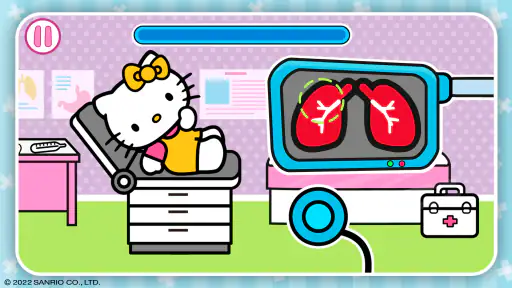
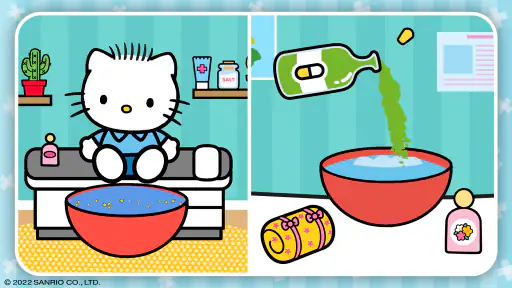
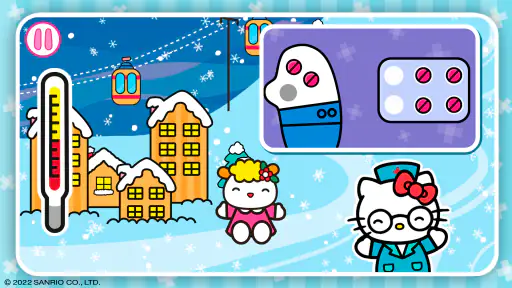
The app is surprisingly intuitive. Whether you're a tech-savvy kid or a parent trying to keep up, navigating through the game is a breeze. The tasks include diagnosing patients, performing mini-games to treat them, and learning about different medical instruments along the way. It's a great mix of fun and education, making it a hit among parents who want to sneak in some learning while their kids play. Plus, the mini-games are quite addictive, even for those of us who might be a tad older than the target demographic!
You May Like

Clash of Clans Is Won Between the Battles

Android Auto Makes the Case for Quieter Car Software

MobiOffice: Transforming Mobile Productivity with Seamless Integration

EA SPORTS FC™ Mobile Soccer: Redefining Mobile Sports Gaming

How Microsoft OneDrive Became a Mobile Productivity Giant

How Google Translate Breaks Language Barriers Effortlessly
One of the standout features is the variety of characters you get to interact with. From Hello Kitty herself to her adorable friends, each character brings their unique flair to the hospital. It’s not just a game; it’s an entire community bustling with activity and joy.
Turning play into a small routine
A useful way to introduce it is to sit with a child for the first few minutes, let them explore the patient-care tasks, and then invite them to explain what they think each instrument does. That turns tapping into conversation without pretending the game is a medical lesson. On a rainy afternoon or during a short wait at home, a child can play independently once comfortable with the controls; younger children may still enjoy having an adult nearby to help interpret the choices.
Compared with coloring apps or simple matching games, the hospital theme gives children a little role-play structure: notice a patient, choose an action, and see a response. Compared with more formal educational games, it appears better suited to playful familiarity than to systematic teaching. I’d pick it for a child drawn to Hello Kitty and caring scenarios, but choose a puzzle or drawing app instead if the goal is a calmer activity with fewer game-like prompts.
A practical moment for this kind of play
Imagine having a few minutes at home while dinner is being prepared and a child asks for something to do. This can work as a short, themed activity if the child already enjoys pretend doctor play: they can focus on helping a patient, then put the device down when the household is ready to move on. I would avoid presenting it as a way to keep a child occupied indefinitely. Its appeal is specific, and a quick session is a good way to learn whether the caring tasks hold their attention before making it part of a routine.
It may also be a useful choice when a child is curious about hospitals but needs a gentle, fictional setting to talk about caring for someone. I’d follow the child’s questions rather than treat the game’s actions as explanations of real treatment. If a real appointment or health concern is involved, a parent or clinician is the right source for accurate guidance; the game can only provide a playful starting point for conversation.
Where the experience may not fit
The broad appeal of the characters is also a matter of taste. A child who doesn’t know Hello Kitty, or who prefers building, racing, or open-ended drawing, may lose interest quickly. The medical theme is presented as pretend play, so I wouldn’t rely on it to explain real procedures or answer a child’s serious health questions. It can open a gentle conversation about helping someone, but an adult should provide the real-world explanation.
There are practical checks worth making before settling into a longer play session. The game is listed for devices running Android 5.1 or later, and its current version is 1.3.0; families should make sure the device meets that requirement. Since the game includes paid items, I’d also look at the available purchase controls on the device and agree on a simple rule before a child plays alone. Those small steps make the free starting point easier to manage.
Graphics and Sound – A Feast for the Senses
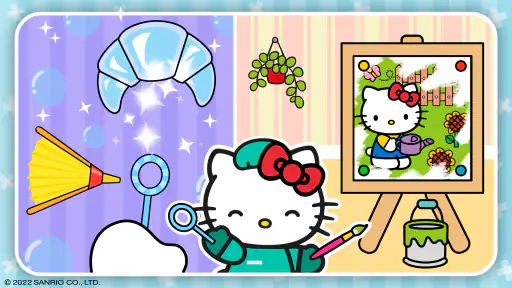
Oh, the graphics! They are nothing short of delightful. The app features bright, colorful visuals that are bound to catch the eye of any child. The animations are smooth, and every character is meticulously designed to reflect their personalities perfectly. Coupled with the cheerful background music and sound effects, it creates an immersive experience that keeps you coming back for more.
The app developers have really outdone themselves in creating a world that's not just visually appealing but also sonically pleasing. The soundtrack is catchy yet not overwhelming, perfect for keeping the little ones entertained without driving the adults up the wall.
Progress without pressure
I’d approach the mini-games as short bursts of activity rather than a reason to keep a child playing until they finish everything. The appeal here is the repeated act of caring for a patient, not beating a rival or proving a score. That makes it a gentler option than competitive games, especially for children who get frustrated by timers or losing. Still, a child who wants clear levels, a long story, or a sense of steadily unlocking a world may find this style too light.
Parents may also wonder whether paid items are needed to enjoy the central play. The confirmed purchase range tells us that optional items cost between $0.99 and $7.99 each, but it does not establish what any particular purchase unlocks or whether it changes progression. I wouldn’t buy anything on the assumption that it is required; I’d first let the child try the free version and decide based on the experience in front of us.
Competitive fairness and the right alternative
For families weighing it against other children’s games, the main distinction is the kind of motivation involved. A racing or score-chasing game asks a child to improve a result; a hospital role-play game puts the attention on choosing how to help a character. That can be a better fit for a child who dislikes competition, but it is not automatically more educational than every alternative. A parent seeking structured lessons, a clear sequence of learning goals, or a drawing activity with no prompts should look elsewhere.
I also wouldn’t compare the paid items with competitive advantages, because there is no confirmed basis for saying what they change. The fair approach is to judge the free experience on its own first. If the child is content with the activities available, there is no reason to spend just because optional purchases exist. If a purchase is being considered, an adult should inspect the specific item and decide whether its content seems worth the household’s money.
What I can—and can’t—judge
The game is an educational title rated for Everyone, released on December 3, 2022, and its current version is 1.3.0. I can speak to the appeal of its character-led hospital play, but purchase details alone don’t tell me how each item affects the experience. That distinction matters: a listed price range is useful for planning, while claims about what spending buys would be guesswork.
For a child who enjoys Hello Kitty and gentle pretend play, the best test is simple: try a short session together, see whether the patient-care activities hold their attention, and keep purchases off the table until there is a clear reason to consider them. If the child would rather make up their own stories without prompts, a toy doctor kit or drawing activity may suit them better. I see this game as a cheerful option for a specific mood, not a must-have for every young player.
Questions worth settling before a child plays alone
One practical question is whether it suits a very young player without help. The Everyone rating makes it broadly appropriate, but an age label cannot tell a parent whether a particular child will understand the controls or purchase prompts. I’d start together, watch how the child navigates, and only then decide whether independent play feels comfortable. Another useful question is whether it can replace a real conversation about hospitals: it cannot, though its pretend-care premise can give a child an easy opening to ask questions.
Families may also wonder whether they need to pay to make the game worthwhile. I’d begin with the free download and wait to see whether the child returns to the activities naturally. The existence of paid items does not establish that they are needed, and the listed price range does not reveal what each one contains. Finally, if the child wants a deeper medical simulator or a long-form progression game, this light role-play format is probably not the right match; a more focused educational resource or a different genre would serve that goal better.
Final Thoughts
In conclusion, Hello Kitty: Kids Hospital is more than just a game; it's a delightful experience that combines fun, learning, and a bit of nostalgia for those who grew up with Hello Kitty. Whether you're looking to entertain your kids or indulge in a bit of light-hearted play yourself, this app ticks all the right boxes. It's engaging, educational, and absolutely adorable. So go ahead, step into the world of Hello Kitty and her friends, and let the healing begin!
My recommendation is more measured than that cheerful send-off: I’d try it with a child who already likes the characters and enjoys pretend care, while keeping the session short and purchases supervised. Its strongest use is a friendly, low-stakes activity that can prompt a little conversation, not a substitute for open-ended toys or a structured lesson. If that is what your family wants, the free starting point makes it easy to find out whether the game fits.
Hello Kitty: Kids Hospital Frequently Asked Questions
Who developed Hello Kitty: Kids Hospital, and what kind of game is it?
Hello Kitty: Kids Hospital is an educational game developed by Hippo Kids Games. It brings Hello Kitty into a hospital setting and invites children to explore a medical role-play experience. The game is designed around treating patients, making its central theme easy to understand before downloading. Its focus on familiar characters and healthcare gives families a clear idea of the type of play it offers.
How much does Hello Kitty: Kids Hospital cost, and are purchases required?
The game is free to download, so players can try its hospital-themed experience without paying an upfront price. It also includes optional in-app purchases, with individual items priced from $0.99 to $7.99. These purchases are not a requirement to download the game, but parents may prefer to review purchase controls on their device before handing it to a child.
What is Hello Kitty: Kids Hospital?
Hello Kitty: Kids Hospital is an educational game developed by Hippo Kids Games. Its short description is “Hello Kitty,” and the game is presented as a medical experience for children, centered on learning how to treat patients with Hello Kitty. It is free to download, with optional in-app purchases available.
What is the main objective of Hello Kitty: Kids Hospital?
Hello Kitty: Kids Hospital is an interactive and educational app designed for children, where players take on the role of a doctor in a whimsical hospital setting. The main objective is to treat adorable characters, like Hello Kitty and her friends, who come in with various health issues. Through engaging mini-games, children learn about basic medical procedures and the importance of healthcare.
Is Hello Kitty: Kids Hospital suitable for all age groups?
Hello Kitty: Kids Hospital is rated Everyone, so it is intended to be appropriate for a broad audience. It has simple controls, colorful graphics, and easy-to-understand instructions that make it accessible to young players. Parents may still want to supervise children during play, particularly when reviewing purchase settings and helping them understand the game’s medical themes.
Pros
- Engaging for children with interactive gameplay
- Educational content promoting health awareness
- Colorful graphics and friendly characters
- Simple controls suitable for young kids
- Encourages empathy and problem-solving
Cons
- May include in-app purchases
- Limited content for older children
- Requires internet for some features
- Graphics may be too simplistic for some
- Could become repetitive over time
- Category
- Educational
- Version
- 1.3.0